
Last updated November 16, 2026
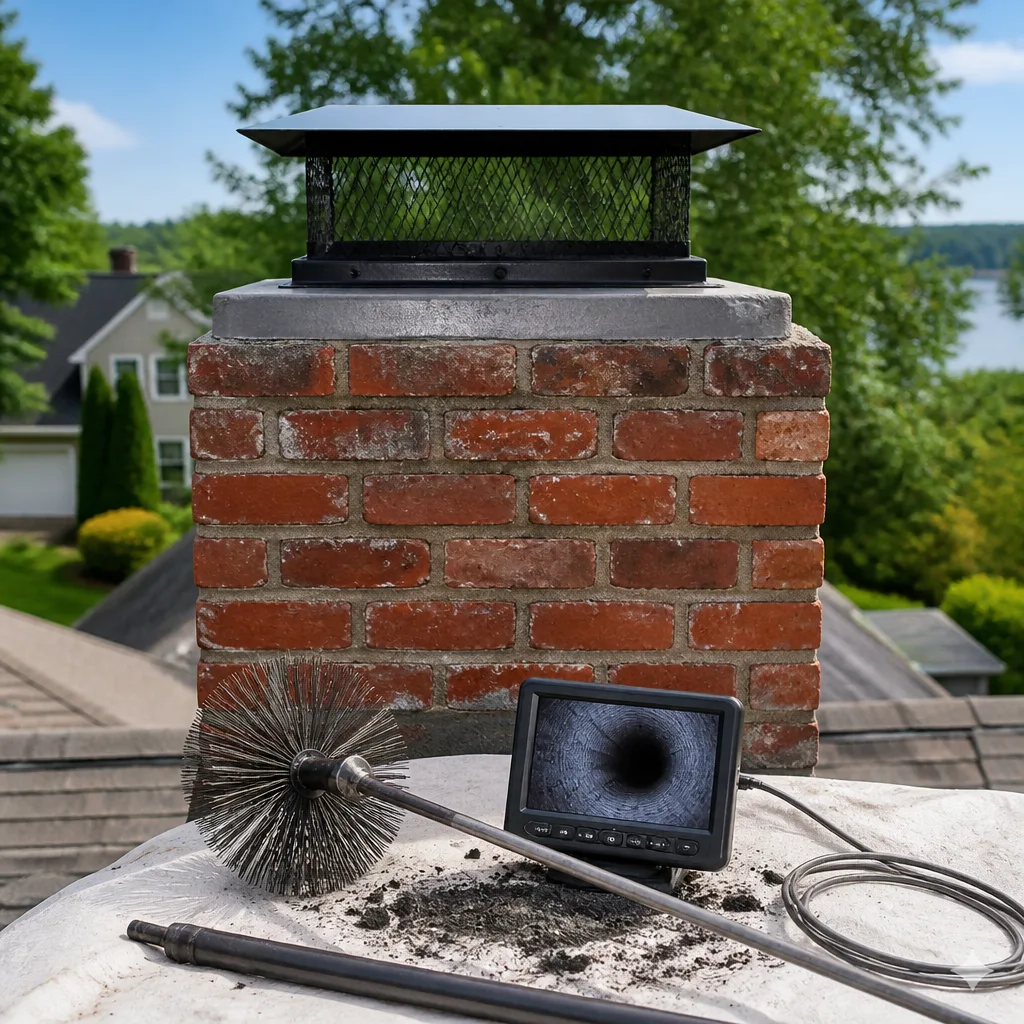 Sweep & inspection
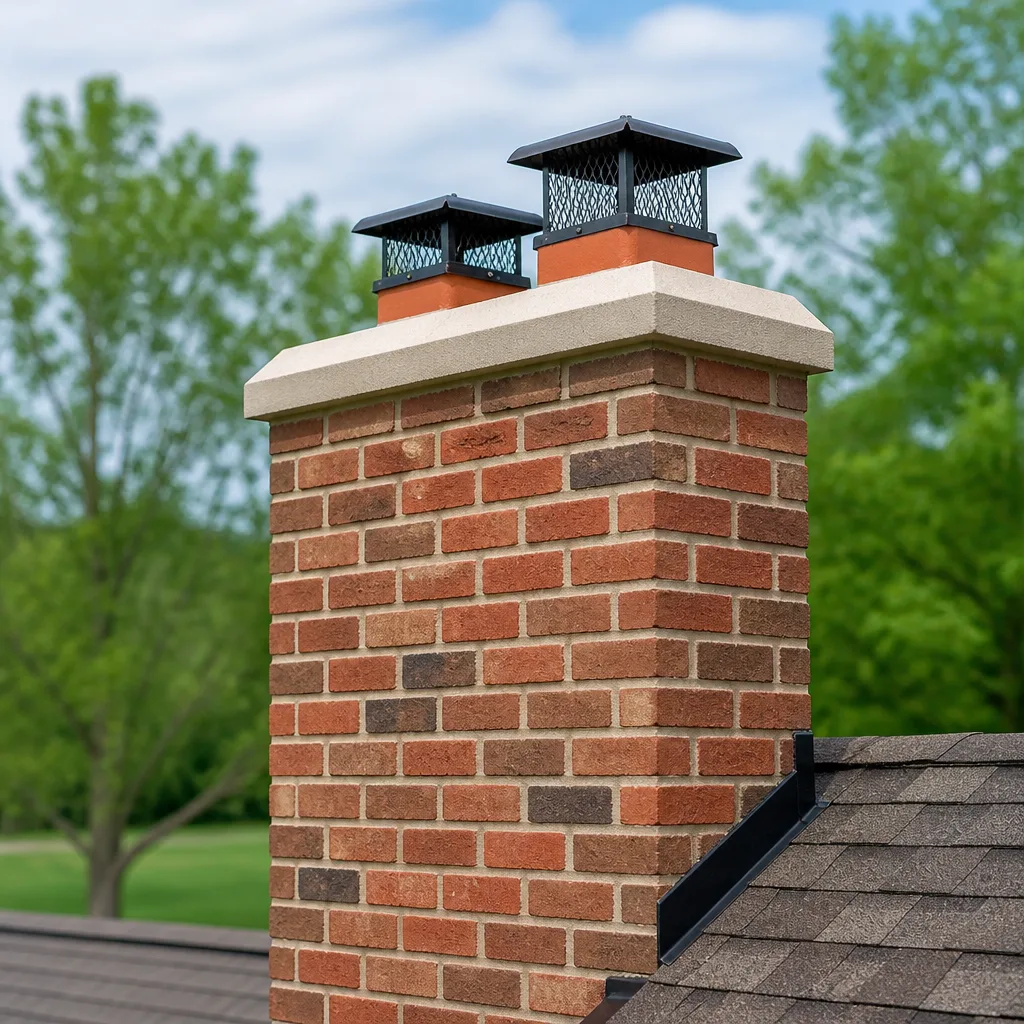 Caps & crowns
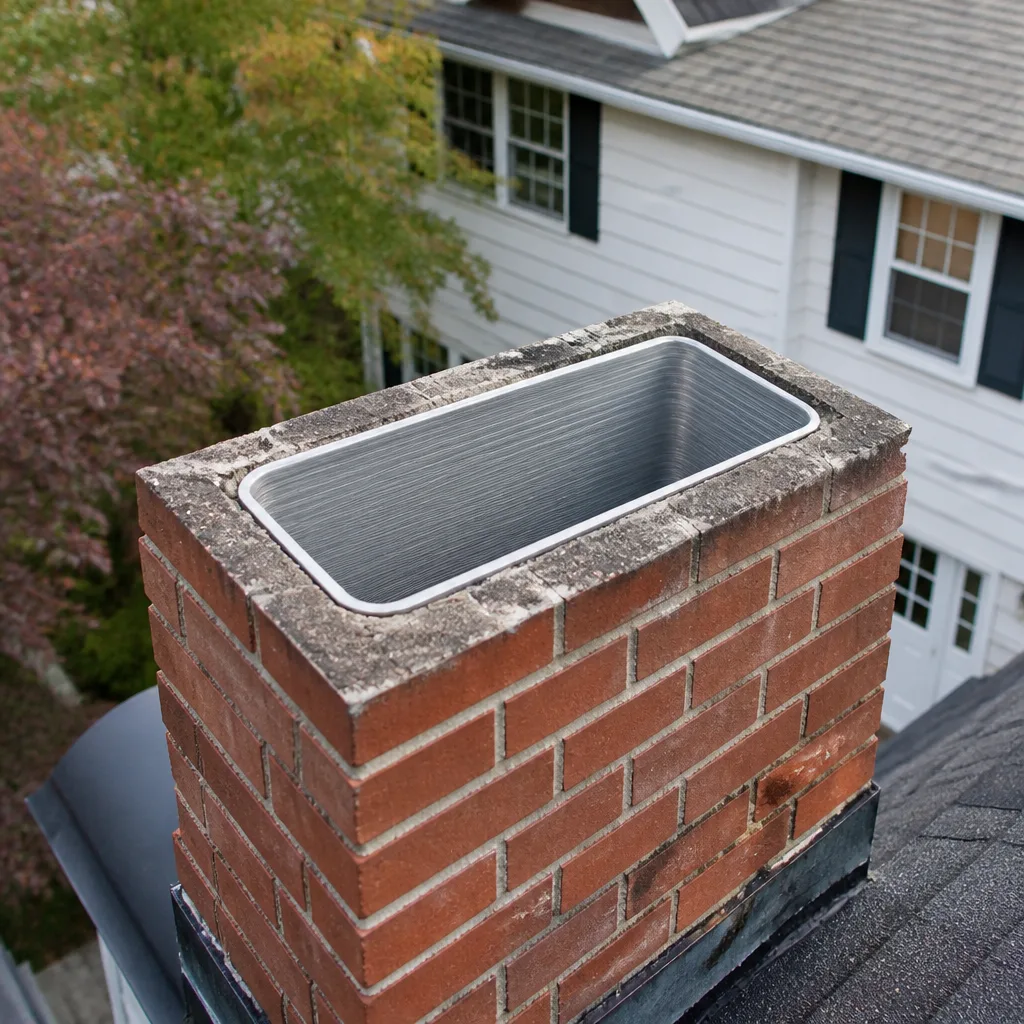 Flue relining
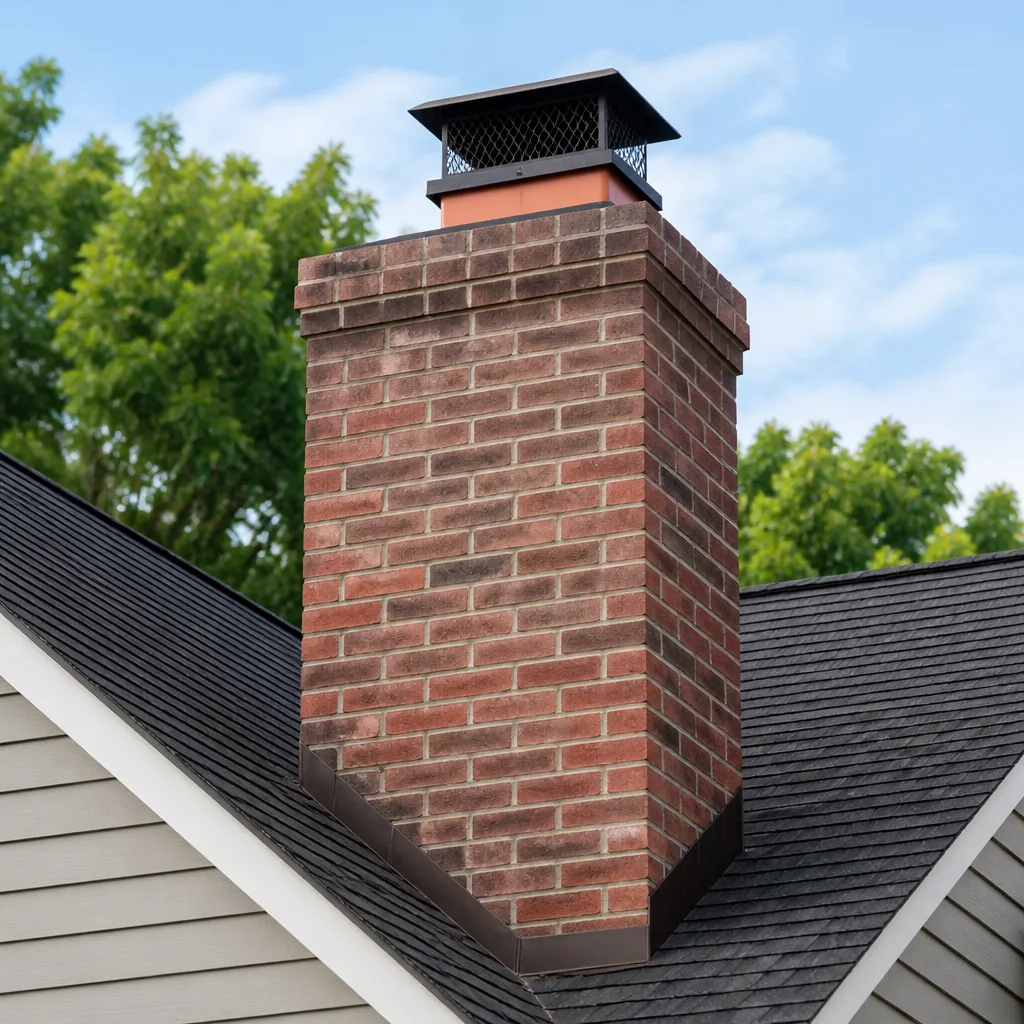 Masonry repair
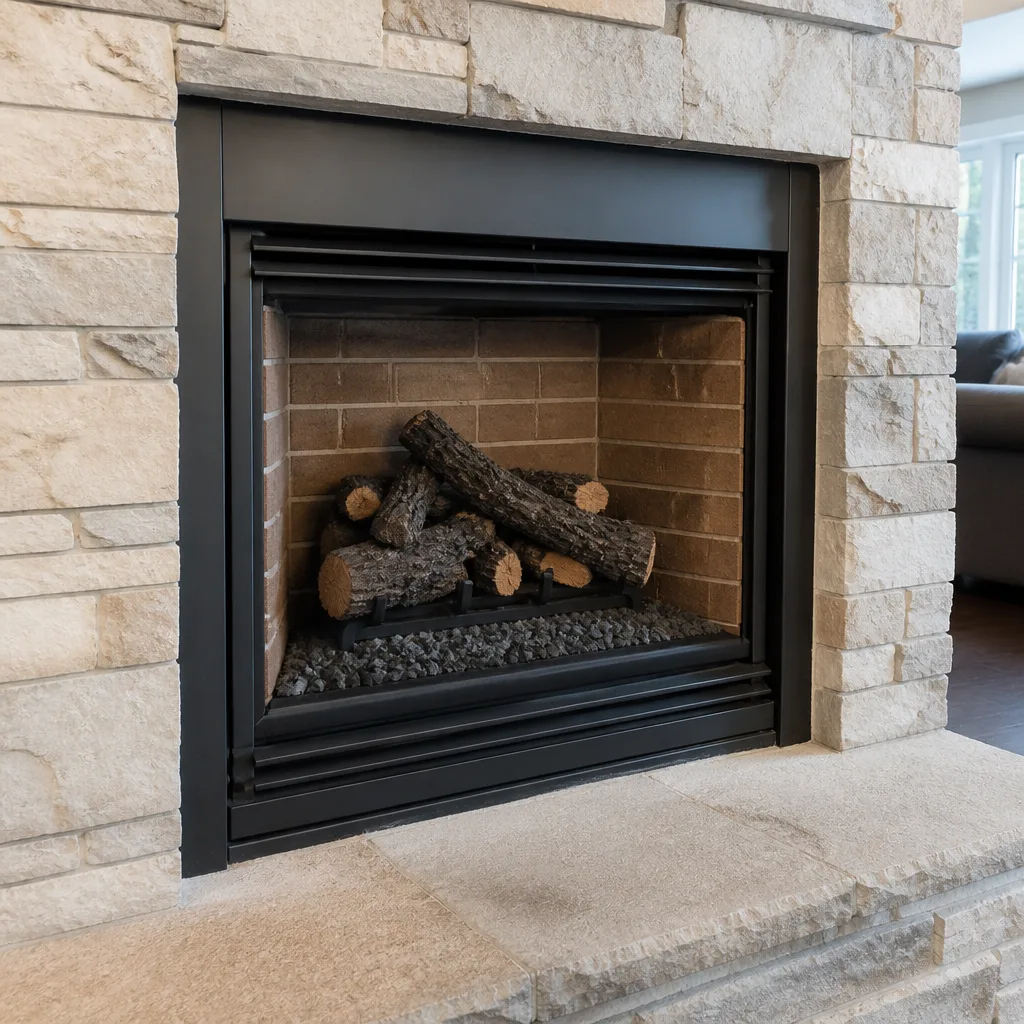 Gas fireplace service
Level 1 sweep and inspection to the NFPA 211 annual standard - flue, crown, cap, and flashing checked and photographed
Chimney sweep logs do not sweep chimneys. They loosen some creosote - which then falls where a brush and vacuum still have to collect it.
Choosing the Right Chimney Cleaning Brand: A Buyer’s Guide for North Las Vegas
When a contractor reseals your chimney crown, the product they use determines whether the repair lasts two years or fifteen, and most homeowners never think to ask what’s in the bucket. The same holds for the parging compound that smooths a smoke chamber, the liner that carries combustion gases up and out, and the chase cover that keeps monsoon rain off the whole assembly. Labor gets all the attention. Materials quietly decide the outcome. In a desert city like North Las Vegas, where summer heat and sudden storms work on a chimney year-round, that distinction matters even more. This guide shows you which product categories matter, which supply brands professionals actually specify, and the questions that separate a contractor who sources properly from one who buys whatever is cheapest on the shelf.
Quick Answer
The right chimney cleaning brand is the one that sources professional-grade materials from recognized chimney supply manufacturers rather than commodity hardware, and that can tell you exactly which products it uses for liners, crown sealants, smoke chamber compounds, and caps. Ask for brand names. A professional answers specifically, with products like HeatShield for liner resurfacing or Gelco and Famco for caps and venting components. A low-bid operator answers vaguely. In North Las Vegas, that answer matters because intense UV, dry heat, and hard monsoon swings punish weak materials fast.
Styles & brands we work with
- Sweep & inspection
- Caps & crowns
- Flue relining
- Masonry repair
- Gas fireplace service
Table of Contents
- Why Brand and Grade Matter More Than Homeowners Expect
- The Four Product Categories Where Grade Counts Most
- Which Chimney Supply Brands Professionals Actually Specify
- How to Ask a Contractor What Brands They Use
- Why Professional-Grade Materials Matter in a Desert Climate
- How Materials Tie Into Warranty, Insurance, and Long-Term Cost
- Brand of Product vs. Brand of Contractor
- A Step-by-Step Buyer’s Checklist
- Products Don’t Clean a Chimney – People Do
Why Brand and Grade Matter More Than Homeowners Expect
A chimney looks simple from the driveway: brick, a cap, a flue. In practice it’s a system of materials that each face a different kind of punishment. The crown sits in full sun and takes the thermal swing between a 110-degree afternoon and a cool desert night. The smoke chamber handles heat and acidic condensation. The liner carries flue gases and has to hold its shape through thousands of heating and cooling cycles. The chase cover deflects rain, dust, and sun.
Every one of those components comes in grades. A crown sealant bought as a general-purpose masonry caulk behaves differently from a purpose-formulated crown coating that flexes with the masonry instead of cracking away from it. A smoke chamber parging compound made for the job bonds and smooths; a generic mortar patch leaves a rough surface that collects creosote. A flexible liner rated for chimney service is engineered for the flue environment. A substitute sold as “stainless tube” may not be.
The gap shows up in time, not on the invoice. Two repairs can look identical on day one and behave completely differently after three summers in North Las Vegas. The homeowner usually never learns which material went in, because nobody asked. That’s the point of this guide: the questions you ask before the work starts decide what you’re living with for the next decade.
We’ve seen this play out across the valley. The repair that returns in two years is rarely a labor failure. It’s usually a materials decision made to keep a bid low.
The Four Product Categories Where Grade Counts Most
Not every product in chimney work carries the same risk. Four categories deserve your attention, because they’re where the difference between professional-grade materials and hardware-store substitutes shows up fastest.
1. Crown Sealants and Crown Coatings
The crown is the concrete cap at the top of the chimney that sheds water away from the masonry. When it cracks, water gets in, and freeze-thaw or simple sun-driven expansion widens the damage. Purpose-made crown sealants are formulated to flex with the crown rather than crack off it. Generic patching products harden and fail. Ask what product is going on the crown, and whether it’s a flexible crown coating or a rigid patch.
2. Smoke Chamber Parging Compounds
The smoke chamber is the sloped space between the firebox and the flue. Rough, corrugated masonry there collects creosote and slows the draft. Parging compounds made for this job smooth the surface and hold up to heat. The wrong mortar leaves a rough face that catches deposits and makes future cleaning harder, which is exactly the opposite of what you want in North Las Vegas where a sweep is your routine defense against creosote buildup.
3. Chimney Liners
The liner is the most consequential material choice in the whole system. A properly lined flue isn’t optional. It’s what keeps combustion gases out of your home and what protects the masonry from heat and condensation. Two professional options dominate: a flexible stainless liner system, and a cast-in-place resurfacing system that restores an existing flue from the inside. More on both below.
4. Chase Covers and Caps
The cap or chase cover is the first line of defense against weather. A purpose-built stainless cap with proper mesh keeps out rain, birds, and debris while letting gases escape. A generic cover cut from sheet stock rusts, warps, or blocks the flue. In a city that gets blowing dust and hard summer storms, a fitted cap is functional hardware, not decoration.
Which Chimney Supply Brands Professionals Actually Specify
Chimney supply is a small, specialized industry. A handful of manufacturers make the products that certified professionals specify as a matter of course. Knowing a few names lets you recognize a professional answer.
- HeatShield is a ceramic liner resurfacing system. It restores a deteriorated but structurally sound flue from the inside, and it’s a code-compliant alternative to a full liner replacement in the right conditions. When it fits, it saves homeowners significant cost.
- DuraFlex makes flexible stainless liner systems, the professional standard for relining a deteriorated or undersized masonry flue safely and durably.
- Gelco and Famco supply chimney caps and venting components, purpose-built hardware rather than generic substitutes.
- Olympia Chimney and Copperfield round out the supply side with liners, caps, and related chimney components that professionals specify.
You don’t need to memorize the catalog. You need to recognize that these names exist, and that a contractor who uses them is sourcing from the professional channel rather than grabbing whatever the local hardware store stocks. The same principle applies in roofing, plumbing, and electrical. The trades that involve fire and venting are just less forgiving when someone cuts that corner.
Our own repair and installation work draws on professional-grade materials from DuraFlex, HeatShield, Gelco, Olympia Chimney, Famco, and Copperfield. If you’re comparing bids, ask each contractor to name the brands they use for the specific repair on your chimney. The ones who answer in specifics are the ones you can hold accountable.
How to Ask a Contractor What Brands They Use
Most homeowners don’t know what to ask, so contractors don’t volunteer. A few direct questions change the whole conversation. Here’s a sequence that gets you a useful answer without turning the visit into an interrogation.
- Ask what product goes on the specific repair. Not “what do you use in general,” but “what’s going on my crown” or “what liner system fits my flue.” Specific questions get specific answers.
- Ask for the brand and the product category. “A flexible stainless liner” is vague. “A DuraFlex liner sized to my flue” is an answer you can verify. “A crown coating” is vague. “A flexible crown sealant” tells you what to expect.
- Ask why they chose that product for your chimney. A professional explains the reasoning: the flue’s condition, its size, whether it’s structurally sound enough for resurfacing or needs a full reline.
- Ask what the alternative would have been. A good answer includes trade-offs. HeatShield resurfacing versus a full reline is a real decision with real differences, and a professional will tell you which one your flue qualifies for and why.
- Ask what happens if the material fails. What’s covered, for how long, and under what conditions. A contractor who stands behind the product will answer plainly.
What a professional answer sounds like
A professional names brands, matches products to the specific condition of your chimney, and explains why. They mention the liner manufacturer and the cap maker. They tell you whether the flue is sound enough for a resurfacing system or needs a flexible liner. They show you what they found on camera.
What a lowest-cost-materials answer sounds like
Vague reassurances. “We use good stuff.” “It’s all the same.” No brand names. No discussion of what fits your flue. A bid that’s dramatically lower than the others usually reflects a materials decision somewhere, and the liner or crown is where it hides.
In our experience serving homeowners across North Las Vegas, the customers who ask these questions before booking get better outcomes, because the conversation sets expectations on both sides. Our chimney repair work starts with a camera inspection and a photo report, so the materials conversation is based on what’s actually in your flue, not a guess.
Why Professional-Grade Materials Matter in a Desert Climate
A chimney in North Las Vegas lives a harder life than one in a mild coastal climate. That’s not a sales line, it’s a materials fact. The desert puts specific stresses on chimney components that cheap products handle poorly.
Thermal cycling
Summer days routinely climb past 100 degrees and nights drop thirty or forty degrees. Then the fireplace adds its own heat on top of that. Materials expand and contract through that swing again and again. Purpose-made crown coatings and liner systems are engineered to flex and hold through thermal cycling. Rigid, generic products crack. A crown that cracks lets water in, and water is the slow enemy of every masonry chimney.
UV stability
The valley gets intense, unfiltered sun most of the year. Products exposed on the roof, like crown coatings and chase covers, need UV stability. A product that breaks down under UV exposure chalks, cracks, and fails early. Professional-grade sealants and stainless components are built for sun exposure. Commodity products aren’t.
Dust and monsoon swings
Blowing dust works its way into gaps, and summer storms deliver sudden water. A well-fitted cap from a brand like Gelco or Famco keeps both out of the flue. A loose or generic cover lets the weather in. The combination of dry heat, dust, and storm water is exactly the environment where professional-grade hardware earns its keep.
We’ve watched what happens to chimneys across neighborhoods here when the materials were chosen for price instead of fit. The failures cluster around the same few products. Our chimney sweep visits are where we catch them early, before a small crown crack becomes a masonry repair.
How Materials Tie Into Warranty, Insurance, and Long-Term Cost
The material a contractor chooses doesn’t just affect the repair. It affects what you can claim, what’s covered, and what you’ll spend over the next decade. Three places where it matters:
- Warranty coverage. Manufacturer warranties assume the product was installed as designed, in its intended application. A flexible liner system used correctly carries a warranty. A substitute used in its place may not. Ask what warranty covers the product and the installation, and get it in writing.
- Insurance documentation. If a chimney fire or carbon monoxide incident ever involves your insurer, documented professional materials and a record of proper installation help your claim. A receipt that says “chimney work” with no product detail helps less. Keep the written estimate and any product documentation.
- Long-term maintenance cost. A repair that lasts fifteen years costs less than the same repair done twice. The cheap version isn’t cheaper over time. It’s cheaper on the day of the bid, and more expensive by the second failure.
The pattern repeats across home services: the lowest bid is usually lowest because of what’s inside the wall, the flue, or under the shingle. In chimney work, that hidden decision is often the liner. When a contractor proposes a full reline versus HeatShield resurfacing, ask which one your flue qualifies for and why. The right answer depends on structural condition, not on which option is easier to sell. Ours is based on Lancaster Chimney Cleaning camera evidence you can see for yourself, and we’ll tell you plainly when a repair can safely wait.
Brand of Product vs. Brand of Contractor
Homeowners often conflate two different things: the brand of materials and the brand of the company doing the work. They’re related but not the same.
A recognizable product brand tells you the materials are professional-grade. It doesn’t tell you the installer knows how to fit them. A perfectly good liner installed wrong is a bad liner. Conversely, a contractor with strong craft but commodity materials leaves you with a repair that fails early. You want both: proper materials and proper installation.
So evaluate both. On the materials side, ask for brand names and match them to the category. On the company side, look for a single-source provider who handles the full chimney lifecycle: sweeping, repair, and inspection. A contractor who does all three understands how a cap affects draft, how a crown crack affects the flue, and how a liner choice affects future cleaning. Coordination between separate contractors is where details get lost.
Our technicians have up to 15 years of experience, and the work spans all three services under one roof. That matters in North Las Vegas because it means the person who sweeps your chimney is the person who can spot a failing crown and the person who knows which liner system fits the flue. You’re not relaying information between a sweep company and a repair company and hoping nothing gets lost.
A Step-by-Step Buyer’s Checklist
Here’s the practical version. Work through this before you book any chimney work, and you’ll be in a stronger position than most homeowners.
- Get a camera inspection first. No repair recommendation should come before someone has actually looked inside the flue. A camera inspection with a photo report you can review is the baseline.
- Ask what the inspection found and see the evidence. A professional shows you the photos. The recommendation should match what’s visible.
- Ask which product categories the repair involves. Crown, smoke chamber, liner, cap. Know which parts of the system are in play.
- Ask for brand names in each category. HeatShield for liner resurfacing, DuraFlex for flexible liners, Gelco or Famco for caps and venting. Write them down.
- Ask why that product fits your chimney. A professional explains the condition, the size, and the trade-offs.
- Ask what warranty covers the product and the installation. Get it in writing.
- Compare bids on materials, not just price. A bid that names its brands and explains its choices is comparable to another that does the same. A vague low bid is not.
That’s it. Seven questions. Most homeowners never ask the fourth one, and it’s the one that separates a professional sourcing approach from a lowest-cost-materials approach.
Products Don’t Clean a Chimney – People Do
Every product in this guide is inert until a trained technician puts it to work. The right materials in untrained hands still produce a bad outcome, and the wrong materials installed perfectly still fail early. The buyer’s guide logic only pays off when both sides are right: proper products, proper installation, proper inspection.
That’s why the free estimate matters. A written estimate that names the products and explains the reasoning is the document you hold the contractor to. It’s also the point where you can ask hard questions without pressure, before any work starts. For chimney work in North Las Vegas, the estimate is where you find out whether you’re dealing with a professional or a price.
Common Mistakes to Avoid
- Choosing the lowest bid without asking what’s in it. A bid that’s dramatically lower than the rest usually reflects a materials decision. Ask what liner, what crown product, what cap, and compare the answers, not just the totals.
- Accepting “we use good stuff” as an answer. It’s not an answer. Ask for brand names and product categories, and expect a specific reply.
- Skipping the camera inspection to save a step. Any repair recommendation without camera evidence is a guess. You can’t verify it, and you shouldn’t have to take it on faith.
- Assuming all stainless liners are the same. A flexible liner system engineered for chimney service is not the same as generic stainless tube. Ask which system, from which manufacturer.
- Ignoring the cap because it looks fine from the ground. UV and dust take a toll on caps and chase covers in North Las Vegas. Have it checked during the sweep, not after it fails.
- Letting one contractor sweep and another repair. Coordination between separate companies is where details get lost. A single-source provider who handles sweep, repair, and inspection keeps the whole picture together.
- Not keeping the documentation. The written estimate, the product names, and the inspection photos are your record if a warranty or insurance question ever comes up. Keep them.
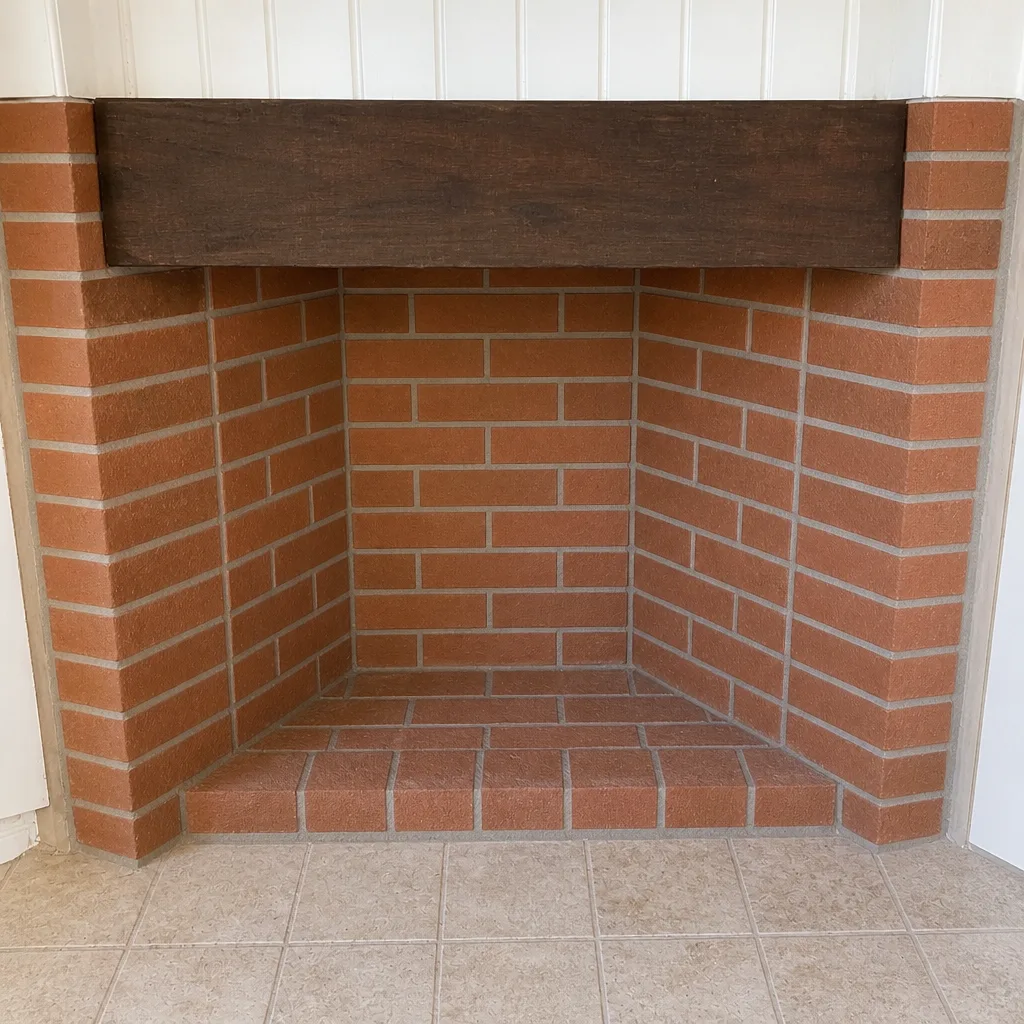
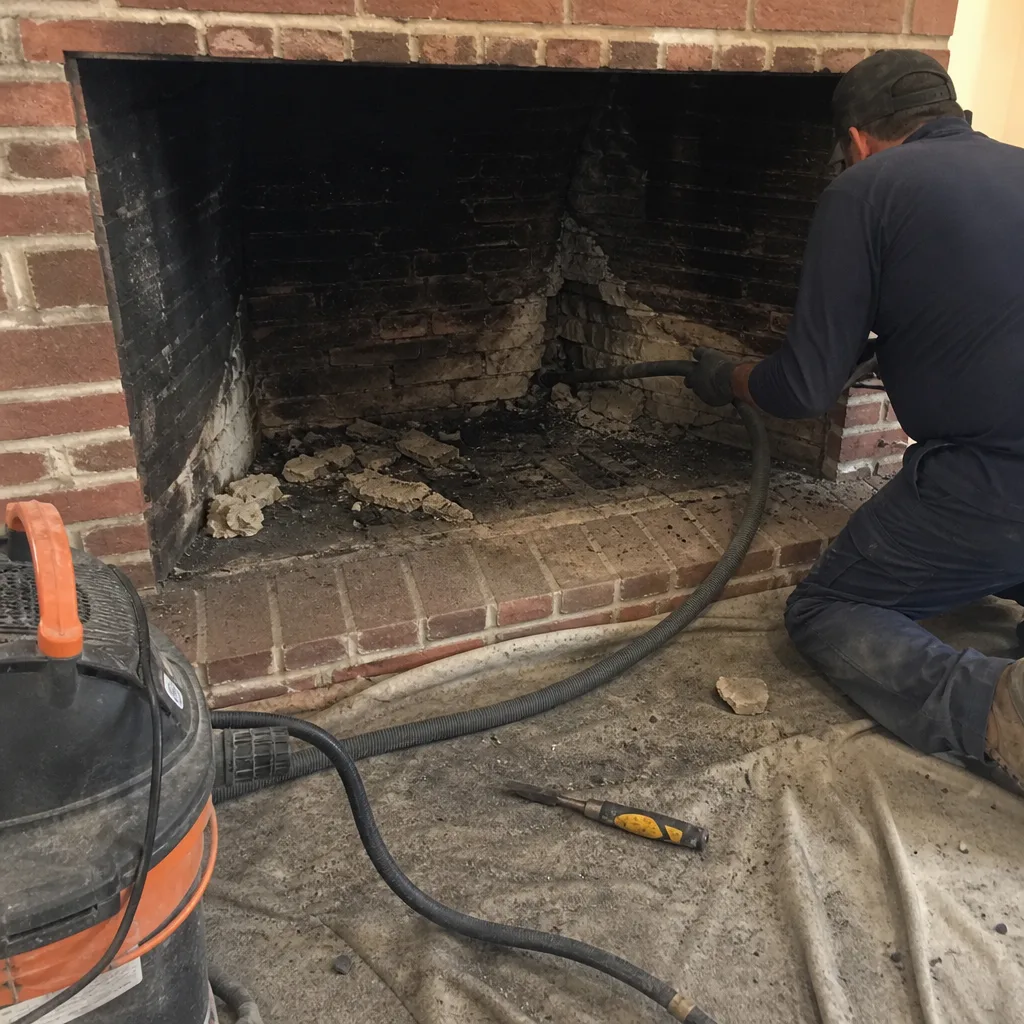
See the difference
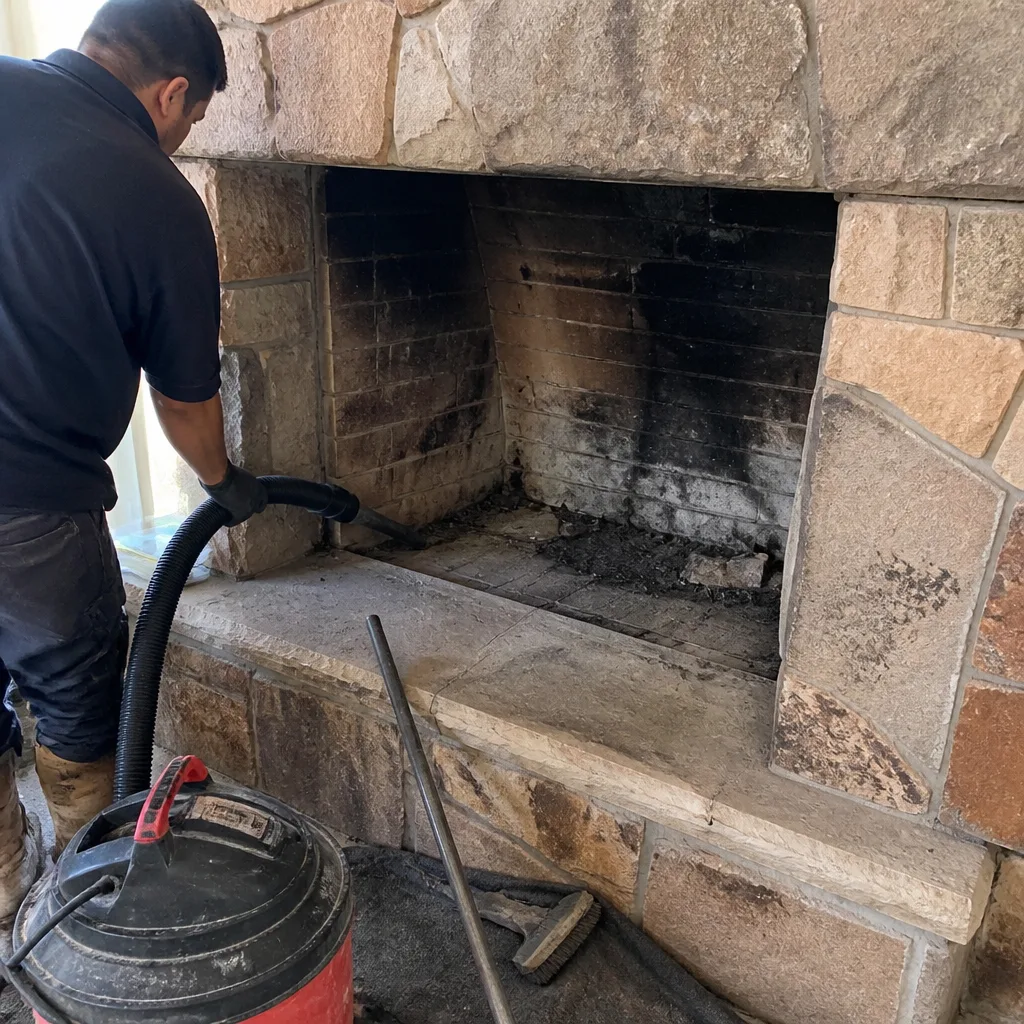 Before
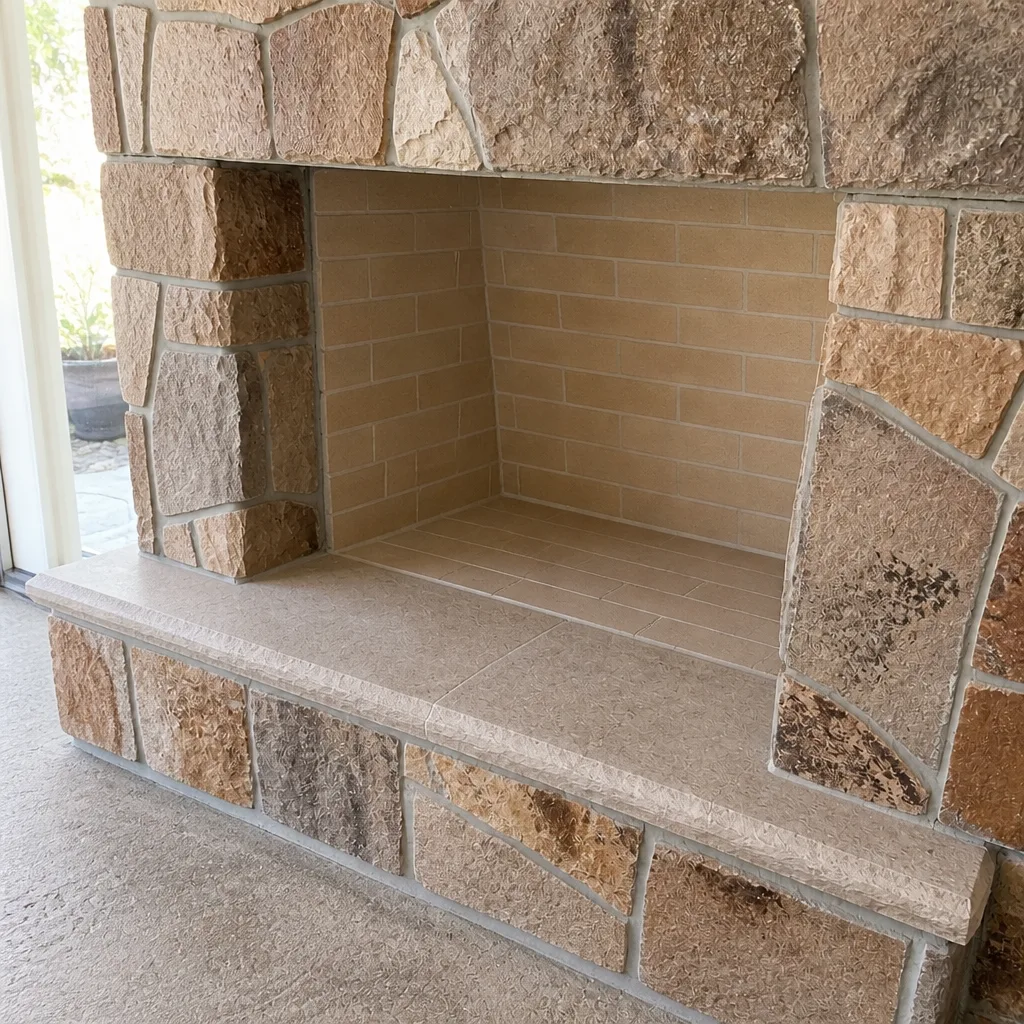 After
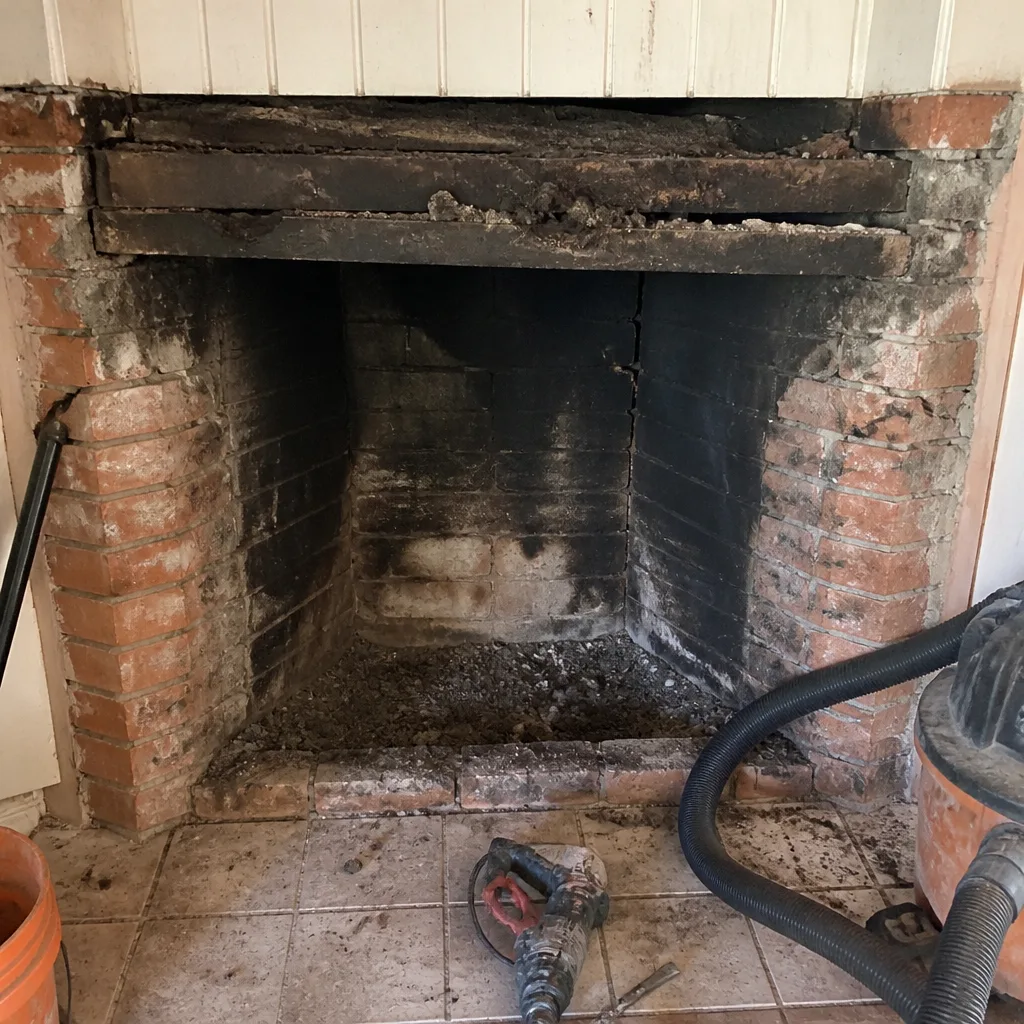 Before
 After
 Before
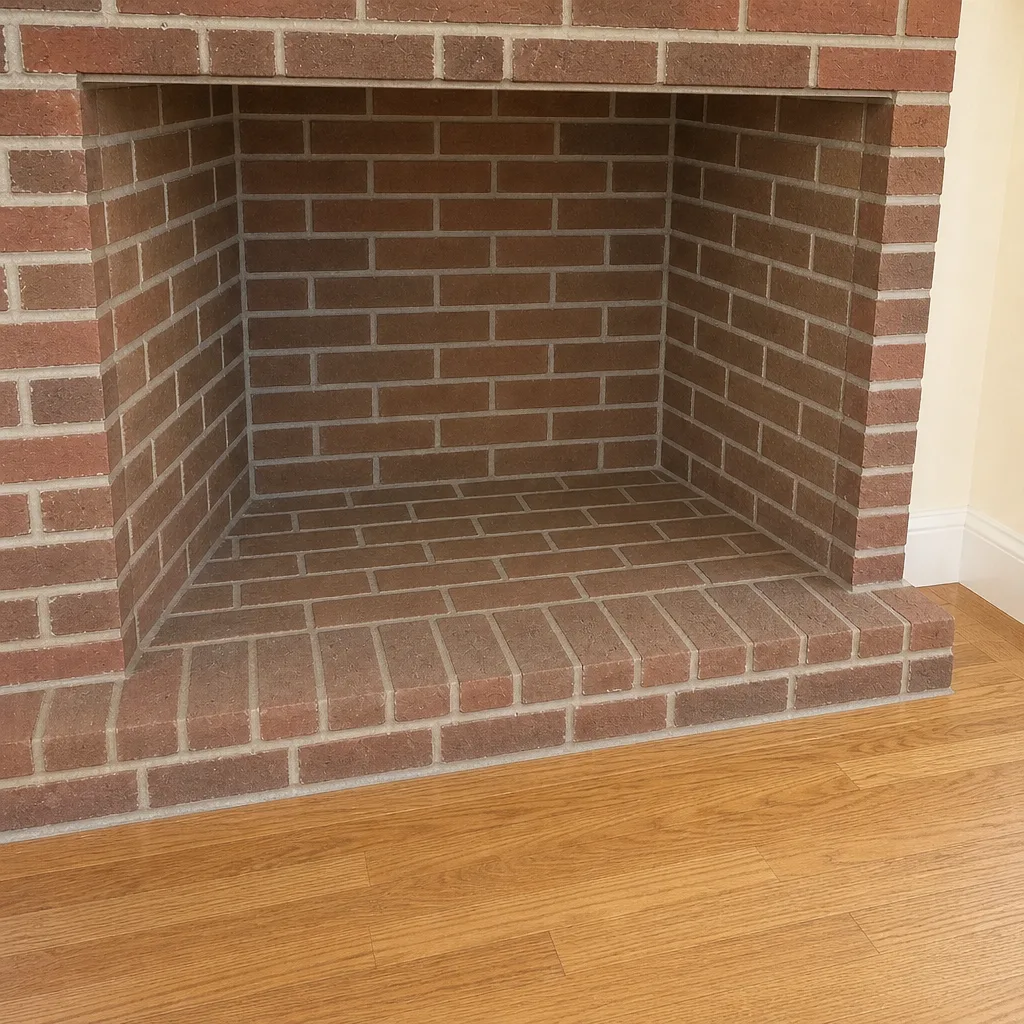 After
When to Call a Professional
Call a professional when you haven’t had the chimney inspected in a year or more, when you’ve noticed draft problems or smoke backing into the room, when you see cracked masonry or a damaged crown, or when you’re buying a home with an older masonry chimney and don’t know its history. Call before burning season, not after a problem shows up. Call if a previous contractor’s work is failing and you want a second look with camera evidence. And call if you simply don’t know what’s in your flue, because that’s the most common starting point. Lancaster Chimney Cleaning offers free estimates in North Las Vegas. Call (855) 769-1102. We answer 24/7. Fast dispatch from 7am to 7pm, Sunday through Friday.
Frequently Asked Questions
A professional contractor should be able to name specific chimney supply brands for each product category. For liner work, HeatShield for resurfacing and DuraFlex for flexible liner systems are the professional standard. For caps and venting components, Gelco and Famco supply purpose-built hardware. Olympia Chimney and Copperfield round out the professional supply channel. If a contractor can’t name brands in each category, ask why. Call (855) 769-1102 for an exact quote; estimates are free.
A chimney sweep is priced per job by a written estimate, and the estimate is free. The price depends on the flue’s condition, access, and whether a camera inspection is included. We don’t quote a number before seeing the chimney, because the honest answer depends on what’s in it. Call (855) 769-1102 for an exact quote; estimates are free.
It depends on the structural condition of your flue. HeatShield ceramic resurfacing restores a deteriorated but structurally sound flue from the inside, and it’s a code-compliant alternative to a full liner replacement when the flue qualifies. If the flue is structurally compromised or undersized, a DuraFlex flexible liner system is the professional solution. A camera inspection tells you which applies. Nothing is recommended without camera evidence you can see. Call (855) 769-1102 for an exact quote; estimates are free.
Once a year is the standard baseline for a wood-burning chimney in use, and more often if you burn heavily. In North Las Vegas, the dry climate and intense sun accelerate wear on exterior components like crowns and caps, so the annual visit is also when those get checked. A sweep before burning season is the routine. Call (855) 769-1102 for an exact quote; estimates are free.
Creosote accumulates in the flue, and creosote is what fuels chimney fires. A blocked or damaged flue can also let carbon monoxide into the home. Those are the real risks, and they build up quietly. The annual sweep and inspection are how you catch problems while they’re still small repairs. Call (855) 769-1102 for an exact quote; estimates are free.
Yes, because a cap is exposed hardware. A purpose-built stainless cap from a brand like Gelco or Famco is made for chimney service and holds up to UV, dust, and monsoon rain. A generic cover rusts, warps, or blocks the flue. During a sweep we check the cap and chase cover along with the flue. Call (855) 769-1102 for an exact quote; estimates are free.
The Bottom Line
The materials in chimney work decide how long a repair lasts, and in North Las Vegas the desert climate makes that difference plain. Ask what product goes on your crown, in your smoke chamber, in your flue, and on your cap. Expect specific answers: HeatShield for resurfacing, DuraFlex for flexible liners, Gelco and Famco for caps and venting. A professional names the brands, explains why they fit your chimney, and shows camera evidence for the recommendation. A lowest-cost operator stays vague. You don’t need to be a chimney expert to hold a contractor accountable. You need seven questions, a written estimate, and the willingness to compare materials, not just price.
If you’re ready for a free estimate in North Las Vegas, call Lancaster Chimney Cleaning at (855) 769-1102. We answer 24/7. Fast dispatch from 7am to 7pm, Sunday through Friday, and we’re closed on Saturday. Our technicians have up to 15 years of experience, we work with professional-grade materials from DuraFlex, HeatShield, Gelco, Olympia Chimney, Famco, and Copperfield, and every recommendation is backed by camera evidence you can see for yourself.
Written by the team at Lancaster Chimney Cleaning.