
Last updated November 16, 2026
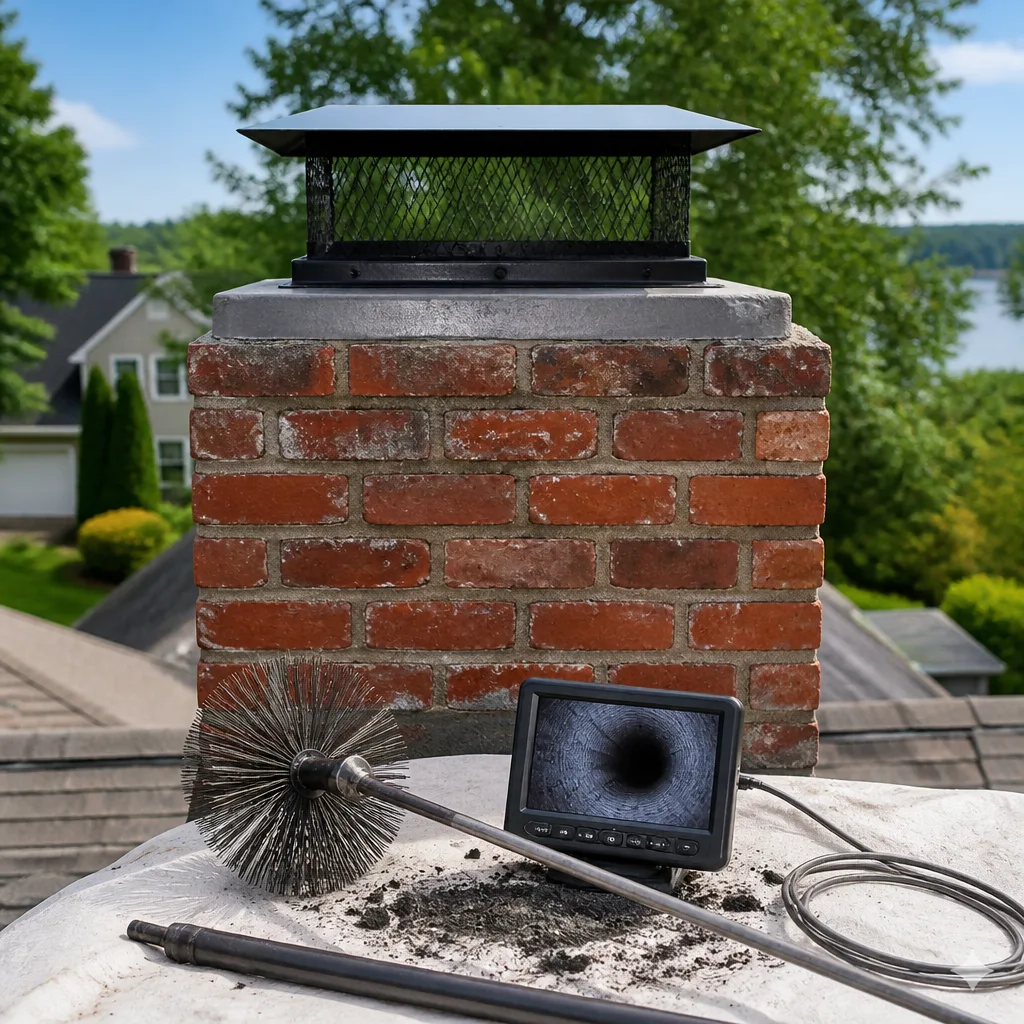 Sweep & inspection
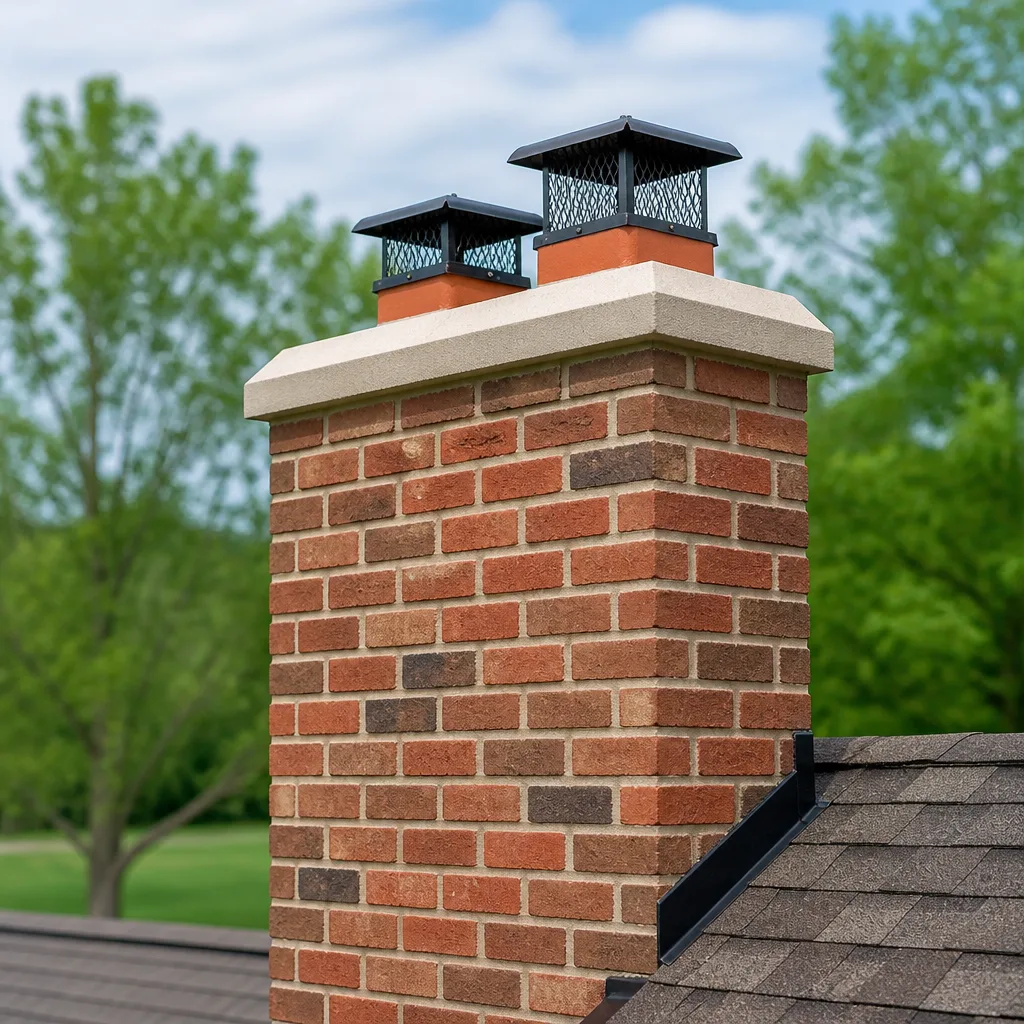 Caps & crowns
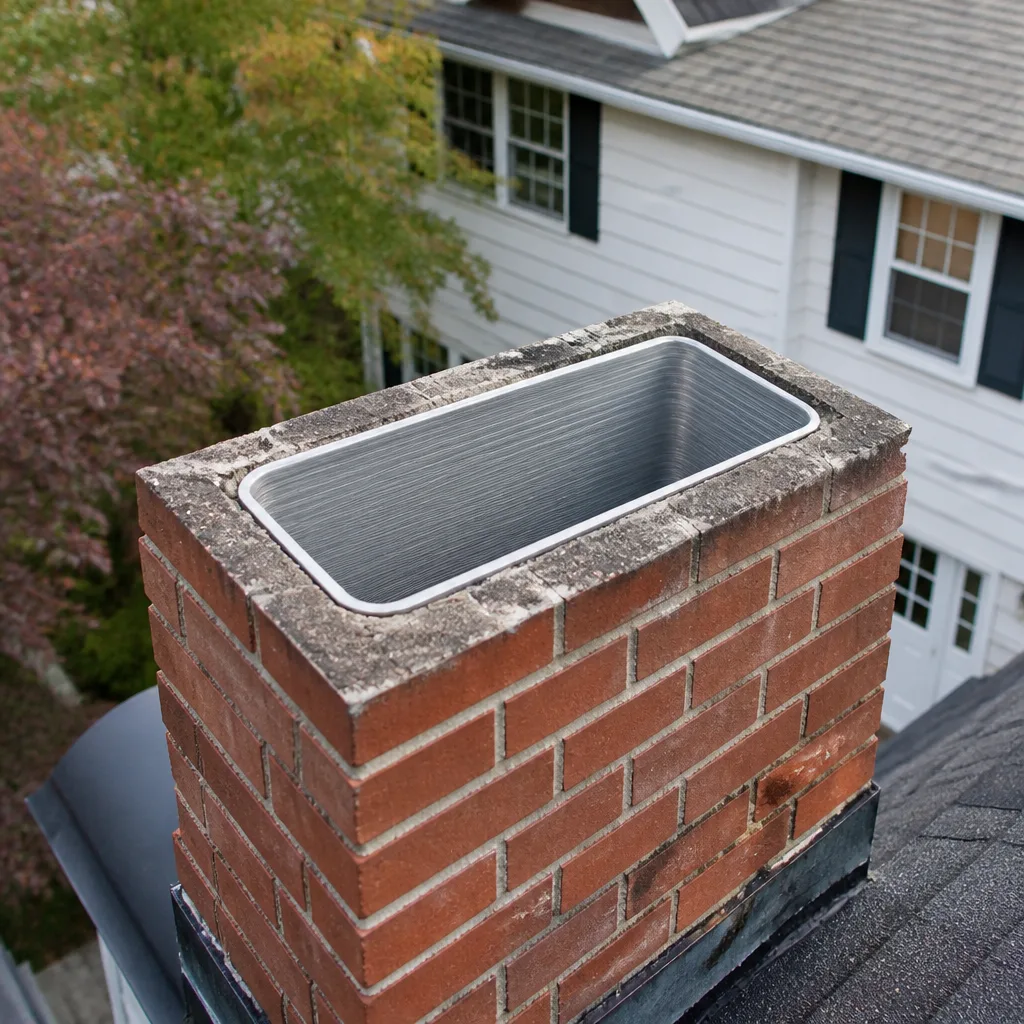 Flue relining
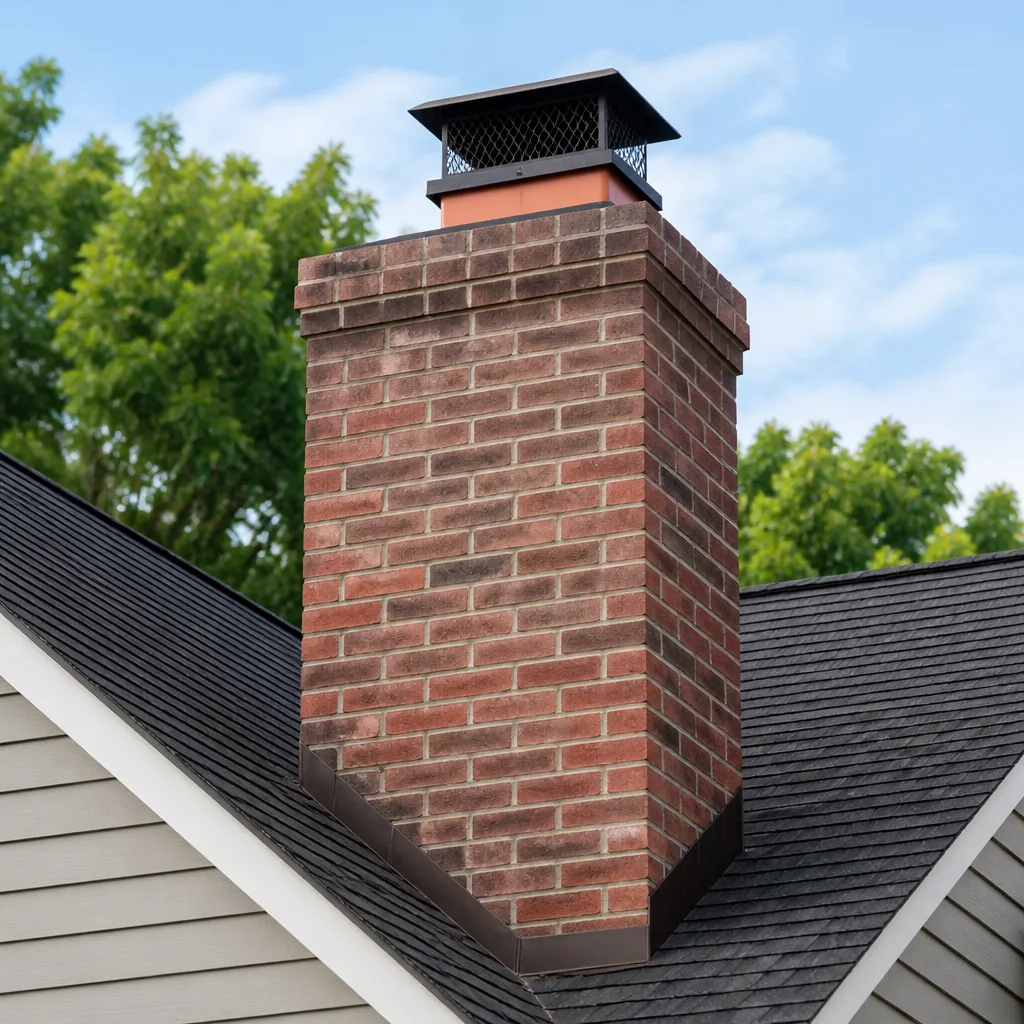 Masonry repair
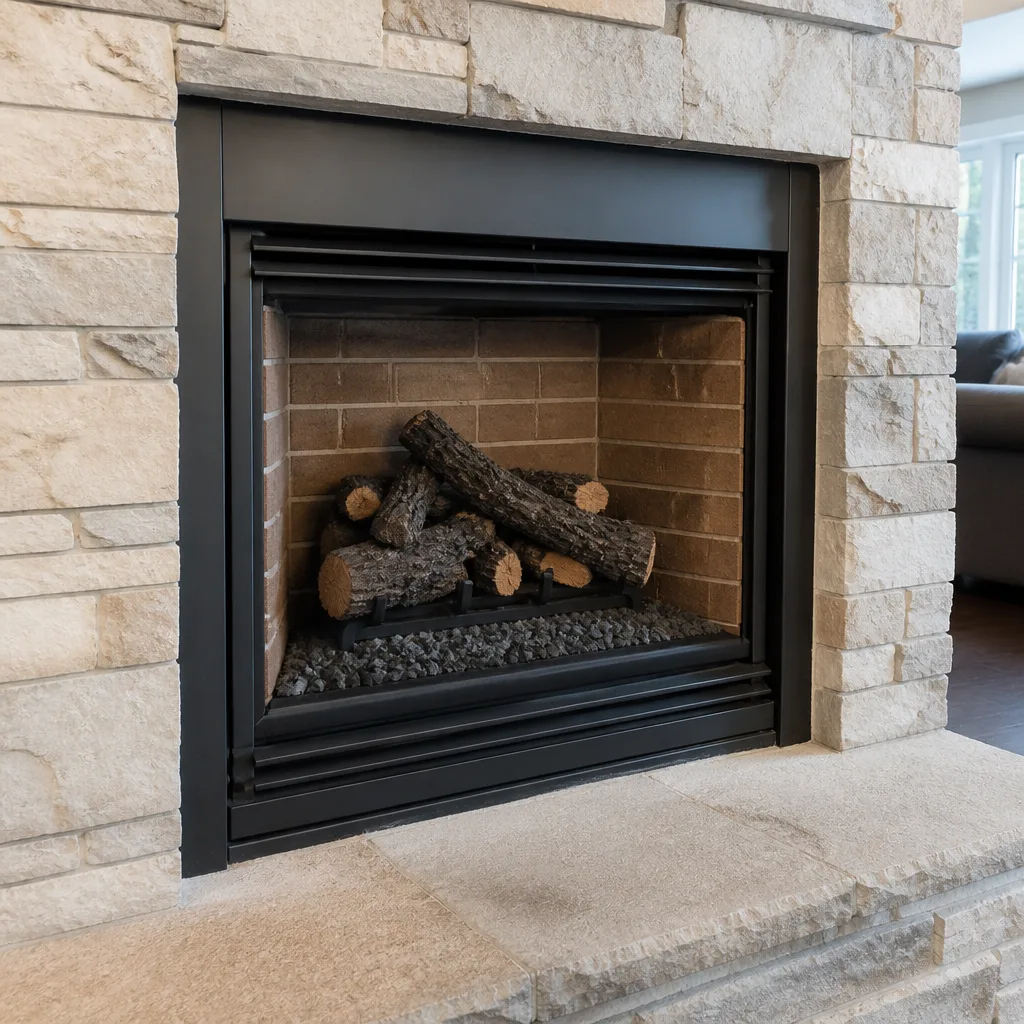 Gas fireplace service
Level 1 sweep and inspection to the NFPA 211 annual standard - flue, crown, cap, and flashing checked and photographed
Chimney sweep logs do not sweep chimneys. They loosen some creosote - which then falls where a brush and vacuum still have to collect it.
DIY vs Professional Chimney Cleaning: The North Las Vegas Homeowner’s Decision Guide
A chimney brush kit costs less than a tank of gas. It slides down the flue, scrubs the walls, and comes back gray with soot. The fire draws better, and for a few weeks everything feels handled. Here’s the uncomfortable part: the brush just cleaned your chimney without telling you whether your chimney is safe. Cleaning and evaluating are two different jobs, and only one of them keeps carbon monoxide out of your living room. In a desert valley where summer heat bakes masonry and winter brings its own weather swings, that distinction matters more than it does in milder climates. This guide breaks down what a homeowner in North Las Vegas can reasonably do, what genuinely requires trained eyes and instruments, and where the line between the two sits.
Quick Answer
A homeowner can safely handle exterior visual checks, cap inspection from the ground, and ash removal from the firebox. Anything involving the flue interior, the smoke chamber, liner integrity, or creosote staging needs a professional sweep and inspection. DIY brushing removes loose soot but can’t evaluate whether your chimney is safe to use, which is the more important of the two jobs.
Styles & brands we work with
- Sweep & inspection
- Caps & crowns
- Flue relining
- Masonry repair
- Gas fireplace service
Table of Contents
- What DIY Chimney Brushing Can and Can’t Accomplish
- The Tools That Change the Diagnostic Picture
- Desert-Specific DIY Risks in North Las Vegas
- When DIY Cleaning Masks a Bigger Problem
- An Honest Framework: What Homeowners Can Do vs. What Needs a Pro
- DIY vs Professional Sweep: A Realistic Cost Comparison
- Chimney Care Across North Las Vegas Neighborhoods
- Common Mistakes to Avoid
- When to Call a Professional
- Frequently Asked Questions
What DIY Chimney Brushing Can and Can’t Accomplish
DIY brushing does one thing well: it removes loose soot, light surface ash, and some early-stage creosote from the flue walls. A homeowner with the right brush size and a proper rod set can accomplish that much. What a brush cannot do is evaluate. It removes material, it doesn’t measure it.
Here’s the split between what brushing handles and what needs a trained eye:
- Can accomplish: Removing loose soot and light ash from flue walls; clearing a simple top-down obstruction like a loose leaf pile or bird nest caught near the crown.
- Cannot assess: Liner integrity – whether cracks, gaps, or spalling have opened a path for combustion gases into the structure.
- Cannot assess: Smoke chamber condition – the sloped transition above the damper that often hides heavy, glazed creosote deposits.
- Cannot assess: Creosote stage – stage 1 (flaky soot), stage 2 (glazed and hardened), and stage 3 (heavy, tar-like) each need different treatment, and the difference isn’t visible with a flashlight up the firebox.
- Cannot assess: Draft performance – whether the chimney is actually pulling combustion gases up and out under real operating conditions.
For a homeowner in North Las Vegas who heats or decorates with a wood-burning fireplace, the cleaning part is real work. The evaluation is the part that determines whether you should light the next fire. A brush leaves the flue cleaner; a professional assessment leaves the homeowner informed. Those aren’t the same deliverable, and only one of them is a safety decision.
The Tools That Change the Diagnostic Picture
The gap between DIY and professional chimney work isn’t effort or elbow grease. It’s instrumentation. A trained technician arrives with tools that answer questions the brush can’t even ask. Here are the four that matter most in our experience:
- Video inspection cameras. A camera on a rod runs the length of the flue and shows liner joints, cracks, gaps, and off-sets that no flashlight beam from the firebox can reveal. The technician sees the chimney from the inside, from top to bottom.
- Draft gauges. These measure whether the chimney is pulling combustion gases at the right pressure. A flue can look spotless and still draft poorly because of geometry, blockage, or pressure imbalance in the house.
- Carbon monoxide meters. CO is the reason chimney work exists as a safety discipline. A meter confirms whether combustion gases are escaping into living space during a test burn.
- Liner probes. A probe checks the wall thickness and structural integrity of the liner itself. A brittle or delaminated liner passes a visual check but fails under a probe, and that difference tells the technician whether the flue can safely vent a fire.
When we run an inspection in North Las Vegas, those tools together produce a complete picture: what the flue looks like, whether it drafts, whether anything is leaking, and whether the liner can take another season. That picture is what we work from, and it’s what lets us recommend a specific repair rather than a guess. If a flue needs a flexible liner, we pull the same professional-grade systems – DuraFlex for flexible relining, HeatShield for ceramic resurfacing when the liner is structurally sound but the surface has failed – that chimney professionals specify nationwide. The instrumentation decides which one; the brand is just the tool we use once the diagnosis is made.
Desert-Specific DIY Risks in North Las Vegas
Chimney care in the Mojave is different from chimney care in wetter climates, and DIY carries risks here that don’t exist elsewhere. The dry air and intense sun bake masonry. The same heat that makes our summers brutal on stucco and mortar also works on chimney crowns and liners, driving hairline cracks open a little faster than coastal climates do. A DIY sweep that brushes past those cracks is fine – brushing doesn’t make them worse – but brushing without inspecting means those cracks go unaddressed all season.
The bigger local issue is wildlife. North Las Vegas sits against open desert and near the Muddy Mountains, and chimney tops are attractive nesting sites for birds, bats, and squirrels. If a DIY brush run meets a nest – living or abandoned – a homeowner can disturb animals that are legally protected in Nevada, and can expose themselves to droppings that carry respiratory risk. The protocol for safely removing a nest isn’t something to figure out with a brush and a ladder. It’s a professional job, and it often requires attention to both the animal and the flue afterward.
Two more desert-specific considerations:
- Dust and ash accumulation. Wind-blown dust layers into fireboxes faster here than in greener climates. That’s good news for the ash-shoveling homeowner (it’s easy to see when the firebox needs a sweep-out) and a reminder that the flue needs periodic cleaning too, even if the fireplace barely ran last season.
- Rapid seasonal use patterns. Desert winters swing from warm afternoons to genuinely cold nights, so a fireplace may run hard for a two-week cold snap and sit idle the rest of the season. That pattern (bursts of heavy use followed by months of disuse) builds creosote unevenly and rewards a real inspection after each heating season.
If you’re unsure whether your chimney has wildlife or cracking issues, that’s a reasonable point to bring in a trained eye. You can reach our team at (855) 769-1102 and we’ll walk you through what an inspection would cover in your situation.
When DIY Cleaning Masks a Bigger Problem
This is the case that keeps chimney professionals up at night, and it’s the strongest argument for professional inspection even if you self-clean. A DIY sweep makes the fire burn better. Better draw, less smoke spillage, fewer complaints from the living room. What improved draw can also do is mask a draft problem that would otherwise have driven the homeowner to call for help.
Here’s how the masking works in practice:
- Stage 1: The fire draws poorly because of a partial blockage (nest debris, glued creosote, an off-set in the flue). The homeowner sweeps the firebox and lower flue, partially clearing the path.
- Stage 2: Draw improves. The chimney feels fixed. The homeowner settles in for the season.
- Stage 3: A Level 2 problem (a compromised liner, a failed joint, a smoke chamber issue) sits undetected for the full heating season. Combustion gases have a path they shouldn’t have.
- Stage 4: The homeowner eventually notices something and calls for help. The problem is now bigger than it was, and the repair is more involved than a Level 2 inspection would have caught.
Level 2 and Level 3 problems are quieter than the ones that get caught with a brush. A hairline crack in a liner wall doesn’t announce itself. A deteriorated smoke chamber doesn’t look different from the outside. A slight draft deficit that tilts toward the house under certain wind conditions doesn’t show up on a homeowner’s radar. It shows up on a draft gauge. That’s the entire case for professional inspection: the invisible problems are the ones worth paying to find.
An Honest Framework: What Homeowners Can Do vs. What Needs a Pro
We don’t think every chimney task belongs in the professional column. Some work is reasonable for a careful homeowner, and pretending otherwise isn’t honest. Here’s the split we actually use when talking to homeowners in North Las Vegas:
Tasks a careful homeowner can handle
- Exterior visual checks. From the ground, look at the chimney crown for obvious cracking or missing mortar. Look at the flashing where the chimney meets the roof line. Look for obvious lean or missing bricks.
- Cap inspection from a safe vantage point. If you can see the cap from ground level or a window without climbing, check that it’s still attached and the screen is intact. A missing or damaged cap is one of the most common causes of wildlife entry in North Las Vegas.
- Ash removal from the firebox. Shovel out cooled ash, keep a light ash bed, and dispose of ash in a metal container away from combustibles.
- Seasonal operational checks. Before the first fire of the season, check that the damper opens and closes freely and that nothing visible is blocking the firebox.
Tasks that need a professional with the right tools
- Flue cleaning. Not because a homeowner can’t physically brush a flue, but because a proper sweep uses correctly sized brushes, drop cloths, and HEPA-rated vacuums that keep soot out of the home.
- Any inspection past Level 1. A camera-based inspection of the flue interior is a specialist task.
- Nest removal and wildlife handling. This is a legal and health issue in Nevada, not a nuisance call.
- Smoke chamber and damper assessment. These are visible only with the right access and tools.
- Any repair recommendation. A cap, a liner, or a crown repair should follow an actual diagnosis, not a homeowner’s guess.
The line is serviceable: a homeowner can watch, clear, and maintain from the outside. The flue and everything above the damper is where a trained technician earns their keep. If you’re anywhere on that line and unsure which side you’re on, a professional chimney sweep is the clean starting point.
DIY vs Professional Sweep: A Realistic Cost Comparison
Cost is often the reason homeowners consider DIY in the first place. The honest answer is that the comparison depends on what you’re trying to accomplish. Cleaning alone is cheaper to DIY. Cleaning plus evaluation isn’t comparable, because the two services deliver different things.
- DIY brush kit: A basic homeowner kit with a brush and rods runs dozens of dollars, not hundreds. What you’re paying for is the physical object plus your own time and risk.
- DIY cleanup costs: Drop cloths, masks, and household clean-up after a self-sweep can add up, and soot distribution is a real inconvenience.
- Professional sweep: A standard sweep for a residential chimney typically runs in the low-to-mid hundreds, varies by chimney type and access, and is set by a written estimate so there are no surprises. The estimate is free.
- Professional inspection: Often bundled or offered separately, with the level of inspection driving the price. A Level 1 visual check is less involved than a camera-based Level 2.
Where the cost math gets genuinely useful is in the consequence comparison. A professional sweep plus inspection costs a few hundred dollars. Repairing a liner that went unaddressed for a season, or addressing a smoke chamber issue that required a larger intervention than it originally would have, runs far more. That’s not a scare tactic – it’s how maintenance economics work on any system. The cheap version done twice costs more than the right version done once.
If cost is the concern, ask for a free written estimate before you decide. We’ll tell you what the sweep involves in your specific chimney and what a proper inspection would add. Call (855) 769-1102 to get a chimney repair picture if a DIY sweep has already revealed a problem.
Chimney Care Across North Las Vegas Neighborhoods
North Las Vegas is a big, varied city, and chimney condition tracks the neighborhood. Older homes in established areas tend to have harder-working masonry chimneys with more seasons behind them, while newer construction in growing corners of the city often has different flashing details and cap styles. The desert environment works on all of them, but the specific vulnerabilities vary.
In the denser, established neighborhoods closer to the city’s older core, we typically see masonry chimneys that have seen enough heating seasons to develop visible crown wear and mortar joint issues. A homeowner there benefits most from an annual Level 1 inspection with a camera look at the liner if anything on the outside shows movement.
In the newer neighborhoods stretching toward the edges of town, the common issues are different: improperly fitted caps that let wildlife in, flashing installed during the build that needs re-sealing after the first big desert temperature swings, and flue components that were adequate but not always well-evaluated. A homeowner there is often dealing with prevention rather than repair, which is the cheaper end of the spectrum.
Across both, the recurring local pattern is that chimneys in North Las Vegas see annual thermal cycling that’s tough on mortar and crown seals, and dry air that keeps creosote in a flaky state longer than humid climates do. That’s good news (flaky creosote is easier to sweep than glazed). It’s also a reason not to wait – the moment creosote glazes, cleaning becomes more involved. If you want to know what your specific chimney needs, an inspection through our North Las Vegas service is the direct answer.
Common Mistakes to Avoid
- Brushing with the wrong sized brush. A brush that’s too small misses the flue walls; one that’s too large can jam and damage the liner. Match the brush to the flue’s actual dimensions, which you can only know with a camera or an accurate measurement.
- Climbing on a roof to inspect a cap or crown. Desert roofs are no less dangerous than any other. If you can see the cap from the ground, you’ve done the check. If you can’t, that’s not a reason to climb – that’s a reason to call.
- Ignoring a nest or “just brushing past it.” In Nevada, disturbing certain wildlife in a chimney can create legal and health problems. This is a professional call, not a DIY one.
- Treating “the fire draws better” as proof the chimney is safe. Improved draft after a DIY sweep is a cleaning result, not a safety result. Draft and safety are related but not identical.
- Skipping the inspection because the brush went in. The brush checks off cleaning. It doesn’t check off the smoke chamber, the liner, or the draft performance. Those checks are the whole point.
- Using a generic hardware-store cap as a replacement. Caps and venting components need to be purpose-built for your flue configuration. Gelco and Famco components exist for this reason – they fit, they vent correctly, and they’re rated for the job, which a generic substitute often isn’t.
- Waiting until mid-winter to think about the chimney. Desert winters can arrive in a hurry, and doing the inspection before the season starts means any repair can happen on your schedule instead of under pressure.
When to Call a Professional
Call us when you’re ready to know what your chimney’s actual condition is, not just what it looks like from the firebox. That includes: a first fire in a new-to-you home, a DIY sweep that improved draw but left you unsure whether the flue is safe, any sign of wildlife in the chimney, visible exterior cracking or crown damage, a persistent smoky smell in the house, or a fireplace that hasn’t been inspected in more than a couple of seasons. Each of those is a point where the diagnostic tools change what you know. Lancaster Chimney Cleaning offers free estimates in North Las Vegas – call (855) 769-1102. We answer 24/7. Fast dispatch from 7am to 7pm, Sunday through Friday.
Frequently Asked Questions
You can safely remove ash from the firebox, do exterior visual checks from the ground, and inspect the cap from a safe vantage point. Cleaning the flue interior and evaluating its condition requires a professional, because brushing can’t assess liner integrity, smoke chamber condition, or draft performance. If the flue needs actual cleaning, book a professional sweep.
A sweep cleans; an inspection evaluates. The sweep removes soot and creosote from the flue walls. The inspection uses a camera, draft gauge, CO meter, and liner probe to determine whether the flue is safe to use. A proper professional visit does both, which is the real advantage over DIY brushing alone.
Most wood-burning chimneys should be swept annually or roughly every cord of wood burned, whichever comes first. Desert use patterns with intense cold snaps mean a chimney can build creosote unevenly, so annual inspection is the safest baseline. The specifics depend on how much you burn and how the flue is configured – a professional sweep and inspection will give you the exact answer for your chimney.
Creosote accumulates on the flue walls and, once glazed, becomes harder to remove and more of a fire risk. Liner cracks or gaps that go unaddressed allow combustion gases into the home. Skipping cleaning and inspection doesn’t cause an immediate problem, but it removes the annual early-warning system that catches problems while they’re still cheap to fix. Call (855) 769-1102 for a free estimate – a sweep is the way to close that gap.
The brushing itself usually isn’t dangerous. The danger is in what it misses. A homeowner who brushes the flue and assumes the chimney is now safe may be skipping the very inspection that would have caught a compromised liner or blocked smoke chamber. The brush doesn’t create risk; it can hide it.
A professional sweep cleans the flue with correctly sized brushes and HEPA-rated vacuums, then inspects using cameras, draft gauges, CO meters, and liner probes. The visit ends with a clear report of what was found and what, if anything, needs repair. That report is the deliverable – it’s what lets you make a decision about the chimney with actual information instead of a guess.
The Bottom Line
DIY chimney brushing is a reasonable maintenance habit, not a substitute for inspection. It removes soot and light creosote, and for the homeowner who just needs a faster-drawing fire in North Las Vegas, it may be enough. What it can’t do is tell you whether the chimney is safe – that’s the job the brush leaves undone, and the one that matters most. The honest framework is simple: handle the exterior checks, the ash removal, and the cap inspection. Book the professional sweep and inspection for the flue and everything above the damper. That’s where the camera, draft gauge, and liner probe earn their place, and where the difference between clean and safe gets decided. Call (855) 769-1102 for a free estimate. We answer 24/7. Fast dispatch from 7am to 7pm, Sunday through Friday.
Written by the team at Lancaster Chimney Cleaning.
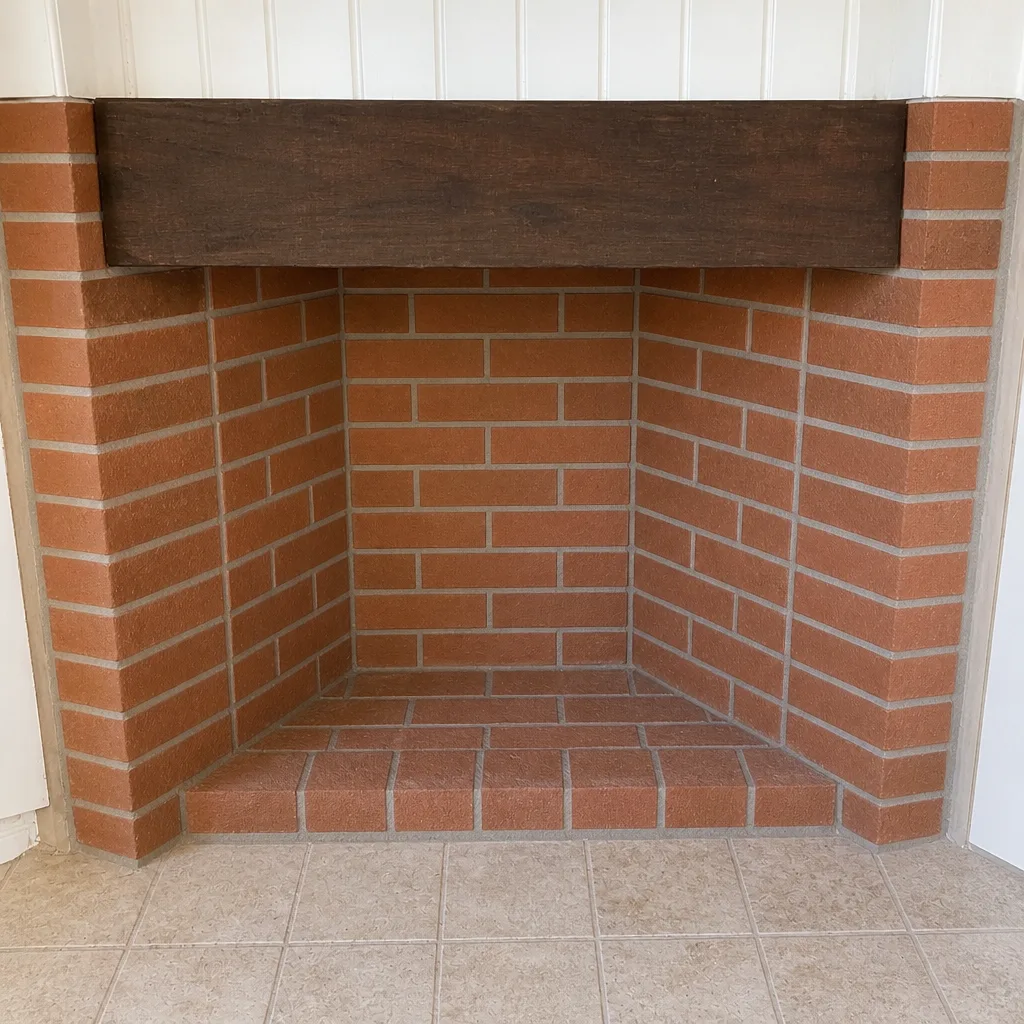
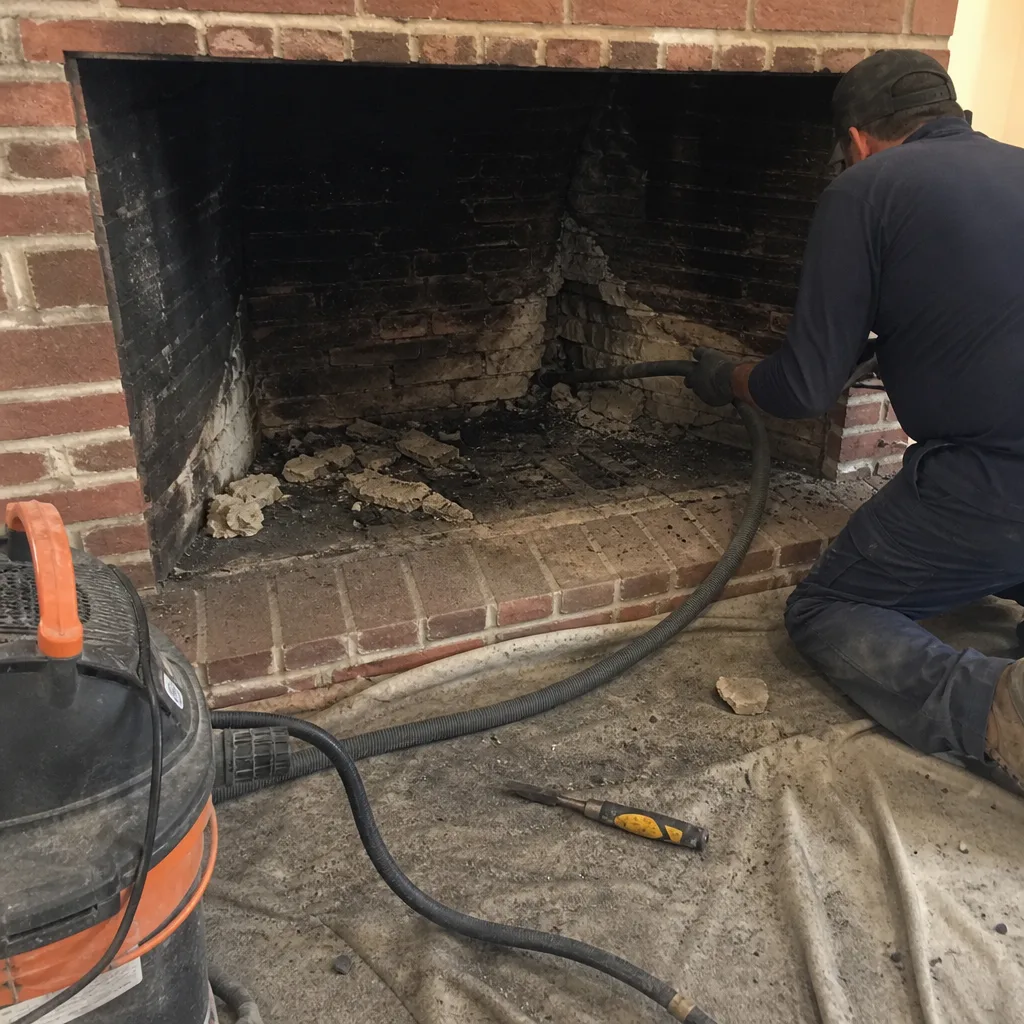
See the difference
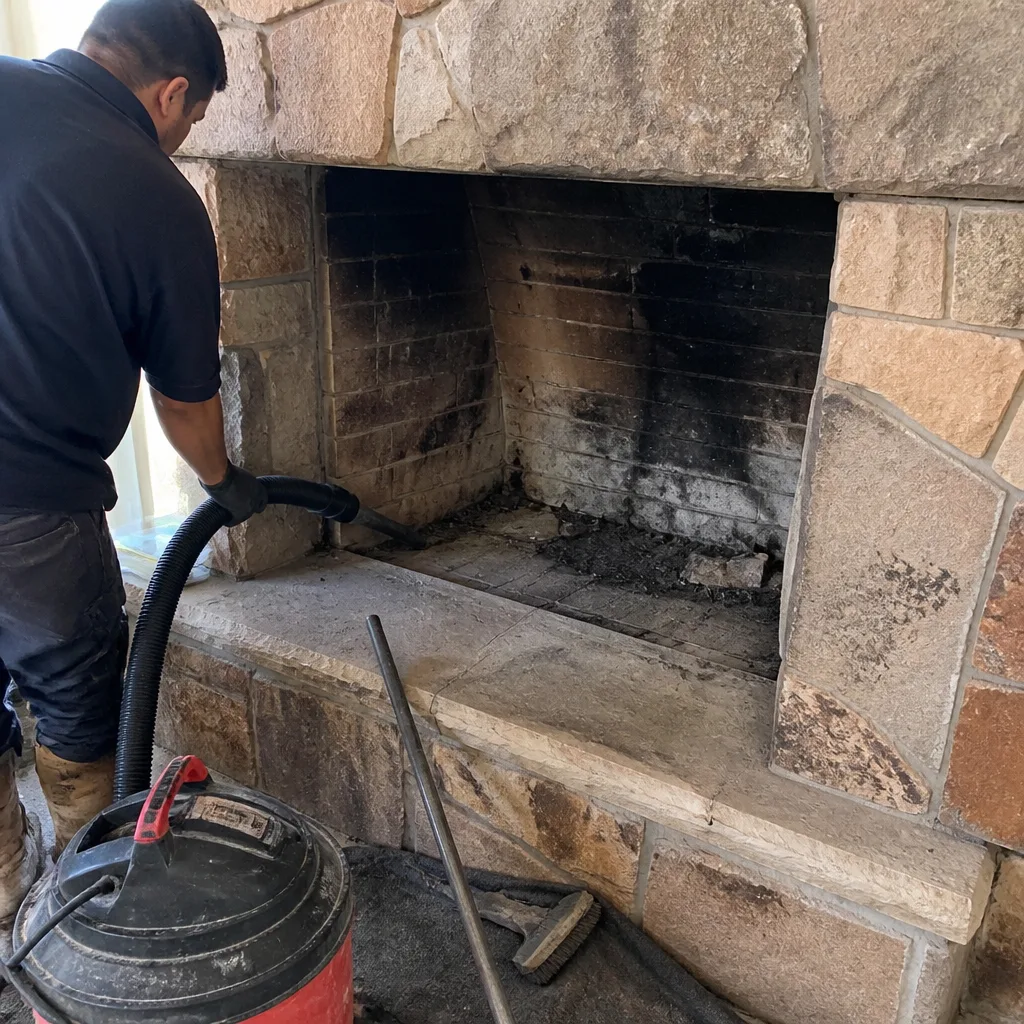 Before
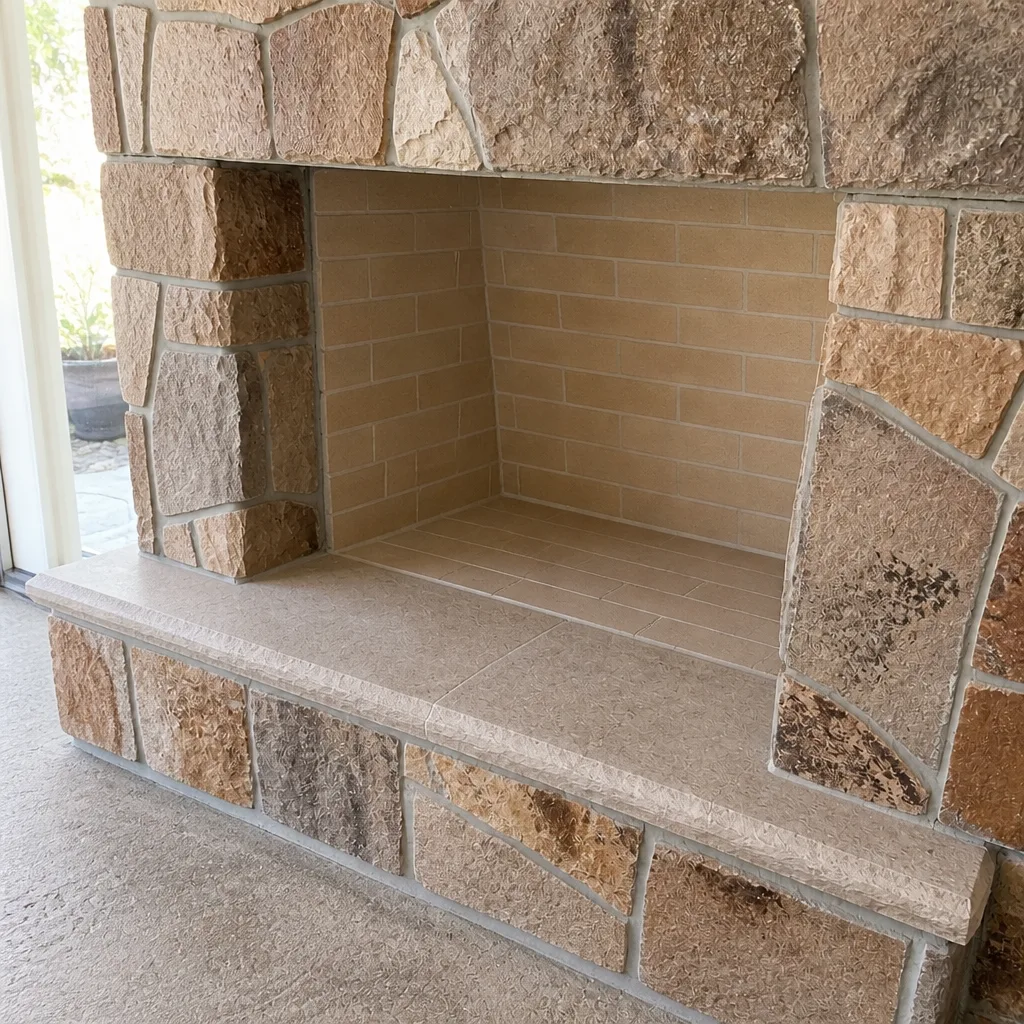 After
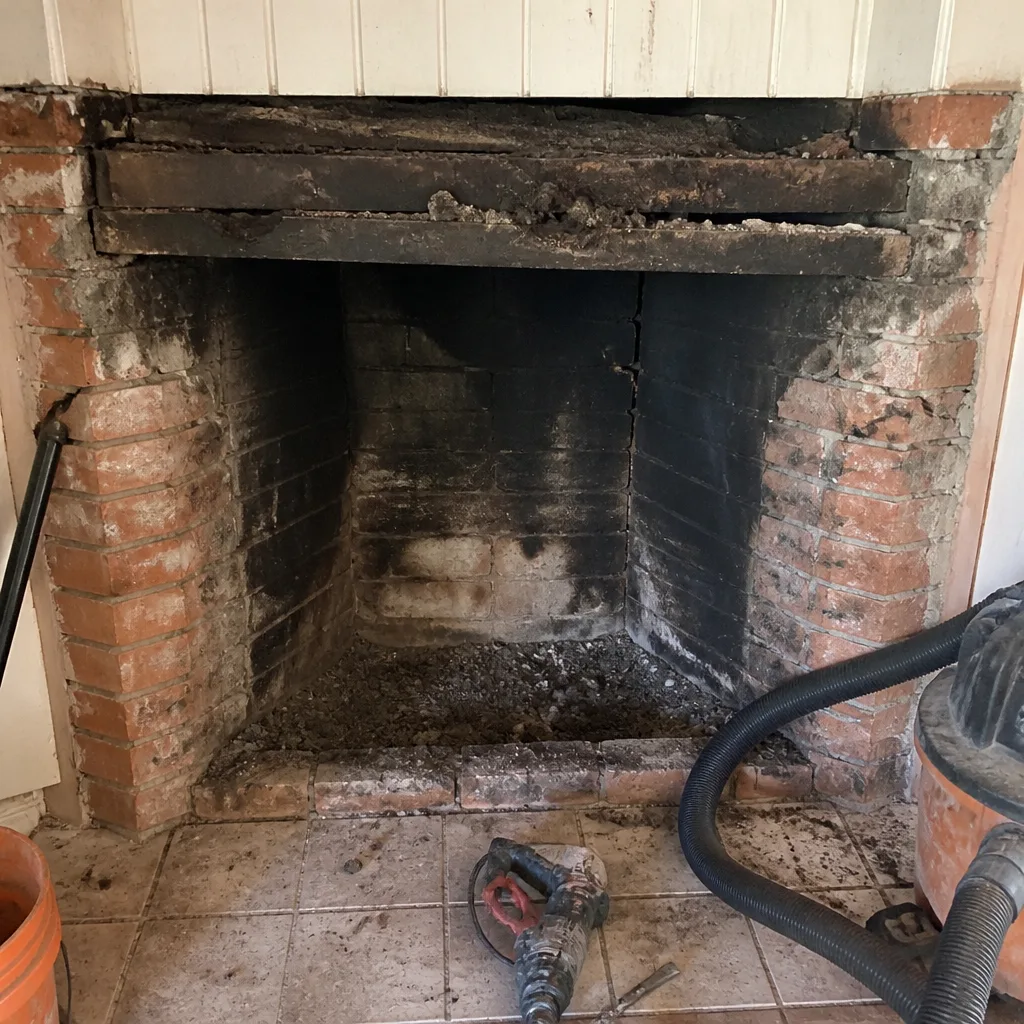 Before
 After
 Before
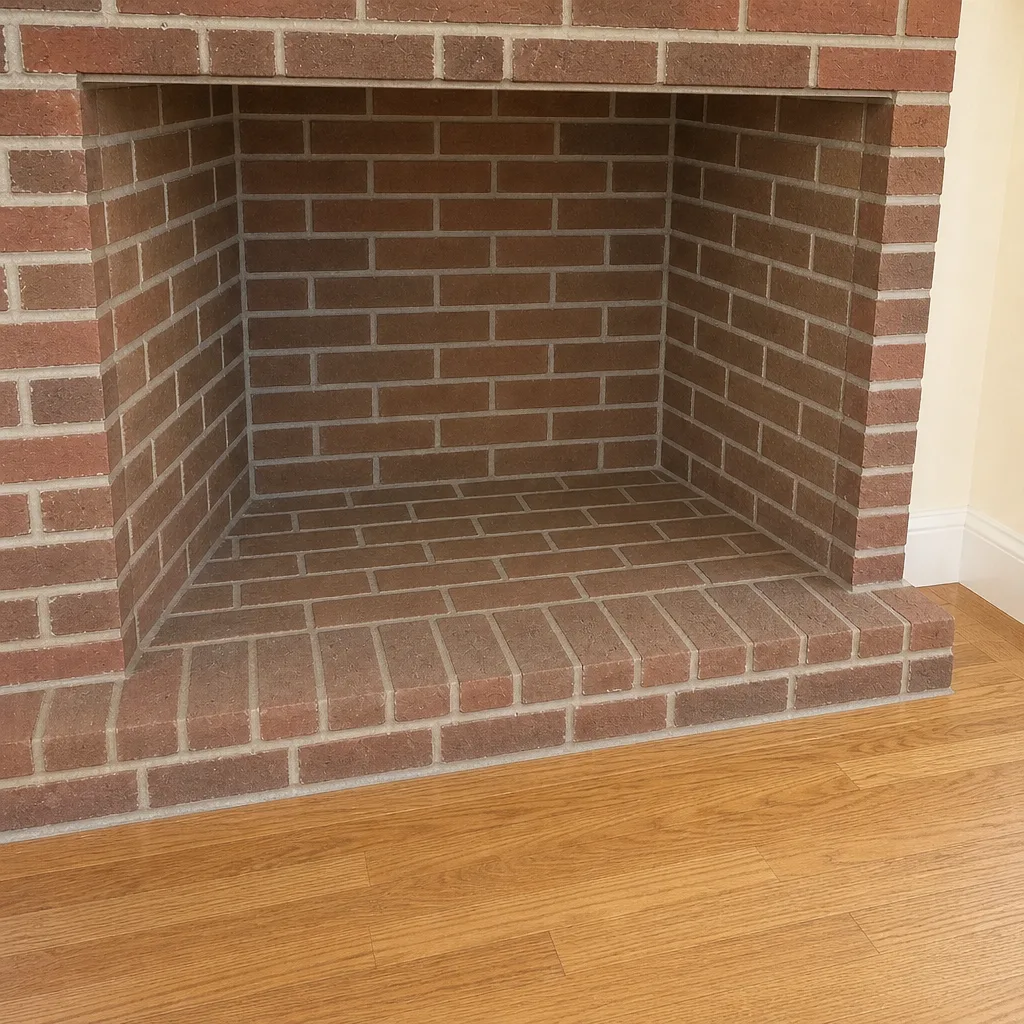 After