
Last updated November 16, 2026
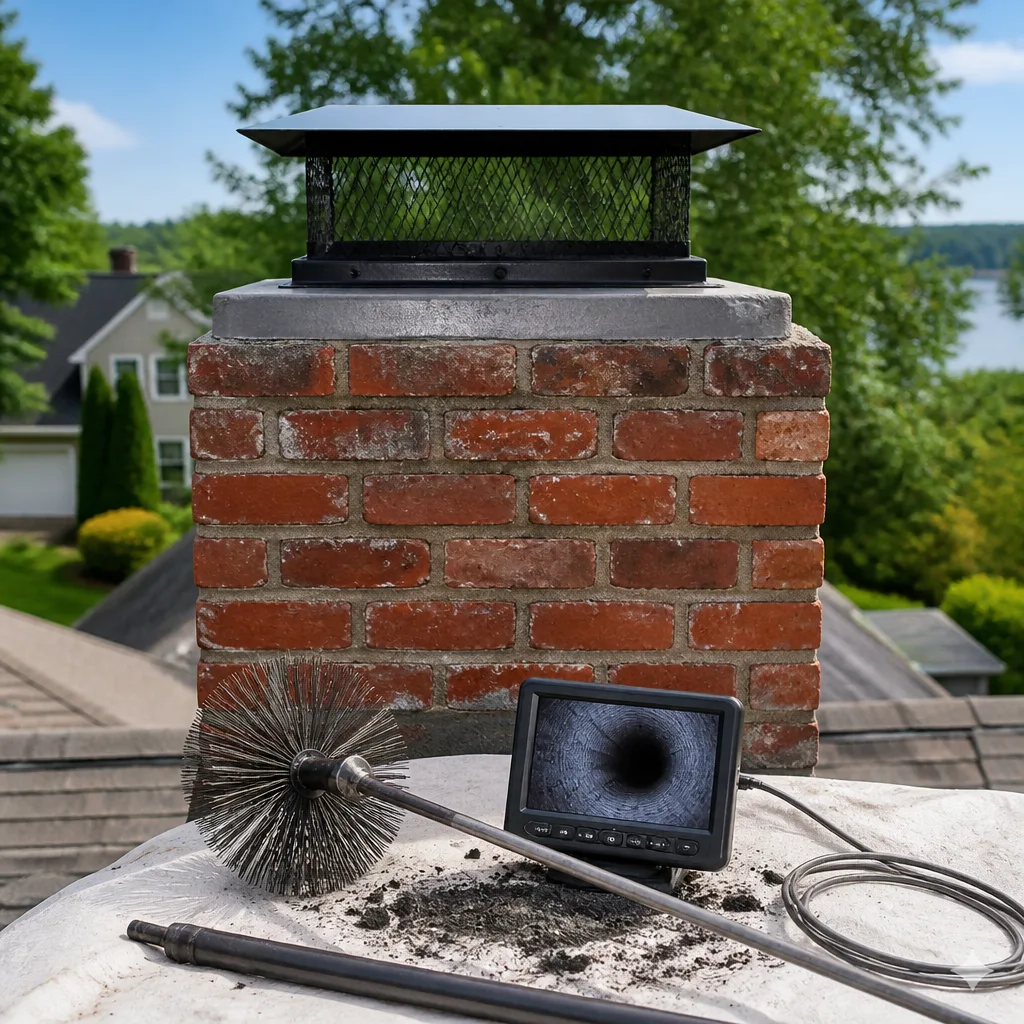 Sweep & inspection
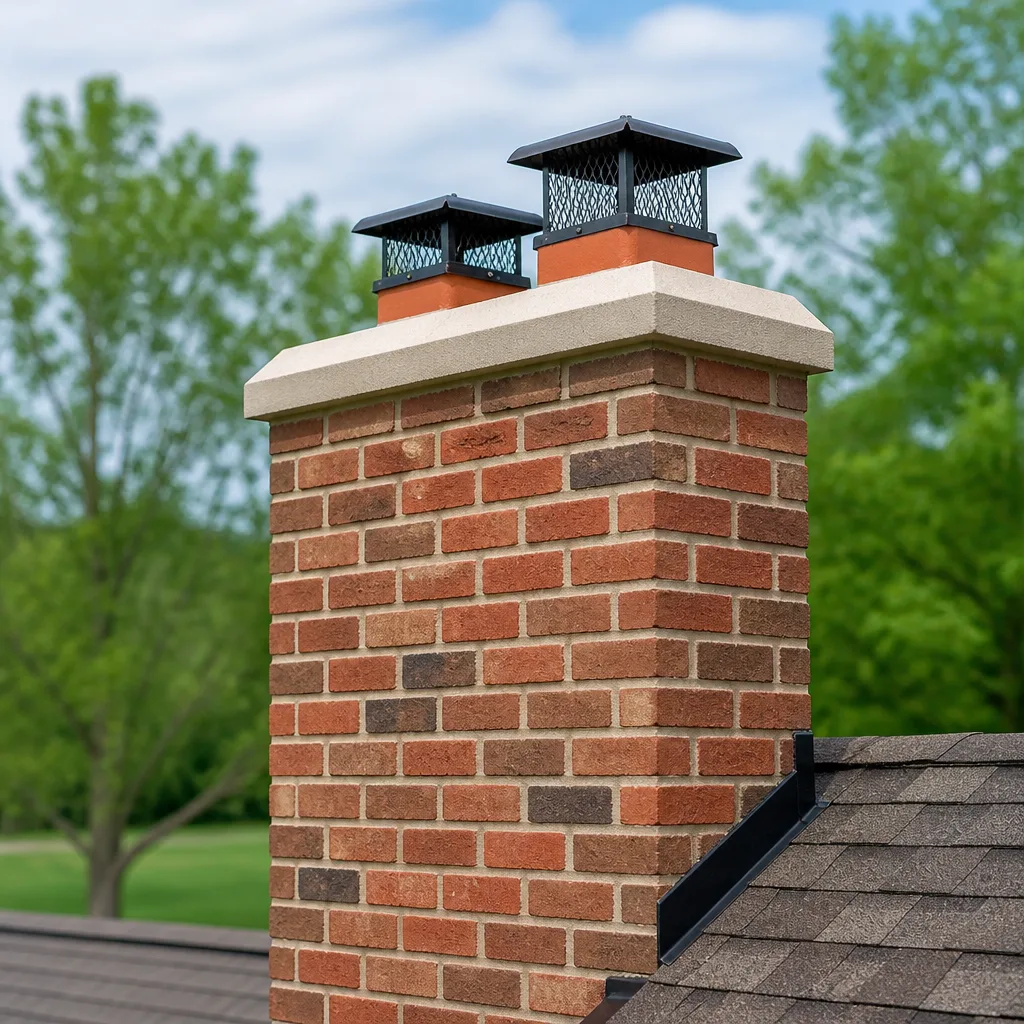 Caps & crowns
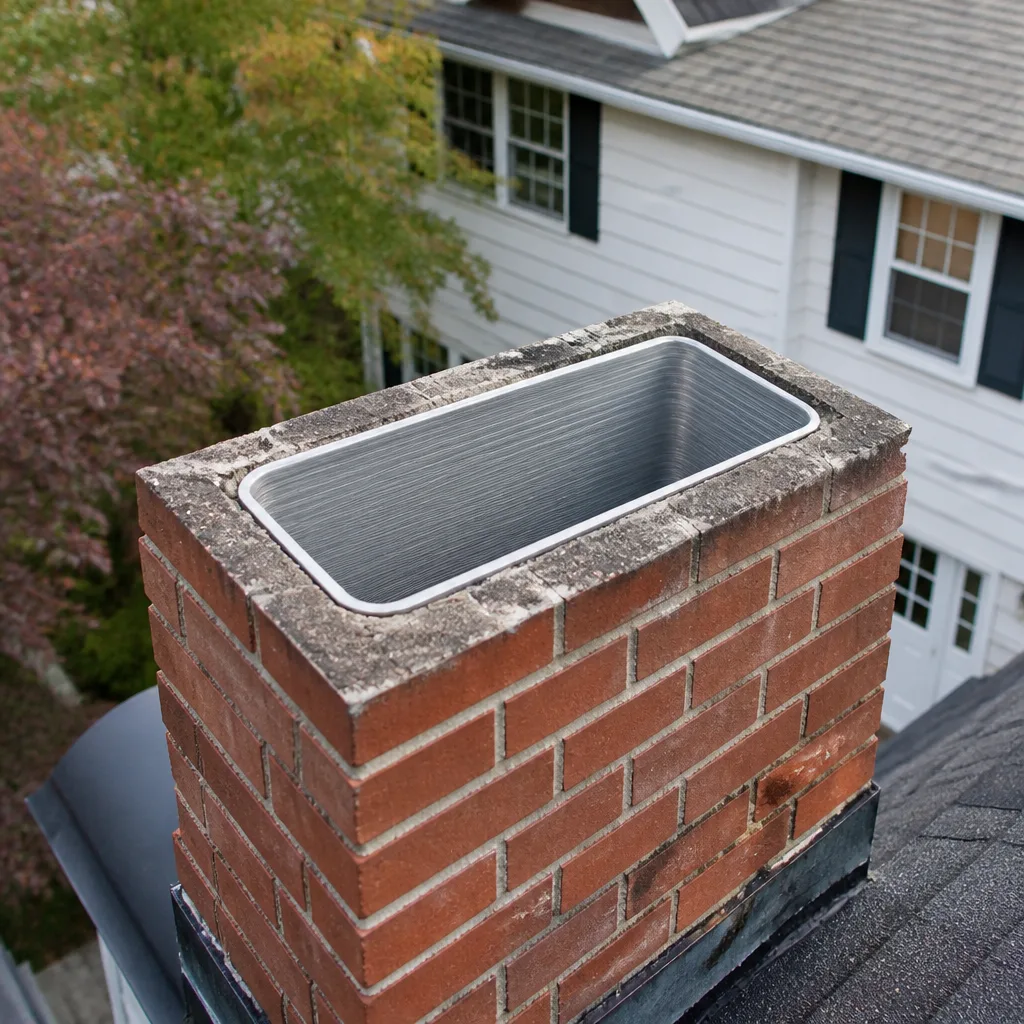 Flue relining
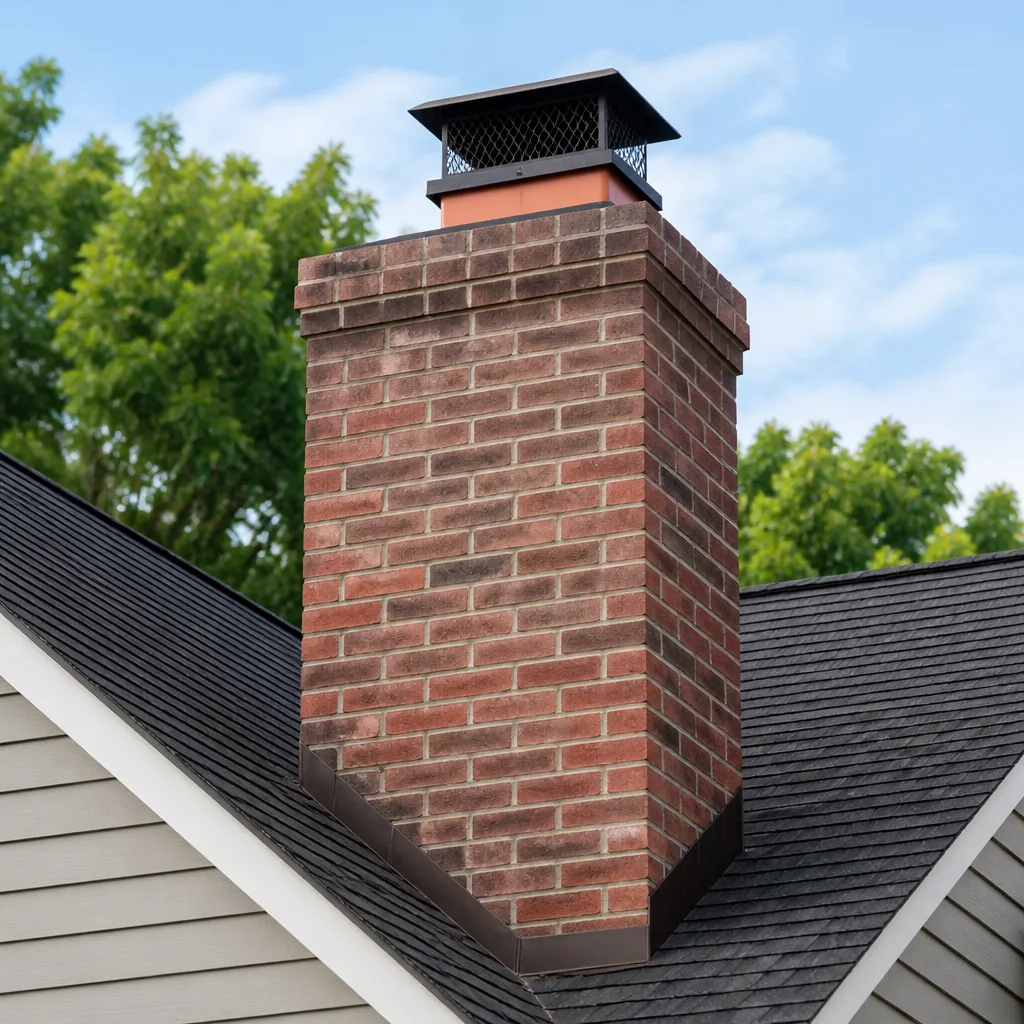 Masonry repair
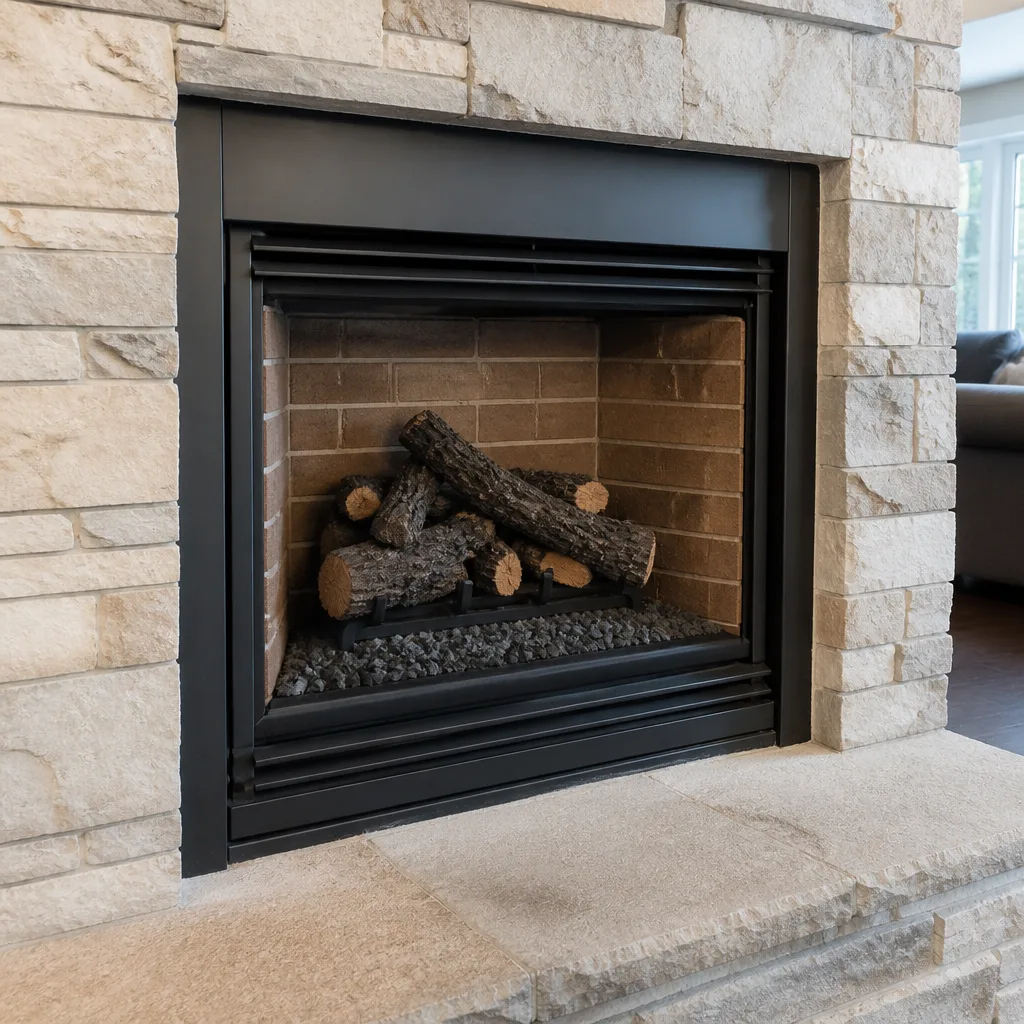 Gas fireplace service
Level 1 sweep and inspection to the NFPA 211 annual standard - flue, crown, cap, and flashing checked and photographed
Chimney sweep logs do not sweep chimneys. They loosen some creosote - which then falls where a brush and vacuum still have to collect it.
How to Hire a Chimney Cleaning Contractor in North Las Vegas: A Step-by-Step Guide
A $49 chimney sweep special is usually a sales call in disguise. The low number gets someone through your door, and the real cost shows up later in a “recommended” liner or masonry quote you have no way to check. The question that actually matters isn’t price. It’s whether the person holding the brush is qualified to tell you what they find inside, and whether the report they hand you afterward is honest. In a North Las Vegas market full of general handymen and bait-and-switch offers, we’ve watched homeowners pay twice: once for the cheap sweep, and again to fix what it missed. This guide gives you a step-by-step framework to separate real chimney specialists from the rest: the credentials to verify, the questions to ask before booking, the red flags in pricing, and how to read an inspection report once the work is done.
Quick Answer
To hire a chimney cleaning contractor in North Las Vegas, verify that the technicians hold CSIA (Chimney Safety Institute of America) certification for sweeping and NFI (National Fireplace Institute) certification when gas appliances are involved, ask whether they use inspection cameras and what liner materials they install, and confirm the company handles sweep, inspection, and repair under one roof so you’re not referred to a partner with a financial stake in finding problems. Get a written quote with a flat price agreed before booking, and expect a photo or video report of what the camera found.
Styles & brands we work with
- Sweep & inspection
- Caps & crowns
- Flue relining
- Masonry repair
- Gas fireplace service
Table of Contents
- What credentials should a chimney contractor in North Las Vegas have?
- Why are some chimney sweep offers so cheap?
- What questions should you ask before booking a sweep?
- Why does sweep, inspection, and repair under one roof matter?
- How does the North Las Vegas climate affect your chimney?
- How do you read a chimney inspection report?
- What does chimney work typically cost here?
- Can you hire a chimney sweep the same day?
What credentials should a chimney contractor in North Las Vegas have?
Look for two certifications first: CSIA and NFI. Each one tells you something specific about the work being done, and each one is checkable in a way a business card is not.
CSIA (Chimney Safety Institute of America) certification is the trade standard for chimney sweeping and inspection. A CSIA-certified sweep has passed a written exam covering codes, combustion, venting, and how to recognize defects inside a flue, and must keep that certification current. When someone inspects your chimney in North Las Vegas and tells you the flue is unsafe, the CSIA credential is the baseline that makes the opinion worth weighing. You can verify the credential through the CSIA’s own directory rather than taking a company’s word for it.
NFI (National Fireplace Institute) certification matters most if your home has a gas insert, gas log set, or a wood stove. NFI tests installers and technicians on appliance-specific venting and combustion requirements, which CSIA sweeping certification does not cover in the same depth. A sweep who understands the appliance as well as the flue is less likely to clean a gas vent the wrong way or dismiss a venting problem as normal.
Beyond certifications, verify the basics before anyone climbs a roof:
- The company is licensed and insured, and can show proof when asked.
- The technician sweeping the flue is the one named on the certification, not a subcontractor with no paper trail.
- The quote is written and the price is flat, agreed before booking.
- An inspection camera is part of the job, not an optional upsell.
Why are some chimney sweep offers so cheap?
An unusually low sweep price usually means steps were skipped or will be sold back to you later. A sweep has to cover a technician’s time, a vehicle, professional tools, insurance, and the cost of disposing of creosote and soot. When the advertised number sits far below what that work costs, something in the job was cut: the camera inspection, the flue brush size that actually fits your flue, or the time to clean the smoke chamber instead of only the flue. The savings show up on the invoice and the risk shows up years later.
The pattern is recognizable once you know what to watch for:
- A price that arrives before anyone looks. Legitimate chimney work is quoted after a look at the flue, cap, and firebox. A number given over the phone with no inspection is a guess or a hook.
- “While we’re up there” discoveries. A sweep that suddenly finds a liner failure on the same visit, minutes after arriving, is worth a second opinion, especially if the quote is verbal and signed on the spot.
- No camera. If the technician never shows you the inside of the flue, the claim about its condition is unverifiable.
- A flat “you need a full reline” with no alternative. Real specialists offer graded options, from resurfacing with a system like HeatShield to a full flexible reline with DuraFlex, and explain why one fits better than another.
- Pressure to decide fast. Chimney defects don’t escalate in an hour. A contractor who insists on a same-visit commitment is telling you about their sales model, not your flue.
None of this means every affordable sweep is dishonest. It means the price has to match the work described. Ask what the price includes, and listen for words like camera inspection, smoke chamber, and cap checked.
What questions should you ask before booking a sweep?
Ask these before you book, and ask them of every company you’re considering. The answers separate specialists from generalists faster than any review you’ll read online.
- “Do you use a camera to inspect the flue, and will I see the footage?” A specialty camera reaches the smoke chamber, the flue transition, and off-sets a flashlight cannot. If the answer is no, the inspection is a visual exterior check at best.
- “What liner materials do you install, and why?” A chimney specialist should name the systems they work with and explain where each fits. Flexible stainless liners like DuraFlex suit deteriorated masonry flues and off-set chimneys; ceramic resurfacing systems like HeatShield rebuild a damaged flue interior when the structure around it is still sound. Generalists often can’t name more than one option because they install only what one supplier sells.
- “What mortar mix do you use for firebox and crown repairs?” This question is a good-faith test. A specialist will reference a refractory or heat-rated mortar appropriate for firebox work, not general-purpose mortar from a hardware store. If the answer is vague, so is the repair work likely to be.
- “Are your caps and venting components purpose-built chimney hardware?” Hardware from a chimney supply line like Famco or Copperfield is designed for the heat and weather the cap and vent will see. A generic cap bolted on from a home center is a stopgap.
- “Do you sweep, inspect, and repair, or do you refer repair work out?” A company that only sweeps has a reason to hand you a referral to someone else, and that someone else may split the proceeds. A single-source company has no such conflict.
- “What’s included in the written quote, and is it flat?” The price should be set by a written estimate before booking, not adjusted at the door.
Ask about a North Las Vegas contractor’s experience with the local housing stock, too. Older masonry chimneys common in the area show different failure patterns than newer construction, and a technician who has worked both will say so.
Why does sweep, inspection, and repair under one roof matter?
When one company handles sweeping, inspection, and repair, the person diagnosing the problem is also accountable for the fix. That’s the core advantage of hiring a full-service chimney specialist instead of a sweep-only outfit or a general handyman filling a gap in their schedule.
The conflict of interest is easy to miss. A sweep-only business earns nothing from repair work, so its natural move is to refer you to a partner, and that partner may pay a commission or send work back in return. You end up with a diagnosis from one party and a repair quote from another, and neither has to stand behind the whole job. A general handyman who sweeps “on the side” is a different problem: they may own a brush without owning the knowledge to read a flue, install a liner to code, or recognize a dangerous defect.
A single-source chimney company changes the incentives. We use professional-grade materials from the brands the trade specifies: DuraFlex flexible liners for relining a deteriorated masonry flue, HeatShield for resurfacing a damaged liner when the surrounding structure is still sound, and Famco or Copperfield for caps and venting components. When we recommend a repair, we can show you the camera evidence behind it, explain why one approach fits better than the other, and then do the work ourselves. That’s the accountability that evaporates when repair is handled by a stranger.
Ask any contractor you’re considering: “If you find a problem, who fixes it?” The answer tells you how much conflict of interest you’re buying into.
How does the North Las Vegas climate affect your chimney?
The desert climate shapes what fails and when. North Las Vegas runs dry and hot for most of the year, then swings into cold winter nights when the fireplace actually gets used. That cycle puts real stress on a masonry chimney, and it changes what a specialist looks for during an inspection.
- Summer heat on masonry. Long stretches of high heat cause masonry to expand and contract. Hairline cracks in the crown and firebox mortar open over time and don’t announce themselves. They show up on camera or during a close hand inspection.
- Winter burn season. When the cold arrives, the fireplace earns its keep. Creosote builds up during those months, and that buildup is what has to be cleared before the next season begins. Scheduling a sweep in the shoulder season, before the first cold snap, beats scrambling once everyone else thinks of it.
- Dry air and dust. Dust and debris collect in fireboxes, dampers, and flue caps. A flue cap that isn’t properly screened lets nesting animals and debris in, which is one more reason caps from a purpose-built supply line matter.
- Sparse rainfall but real storms. When rain does come, it comes fast. A cracked crown or missing cap lets water into the flue, and moisture in masonry leads to spalling and deterioration.
This is why a chimney sweep in North Las Vegas should be inspecting for dry-season cracking and fire-season creosote at the same time. A sweep that only brushes the flue and never looks at the crown, cap, and firebox is missing half the job the climate creates.
How do you read a chimney inspection report?
A legitimate post-service report should be specific enough to verify. The camera footage and a written summary should match, and every line item should point to something visible. Here’s what a proper report contains.
What a real report includes:
- A sweep record. The date of service, what was swept, and confirmation the creosote was cleared. This matters when you sell the home or renew a homeowner’s policy.
- Camera findings. Photos or video of the flue interior, the smoke chamber, and any transition or offset. If the report says “flue damaged,” it should show where.
- Condition of the cap, crown, and damper. These are separate line items, each with a status: serviceable, needs repair, or blocked.
- Liner status, with reasons. If a repair or reline is recommended, the report should state what defect was found and why resurfacing with a system like HeatShield won’t work in that case, or why a full DuraFlex reline is the right call. If neither is recommended, the report should say the liner is sound.
- Clear options, not one path. A specialist offers graded options and explains the trade-offs. A report with a single “you need a full rebuild” line and no alternative is a quote, not a diagnosis.
Read the report against what the technician told you during the visit. If the camera showed a sound flue, the report should say so. If a repair is genuinely urgent, you should be able to see why. Nothing in a proper report asks you to trust a figure you never saw.
What does chimney work typically cost here?
Pricing in this market varies with the job, the flue, and the access. Treat the ranges below as typical estimates, not quotes: the written estimate sets the final price. The point of listing them is so you can recognize a bait-and-switch before you book.
- Standard sweep and inspection: a mid-market price that reflects a camera check, a fitted brush, and a written report. A number far below that range is the moment to ask what’s missing.
- Cap supply and install: priced per cap and by the fitting needed for your flue size and material. Purpose-built hardware from a chimney supply line like Famco or Copperfield costs more than a hardware-store cap and lasts longer in the sun.
- Liner resurfacing (HeatShield): a lower-cost alternative to a full reline when the flue structure is sound and only the interior surface is damaged.
- Full flexible reline (DuraFlex): higher than resurfacing, because a liner is a complete new flue interior. It’s the answer when the old masonry flue is deteriorated, undersized, or has failed its inspection.
- Crown and firebox mortar repair: priced by the damage found and the mortar and refractory materials specified.
The common thread: any quote you get should be written, itemized enough to match the report, and flat. If a company won’t put the fix in writing before starting, the number isn’t a price.
Can you hire a chimney sweep the same day?
Same-day booking is realistic when you call and a slot is open, and it’s often the right move if a flue has been blocked or a cap has come loose before the burn season. The honest answer is that availability depends on the schedule, not a guarantee. What we can promise is a flat quote agreed before booking and a report you can read afterward.
For North Las Vegas homeowners, the smarter plan is to book a sweep in the shoulder season rather than the first cold week. Creosote doesn’t check the calendar, but schedules do get tighter once the fireplace is in daily use. A sweep booked ahead of the season is a good deal less stressful than one booked after the first smoky evening.
If you’re weighing whether your chime’s condition calls for urgency, the same rule applies: nothing gets recommended without camera evidence you can see for yourself.
Common Mistakes to Avoid
- Booking on price alone. The cheapest sweep you can find often comes with the most expensive “findings.” Compare written quotes that describe what’s included before you compare numbers.
- Accepting a quote before the camera runs. Any repair recommendation should follow an inspection, not precede it. If a technician quotes a liner replacement on the first visit without footage, say no and ask for the evidence.
- Hiring a general handyman for chimney work. A handyman can carry a brush. Reading a flue, installing a liner to code, and recognizing a dangerous defect takes training and certification that generalist work doesn’t cover.
- Assuming a gas insert doesn’t need attention. Gas appliances are vented too, and the vent can clog or fail like any flue. NFI certification is the credential that covers this work.
- Skipping the cap because it looks optional. A cracked or missing cap lets debris, animals, and stormwater into the flue. It’s one of the cheapest fixes on the report and one of the most consequential.
- Ignoring the crown and firebox. Many homeowners focus on the flue and forget the masonry around it. Cracks in the crown and firebox mortar are exactly what desert heat exploits, and they’re usually visible long before they become urgent.
- Losing the service report. Keep it. The report is your record of the flue’s condition, useful at sale time and when an insurer asks.
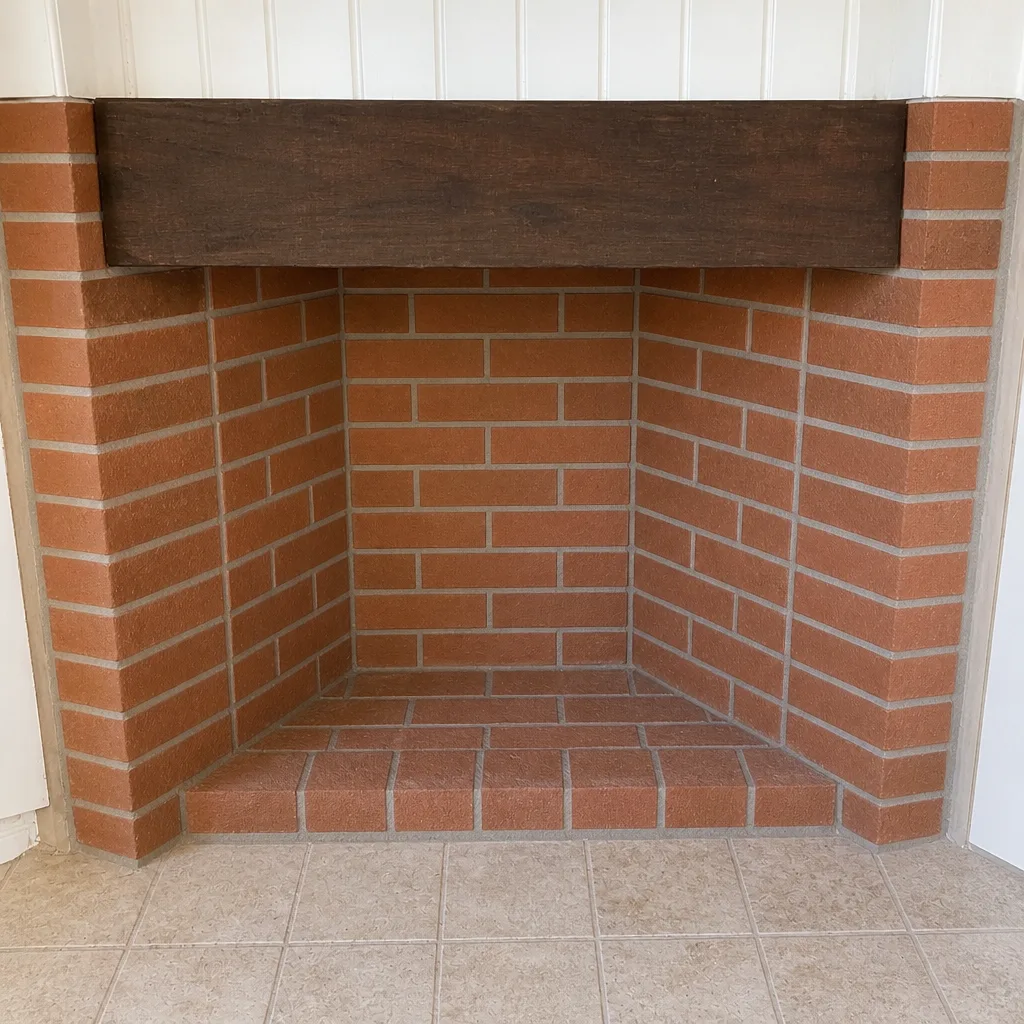
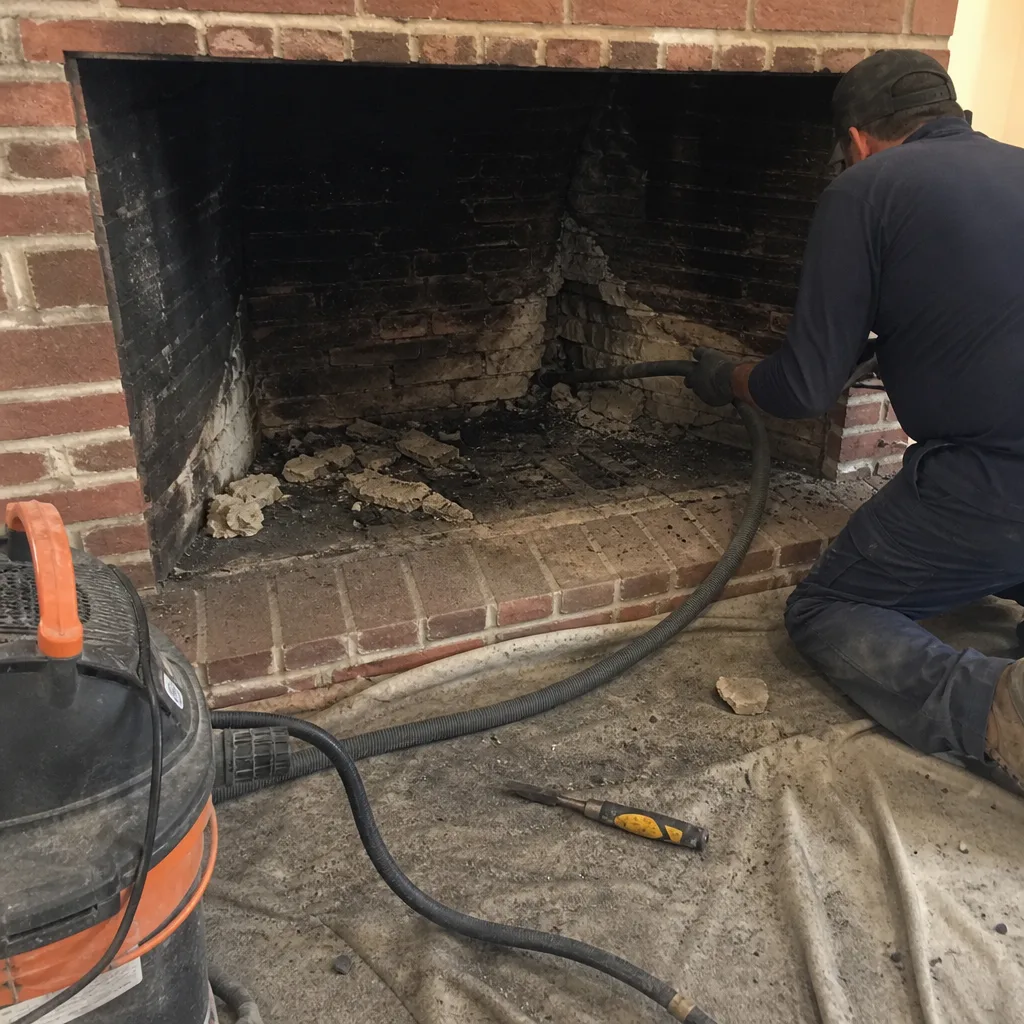
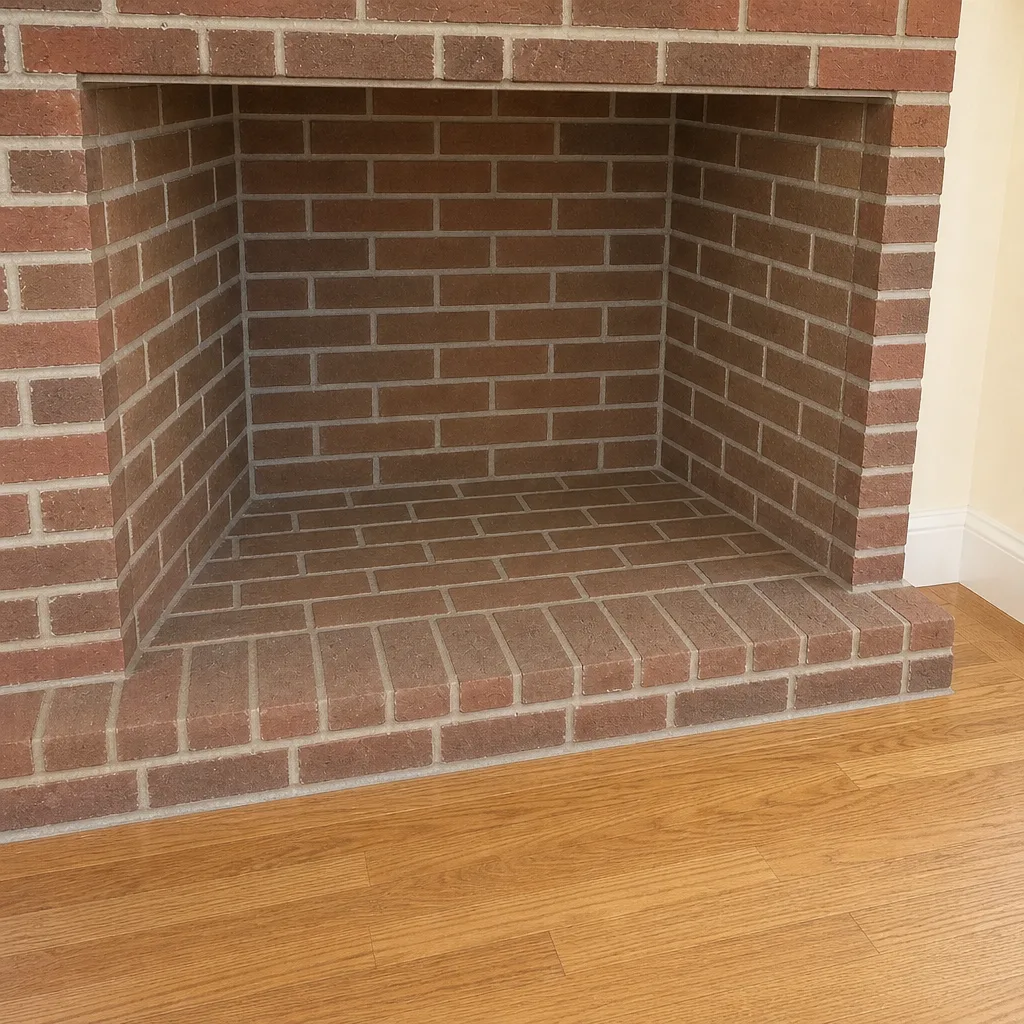
See the difference
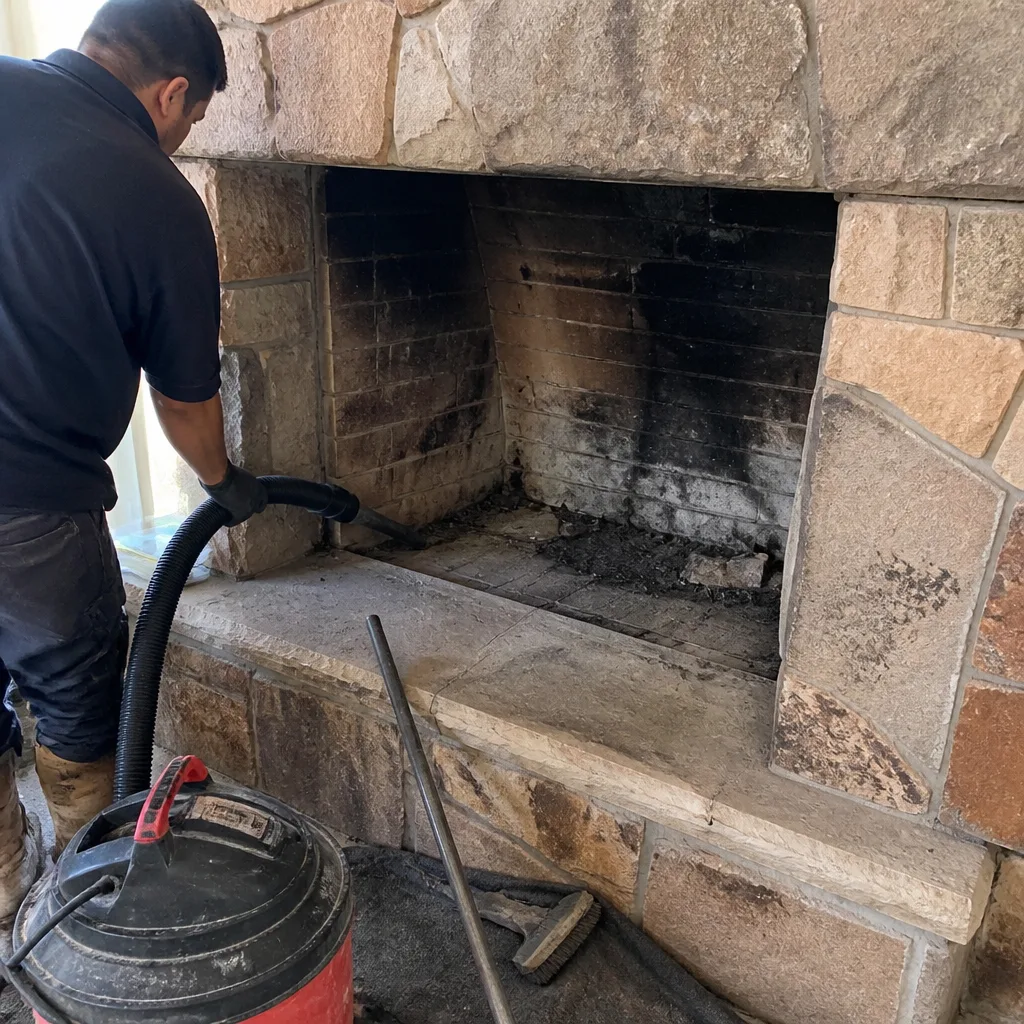 Before
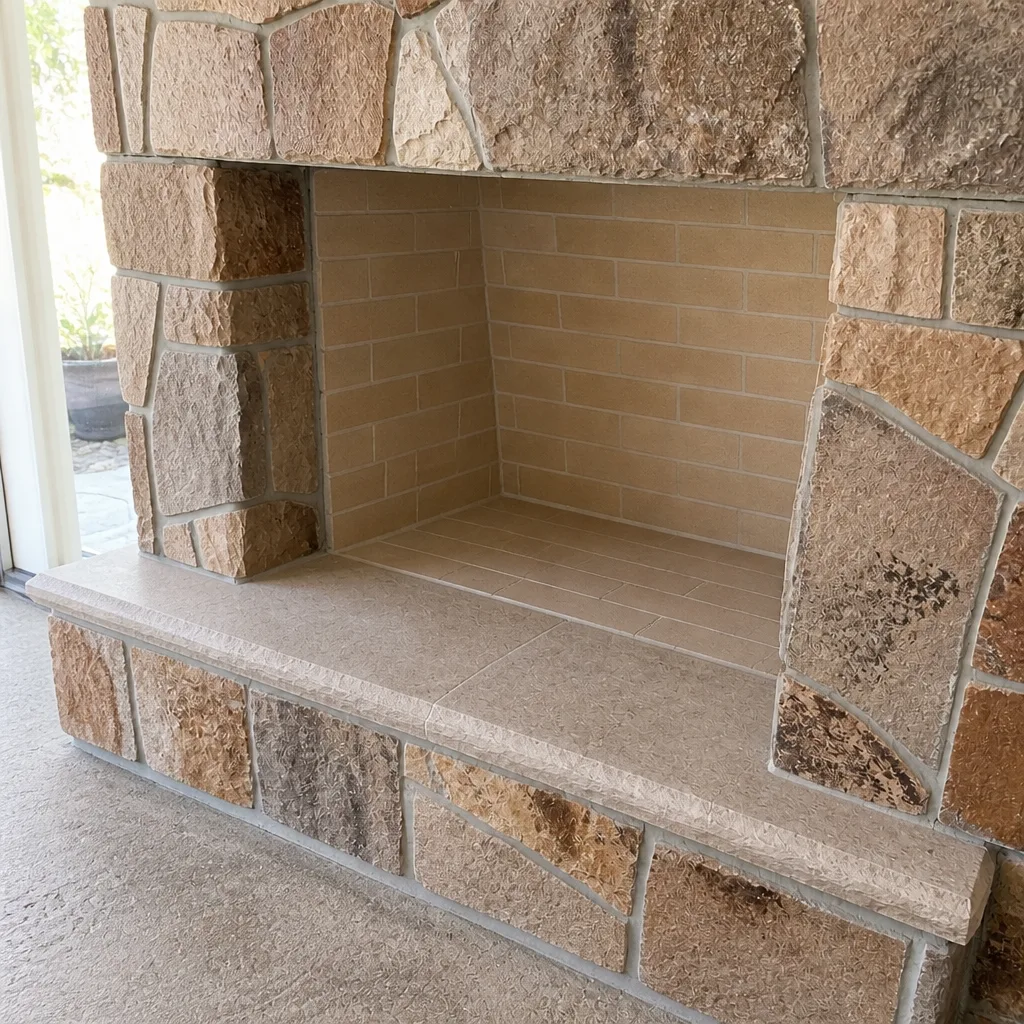 After
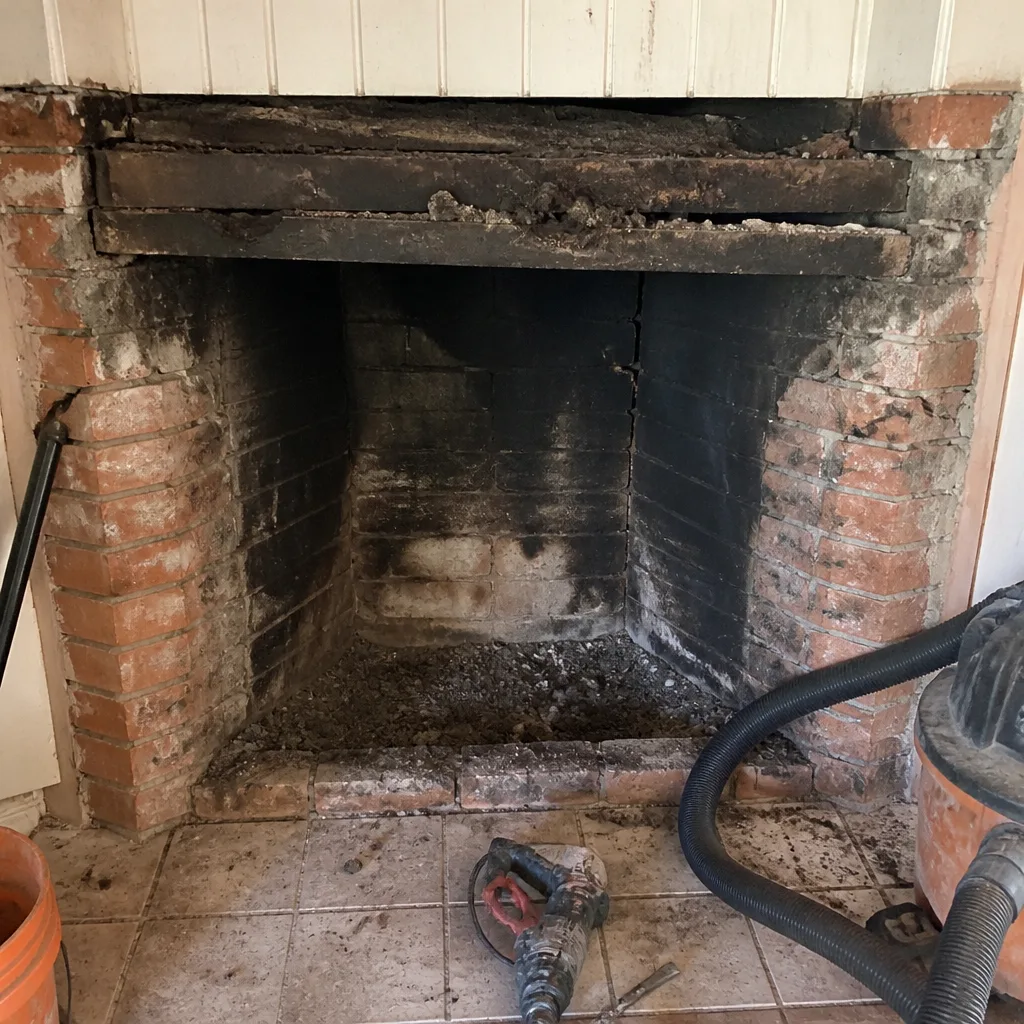 Before
 After
 Before
 After
When to Call a Professional
Call a professional chimney contractor in North Las Vegas when you can’t remember the last sweep, when you’ve just bought a home with a fireplace, or when the firebox smells smoky after a fire. Call if you see cracked or missing mortar joints in the firebox or crown, if the damper sticks or won’t close, or if smoke backs into the room. Call if the cap looks loose or missing, if animals have gotten into the flue, or if your chimney hasn’t been inspected since the last fire season. And call before you burn for the first time in months, rather than after.
Lancaster Chimney Cleaning offers free estimates in North Las Vegas. Call (855) 769-1102. We answer 24/7. Fast dispatch from 7am to 7pm, Sunday through Friday. Our technicians have up to 15 years of experience, and all work draws on professional-grade materials from DuraFlex, HeatShield, Famco, and Copperfield.
Frequently Asked Questions
A standard chimney sweep with an inspection typically lands in the mid-market range for the area, and the written estimate sets the final price. Be cautious with advertised specials well below that range; the low price usually leaves out the camera inspection or the smoke chamber cleaning. Call (855) 769-1102 for an exact quote, estimates are free.
Most wood-burning chimneys need a sweep once a year, and gas appliances should be inspected annually too. A home that burns often may need more frequent service. In North Las Vegas, scheduling before the burn season is easier than booking during it. Call (855) 769-1102 to set a date.
Only if the inspection shows the liner is deteriorated or failing. A qualified technician should show you camera footage of the defect and explain why a repair or resurfacing won’t work for your flue. If a full reline with a system like DuraFlex is the right call, the evidence should be yours to see. Call (855) 769-1102 to book an inspection.
Creosote builds up in the flue and, in enough quantity, becomes a chimney fire risk; a cracked or damaged flue can also allow combustion gases into the home. The fix gets more expensive the longer a defect goes unnoticed. A regular chimney sweep catches problems while they’re still small. Call (855) 769-1102 to book one.
Yes, and you should. A full-service company can sweep, inspect, and handle any chimney repair without sending you to a partner with a financial stake in the findings. Ask before booking whether repair is handled in-house. Call (855) 769-1102 to confirm what your job needs.
CSIA certification covers sweeping and inspection, and NFI certification covers gas appliances and venting. Verify both through the certifying bodies rather than taking a company’s word for it. Ask which technician is coming, and whether that person holds the certification for the work being done. Call (855) 769-1102 with any questions about credentials.
The Bottom Line
The chimney contractor you hire determines what gets found and what gets ignored. Verify CSIA and NFI where the work calls for them. Ask about cameras, liner materials, and mortar, and treat unusually low quotes as a list of what’s being skipped. Hire one company for sweep, inspection, and repair so the diagnosis and the fix sit with the same accountable party. Read the report against the footage, and keep both. In North Las Vegas, the desert heat and winter burn season put masonry and flues through real stress, which is exactly why the person holding the brush needs to know what they’re looking at. Lancaster Chimney Cleaning handles all three services and uses the same professional-grade brands chimney pros specify nationwide. Call (855) 769-1102 for a free estimate.
Written by the team at Lancaster Chimney Cleaning.