
Last updated November 16, 2026
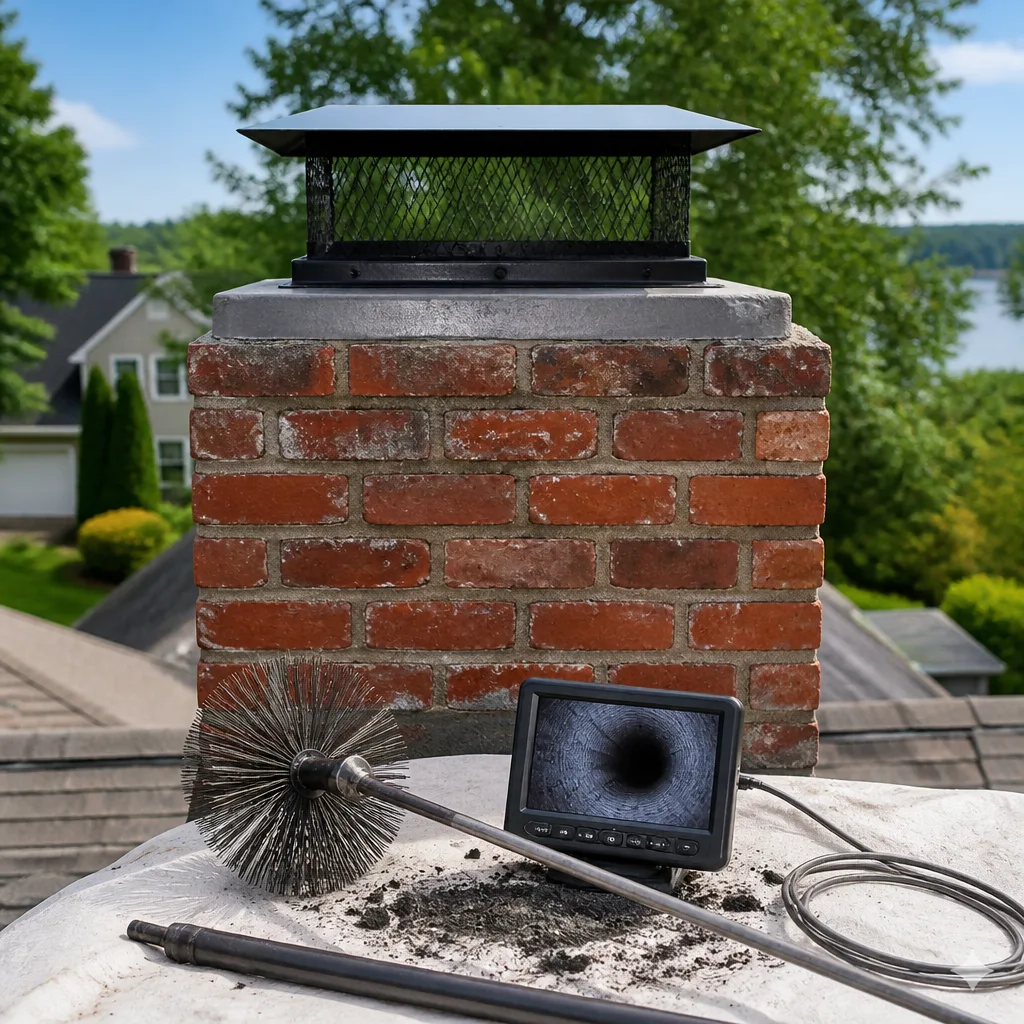 Sweep & inspection
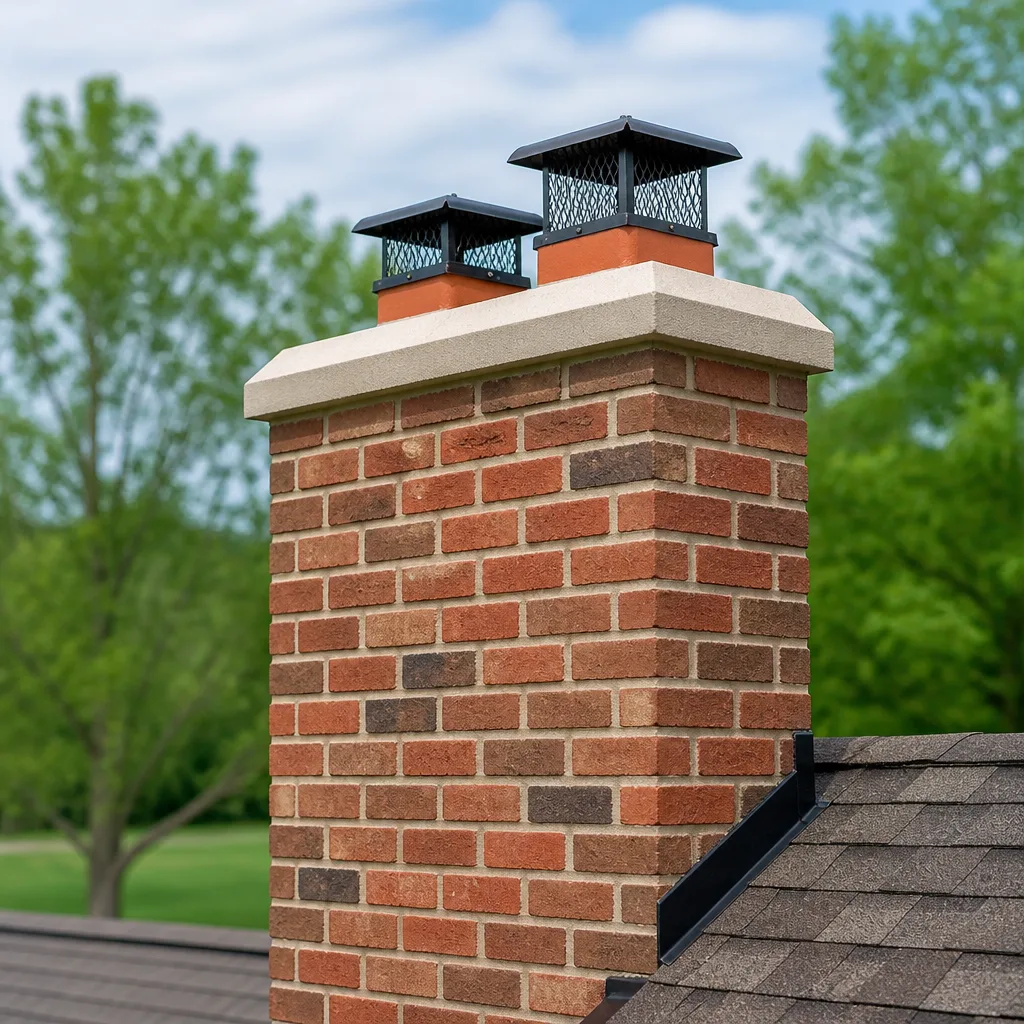 Caps & crowns
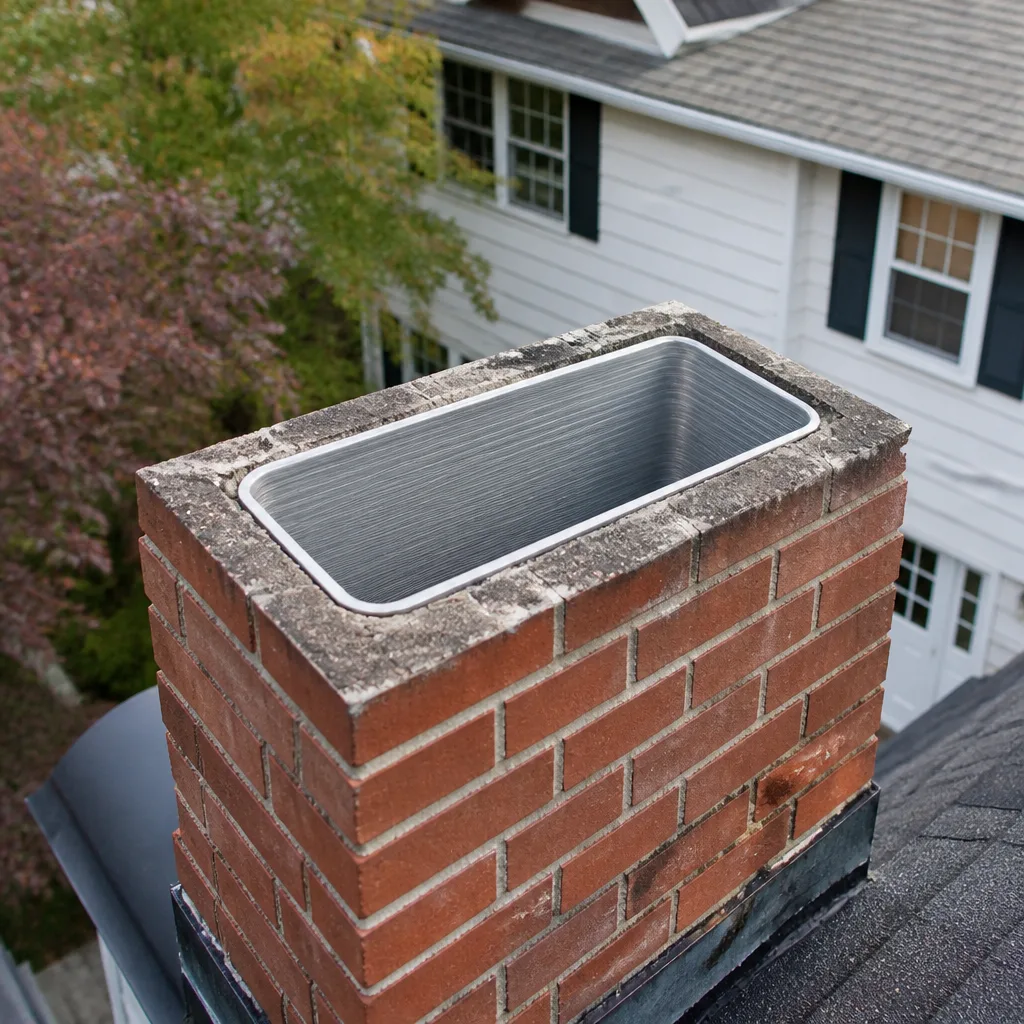 Flue relining
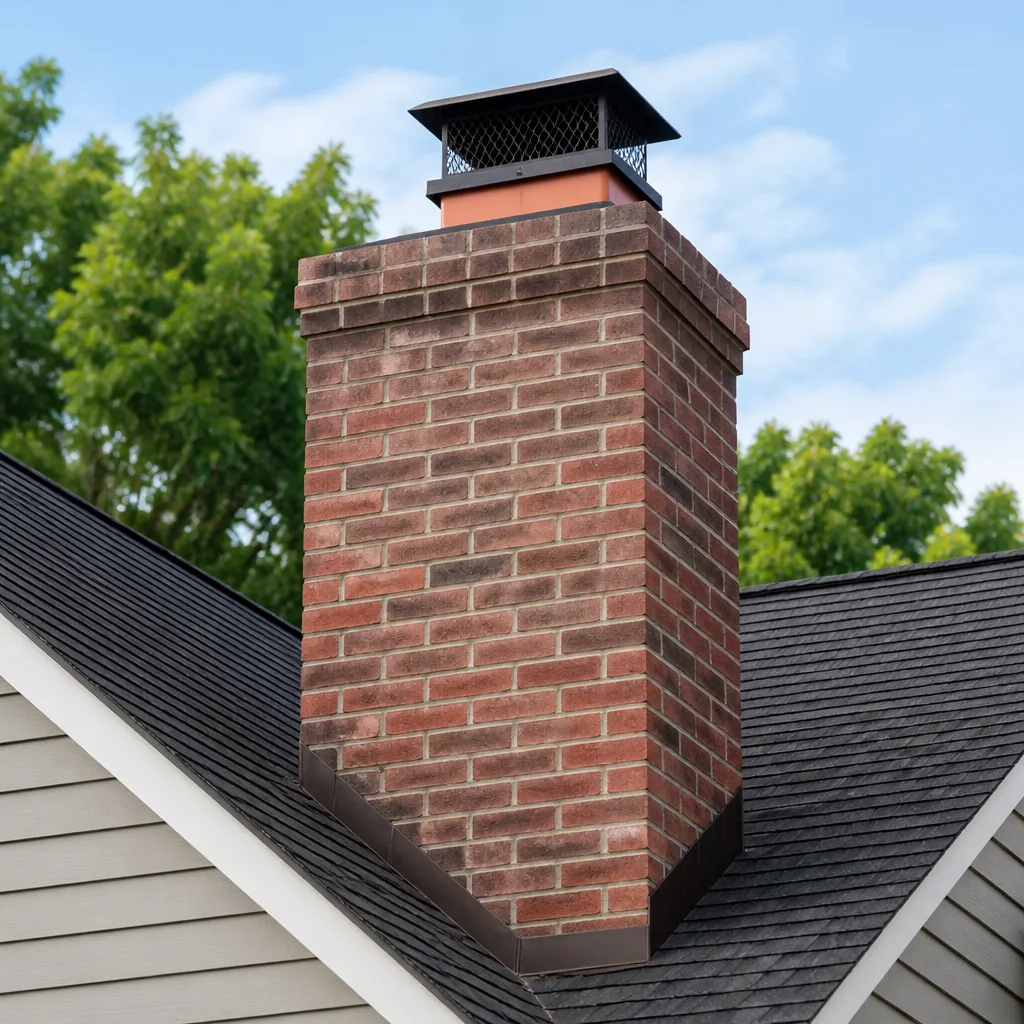 Masonry repair
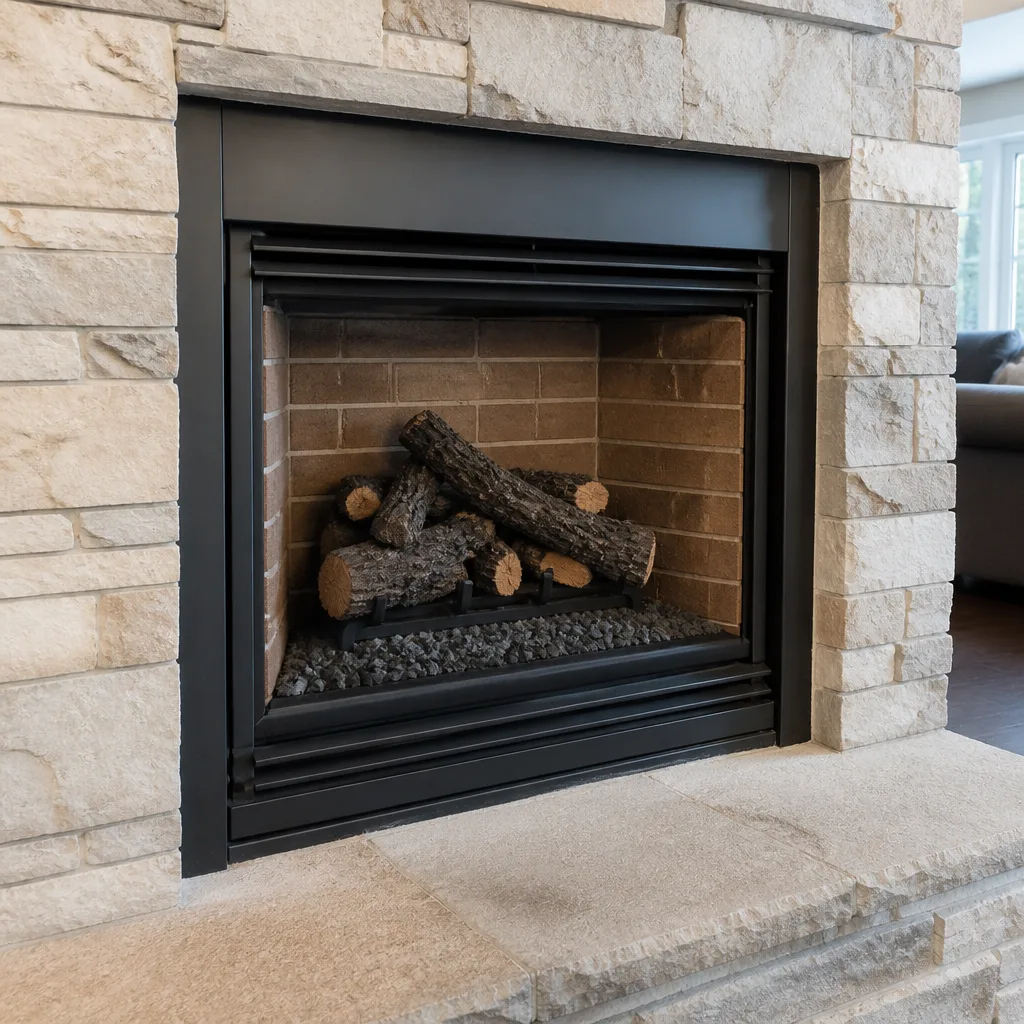 Gas fireplace service
Level 1 sweep and inspection to the NFPA 211 annual standard - flue, crown, cap, and flashing checked and photographed
Chimney sweep logs do not sweep chimneys. They loosen some creosote - which then falls where a brush and vacuum still have to collect it.
Chimney Cleaning Emergency Preparedness Guide for North Las Vegas Homes
A chimney fire doesn’t announce itself the way a house fire does. There’s often no roaring sound, no visible smoke rolling through the living room, no obvious cue that sends anyone running for the door. Many chimney fires burn slowly inside the flue, starved of oxygen but hot enough to crack refractory mortar, warp a liner, or open a gap where combustion gases can later escape into the house. In our experience, the first sign homeowners notice is a smell or a stain on the chase, not a flame. That’s already late. This guide covers what a chimney fire actually looks and sounds like, what to do in the first minutes, what to do after, and what every North Las Vegas household should have ready before anything happens. You’ll get the response steps, the carbon monoxide angles specific to desert-climate masonry, and a short list of documents worth keeping where you can grab them fast.
Quick Answer
If you suspect a chimney fire, close the damper if you can reach it safely, get everyone out of the house, and call 911 from outside. Don’t open the firebox to look. After the fire department clears the scene, the chimney must be inspected and cleaned before any further use, even if the blaze seemed minor. Every North Las Vegas home with a wood-burning fireplace or gas insert should also have a carbon monoxide alarm on each level and know the last inspection date of the flue.
Styles & brands we work with
- Sweep & inspection
- Caps & crowns
- Flue relining
- Masonry repair
- Gas fireplace service
Table of Contents
- How do you recognize a chimney fire in progress?
- What is the correct immediate response to a chimney fire?
- What has to happen after a chimney fire?
- Why is carbon monoxide a bigger risk in desert-climate homes?
- What should you document before an emergency?
- How does routine maintenance prevent emergencies?
- Does a gas insert carry the same emergency risk as wood?
- What belongs in a chimney emergency kit?
How do you recognize a chimney fire in progress?
Chimney fires fall into two rough categories. Fast, dramatic fires are loud and obvious. Slow, smoldering fires are the ones that catch families off guard, and they’re the more common problem we encounter during inspections in North Las Vegas. The signature signs are worth memorizing.
Audible indicators:
- A low rumbling or roaring that sounds like a distant freight train, coming from the chimney rather than the firebox
- Loud popping or crackling that continues after you’ve stopped adding wood
- A whistling or sucking sound near the damper, which can indicate an intense draft pulling through the flue
Visual and olfactory indicators:
- Puffy, discolored smoke from the chimney cap, sometimes described as looking like a column of dense gray or black puffs
- Sparks or flaming embers visible at the top of the chimney
- A hot, acrid smell in the room that doesn’t match normal wood smoke
- Discolored or warped chimney caps, or a cracked chase cover visible from the ground
- Creosote flakes or a puffy, honeycomb-textured buildup visible inside the flue, which is fuel waiting for a spark
- Blackened or warped damper components, or a heat-glazed firebox screen
Gas inserts change the picture. A gas-burning insert shouldn’t produce smoke or creosote at all, so any unusual smell, soot residue, or discoloration around the insert usually points to a venting problem rather than a chimney fire. If you smell gas at any point, leave the house and call your gas utility from outside. That smell is likelier to indicate an unsafe combustion or venting situation than a fire in the flue.
We tell North Las Vegas homeowners to trust their noses as much as their eyes. If the room smells off in a way you can’t place, and the fire has been burning for a while, it’s worth stepping outside to look at the chimney cap before assuming everything’s normal.
What is the correct immediate response to a chimney fire?
The order matters. Here’s the sequence we want every household to have memorized.
- Get everyone out of the house first. Adults, children, pets, and anyone who needs assistance. This comes before anything else.
- Close the fireplace doors or damper if you can reach it without lingering. Restricting the air supply to the fire can help slow it, but only if it’s a one-second motion. Don’t stay to close it if the room is filling with smoke.
- Call 911 from outside. Don’t wait to see if the fire dies down on its own. Fire crews can check the roof, the attic, and the chase for extension.
- Don’t open the firebox to look. This is the mistake we hear about most. Opening the doors feeds oxygen to a starved fire inside the flue, and it can send flames or superheated gases straight out into the room.
- Don’t spray water into the firebox. On a hot masonry or metal flue, water can cause cracking and steam expansion. Let the fire department handle suppression.
- Don’t try to climb onto the roof. Roof access on a hot chimney is dangerous, and there’s no suppression tool you can use from up there.
- Stay outside until the fire department clears the scene. Even after visible flames are out, the chimney remains hot and unstable.
The mental shift for North Las Vegas households is that a chimney fire is a house fire until proven otherwise. Treat it that way, and the response becomes automatic.
What has to happen after a chimney fire?
A chimney that survived a fire without visible damage is still not safe to use until it’s been professionally inspected. Heat exposure can do things you can’t see from the firebox: crack the clay tile liner along a hidden joint, loosen refractory mortar, warp metal components, or open a hairline seam in a stainless liner. Any of those create a path for smoke or carbon monoxide to enter living space.
Here’s the sequence we recommend after any chimney fire, even a small one:
- Keep the chimney out of service until inspection and cleaning are complete.
- Have the fire department’s report on hand for your insurer and for the chimney inspector.
- Book a chimney inspection that includes a camera scan of the flue interior. This is the only way to see cracking, warped tiles, or gaps behind a visible surface.
- Have the chimney swept to clear creosote, ash, and debris left behind by the fire.
- Complete any repair the inspection finds before lighting another fire. Depending on condition, that may mean a chimney repair such as a partial reline, a HeatShield ceramic resurfacing of the flue, or a full DuraFlex flexible liner installation if the original clay tile is badly damaged.
Every inspection we run includes a camera scan and a photo report, which means you see the cracked tile or the heat-warped liner seat alongside us rather than taking our word for it. That matters after a fire because you’re already shaken and it’s easy to authorize too much work. If a spot in the flue is intact and can wait, we’ll say so.
Why is carbon monoxide a bigger risk in desert-climate homes?
North Las Vegas sits in a desert basin with a wide swing between daytime and overnight temperatures, and that swing does more to masonry chimneys than most homeowners realize. Masonry and mortar move with the thermal cycle. Over years of expanding by day and contracting by night, mortar joints work loose, hairline cracks open, and small gaps appear between the flue tile and the surrounding brick. None of it is visible from the hearth.
Two additional conditions show up in our part of the valley:
- Drought-cracked mortar. The low humidity here pulls moisture out of mortar faster than in wetter climates, and the repeated wet-dry cycle at the chimney crown accelerates cracking. Once the crown is compromised, water works into the masonry, and freeze events in winter can spall the surface further.
- Shifting foundations. Expansive soils are common around newer developments in North Las Vegas, and a small foundation shift can put the chimney chase slightly out of alignment with the flue. That misalignment can open a seam near the smoke chamber or crown, which is exactly where backdrafts begin.
In practical terms, this means a chimney that drafted cleanly five seasons ago may be pulling exhaust gases back into the living space today. Carbon monoxide is odorless and colorless, so the only reliable detection is an alarm. We recommend a CO alarm on every level of the home and near every sleeping area, plus one in the room with the fireplace. Test them monthly and treat any chirp as an instruction, not a nuisance. If your alarm sounds and you can’t trace the cause, leave the house and call 911.
This is one reason we push annual inspection in North Las Vegas harder than you might expect. A camera scan of the flue often catches a hairline crown crack or a joint gap years before a family ever notices a symptom.
What should you document before an emergency?
In the first minutes of a chimney emergency, nobody is going to search a filing cabinet. That’s why the documentation is worth assembling in advance and keeping where anyone can put hands on it: on the refrigerator door, in a labeled kitchen drawer, or in a shared digital folder that every adult in the household can open on their phone.
The list we recommend every North Las Vegas household keep ready:
- The liner type and installation date. Clay tile, stainless flexible liner (DuraFlex is one example), cast-in-place, or resurfaced with a HeatShield system. Fire crews and your inspector will want to know, and it affects how the chimney needs to be handled after a fire.
- The last inspection date and what it found. A clean report from last season gives your inspector a baseline for comparison.
- The last sweep date and how much creosote was removed. Degree of buildup matters for evaluating fire risk.
- The name and number of your chimney contractor. Post-fire service needs to happen quickly, and having that number means you aren’t cold-calling from a fire scene.
- Age and appliance type of the fireplace (wood-burning masonry, prefab, gas insert, gas log set). Prefab and gas units have their own service and inspection requirements.
- Your homeowner’s insurance policy number and coverage summary. Fire crews and inspectors will ask, and many policies have specific chimney-fire provisions worth understanding before you need them.
- A photo of the chimney interior from your last inspection. A confident contractor will send you the images. Keep them.
When we run an inspection, we send the full report with photos. We’ve learned that homeowners who keep those records handle a post-fire service visit more confidently because they know what they’re starting from.
How does routine maintenance prevent emergencies?
Most chimney fires are preventable. The variables that cause them cluster in a small group of failures: creosote buildup, cracked flue tiles, a missing or damaged chimney cap, and an unsealed crown. Annual service addresses all four, which is why we treat the yearly visit as the single highest-leverage step a North Las Vegas household can take.
What a proper annual service includes:
- A chimney sweep to remove creosote, soot, and ash. Creosote is the fuel that starts fires, and it builds up faster when wood burns incompletely, which happens more often when homeowners burn unseasoned wood.
- An inspection of the firebox, damper, smoke chamber, flue, crown, and cap. The inspection is where hidden problems are found.
- Repair of anything that failed, from reseating a loose cap to resurfacing a section of damaged flue with HeatShield. A properly built chimney cap from a brand like Gelco or Famco keeps rain, birds, and debris out of the flue, and a well-seated stainless cap is one of the cheapest life-extension pieces on the chimney.
How often should sweeping happen? For most North Las Vegas homes burning wood regularly through the cooler months, once a year is the baseline. Homes burning more often, or burning wood with a higher moisture content, may need more. A rapid build-up of creosote is itself a signal that the fire is burning inefficiently, and it’s worth a conversation about wood quality and firebox technique alongside the sweep.
If you want to schedule the yearly visit, our chimney sweep includes a camera inspection and photo report so you can see what’s in your flue, not just hear about it.
Does a gas insert carry the same emergency risk as wood?
Gas inserts don’t produce creosote, so the classic chimney-fire mechanism doesn’t apply to them. But they still need annual inspection, and the emergency risks are real. The two most important:
- Venting failure. A gas appliance that isn’t venting correctly can release carbon monoxide into the room. This often shows up as condensation, soot streaks, or a strange smell near the insert rather than a fire. If the alarm sounds or you notice those signs, stop using the insert until a professional has inspected it.
- Debris blockage. Birds, squirrels, leaves, and nesting material can block a gas flue just as easily as a wood flue. A properly fitted cap from a brand like Famco or Olympia Chimney is the first line of defense against this in North Las Vegas, where the dry climate makes chimney caps especially attractive to nesting wildlife.
For gas inserts, the annual service looks a little different: the technician checks the venting connection, examines the firebox and glass for soot or staining, verifies the pilot and safety shutoff behavior, and confirms there’s no blockage in the flue. It’s the same discipline as a wood-burning chimney, just tuned to the appliance.
If your North Las Vegas home has both a wood-burning fireplace and a gas appliance, both need their own inspection. One doesn’t cover the other.
What belongs in a chimney emergency kit?
A small, simple kit near the fireplace makes the first minutes after a suspected chimney fire far easier. Nothing on this list is expensive, and none of it takes more than fifteen minutes to assemble.
- A carbon monoxide alarm on every level, tested monthly. This is the single most important piece of the kit.
- A working smoke alarm at every level and near sleeping areas.
- A fire extinguisher rated for use on wood and electrical fires, inspected and within reach of the fireplace but not so close to the hearth that heat or flame can reach it.
- A foldable ladder or confirmed secondary exit from upper floors, since the stairwell may fill with smoke before the doors do.
- A printed sheet with the homeowner’s insurance policy number, chimney contractor name and number, and last inspection date (the documentation from the previous section).
- A flashlight kept away from the fireplace so it’s still usable if the power goes out.
- A small notebook and pen to record what you saw, when, and what the fire department and inspector told you. Insurance and follow-up work go smoother when details are written down.
None of this costs much. All of it makes the difference between reacting and panicking.
Common Mistakes to Avoid
- Opening the firebox to see what’s happening. Curiosity is the worst instinct in a chimney fire. Opening the doors feeds oxygen to the fire and can send flames into the room. Get out and call 911.
- Assuming a small fire was harmless. A slow-burning creosote fire can do serious damage to a flue liner without visible smoke or flame. Skipping the post-fire inspection is the second most common mistake we hear about in North Las Vegas.
- Relighting the fireplace before the chimney’s been cleared. Even after a fire, the flue is full of ash and weakened surfaces. Give it the inspection first.
- Relying on the smoke alarm alone for CO detection. Smoke alarms don’t detect carbon monoxide. In a desert climate where cracked mortar can open flue gas paths, a CO alarm on every level is not optional.
- Skipping the yearly sweep because the fireplace “seems fine.” Creosote accumulates invisibly. The only way to know what’s in your flue is to look inside it.
- Burning unseasoned wood to save on cost. Green or wet wood burns cooler and produces much more creosote per cord. The chimney pays for the savings in buildup.
- Calling for a repair estimate without a camera inspection. Without seeing the flue from the inside, no honest contractor can tell you what work is actually needed. Ask for the photos.
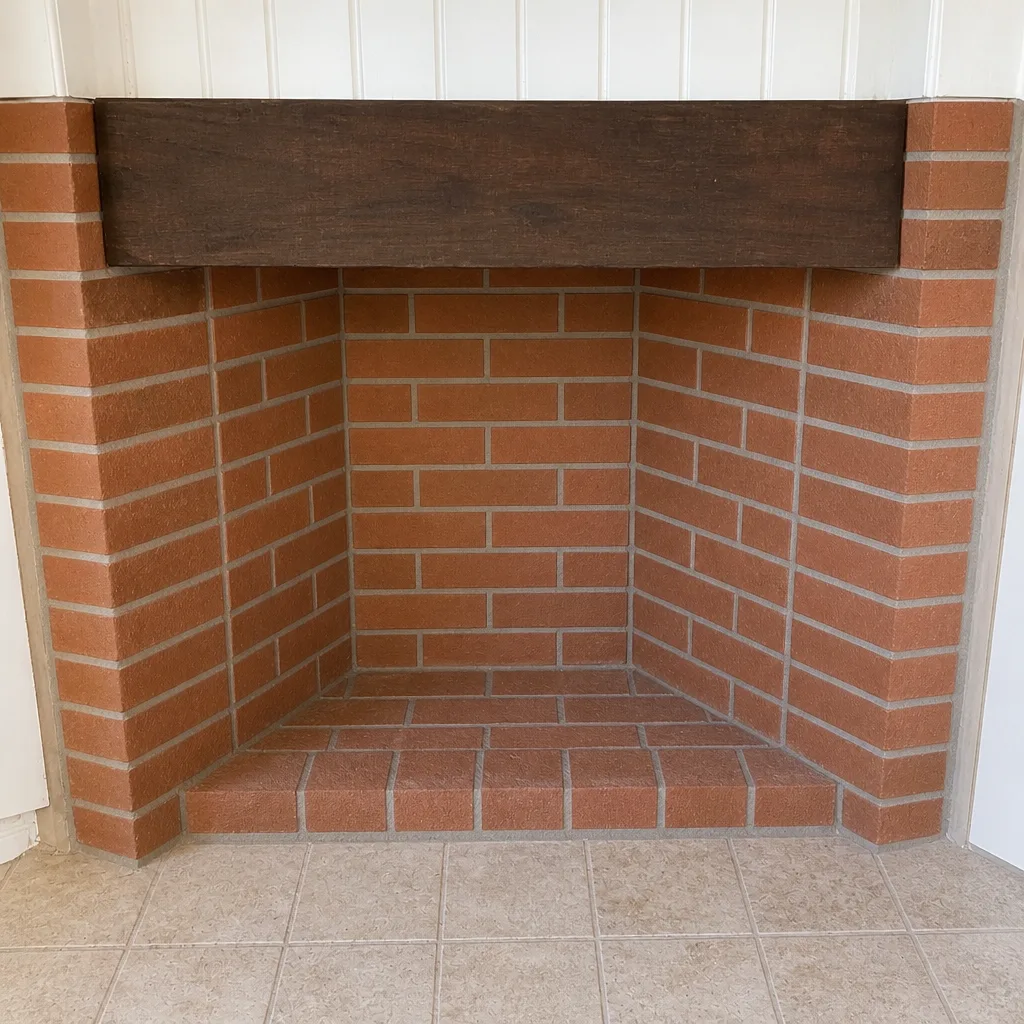
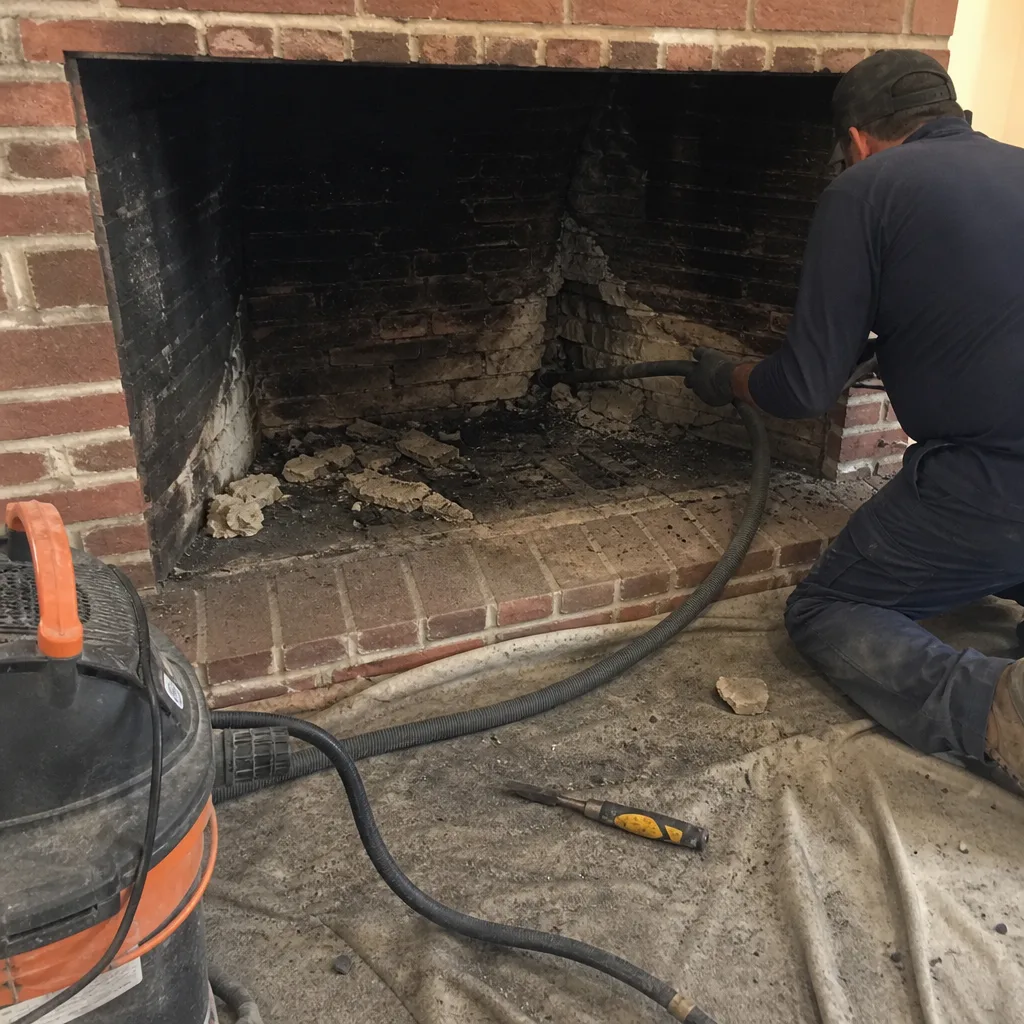
See the difference
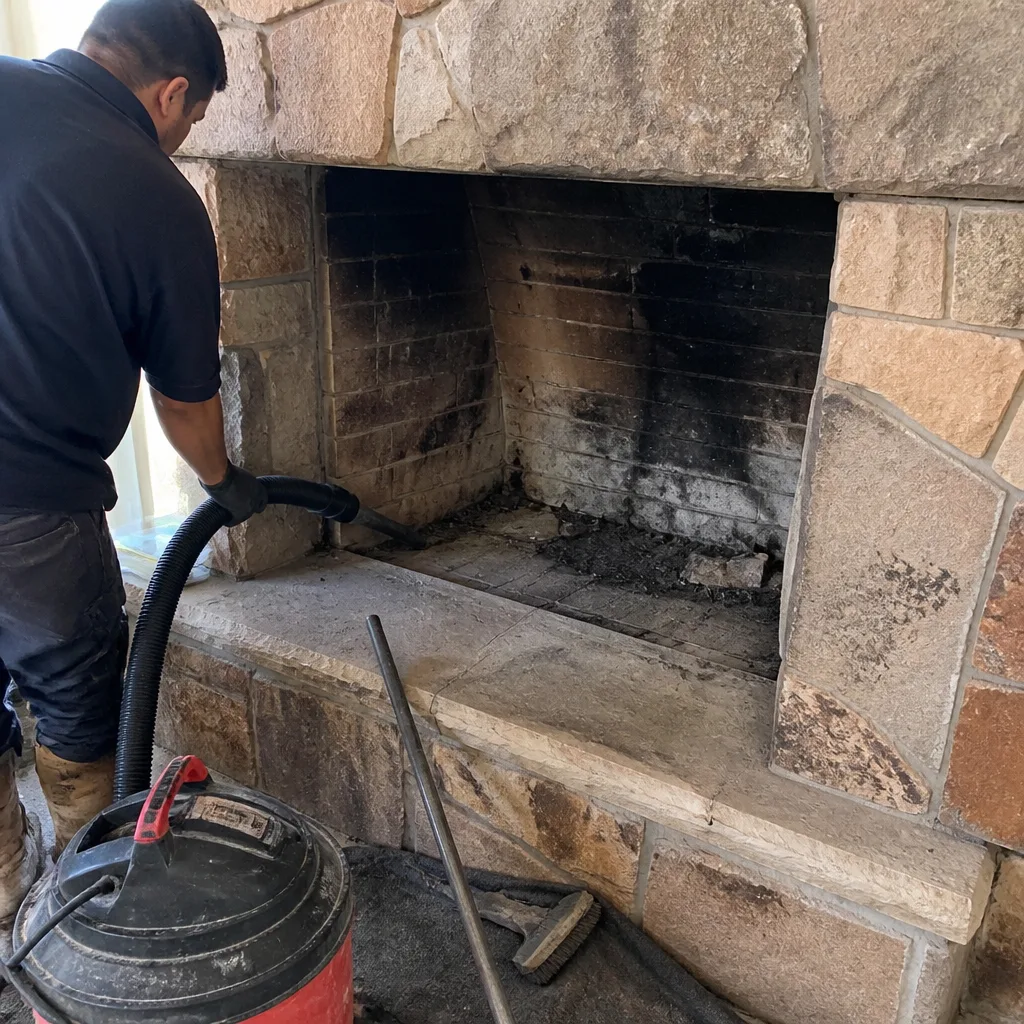 Before
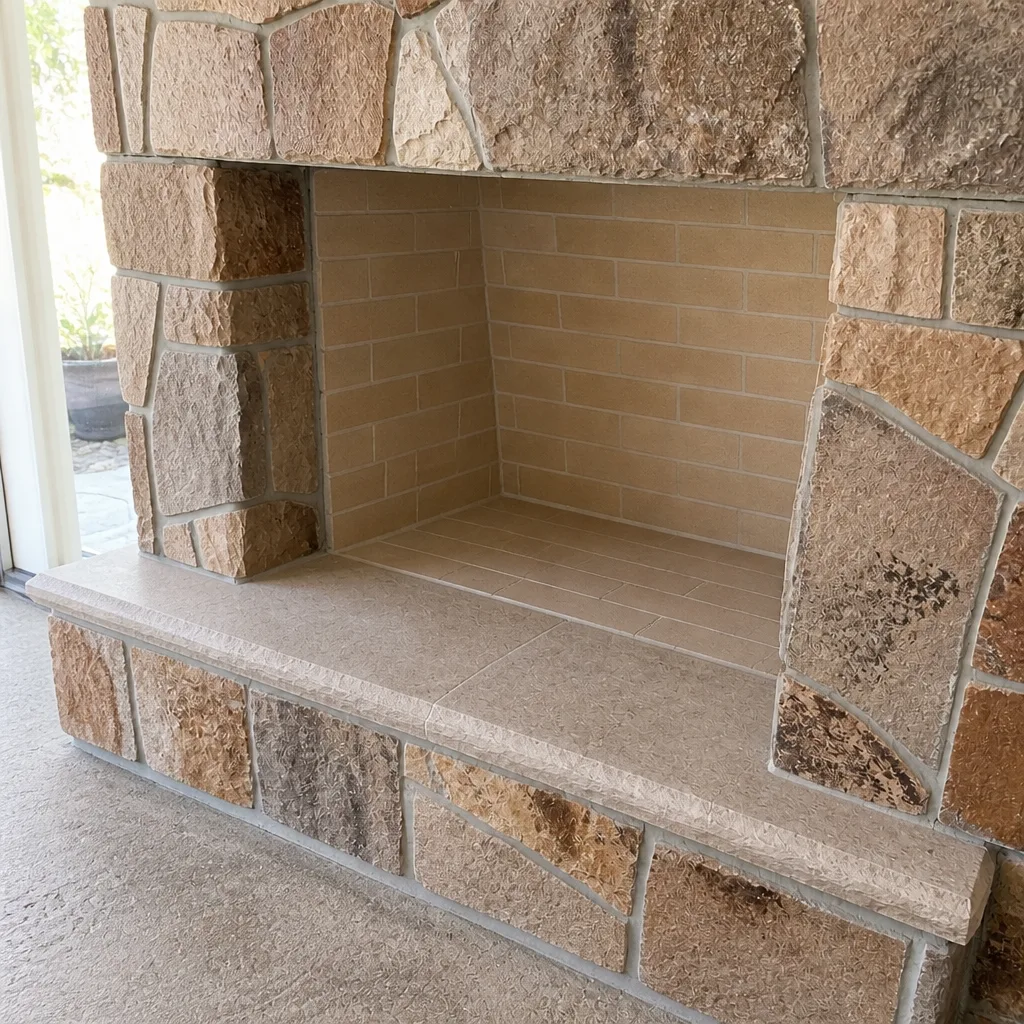 After
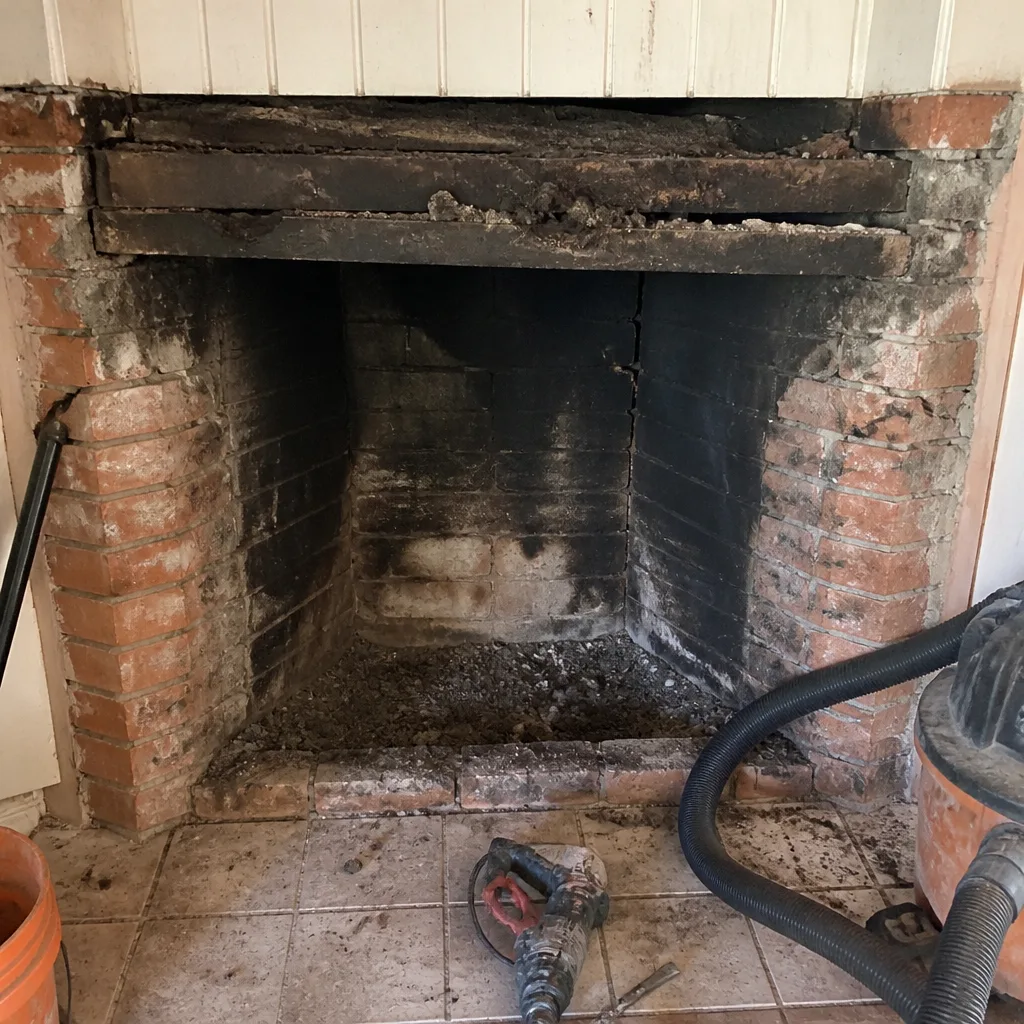 Before
 After
 Before
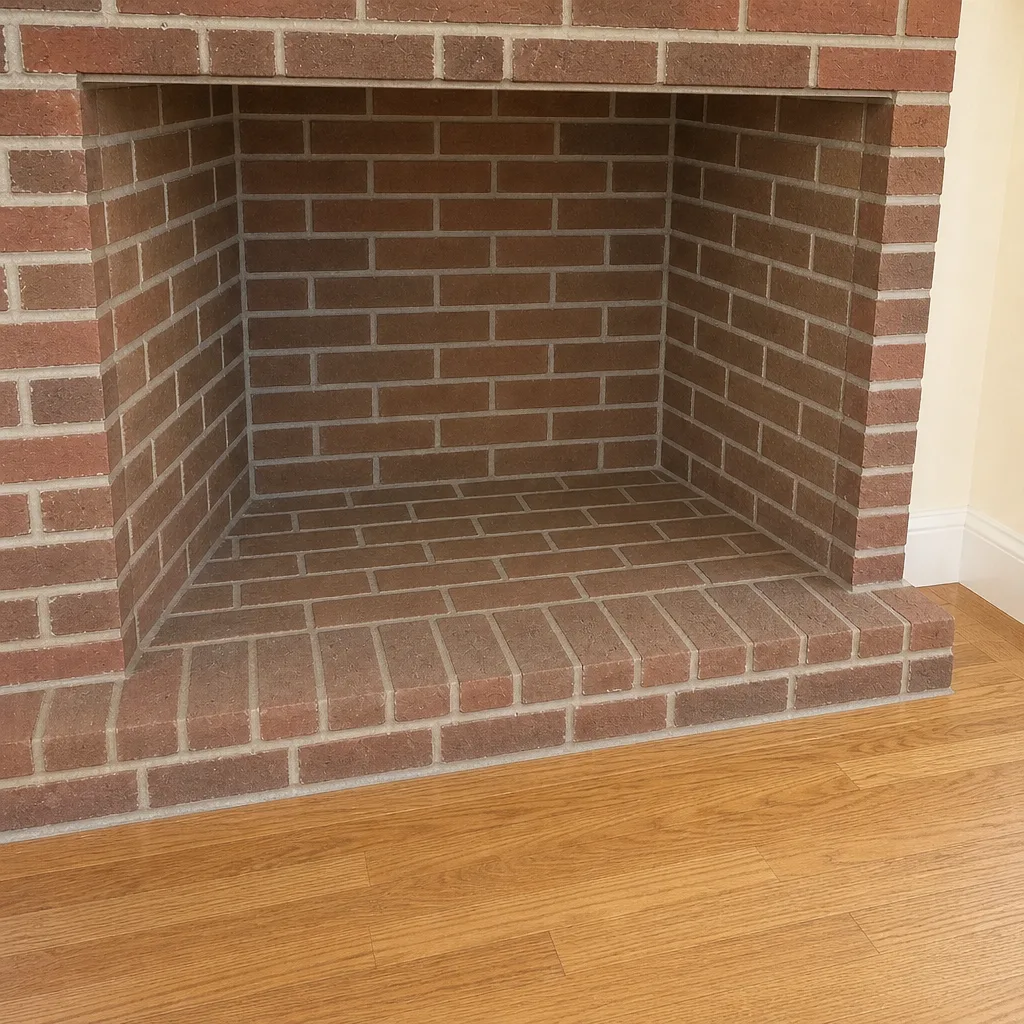 After
When to Call a Professional
Call a chimney professional any time you’ve had a fire, notice a smell you can’t identify, hear unusual sounds from the flue, spot a cracked crown or damaged cap, or it’s simply been more than a year since the last visit. North Las Vegas homeowners with wood-burning fireplaces, gas inserts, or older masonry chimneys all benefit from a yearly look-see even when nothing seems wrong. Our technicians have up to 15 years of experience and work with the professional-grade brands chimney professionals specify nationwide, including HeatShield ceramic resurfacing systems for liner repair and DuraFlex flexible liner systems for relining. Lancaster Chimney Cleaning offers free estimates in North Las Vegas. Call (855) 769-1102. We answer 24/7. Fast dispatch from 7am to 7pm, Sunday through Friday.
Frequently Asked Questions
Close the damper or fireplace doors if you can reach them in one motion, get everyone out of the house, and call 911 from outside. Don’t open the firebox to look, and don’t try to put water on the fire yourself. Stay outside until the fire department clears the scene. Call (855) 769-1102 for a post-fire inspection once the house is safe – estimates are free.
Look for puffy, honeycomb-textured creosote inside the flue, heat-discolored metal on the cap or damper, cracked flue tiles, or a strong acrid smell that lingers after the fire goes out. Any of these after a fire means an inspection is needed before the chimney is used again. Call (855) 769-1102 to book the inspection – estimates are free.
Sometimes, but not always. A camera scan of the flue is the only way to know whether the existing liner cracked or warped. If it’s structurally sound, a HeatShield resurfacing can often restore the flue for less than a full reline. If the damage is extensive, a DuraFlex flexible liner installation may be the right fix. We don’t recommend any repair without showing you the photo evidence. Call (855) 769-1102 for an inspection – estimates are free.
North Las Vegas sits in a desert basin with wide day-to-night temperature swings, and that cycle cracks mortar over time. Combined with drought stress on the chimney crown and shifting foundations in newer neighborhoods, hairline gaps can open where flue gases escape into the home. A CO alarm on every level and near every sleeping area is the practical safeguard. Call (855) 769-1102 to schedule an inspection – estimates are free.
Once a year for most homes that burn wood regularly, and more often if you burn frequently or burn wood that isn’t fully seasoned. The sweep is also the best time to catch problems before they become emergencies. Call (855) 769-1102 to book a chimney sweep – estimates are free.
A gas insert still needs an annual inspection, even though it doesn’t produce creosote. Depleted-ventilation issues, blocked flues, and vent-seal failures can all cause carbon monoxide to reach the room, and the annual visit is where those get caught. Call (855) 769-1102 to schedule an inspection – estimates are free.
The Bottom Line
Chimney fires in North Las Vegas are preventable, but the preparation that prevents them is quiet work: yearly sweeps, annual inspections with a camera scan, a CO alarm on every level, a properly seated cap, and a short document pack you can grab in a hurry. The response plan matters too, because a slow-burning chimney fire doesn’t present the way a house fire does. Close the damper if you can reach it, get everyone out, call 911 from outside, and don’t open the firebox. Then book the inspection, complete the repair, and don’t light another fire until the flue is cleared. That single sequence covers the most common failure we see. Everything else in this guide is built on the same principle: knowing what your chimney looks like inside before you need to know.
If you’re ready to schedule a sweep, an inspection, or a post-fire evaluation, we’d be glad to help. Lancaster Chimney Cleaning offers all three services under one roof, with materials from DuraFlex, HeatShield, Gelco, and Olympia Chimney. Call (855) 769-1102 for a free estimate. We answer 24/7. Fast dispatch from 7am to 7pm, Sunday through Friday. You can also learn more about Lancaster Chimney Cleaning and the services we provide to households across the valley.
Written by the team at Lancaster Chimney Cleaning.