
Last updated November 16, 2026
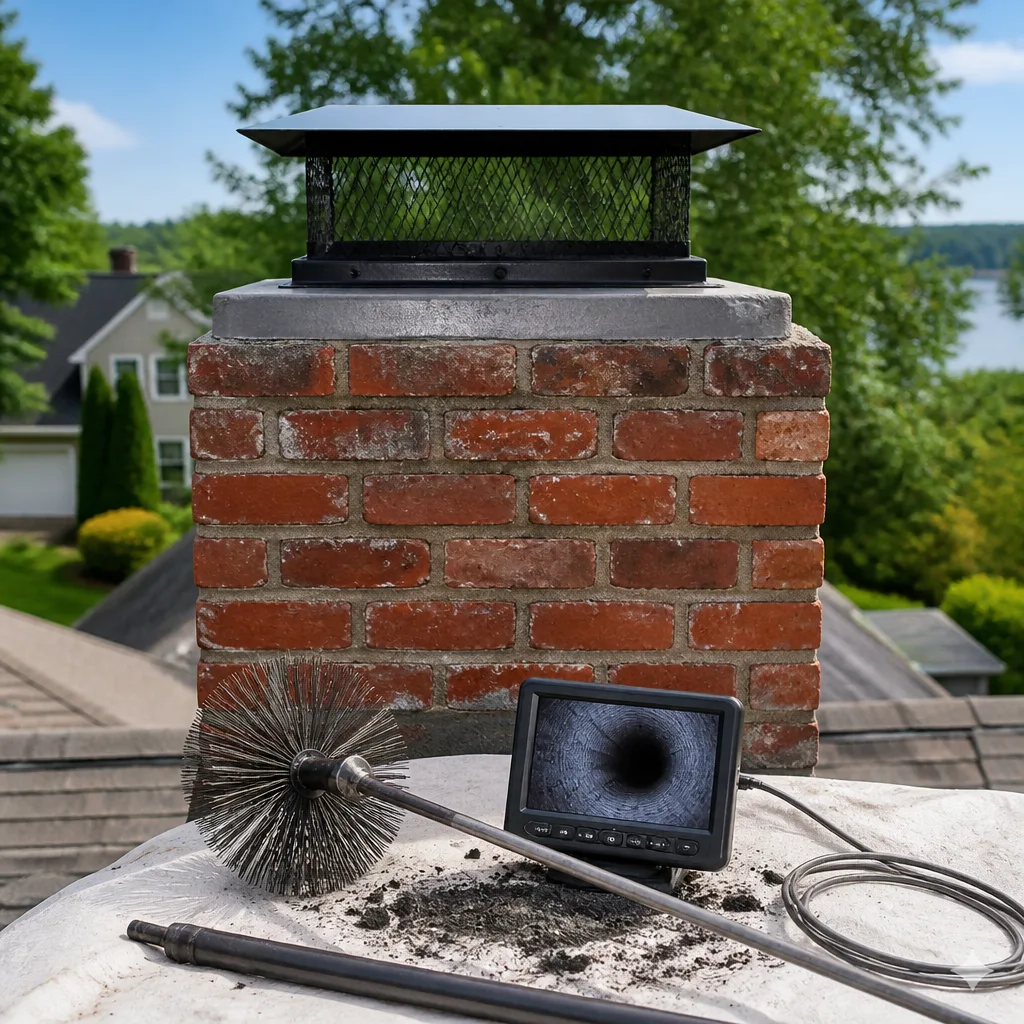 Sweep & inspection
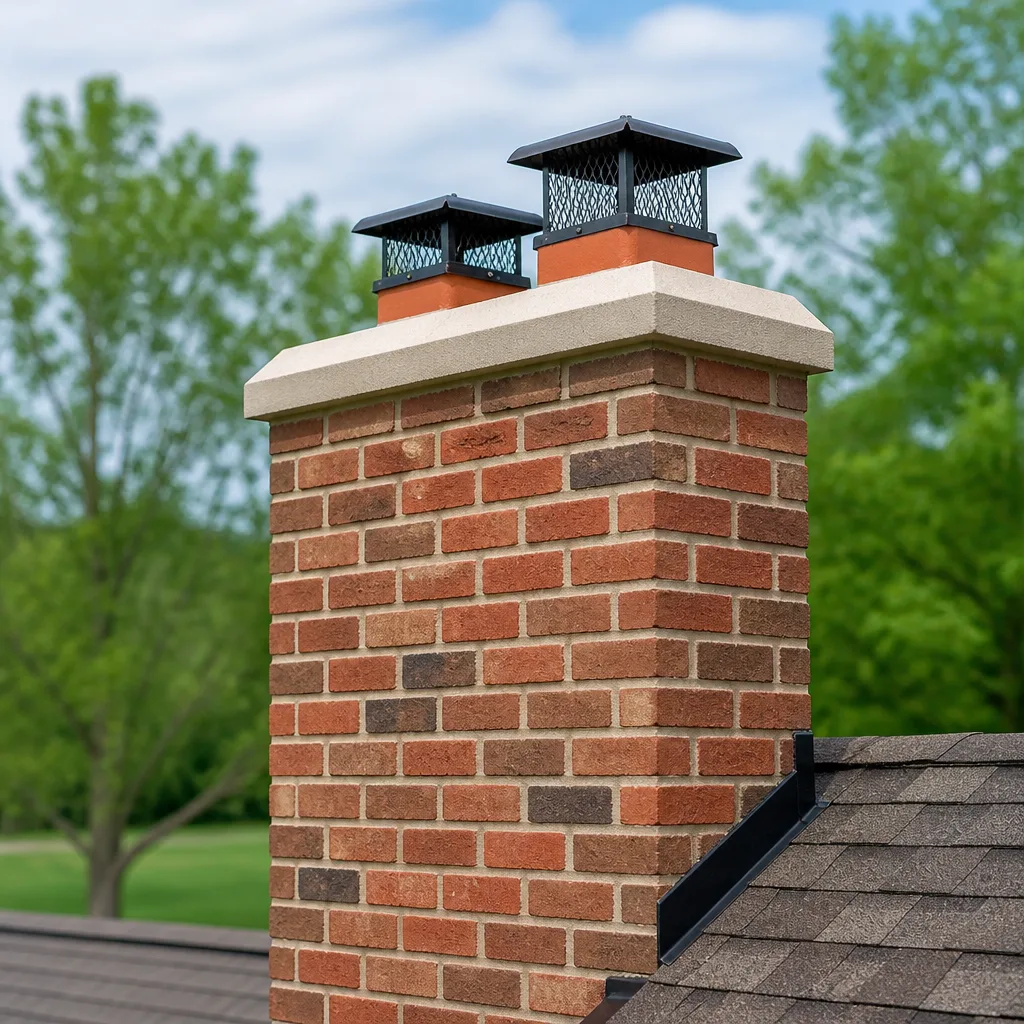 Caps & crowns
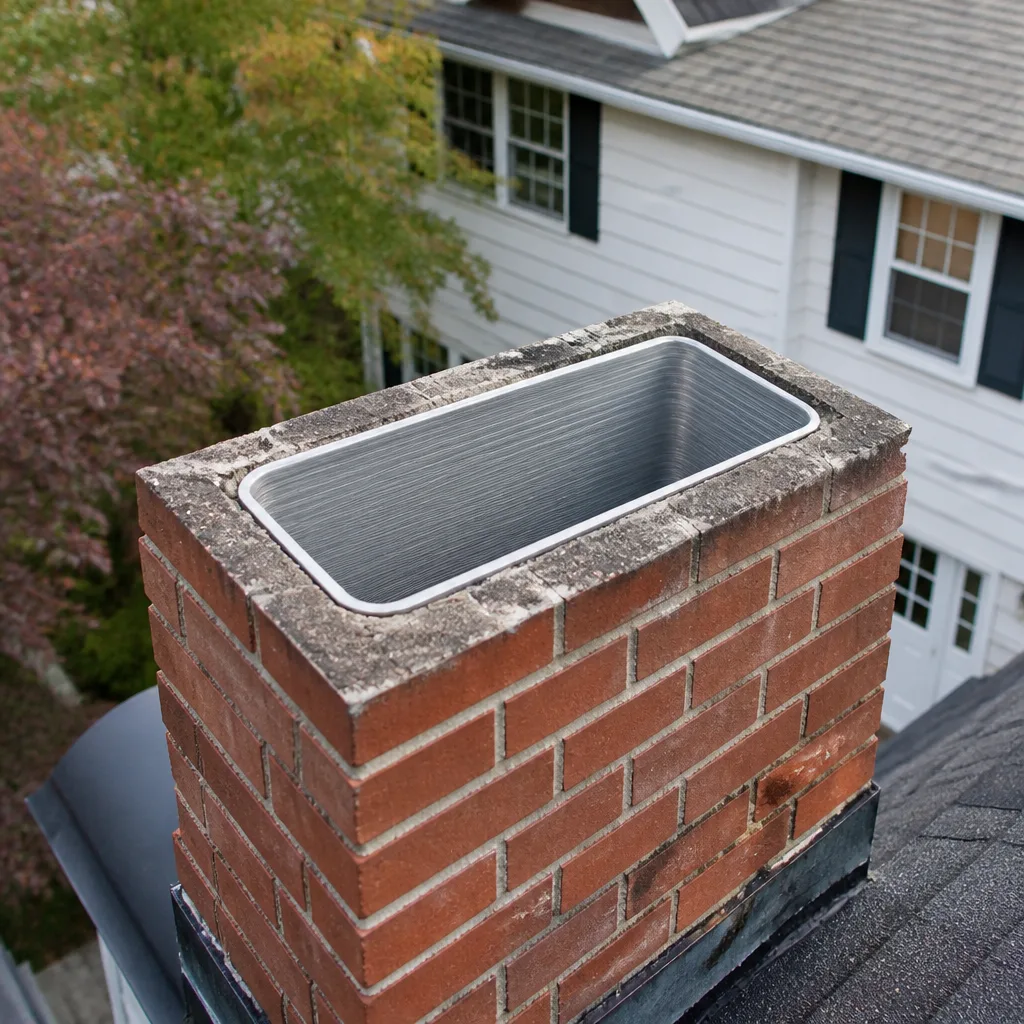 Flue relining
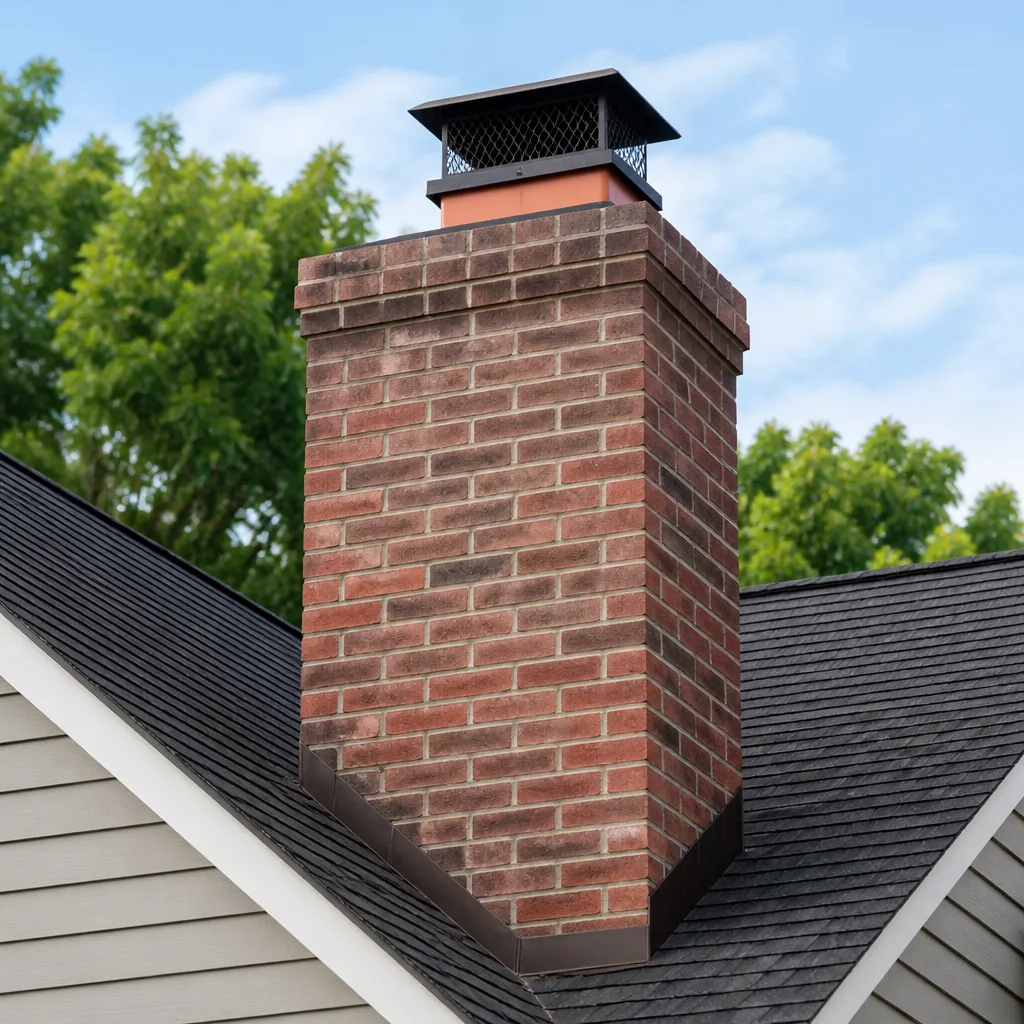 Masonry repair
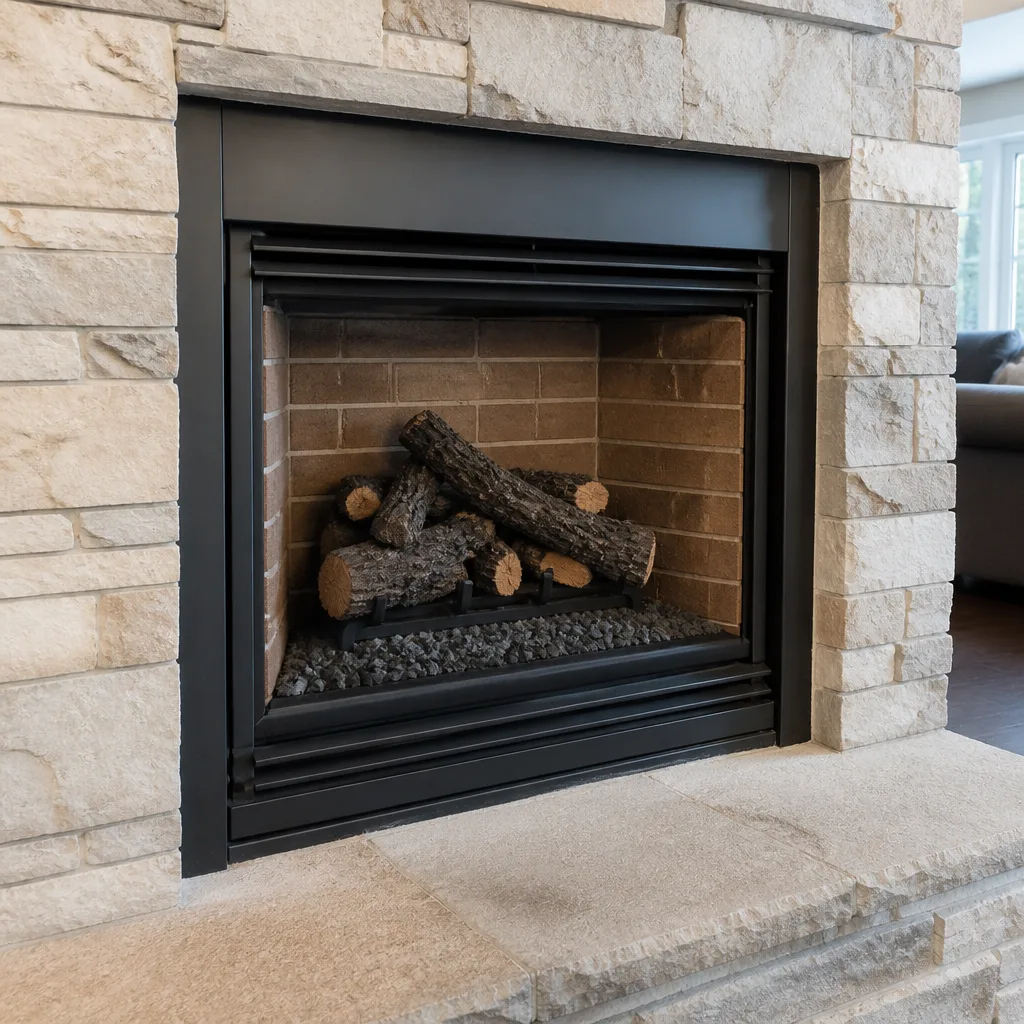 Gas fireplace service
Level 1 sweep and inspection to the NFPA 211 annual standard - flue, crown, cap, and flashing checked and photographed
Chimney sweep logs do not sweep chimneys. They loosen some creosote - which then falls where a brush and vacuum still have to collect it.
Chimney Sweep Maintenance Checklist for North Las Vegas Homeowners
The worst time to find a missing chimney cap or separated flashing is the first cool evening in October, when you light the season’s first fire and smoke backs into the room. Most homeowners here treat chimney care as a winter task, so everything gets checked in the same crowded month, after months of desert heat and monsoon rain have already done their work. That’s backwards. A North Las Vegas chimney needs attention spread across the calendar, and the most important items fall in spring and summer, when nobody’s thinking about the fireplace. This guide lays out a month-by-month checklist built for our climate, separates the jobs you can safely handle from the ones that need a professional’s camera and tools, and shows you how to document your chimney so slow deterioration gets caught while it’s still cheap to fix.
Quick Answer
A North Las Vegas chimney should be swept and inspected once a year, and the calendar here runs differently than the national one: seal the exterior before summer heat, inspect after monsoon season, and do your pre-use checkup in early fall before the first fire. Homeowners can handle visual checks, cap cleaning, and debris removal; anything involving the flue interior, liner, crown sealant, or flashing needs a professional with a camera and proper materials.
Styles & brands we work with
- Sweep & inspection
- Caps & crowns
- Flue relining
- Masonry repair
- Gas fireplace service
Table of Contents
- Why North Las Vegas Chimneys Follow a Different Calendar
- Spring: Pre-Summer Dust Sealing and Exterior Prep
- Late Summer: Post-Monsoon Inspection
- Fall: The Pre-Use Checkup
- Winter: What to Watch Between Fires
- What You Can Check Yourself vs. What Needs a Professional
- How to Document Your Chimney Year Over Year
- Common Mistakes to Avoid
- When to Call a Professional
Why North Las Vegas Chimneys Follow a Different Calendar
The national chimney-care advice you’ll find online assumes a cold, wet climate where the freeze-thaw cycle is the main enemy. That advice doesn’t fit here. What damages a chimney in North Las Vegas is sustained summer heat, intense sun exposure on the crown and cap, wind-driven dust that finds every crack, and the sudden, violent rain of monsoon season. Each of those works on a different schedule, so a checklist built around winter does almost nothing to protect the masonry through the months that actually stress it.
Our summers push masonry through repeated expansion and contraction. The cap and crown, which take the full sun, dry out and hairline-crack. Dust settles into those cracks and, when monsoon rain arrives, turns to a thin mud that works its way deeper. The stucco at the chimney base, common on homes across North Las Vegas, is especially prone to checking and separation where it meets the roofline. Left alone through one summer, a small crack becomes a place where water gets behind the stucco and into the framing.
The point is simple: the tasks that protect a chimney here happen in the hot, dry, and rainy months, not just in the cold ones. Spread the work across the year and each job is small. Compress it all into October and you’re reacting to damage instead of preventing it. Our technicians have up to 15 years of experience working in this climate, and the pattern is consistent: chimneys that get spring and post-monsoon attention need far less structural repair than those that only get a fall once-over.
Spring: Pre-Summer Dust Sealing and Exterior Prep
Spring is when you set the chimney up to survive the summer, and it’s the step nearly every homeowner skips. The goal is to seal out dust and water before the heat and the rains arrive. Think of it as weatherproofing, done while the weather is still mild.
Walk the exterior of the chimney from the ground. On a single-story home you can see most of what matters; on a two-story chimney, use binoculars rather than a ladder. What you’re looking for:
- Crown condition. The concrete crown at the top should shed water away from the flue. Look for visible cracks, crumbling edges, or a crown that has pulled away from the flue tile.
- Cap and spark arrestor. The cap keeps rain, birds, and debris out of the flue. A bent, rusted, or missing cap is the single most common exterior issue we find on North Las Vegas homes.
- Stucco at the base. Check where the chimney meets the roof and the wall. Hairline cracks and separation are normal here given the sun exposure; wide gaps or soft spots are not.
- Flashing. The metal that seals the chimney to the roof should be tight and rust-free. Separated flashing is a slow leak that shows up as a stain on the ceiling months later.
Cleaning dust and debris off the cap and crown in spring matters more here than in wetter climates, because that dust becomes the mud that seeds cracks when the monsoon comes. Sealing hairline cracks in a crown is a job for a proper masonry sealant, not a tube of caulk from a hardware store; a sealant that isn’t rated for sustained UV and heat will fail within a season and leave you thinking the crack was fixed. If you’re unsure whether what you’re seeing needs sealing or repair, that’s a good moment to book a professional inspection. Our chimney repair service covers crown and flashing work before summer gets here.
Late Summer: Post-Monsoon Inspection
Monsoon season is the real test for a North Las Vegas chimney. The rain arrives fast and hard, driven sideways by wind, and it finds every weakness in the exterior envelope. Once the storms taper off in late summer, that’s the moment to check what got through.
This is the inspection that catches water intrusion before it spreads. A thorough post-monsoon check looks at things a ground-level walk can’t fully assess:
- Interior water staining. Look at the ceiling and walls near the chimney, and inside the firebox, for new discoloration or efflorescence (the white, chalky deposit that signals moisture moving through masonry).
- Cap and crown after the storms. Wind-driven rain and debris can crack a crown or dislodge a cap that was fine in spring. Re-check the same items you inspected in the spring.
- Flashing and roof sealant. Monsoon rain is the best detector of a flashing leak. Any water finding its way in will typically show up here.
- The flue interior. This is where a professional camera earns its place. Water that gets past a damaged crown or a missing cap can run down the inside of the flue, softening mortar joints and staining the liner. You can’t see that from below with a flashlight.
In our experience, the homes that end up needing major masonry work are almost always the ones where a post-monsoon moisture problem went unaddressed for a season or two. Catching it in late summer, while the weather is still dry, gives you time to get repairs done properly before the burning season starts. That’s the whole reason the seasonal timing matters: it moves you from emergency to planned.
Fall: The Pre-Use Checkup
The fall checkup is the one everyone remembers, and it’s the one that should be the easiest because you’ve already done the heavy lifting. This is where you confirm the chimney is ready for the first fire and get the annual sweep and inspection done before the season’s demand picks up.
The most important fall task is the annual sweep and professional inspection. Creosote builds up in the flue every time you burn, and it’s flammable. A flue with heavy creosote is a chimney fire waiting for the right conditions, and the only way to know how much is in there is to look. A professional sweep removes it and, just as importantly, the inspection that comes with it tells you whether the liner, cap, and joints are sound before you start lighting fires.
Fall is also when you should book, not wait. As the first cool evenings arrive, schedules across the valley fill up, and a chimney that needs a repair discovered in October may mean delaying the first fire. Getting the sweep and inspection done in early fall leaves room to address anything the inspection turns up without rushing. If you’re not sure how long it’s been since your last sweep, that’s reason enough to book one.
Between the professionals’ visits, there’s a short fall checklist you can do yourself:
- Clear any bird nests, leaves, or debris from the firebox and the base of the flue.
- Confirm the damper opens and closes smoothly and seals when closed.
- Check that the cap is still in place and clear.
- Test your smoke and carbon monoxide detectors, and replace batteries.
The carbon monoxide point isn’t filler. A blocked or damaged flue is one of the ways combustion gases can end up in your living space instead of going up and out. A properly lined flue isn’t optional; it’s what keeps those gases out of your home. That’s why the fall inspection focuses on the liner as much as on creosote.
Winter: What to Watch Between Fires
Once the burning season starts, your job is mostly observation. You’re not doing maintenance in winter so much as watching for the warning signs that a fire shouldn’t be lit. A few simple habits catch most problems early.
Watch for smoke that doesn’t draw up the flue cleanly, a fire that’s hard to start or keeps dying, or a strong, acrid smell in the room when the fireplace isn’t in use. Those can point to a blockage or a drafting problem, and they’re worth investigating before the next fire rather than after. Pay attention to the color and volume of smoke from the chimney: dense, dark smoke on a regular basis usually means you’re not getting complete combustion, which builds creosote faster. Burn dry, well-seasoned wood and keep the fire burning hot and clean rather than smoldering.
Keep an eye on the exterior through the winter too. North Las Vegas winters are mild, but wind and the occasional cold snap can loosen a cap or work a flashing seam. A quick ground-level look after a windy stretch costs nothing. If you ever smell gas near a gas fireplace or insert, or a detector sounds, treat it as an immediate safety issue: stop using the appliance and get a professional out. Gas lines and combustion appliances are not a place for guesswork.
If something looks wrong mid-season, don’t wait for spring. Call (855) 769-1102. We answer 24/7, and a call outside dispatch hours is booked into the next opening. The earlier a problem is caught, the less it costs to fix.
What You Can Check Yourself vs. What Needs a Professional
Knowing where the line sits keeps you safe and saves you from paying for work you could do, or from skipping work that’s genuinely dangerous. The rule of thumb: anything you can see from the ground or reach from the hearth is fair game for a homeowner. Anything inside the flue, on the roof, or involving sealants and liners is not.
Reasonable for most homeowners:
- Ground-level visual checks of the cap, crown, stucco, and flashing, using binoculars for anything high.
- Clearing debris, leaves, and nests from the firebox and the visible base of the flue.
- Testing the damper and confirming it seals.
- Testing smoke and carbon monoxide detectors.
- Keeping a simple log and photos of what you see each season.
Needs a professional:
- Any inspection of the flue interior, which requires a camera to see past the first few feet.
- Sweeping, because a proper sweep uses the right brushes and captures the creosote rather than spreading it through the house.
- Anything on the roof: caps, crowns, flashing, and chimney-top work involve height and the risk of a fall.
- Crown and masonry sealing, which needs sealants rated for this climate and applied correctly.
- Liner work of any kind. A damaged liner is a safety issue, not a cosmetic one.
The materials matter as much as the labor. When a liner needs attention, there are two main approaches: resurfacing an intact-but-deteriorated flue with a HeatShield ceramic system, or relining with a flexible DuraFlex liner when the flue is too far gone or undersized. Both are professional systems, and both work far better than a hardware-store patch. Ask which liner system fits your flue before committing to anything. For caps and venting hardware, we source purpose-built components from makers like Gelco and Famco, because a cap is a safety device, not a decoration. See our chimney sweep page for how the annual service fits together.
How to Document Your Chimney Year Over Year
Chimneys fail slowly. The crack that’s a hairline this year is a channel for water next year and a structural repair the year after. Documentation is how you catch that slide before it gets expensive, and it takes almost no effort once you build the habit.
Start a simple folder, digital or paper, and put the same things in it every year:
- Dated photos. Take the same exterior shots each spring and after each monsoon season: the cap, the crown, the stucco at the base, the flashing. Same angle, same distance, so you can compare.
- Inspection reports. Keep every professional inspection report with its date. The report is your record of what the flue looked like, and the notes on the liner and joints are what let you see change over time.
- Sweep records. Note the date of each sweep and roughly how much creosote was removed. If the amount creeps up year over year, your burning habits or your wood may need adjusting.
- Repair history. Log any repair, the material used, and the date. Knowing a crown was sealed with a HeatShield system in a given year tells you its expected lifespan.
The value shows up in the comparison. A photo you took last spring, set beside this spring’s, makes a widening crack obvious; without it, a slowly changing chimney looks normal because it looks the way it looked yesterday. When you can show a professional a dated record, the inspection becomes more targeted and the recommendation is easier to trust. If you’re starting from zero, begin this year and build the record forward.
Common Mistakes to Avoid
- Treating chimney care as a winter-only task. The damage here happens in summer heat and monsoon rain, so a fall-only checkup misses the two seasons that stress your chimney most. Spread the work across the year.
- Patching cracks with the wrong sealant. Standard caulk fails fast under North Las Vegas sun and heat, leaving you believing a crack is sealed when it’s open. Sealing should use a masonry product rated for this climate, applied correctly.
- Ignoring the cap because the fireplace still works. A missing or damaged cap doesn’t stop the fire from burning; it lets rain, birds, and debris into the flue, and the damage shows up later. The cap is the cheapest thing to fix and the most commonly neglected.
- Putting off the annual sweep until the first cold night. Schedules fill as the season starts, and a repair found in October can delay your first fire. Book early in the fall, or better, sweep in the off-season.
- Assuming a liner that looks intact from the hearth is sound. You can only see the first few feet of a flue from below. The joints and liner higher up are where deterioration hides, and a camera is the only way to check them.
- Letting stucco cracks go because they look cosmetic. Stucco at the chimney base is common on North Las Vegas homes, and cracks there let water behind the finish and into the framing. Wide gaps and soft spots need attention, not a coat of paint.
- Skipping the paper trail. Without dated photos and reports, slow deterioration looks like normal wear until it’s a big repair. Keep a simple file and compare year to year.
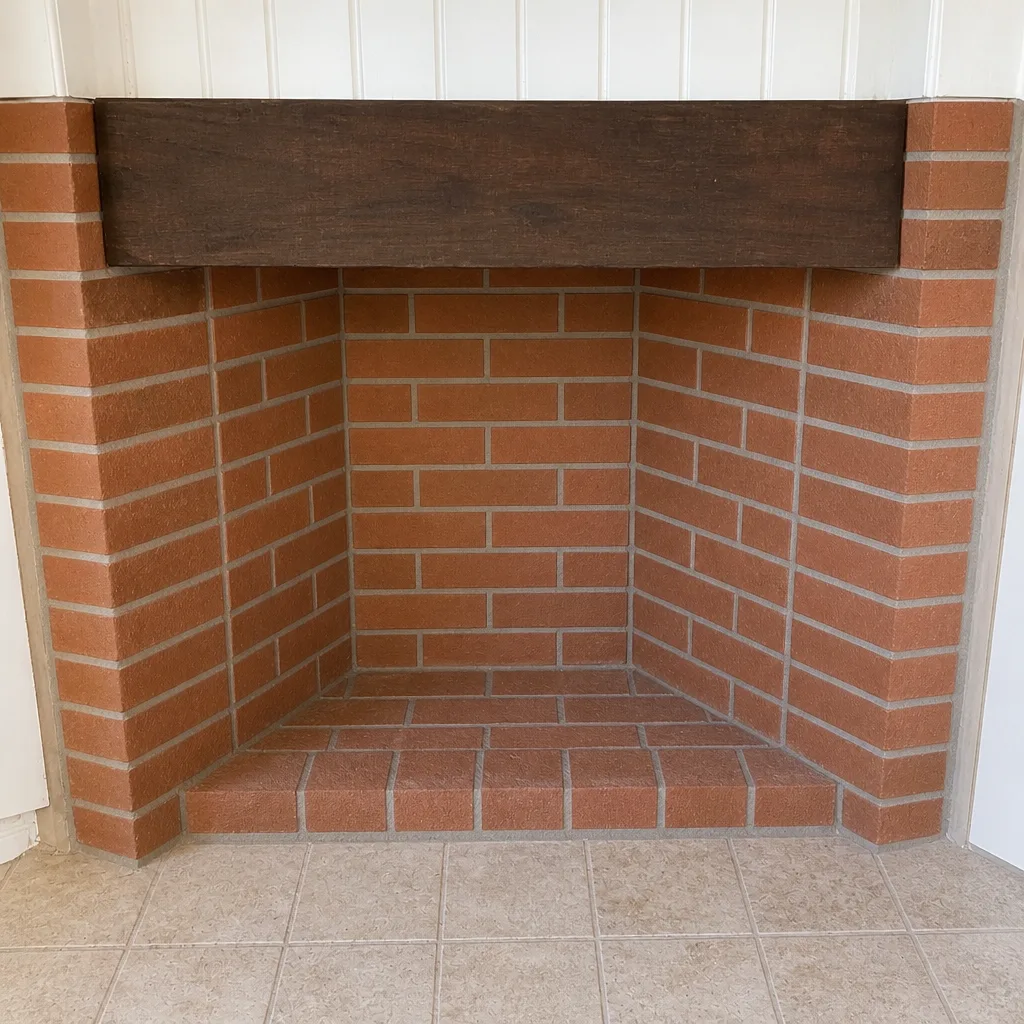
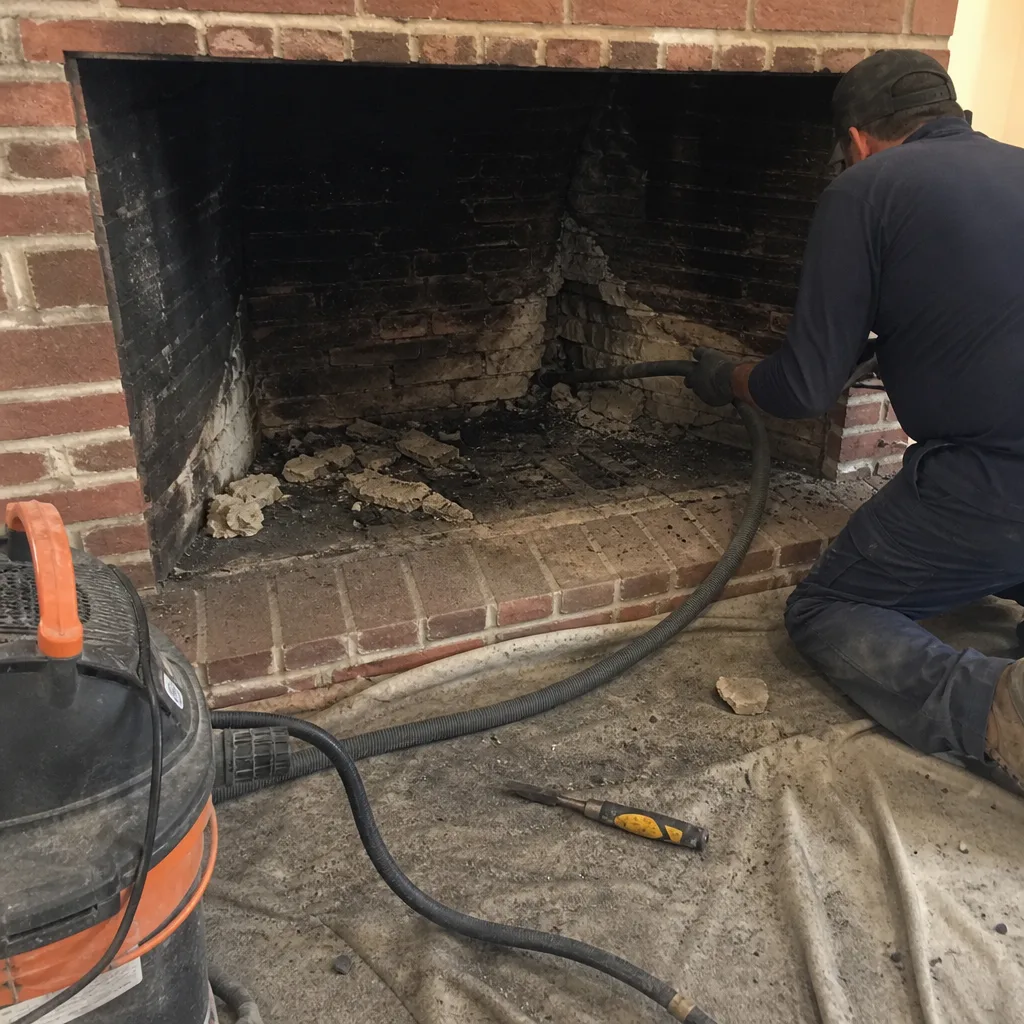
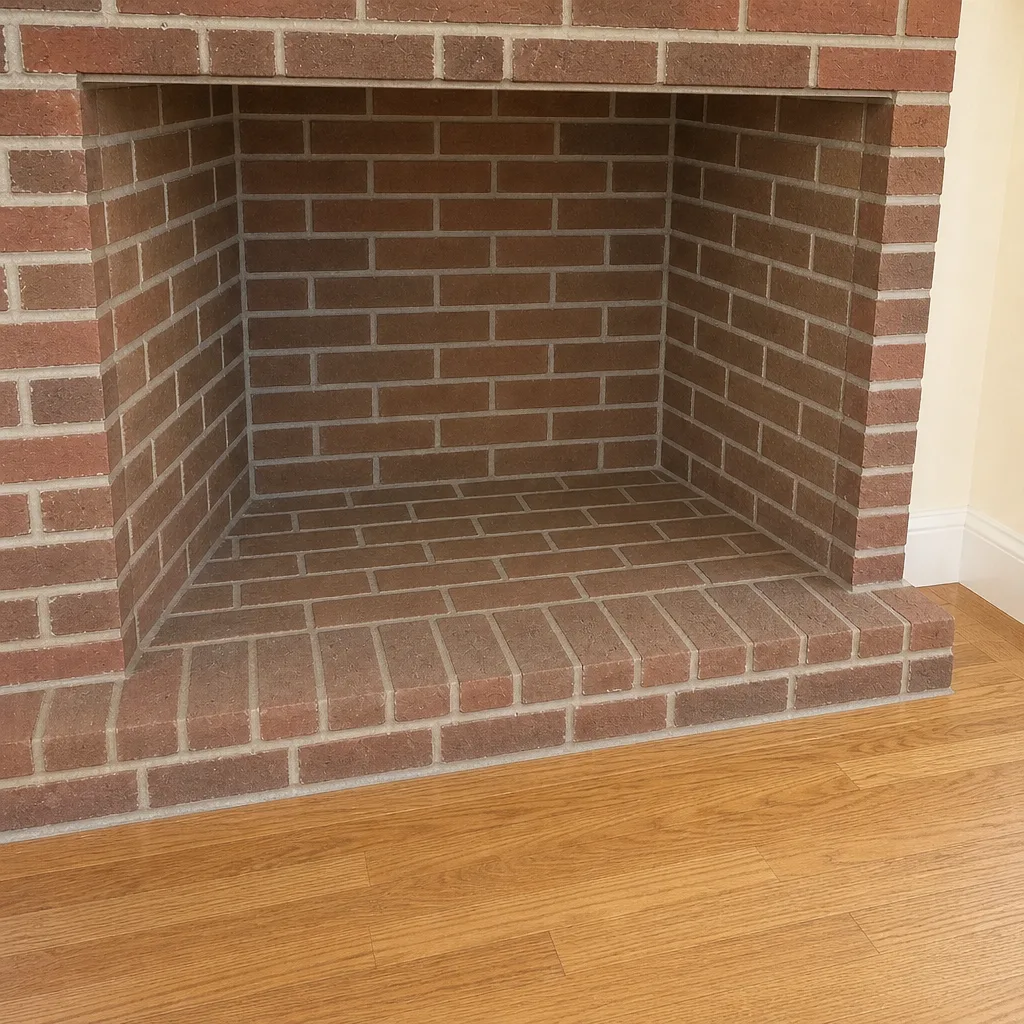
See the difference
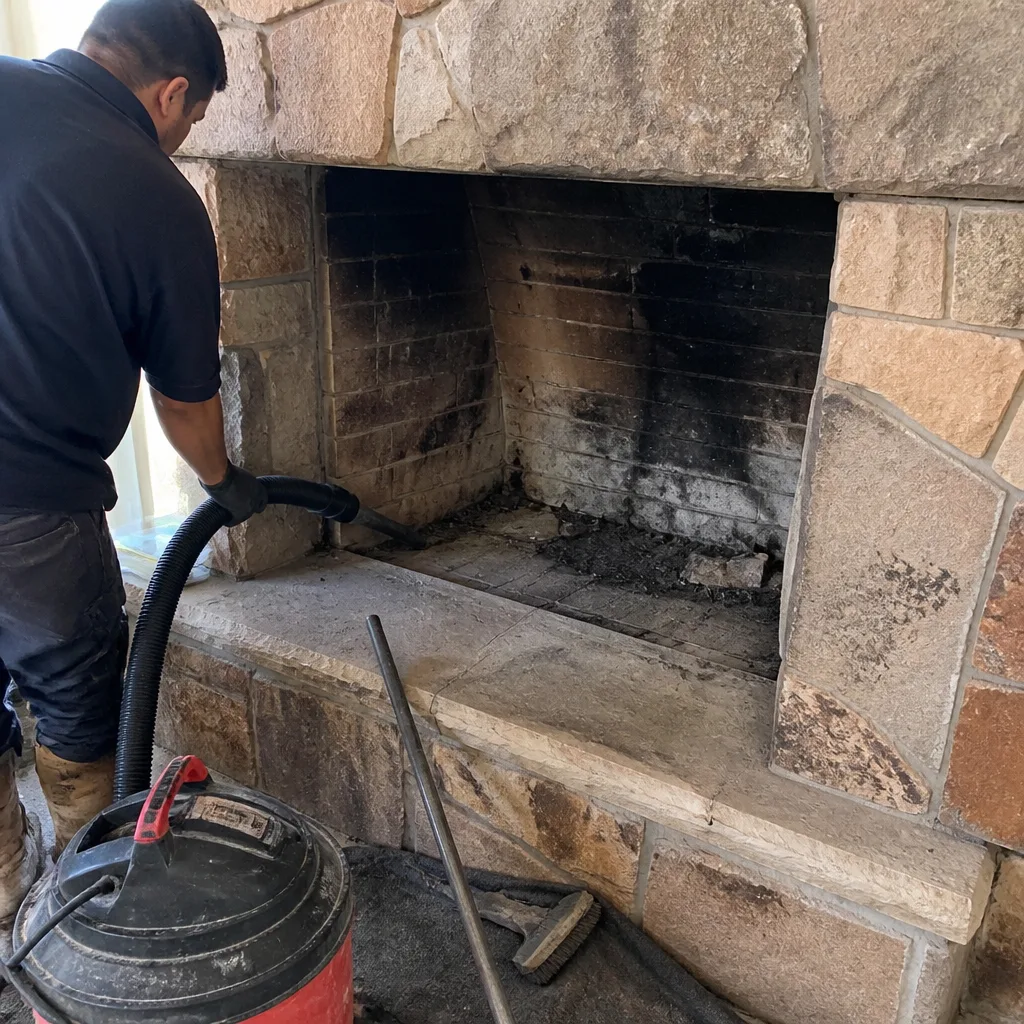 Before
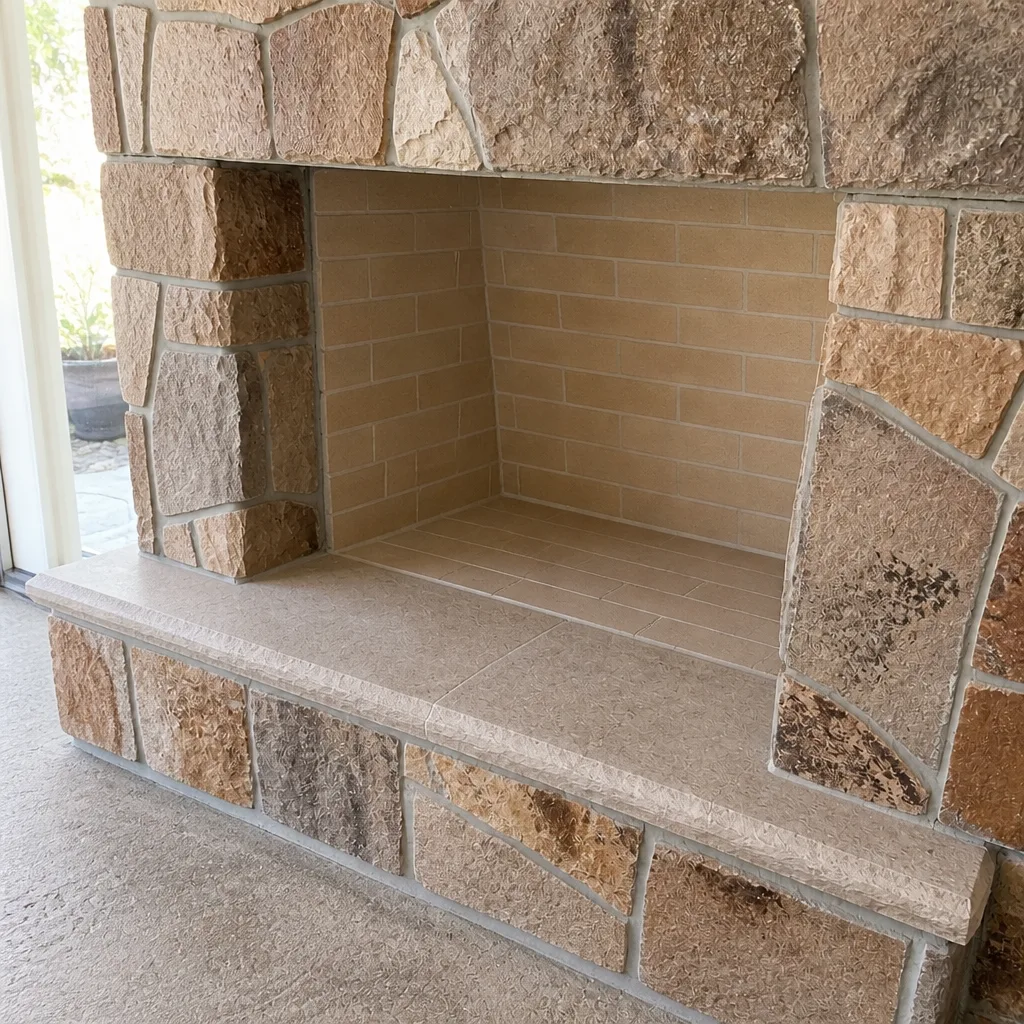 After
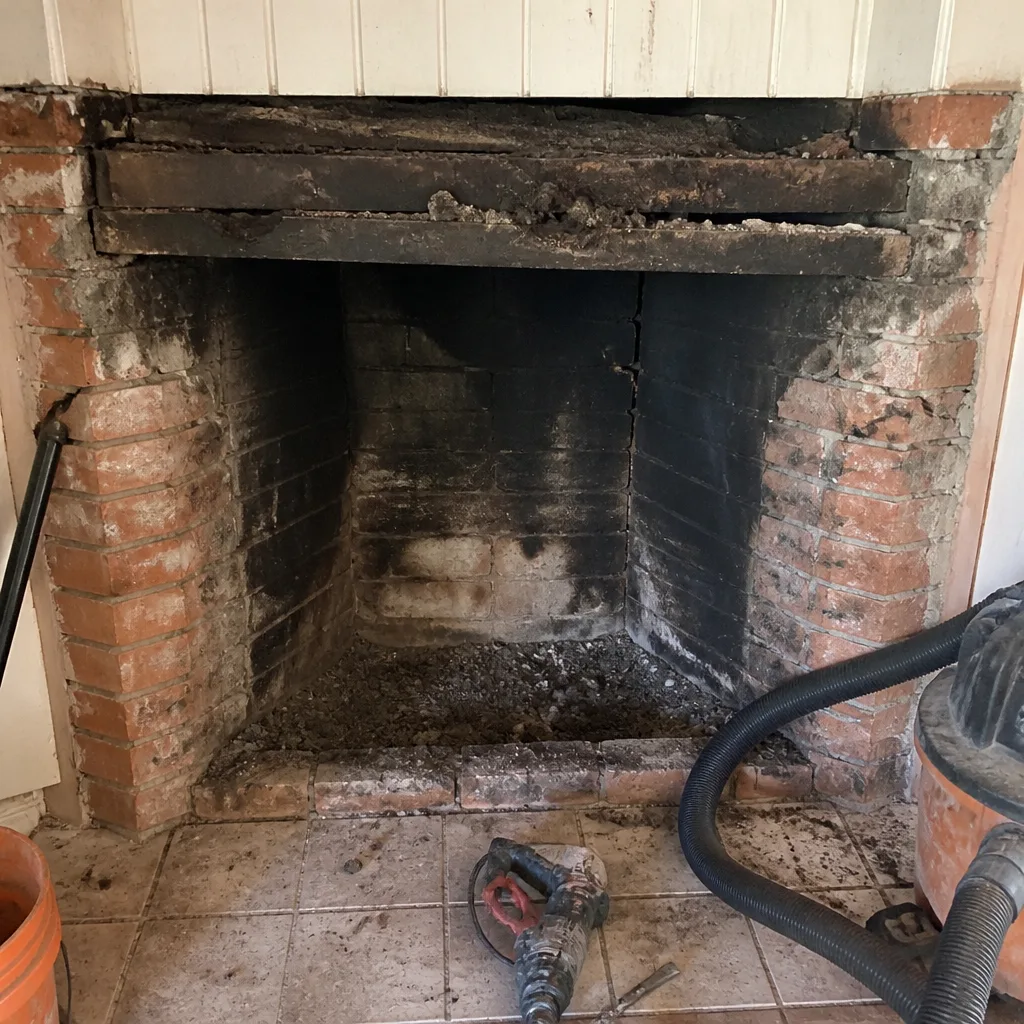 Before
 After
 Before
 After
When to Call a Professional
Some situations are always a call, not a DIY project. Call a professional if you see water stains, efflorescence, or discoloration near the chimney; if the cap is missing, bent, or rusted through; if the crown has visible cracks or has pulled away from the flue; if the flashing is separated from the roof; if stucco at the base has wide gaps or soft spots; or if you smell gas, notice smoke backing into the room, or have any doubt about the liner. Any of those points to water intrusion, a safety concern, or liner damage that only a camera inspection can confirm. Lancaster Chimney Cleaning offers free estimates in North Las Vegas; call (855) 769-1102. We answer 24/7. Fast dispatch from 7am to 7pm, Sunday through Friday, so whether it’s a fall checkup or a monsoon-season problem, we can get you an honest answer and a written estimate.
Frequently Asked Questions
Once a year, at minimum, and a professional inspection should come with every sweep. In this climate, the best time is early fall, before the first fire, with a separate exterior check in spring and after monsoon season. If you burn heavily or notice any of the warning signs in this guide, get it looked at sooner rather than waiting for the annual visit.
Yes, within limits. Ground-level visual checks, clearing debris from the firebox, testing the damper, testing detectors, and keeping dated photos are all safe for a homeowner. Anything involving the flue interior, the roof, crown and masonry sealing, or the liner needs a professional, because those jobs involve a camera, height, or materials that must be rated for this climate to work.
Because the damage here comes from summer heat, intense sun on the cap and crown, wind-driven dust, and monsoon rain, not from a long freeze-thaw winter. That means the tasks that protect a chimney fall in spring (sealing before summer) and late summer (checking for water intrusion after the monsoon), with the fall checkup confirming the flue is ready to use.
Creosote builds up in the flue every time you burn, and it’s flammable, so a heavily coated flue is a chimney fire risk. Skipping the sweep also means skipping the inspection, which is how water intrusion and liner damage get caught early. Left long enough, both turn into repairs that cost far more than a sweep.
That depends on what the camera shows, and it’s the reason we inspect before recommending anything. When the flue is structurally sound but deteriorated, a HeatShield ceramic resurfacing system can restore it without a full replacement. When the flue is too far gone or undersized, a DuraFlex flexible liner is the professional solution. You should never be told you need liner work without seeing the evidence yourself.
A missing or badly damaged cap, separated flashing, fresh water stains inside near the chimney, or wide cracks and soft spots in the stucco at the base. Each points to water getting in or a safety device that’s failed. Call (855) 769-1102. We answer 24/7, and a call outside dispatch hours is booked into the next opening, so we can get out, look, and give you a written estimate.
The Bottom Line
A chimney in North Las Vegas needs care spread across the whole year, not crammed into fall. Seal the exterior before summer heat in spring. Inspect for water intrusion after the monsoon in late summer. Do the sweep and flue inspection in early fall, before the first fire. Handle the ground-level checks yourself, and leave the flue interior, roof, sealing, and liner work to a professional with a camera and the right materials. Keep a dated file of photos and reports so you can spot slow deterioration before it becomes a big repair. That calendar, followed consistently, is what keeps a chimney safe and keeps small problems small. And when any check turns up something you’re unsure about, you don’t have to guess.
Call (855) 769-1102 for a free estimate. We answer 24/7. Fast dispatch from 7am to 7pm, Sunday through Friday. Lancaster Chimney Cleaning handles sweeping, chimney repair, and inspection as a single source, using professional-grade materials from makers like Olympia Chimney, Copperfield, Gelco, and Famco. When it’s time to schedule your chimney sweep, we’ll walk you through exactly what we find. If you’re a homeowner in North Las Vegas, start this year’s checklist with Lancaster Chimney Cleaning.
Written by the team at Lancaster Chimney Cleaning.