
Last updated November 16, 2026
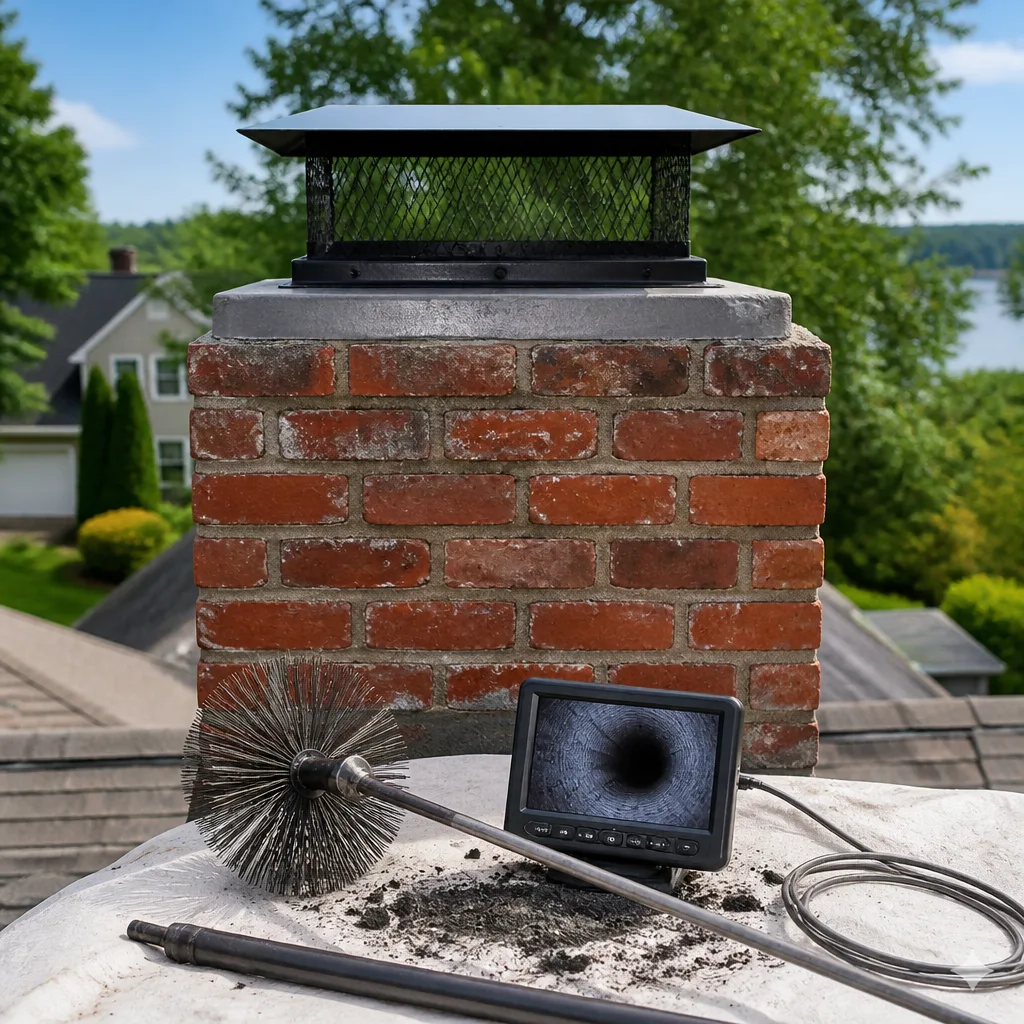 Sweep & inspection
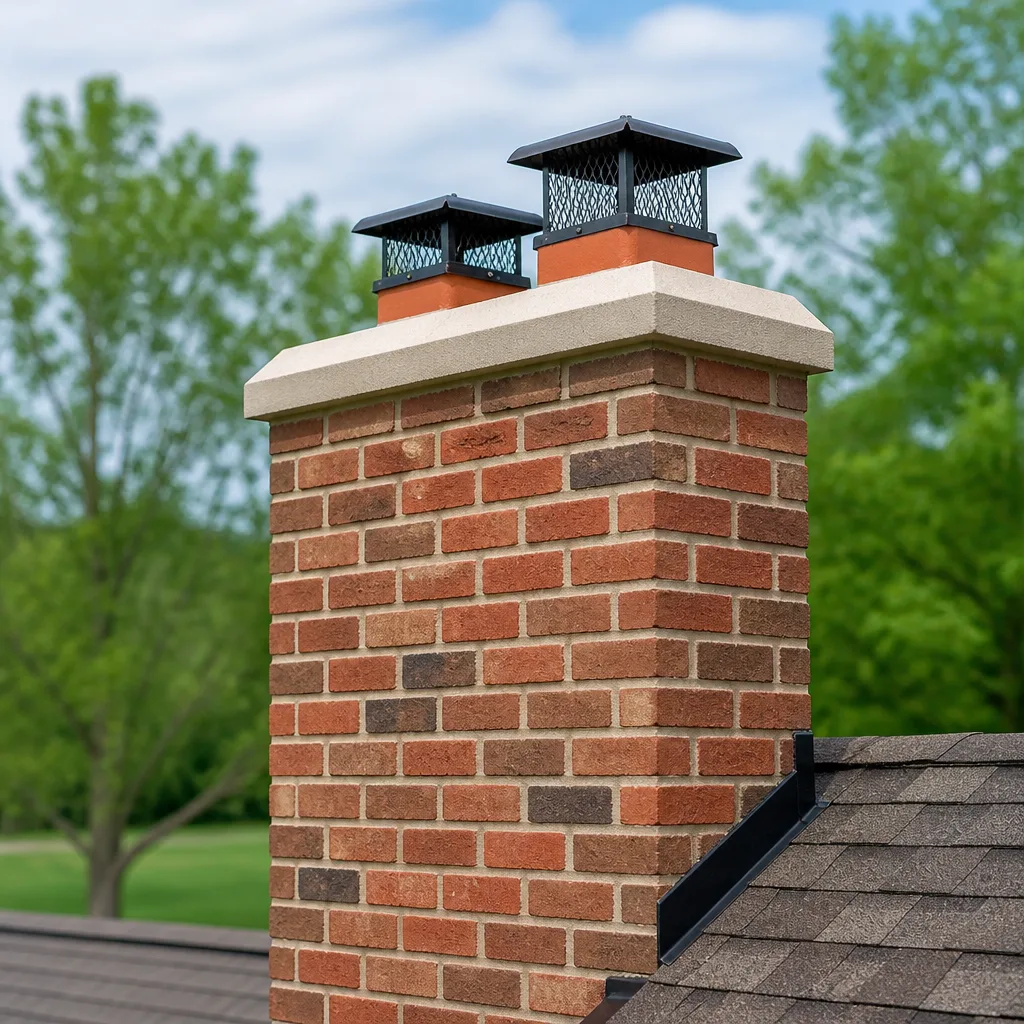 Caps & crowns
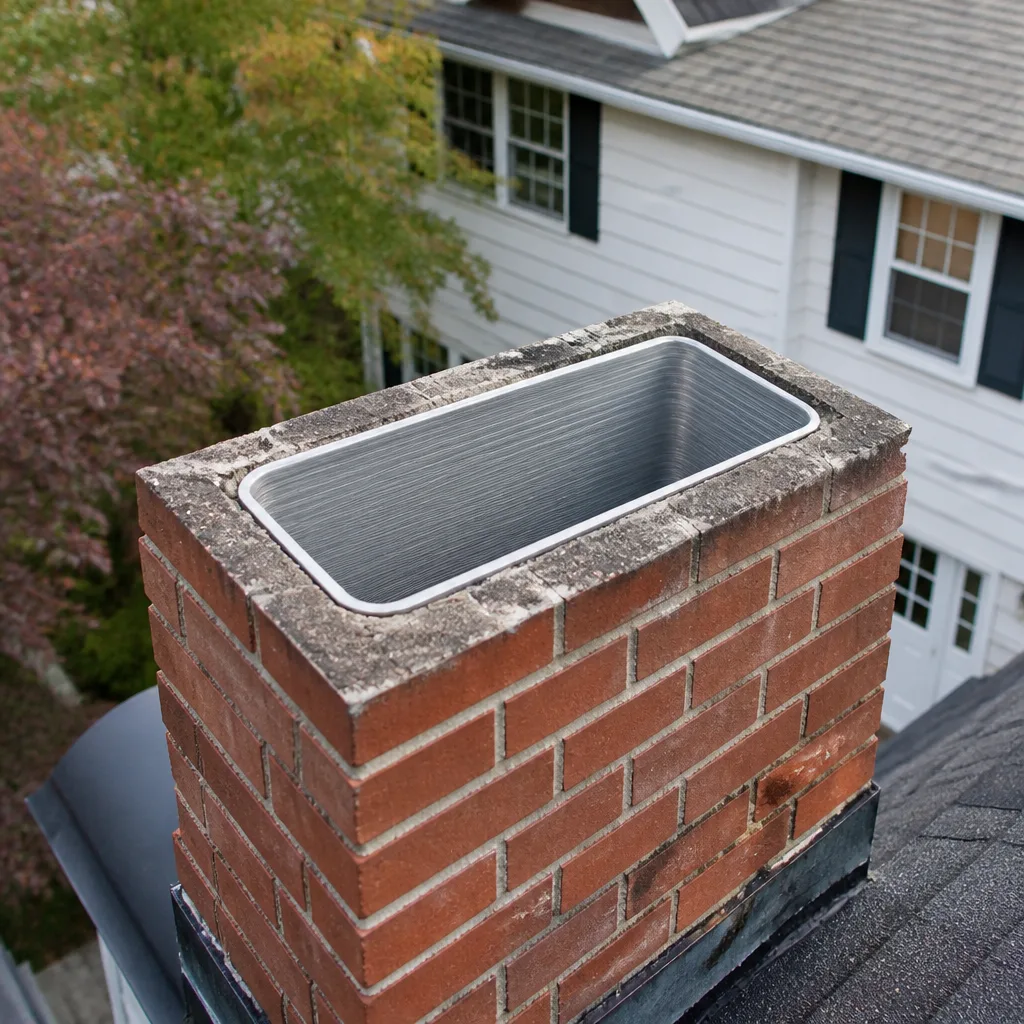 Flue relining
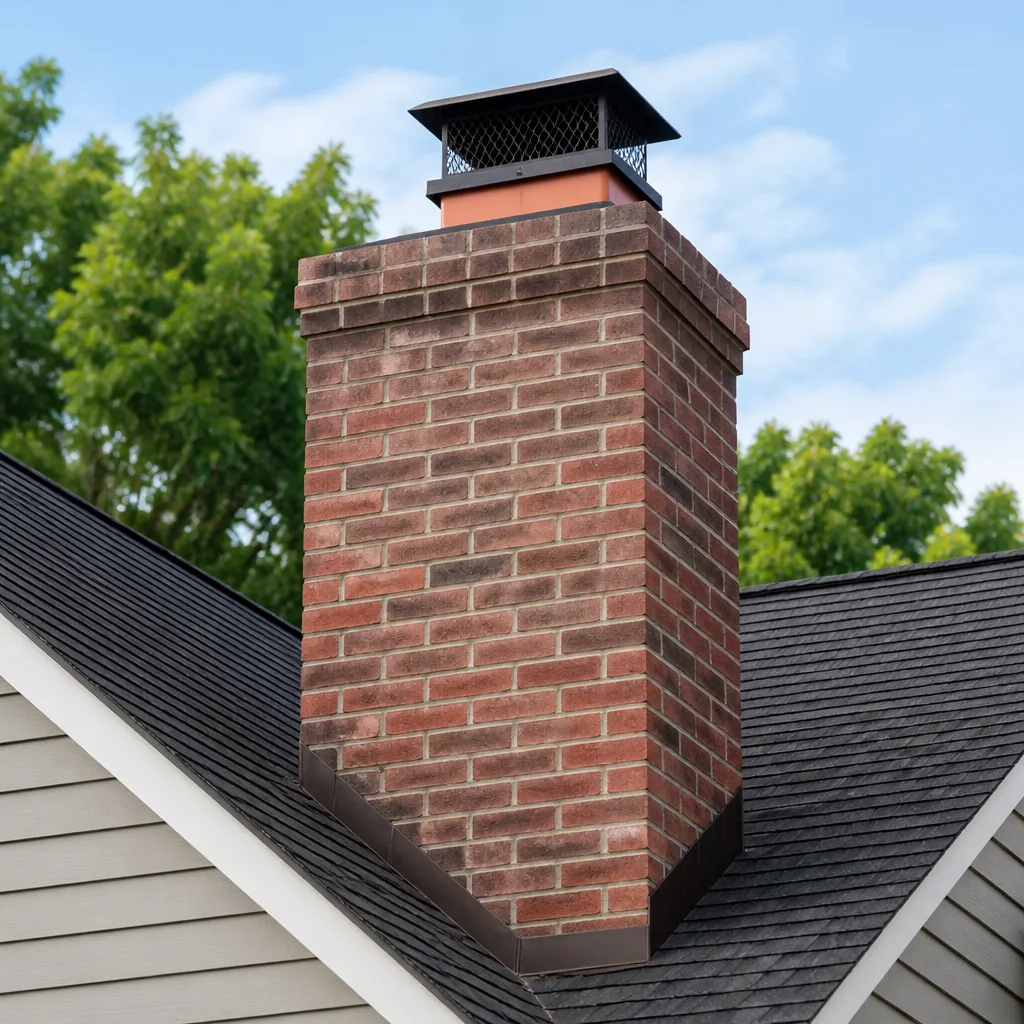 Masonry repair
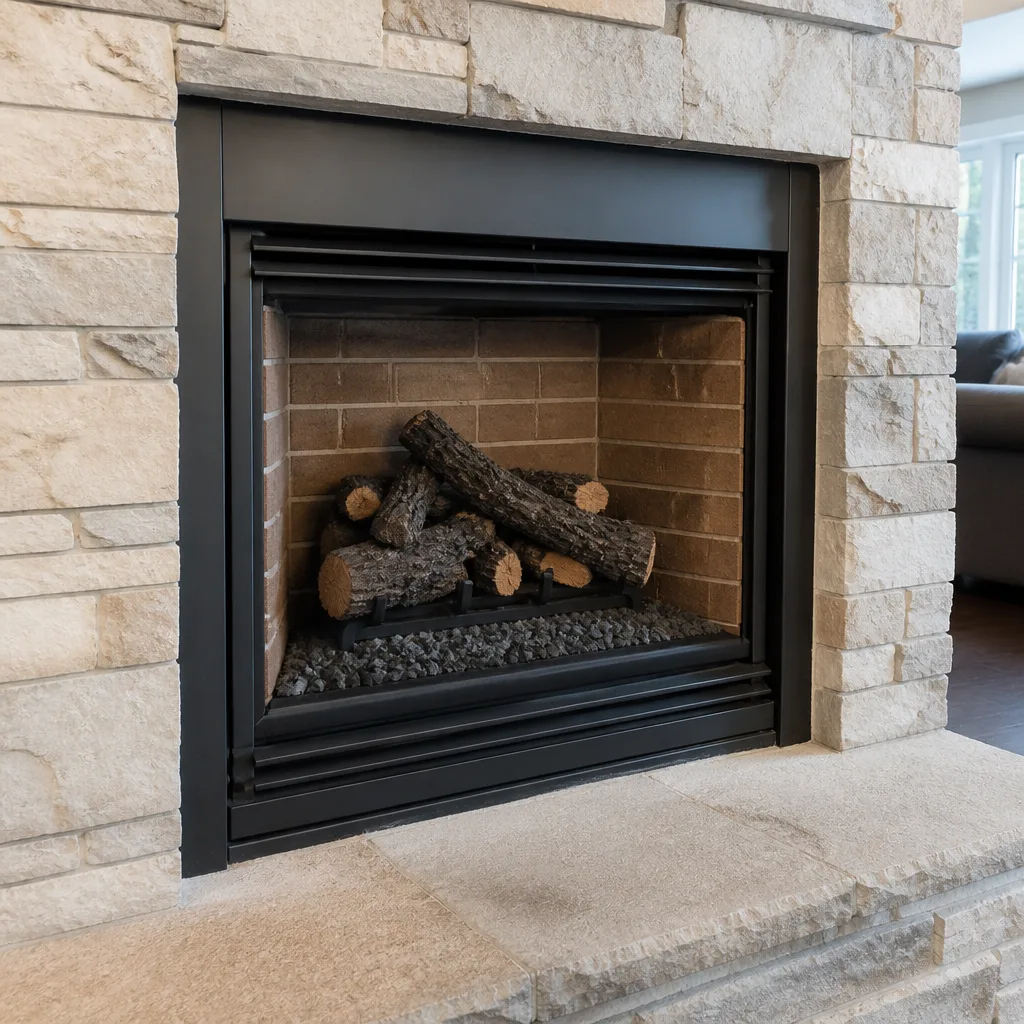 Gas fireplace service
Level 1 sweep and inspection to the NFPA 211 annual standard - flue, crown, cap, and flashing checked and photographed
Chimney sweep logs do not sweep chimneys. They loosen some creosote - which then falls where a brush and vacuum still have to collect it.
The Complete Guide to Chimney Cleaning in North Las Vegas
Most North Las Vegas homeowners light their fireplace a handful of times a year, so the chimney sits idle through long desert months. That low use feels like a reason to skip service, and it’s actually the strongest argument for booking it. A chimney that rarely burns becomes a quiet collection point for dust, nesting material, and moisture that never gets cooked off by a hot fire. This guide covers what actually happens inside a North Las Vegas chimney between seasons, what a real inspection checks, and why the national chimney advice you’ll find online often misfits this climate.
Quick Answer
Chimney cleaning in North Las Vegas means removing creosote, soot, and desert debris from the flue and then inspecting the full system, not just the firebox. Homes here typically need an annual sweep and a Level 2 inspection, since low fire use still allows nesting, dust buildup, and moisture damage to accumulate. A professional sweep is the only way to verify the flue is clear and structurally sound before you burn again.
Styles & brands we work with
- Sweep & inspection
- Caps & crowns
- Flue relining
- Masonry repair
- Gas fireplace service
Key Takeaways
- Low-use chimneys in the Mojave climate still collect blockages from birds, dust, and moisture intrusion, even when you rarely burn wood.
- The desert heat cycle stresses mortar and liners through expansion and contraction, so wear happens without heavy fire use.
- Most North Las Vegas homes need a Level 2 inspection, which uses a camera to see the full flue interior.
- Hard water and alkaline soil in the Las Vegas Valley break down chimney crowns and caps faster than in wetter regions.
- Professional-grade liner and cap materials last far longer than hardware-store substitutes.
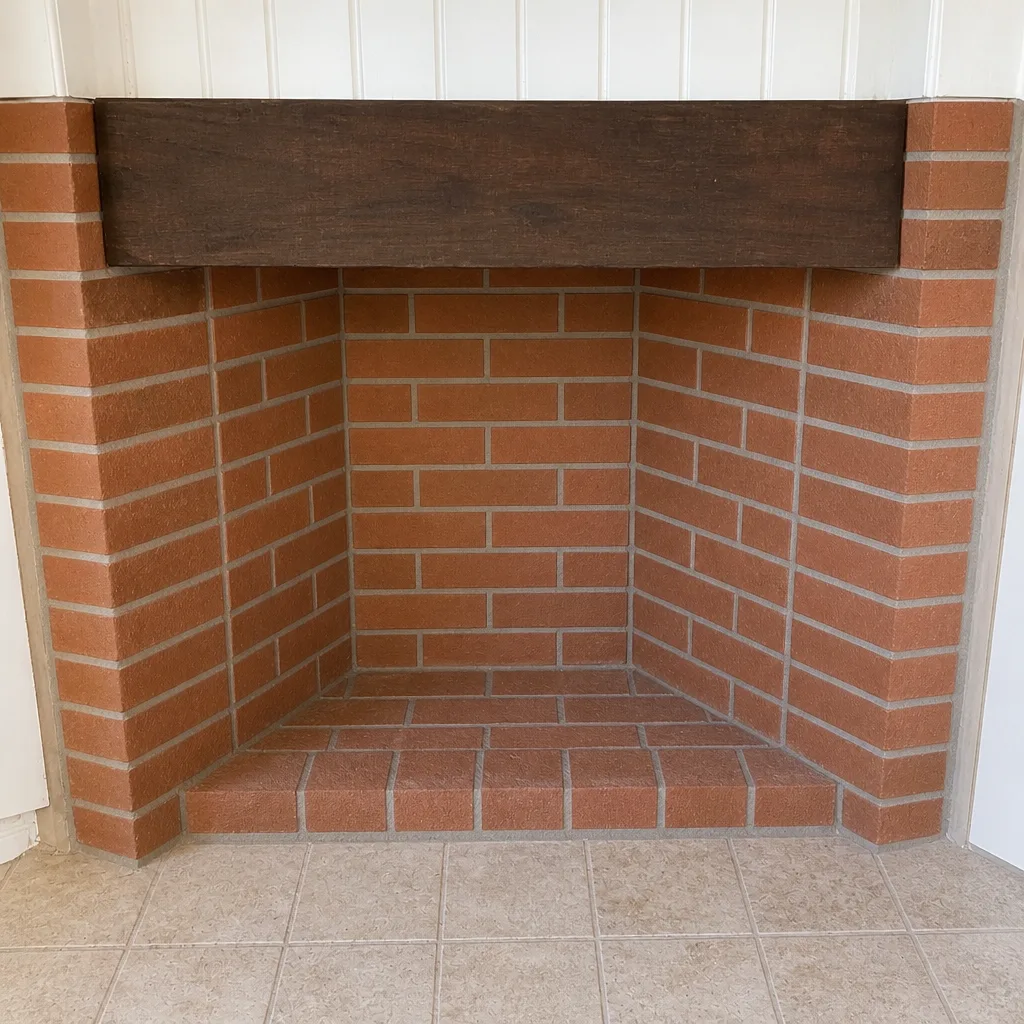
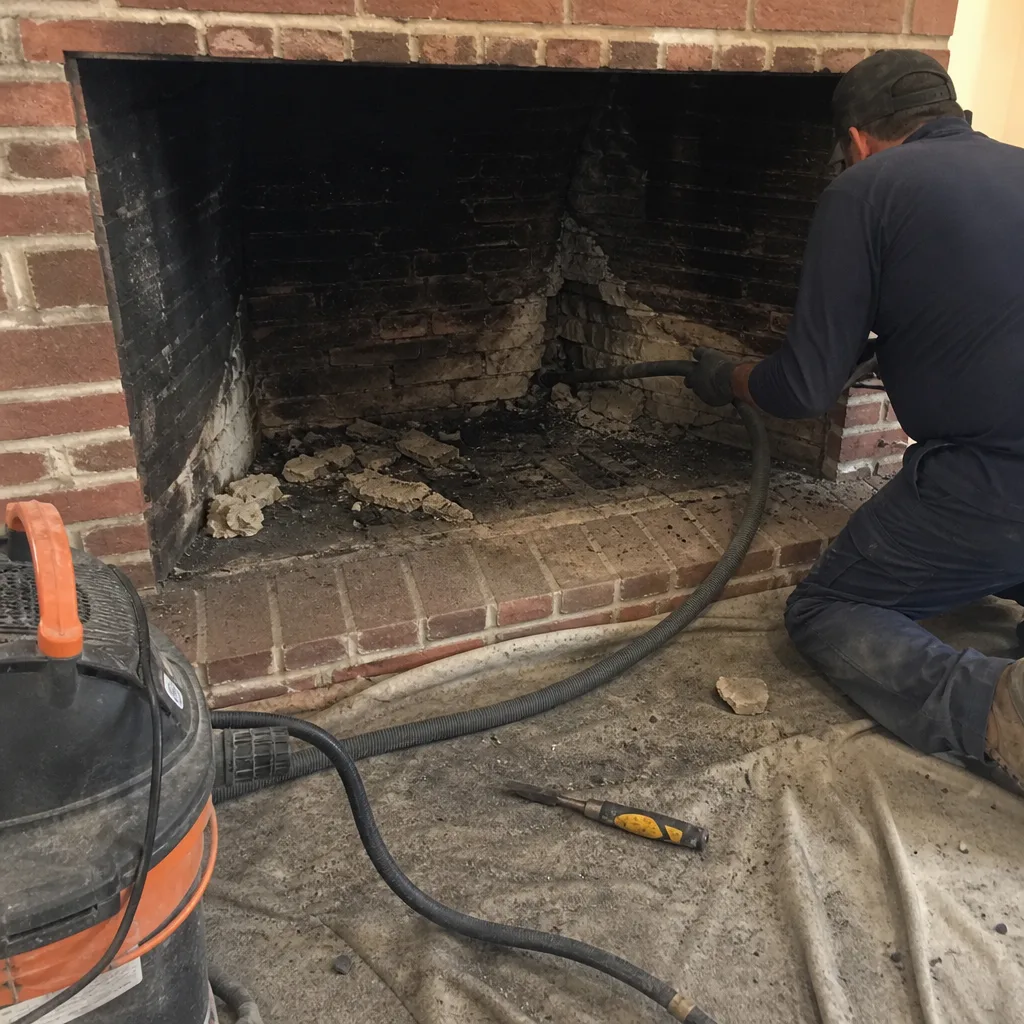
See the difference
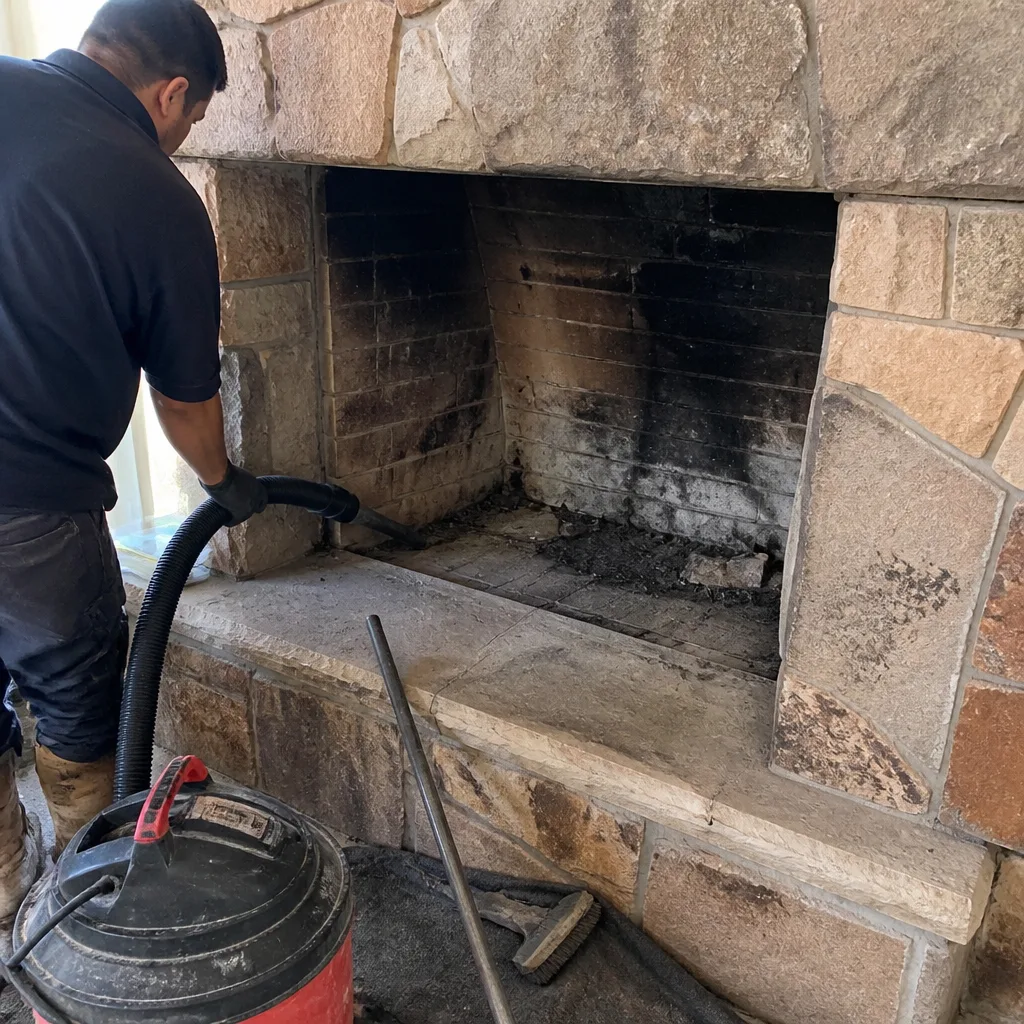 Before
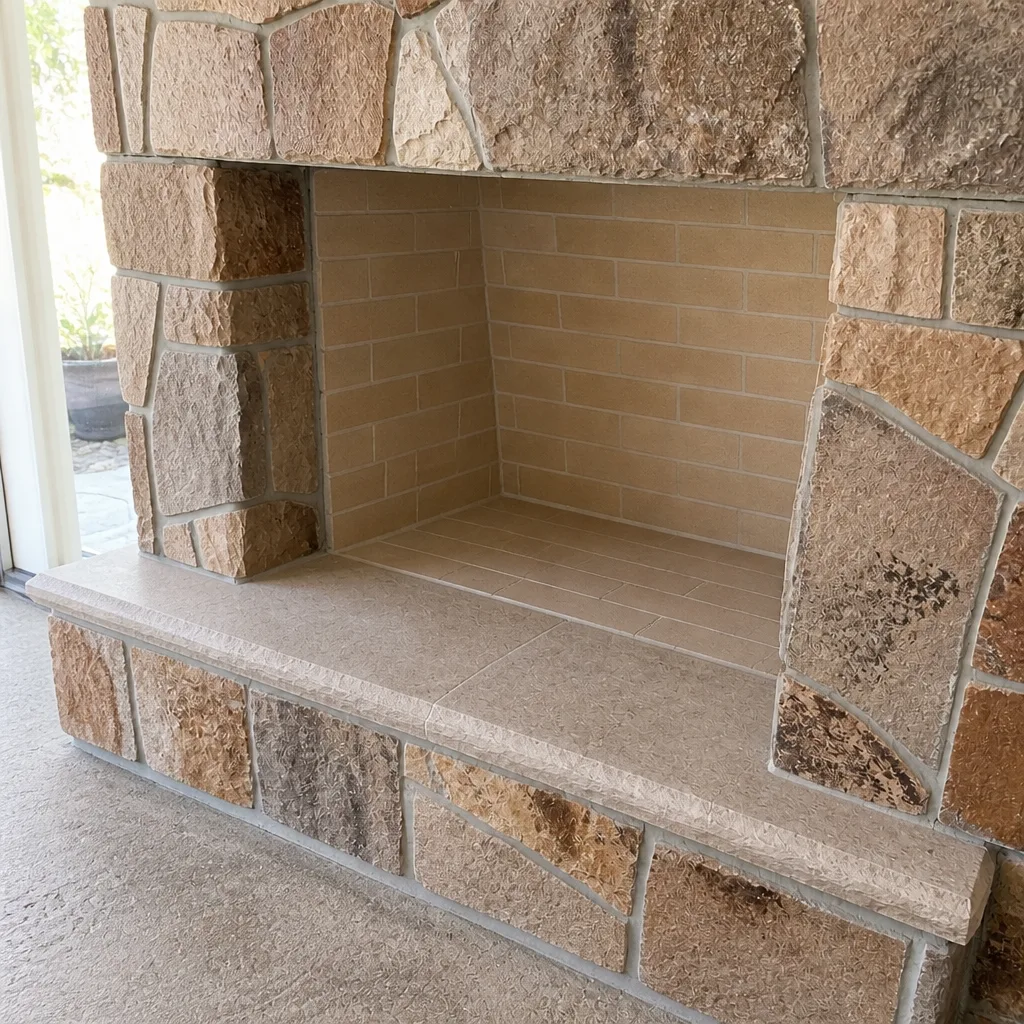 After
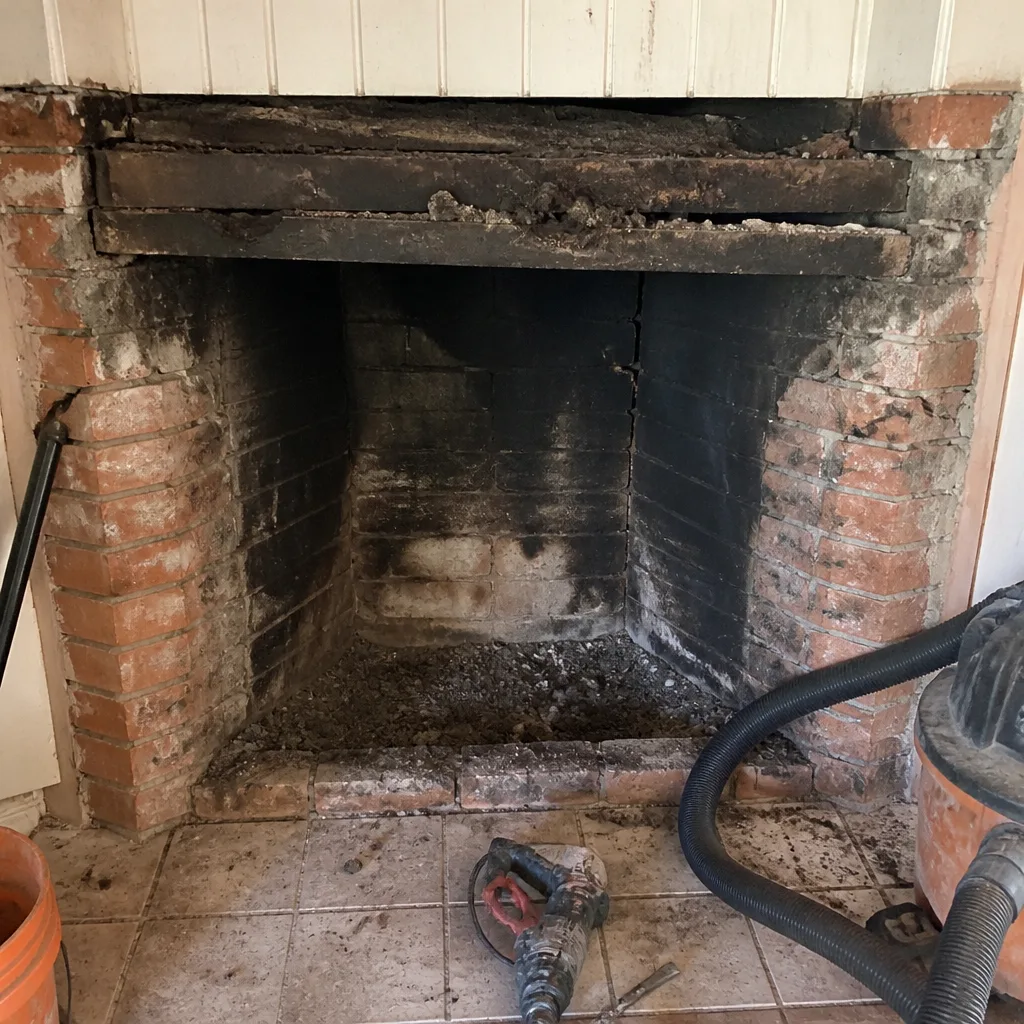 Before
 After
 Before
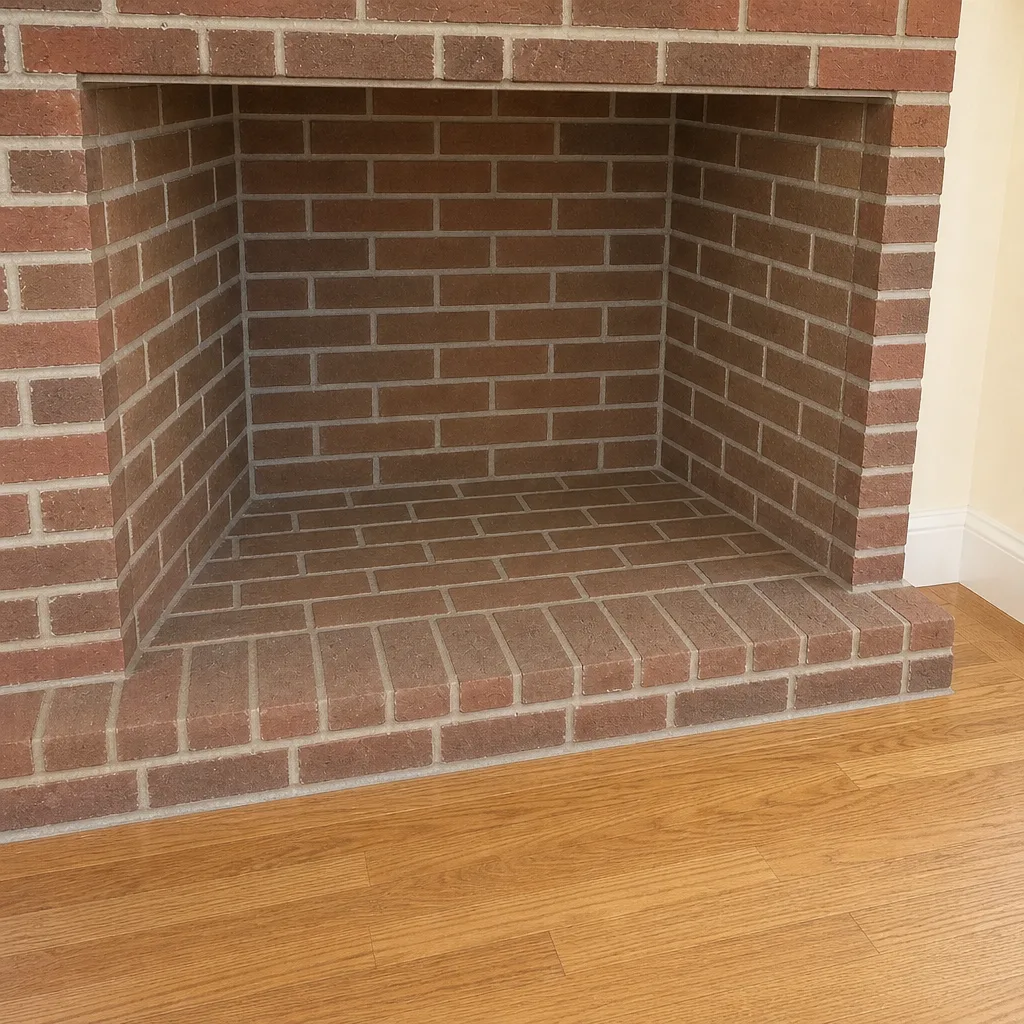 After
Table of Contents
- Why Low-Use Chimneys Still Need Cleaning in North Las Vegas
- How the Mojave Heat Cycle Wears Down Your Chimney
- Level 1, Level 2, and Level 3 Inspections: What North Las Vegas Homes Need
- Hard Water and Alkaline Soil: The Slow Damage to Crowns and Caps
- What a Full-Service Chimney Company Checks That a Handyman Skips
- What Actually Happens During a Chimney Cleaning
- Why Material Quality Matters for Desert Chimneys
- Common Mistakes to Avoid
- When to Call a Professional
- Frequently Asked Questions
Why Low-Use Chimneys Still Need Cleaning in North Las Vegas
Here’s the counterintuitive part: a chimney you rarely use can be in worse shape than one that burns steadily through winter. When a fire burns regularly, it drives hot air up the flue and dries out any moisture that crept in. A North Las Vegas chimney that sits cold for months gives that moisture time to soak into masonry and mix with soot into a stubborn, sticky layer. Then the wind blows dust and grit against it, and the whole thing sets up.
The bigger issue is what moves in. Chimney swifts and other small birds treat an open, uncapped flue as prime real estate. They build nests, and once they leave, the nest material sits there blocking airflow. Add the fine dust that blows across the valley, and you get a partial blockage that doesn’t announce itself. Your first sign might be smoke spilling into the room instead of going up.
Soot and creosote buildup matters too. Creosote is the residue left when wood burns incompletely, and it can be as soft as fluff or as hard and glazed as glass. Glazed creosote is flammable. That’s the part many homeowners don’t connect: a fire that produces a lot of smoke during occasional burns can leave more dangerous deposits than a hot, well-managed fire. If you want a clean flue and a written report on what’s inside it, book a chimney sweep before the burning season starts, not after.
The takeaway: infrequent use doesn’t mean the chimney stays clean. It means blockages build slowly and quietly, which makes an annual sweep more important, not less.
How the Mojave Heat Cycle Wears Down Your Chimney
The desert doesn’t care whether you burn wood. Summer highs and cool nights push brick and mortar through daily cycles of expansion and contraction, and that movement is what cracks mortar joints and loosens liners over time. A chimney that runs cold all summer still experiences this. The masonry absorbs heat during the day and sheds it at night, and every cycle puts a little more stress on the joints holding the flue together.
When you light a fire, the thermal shock gets sharper. The firebox and the lower flue heat up fast while the top of the chimney stays comparatively cool. That temperature differential is exactly where cracks tend to form, especially at the smoke chamber and the crown. In a mild coastal climate the swing is gentler. In North Las Vegas, the gap between a hot flue and a cool exterior is wider.
What that means practically:
- Hairline cracks in the flue tile let combustion gases seep into the surrounding masonry instead of going up and out.
- Mortar joint erosion weakens the structure and can let water in through the joints.
- Liner deterioration is the serious one. A compromised liner is a venting problem, not a cosmetic one, because it’s what keeps combustion gases contained.
A properly lined flue isn’t optional; it’s what keeps combustion gases out of your home. That’s why an inspection looks at structure, not just soot. If a liner is failing, our team can talk through whether a full reline with DuraFlex or ceramic resurfacing with HeatShield fits your flue. Those are professional systems rated for the job, and the right choice depends on what the camera finds.
Level 1, Level 2, and Level 3 Inspections: What North Las Vegas Homes Need
Not every inspection sees the same thing. The chimney industry defines three levels, and which one you need depends on your situation. Using the wrong level is one of the reasons a cheap sweep can miss a real problem.
- Level 1 inspection: A visual check of the readily accessible parts of the system, done without tools that open or disassemble anything. It’s the right call for a chimney you use the same way every year with no known problems.
- Level 2 inspection: Everything in a Level 1, plus a camera run through the flue to see the full interior, and a look at accessible parts of the attic and roof. It’s required after a chimney fire, after a change in fuel type, when you buy or sell a home, or when you’ve had a problem you can’t explain.
- Level 3 inspection: The most involved level, used when a Level 1 or 2 turns up something serious that needs to be opened up or accessed from elsewhere. It’s targeted work, not a routine visit.
Most North Las Vegas homes fall into the Level 2 category more often than you might expect. Desert homes change hands, get converted from wood to gas, or experience a moisture event that a Level 1 wouldn’t catch. If you’ve never had a camera inspection, you don’t actually know what condition your flue is in, and that’s exactly the situation a Level 2 is built for.
Ask any company what level of inspection they’re doing and what it covers. A real professional answers that plainly, and lets you see the camera footage.
Hard Water and Alkaline Soil: The Slow Damage to Crowns and Caps
Water is a chimney’s quiet enemy, and in the Las Vegas Valley the water comes with minerals. Groundwater here is hard and the soil runs alkaline, and both leave their mark on the masonry up top. As moisture wicks into the crown and cap and evaporates, it leaves mineral deposits behind. Over time those deposits build up, the surface gets porous, and the freeze-thaw of a cold winter night can turn a small crack into a bigger one.
The crown is the sloped concrete top of the chimney, and it’s the piece that’s supposed to shed water away from the flue. When it cracks, water runs straight down into the chimney instead of off the sides. The caulking around the cap does the same job, and once it fails, the cap can start to lift or shift. A missing or loose cap is an open door for rain, birds, and blowing dust.
What to watch for on a North Las Vegas roof:
- Crumbling or flaking mortar on the crown and the top courses of brick
- White, powdery staining on masonry, which points to moisture pushing minerals out
- Rust or corrosion on a cap or venting component that was never rated for the job
- Water stains in the firebox or smoke chamber after a storm
This is one place where materials matter. Purpose-built caps and venting hardware from Famco and Gelco are made for chimneys and hold up better than flashing or sheet metal from a hardware-store shelf. When we replace a cap or repair a crown, we’re putting back equipment rated for the exposure.
What a Full-Service Chimney Company Checks That a Handyman Skips
A handyman with a brush can remove soot from the firebox and call it a sweep. The question is what they don’t look at. That gap is where problems hide, and it’s why a full-service approach matters for a home in North Las Vegas where the environment does its own damage between visits.
Here’s what a proper full-service check covers beyond the firebox:
- The full flue interior, with a camera, down to the smoke chamber and the joints at the top
- The smoke chamber and damper, where hard-glazed deposits tend to sit
- The crown, cap, and flashing, checked for cracks, lifting, and mineral damage
- The liner and any resurfacing or relining done previously, verified as intact and correctly rated
- Clearance and venting, so combustion gases actually leave the home
- Gas insert connections, if you’ve converted, since the venting requirements differ from wood
We handle sweeping, repair, and inspection as one job, drawing on professional-grade materials from the brands chimney professionals specify nationwide, including Olympia Chimney, Copperfield, DuraFlex, and HeatShield. That means one knowledgeable contractor tracks the condition of your chimney from year to year instead of three separate trades who never compare notes. Our technicians have up to 15 years of experience.
A low-bid sweep also tends to skip the written record. A camera inspection and photo report mean you can see what we see. Nobody should be told they need a new liner without evidence they can review for themselves.
What Actually Happens During a Chimney Cleaning
A real sweep is a dust-controlled, methodical process. Here’s how a cleaning visit typically runs in a North Las Vegas home.
- Set up protection. Drop cloths go down around the hearth and any furniture, and a HEPA vacuum and containment method keep soot from spreading into the room.
- Open the access points. The technician opens the damper and any cleanout and works the flue from top to bottom or bottom to top, depending on the setup.
- Sweep the flue. Brushes matched to the liner material loosen soot and creosote, and the vacuum captures what comes off.
- Clean the firebox, smoke chamber, and damper. The places the hot gas swirls through get attention, because that’s where deposits collect.
- Run the camera. The technician inspects the flue interior and records what they find.
- Check the exterior. The crown, cap, flashing, and joints get a look, because water damage starts up top.
- Document everything. You get a clear report of the flue’s condition, what’s fine, and what needs attention, with photos and a recommendation for anything that needs work.
Nothing should be recommended without camera footage you can look at. If work can safely wait a season, we’ll say so. Honest reporting is the whole point of the camera.
For more on the repair side, our chimney repair team can handle structural fixes, crowns, and liners once the inspection pinpoints the issue.
Why Material Quality Matters for Desert Chimneys
A chimney is a weathering machine, and in North Las Vegas it takes a bigger beating than most. High heat from the fire, dry air, mineral-laden rain, and blowing dust all hit the same masonry and metal. Materials that would last in a sheltered climate can fail faster here. That’s why we source from recognized professional chimney brands rather than general hardware.
What that means in practice:
- DuraFlex flexible liners are the professional standard for relining a deteriorated or undersized flue. The flexible construction bends through a chimney’s path while holding up to heat and flue gases.
- HeatShield ceramic resurfacing restores a structurally sound flue from the inside, a code-compliant option when a full liner isn’t needed. For many homeowners it’s a cost-effective alternative to replacement.
- Famco and Gelco caps and venting components are purpose-built for chimneys, so they’re weather-tested for the job instead of being repurposed sheet metal.
- Copperfield and Olympia Chimney supplies round out the materials we fit, covering the smaller components that keep a system sealed and moving air correctly.
Ask any contractor what brand of liner and cap they intend to install. If they can’t name the product, that’s a signal. Professional-grade materials, not hardware-store substitutes, are what hold up under the desert cycle.
Common Mistakes to Avoid
- Skipping service because you rarely burn. Low use is the reason your North Las Vegas chimney collects nesting and dust, so an annual sweep matters even in a quiet year.
- Choosing a sweep by price alone. A cheap sweep that only cleans the firebox and never runs a camera can’t tell you whether the liner is intact, which is the one thing you most need to know.
- Ignoring a missing cap. An open flue in the desert invites birds, rain, and grit, and a properly rated cap is cheap compared to the damage it prevents.
- Trusting a hardware-store cap or flashing. Generic components corrode and lift under the heat and mineral exposure here. Use purpose-built chimney parts.
- Burning unseasoned wood. Wet wood makes more smoke and leaves more creosote. Seasoned wood burns cleaner and reduces deposits.
- Assuming a gas insert needs no service. Gas fireplaces and inserts still have a venting system that needs inspection, and their requirements differ from wood.
- Waiting for spring to inspect. The best time to check a desert chimney is before the burning season, so any repair gets done before you need the fireplace.
When to Call a Professional
Call a professional chimney company when you notice smoke backing into the room, a strong smell even with the damper closed, visible crumbling mortar, water stains around the firebox, or soot falling into the hearth. Call if you’ve never had a camera inspection, if you’ve converted from wood to gas, or if you’ve just bought a home in North Las Vegas and don’t know its service history. Call before the first fire of the season, not after. A trained professional should handle anything touching the flue liner, the crown, or the venting, because those are structural and venting systems that keep combustion gases going up and out. Lancaster Chimney Cleaning offers free estimates in North Las Vegas. Call (855) 769-1102. We answer 24/7, with fast dispatch from 7am to 7pm, Sunday through Friday.
Frequently Asked Questions
Most North Las Vegas chimneys should be swept and inspected once a year, even if you burn only a few times. The desert environment adds dust, nesting material, and moisture that build up regardless of fire use. If you burn regularly, or if you’ve noticed smoke or odor issues, an inspection sooner is worth it. Call (855) 769-1102 to book a sweep.
Skipping a sweep lets creosote, soot, and debris accumulate, and it can hide a failing liner or a cracked crown you can’t see. A blocked or compromised flue can let combustion gases into the home instead of venting them out. The risk grows quietly, so an annual check is the safe default. Call (855) 769-1102 and we’ll take a look before the season.
Only if a camera inspection shows the existing liner is cracked, deteriorated, or not rated for what you’re burning. A structurally sound flue can often be resurfaced with HeatShield instead of fully relined, which saves on cost. You should never be told you need a new liner without seeing the evidence. Ask to review the camera footage, then call (855) 769-1102 for an honest assessment.
A homeowner can do light surface cleaning, but a proper sweep and a camera inspection of the flue are jobs for a trained professional. The dangerous parts are up inside the flue and at the crown, and getting them wrong risks your health and your home. Leave the structural and venting work to the pros. Call (855) 769-1102 for a professional sweep.
A musty or smoky smell with the fireplace off usually points to moisture, soot residue, or a downdraft pushing odors down an open flue. In North Las Vegas, a loose cap or a moisture problem up top often makes it worse. A sweep plus an exterior check finds the cause. Call (855) 769-1102 to schedule a look.
It does, because an uncapped flue is open to birds, rain, dust, and wind-driven debris, all of which end up in the flue. A purpose-built cap from a chimney brand stops that and holds up to the desert exposure. Getting one fitted is straightforward. Call (855) 769-1102 and we’ll fit the right cap for your chimney.
The Bottom Line
A low-use chimney in North Las Vegas isn’t a low-risk chimney. The desert heat cycle, mineral-rich water, dust, and nesting all take a toll even when the fireplace stays cold, so an annual sweep and a Level 2 camera inspection are the dependable way to know your flue is safe. Look for a contractor who uses professional-grade materials and shows you the footage before recommending work. If you’re ready to start, we can help. Call (855) 769-1102 for a free estimate. We answer 24/7, with fast dispatch from 7am to 7pm, Sunday through Friday. Learn more about North Las Vegas and how we work, or explore Lancaster Chimney Cleaning for the full range of services.
Written by the team at Lancaster Chimney Cleaning.