
Last updated November 16, 2026
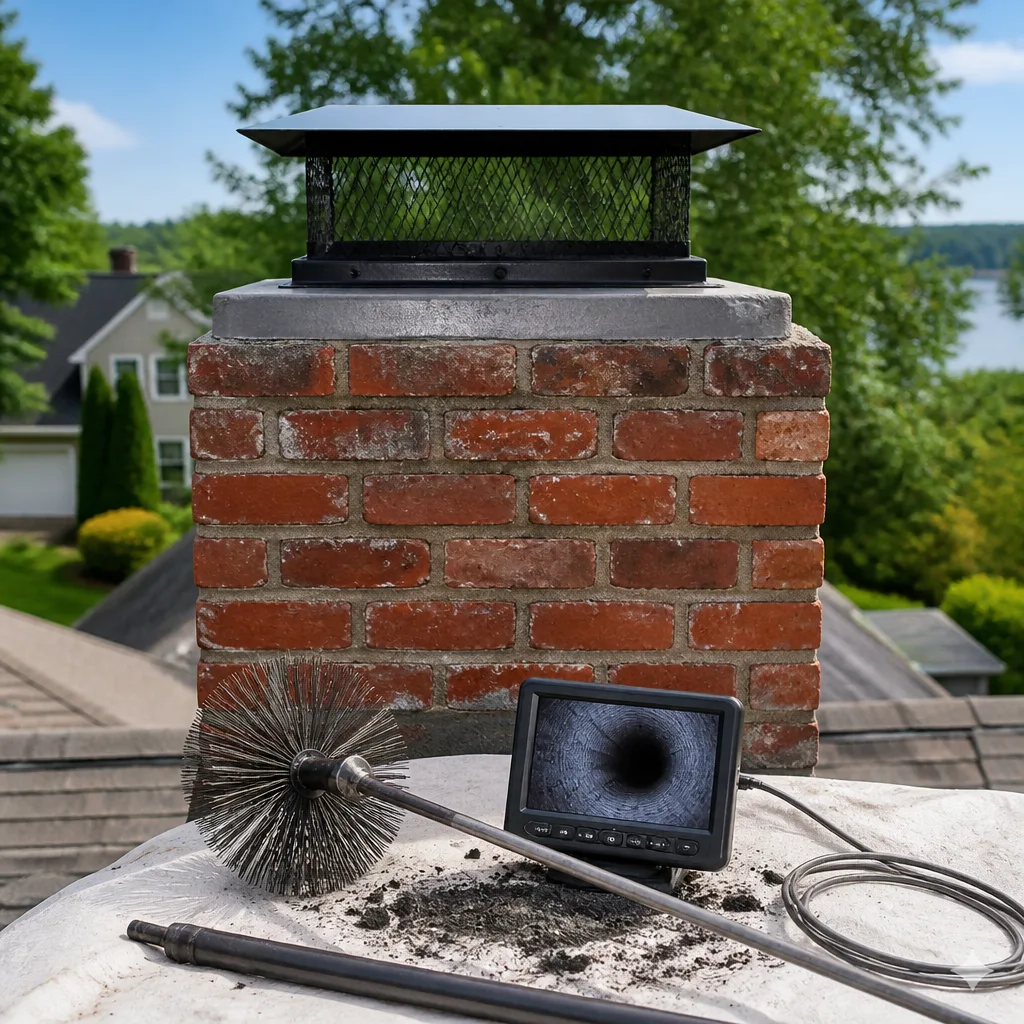 Sweep & inspection
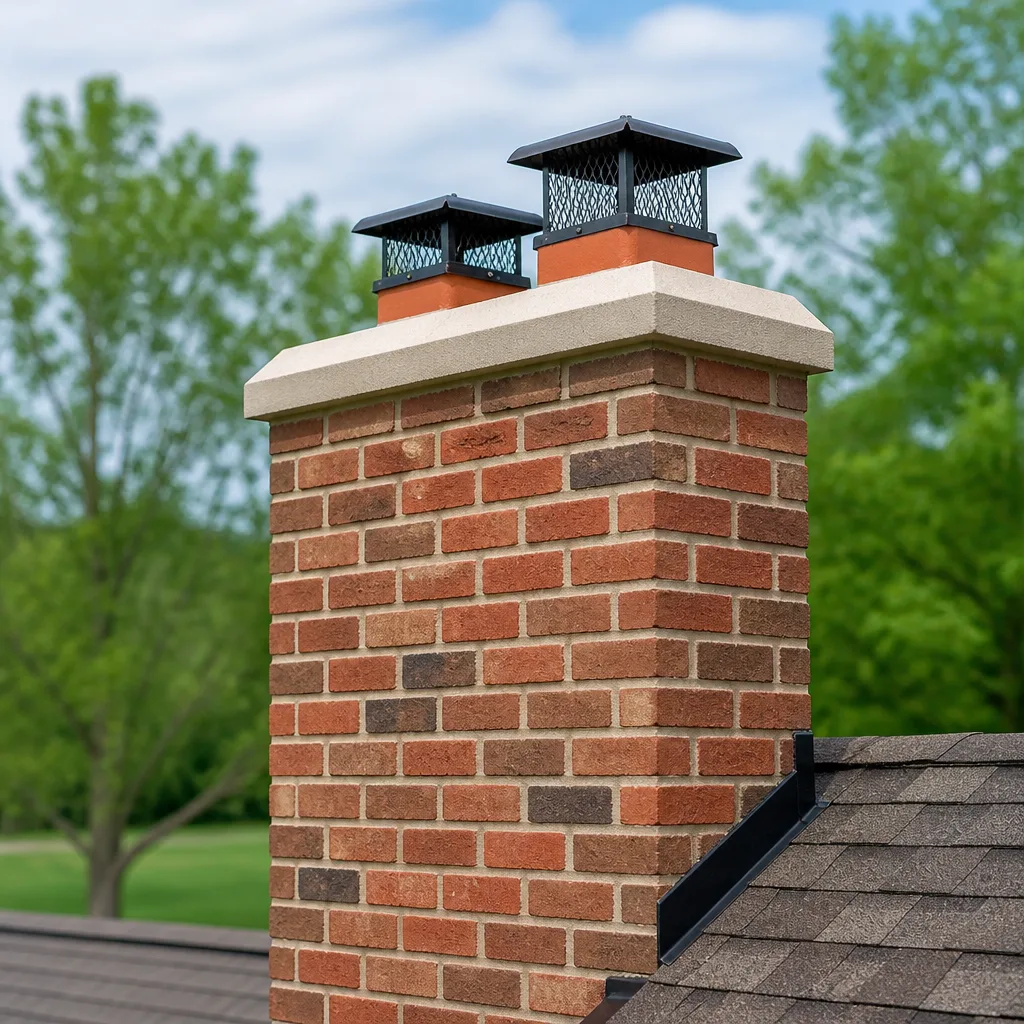 Caps & crowns
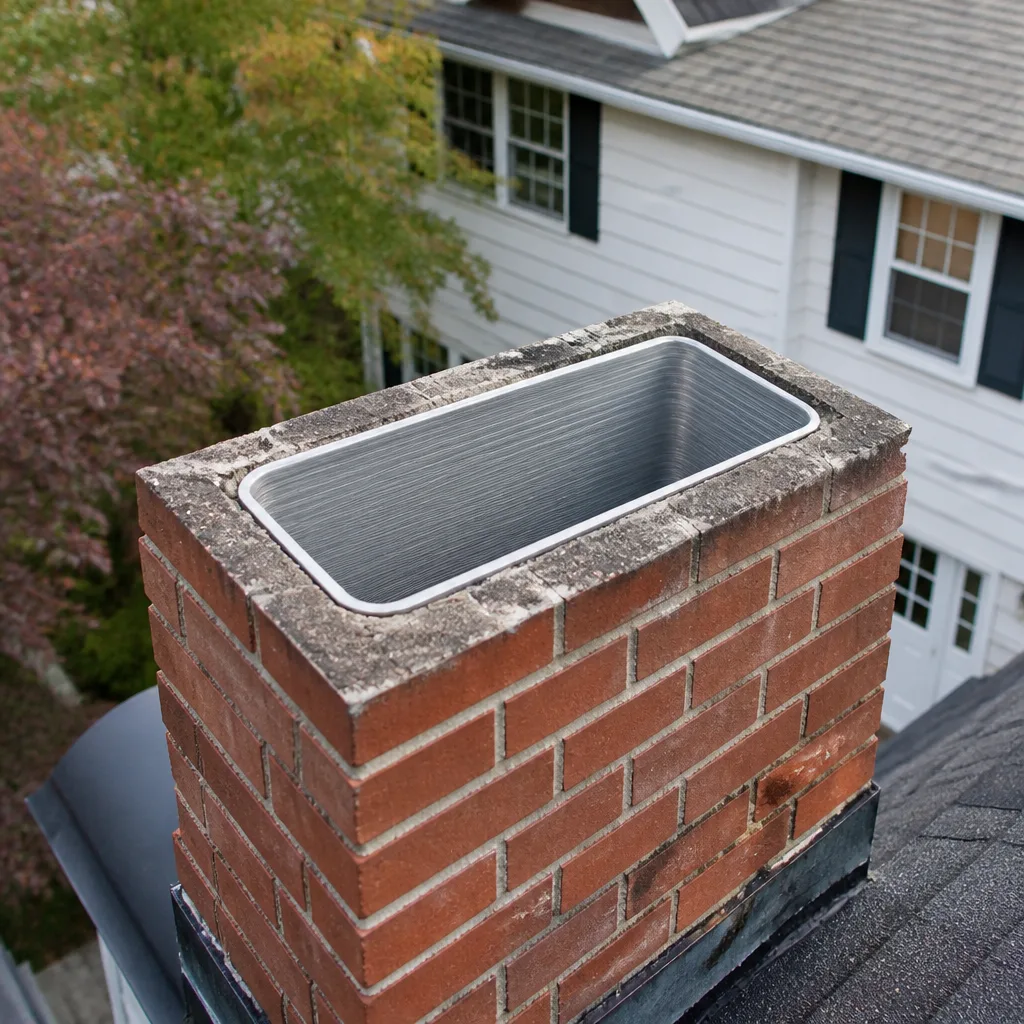 Flue relining
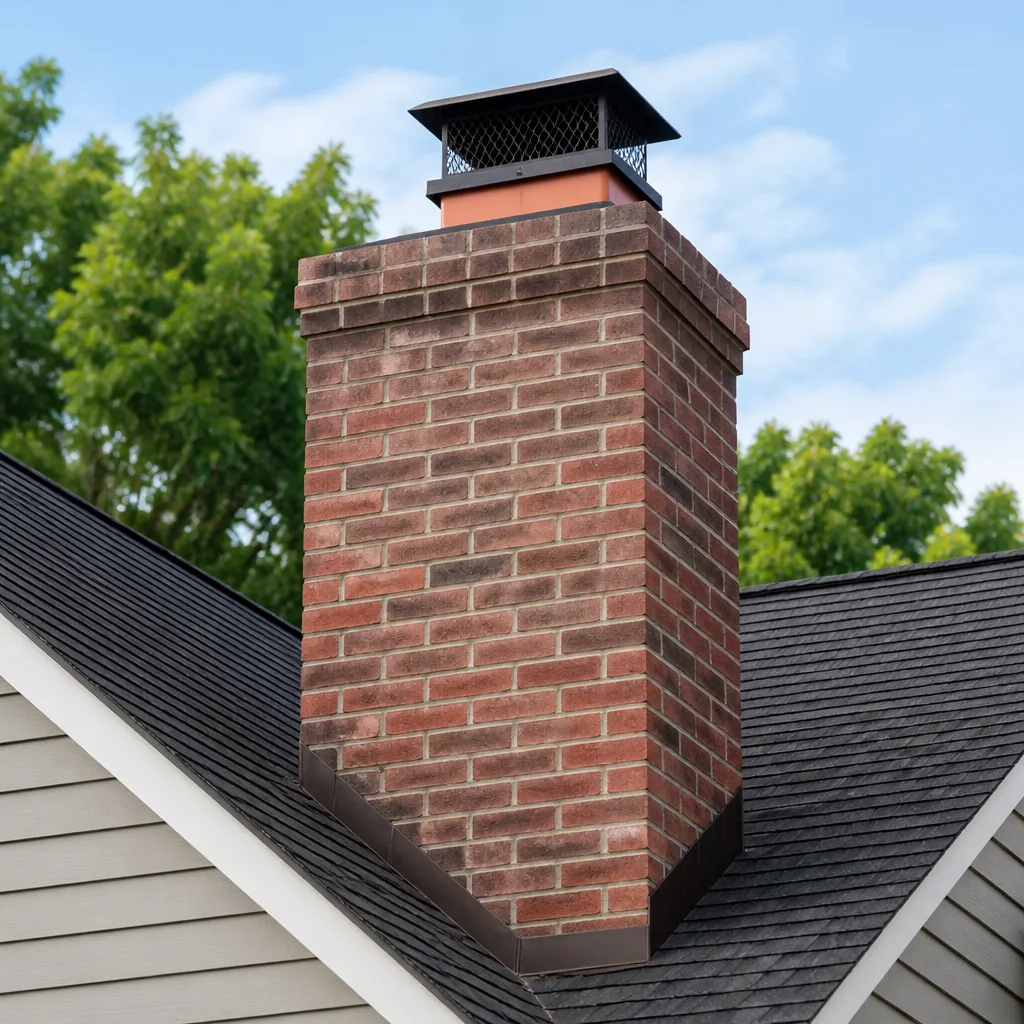 Masonry repair
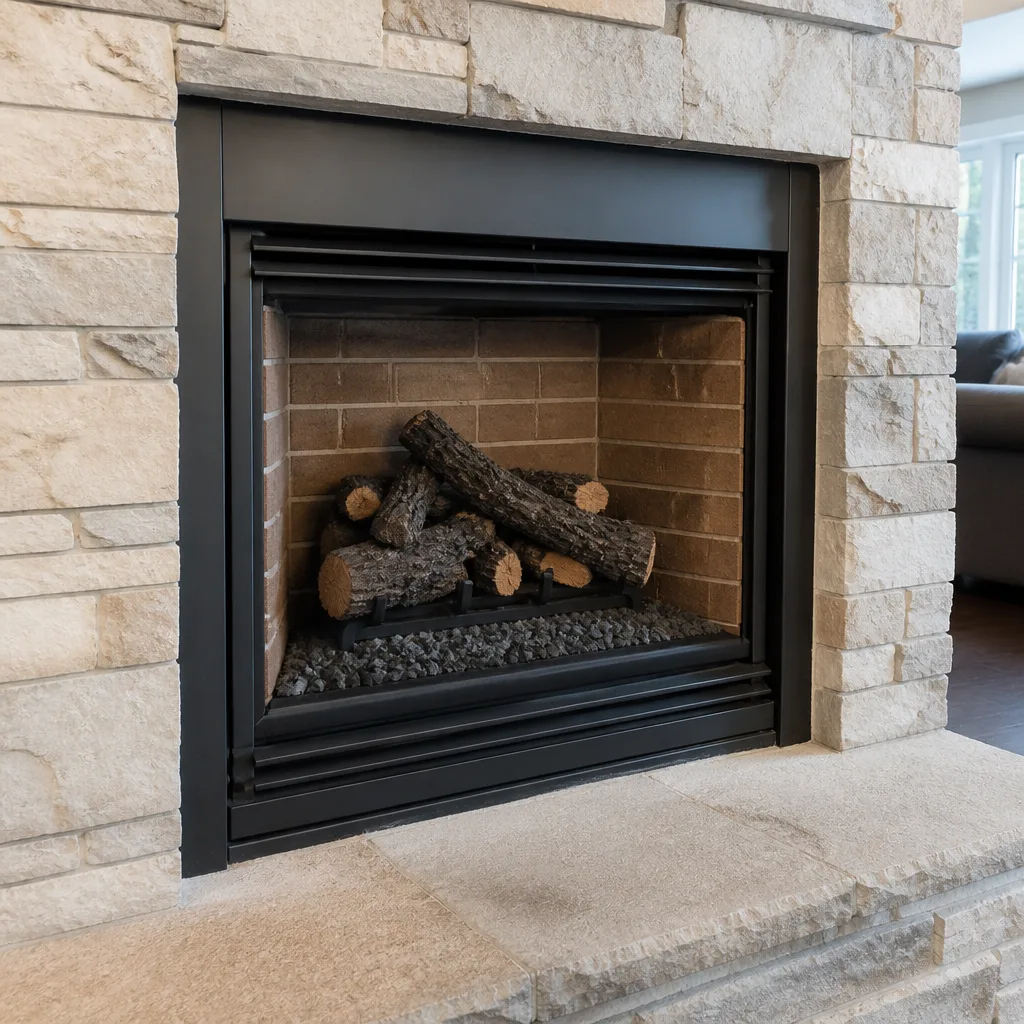 Gas fireplace service
Level 1 sweep and inspection to the NFPA 211 annual standard - flue, crown, cap, and flashing checked and photographed
Chimney sweep logs do not sweep chimneys. They loosen some creosote - which then falls where a brush and vacuum still have to collect it.
Chimney Sweep Troubleshooting in North Las Vegas: Common Problems and How to Fix Them
A chimney that smells like a campfire when you haven’t lit a fire in six months isn’t haunted. It’s telling you something specific about your flue’s condition, and the usual troubleshooting lists written for wet, cold climates won’t decode it. Most chimney advice assumes heavy annual burning and damp weather. North Las Vegas runs on the opposite pattern: dry desert air, intense heat cycling, and a fireplace that gets lit maybe ten or fifteen nights a year. That combination produces a distinct set of problems, and this guide walks through each one so you can tell whether you’re looking at a sweep, a repair, or a cap replacement.
Quick Answer
Most chimney problems in North Las Vegas come from two desert-specific causes: extreme heat cycling that cracks mortar joints, and low, sporadic usage that invites pests and debris into an idle flue. The symptom you notice (a smell, a draft, a stain, a rattle) points to one of those causes. A professional inspection identifies which, and a sweeping or repair plan follows from that finding rather than from guessing.
Styles & brands we work with
- Sweep & inspection
- Caps & crowns
- Flue relining
- Masonry repair
- Gas fireplace service
Table of Contents
- Why chimney troubleshooting works differently in the desert
- Mortar cracking and spalling that looks like smoke damage
- Backdrafting and negative pressure in tight modern homes
- What the smell is telling you: creosote, animals, or moisture
- How infrequent use creates pest and debris problems
- Symptom check: what you can monitor vs. when to stop using the fireplace
- What a proper chimney inspection involves
- Repair options from cap replacement to relining
Why Chimney Troubleshooting Works Differently in the Desert
Most chimney troubleshooting guides are written for climates with four seasons and heavy heating loads. They lead with creosote buildup because, in those places, homeowners burn wood daily for months and the flue accumulates sticky deposits fast. North Las Vegas doesn’t work that way. A fireplace here might run a dozen or fifteen evenings a year, mostly on the handful of genuinely cold nights in December and January.
That low usage doesn’t mean the chimney is fine. It means the problems come from different directions. Two forces dominate:
- Heat cycling. Exterior masonry on a North Las Vegas chimney can swing through large daytime-to-nighttime temperature changes. The masonry expands in the sun and contracts after dark, and it does that thousands of times over the years. Mortar joints, which are the weakest part of the assembly, take the stress first.
- Idleness. An unused flue is a dry, sheltered, uncapped tube that birds, rodents, and insects treat as real estate. Debris accumulates in a flue that heavy users would have swept clear every season.
There’s a third factor anyone troubleshooting in North Las Vegas should keep in mind: very low humidity. Wood framing, mortar, and even the clay tile liners in older masonry chimneys behave differently in consistently dry air than in a place where summer rain soaks into every exterior surface. Dry masonry doesn’t crumble from freeze-thaw, but it does crack along mortar joints and shed face material over time. Knowing which of these forces is at work behind a given symptom is the whole point of troubleshooting. A sweep won’t fix cracked mortar, and a masonry repair won’t fix a flue full of nesting material.
Mortar Cracking and Spalling That Looks Like Smoke Damage
The dark staining and rough texture on an older North Las Vegas chimney crown or upper stack often gets blamed on smoke. In our experience, a lot of it isn’t smoke at all. It’s a pattern that starts with cracked mortar joints and progresses to spalling, where the face of the brick flakes and pops off. Smoke staining sits on top of the surface. Spalling removes it.
Here’s how to tell them apart:
- Smoke staining wipes away or lightens with a stiff brush. It’s a surface film that collects where exhaust passes.
- Mortar cracking shows as visible lines, often a hairline that widens near the crown or around the flashing. It looks structural because it is.
- Spalling leaves rough, pitted brick faces and often a small pile of flakes at the base of the chimney or on the roof. That flaking material is the giveaway.
The repair for each is different. A sweep and wash might handle heavy soot. Cracked joints and spalling need masonry work: repointing the joints, repairing the crown, and sometimes resurfacing the flue interior with a product like HeatShield, which restores a deteriorated clay liner from the inside without tearing out the whole chimney. We’ve seen homeowners pay for repeated sweeps on a chimney whose real problem was a crumbling crown letting water and debris into the flue. If the staining doesn’t lift and the brick face looks rough, that’s a masonry call, not a cleaning one.
Why dry desert air accelerates the damage
In wetter climates, exterior chimneys are constantly wetted and dried, and the water is the destroyer. In North Las Vegas, the sun and the big daily temperature swing do the work. Mortar that’s been baked and cooled for decades loses elasticity and starts to crack at the joints. Once a joint opens, a little wind-driven dust and occasional rain get in, and the joint keeps widening. That’s why a chimney that looks fine from the ground can have a crown that’s already failing.
Backdrafting and Negative Pressure in Tight Modern Homes
If smoke spills into the room when you light a fire, the reflex is to assume the flue is dirty. Sometimes it is. But in newer North Las Vegas homes, especially those built tight for energy efficiency, backdrafting is more often a pressure problem than a soot problem. A chimney needs air to flow up the flue. If the house is sealed and something is pulling air out (a range hood, a bathroom fan, or a strong dryer vent), the chimney can reverse and push smoke back down.
Here’s a quick self-check you can safely run:
- Note when the smoke spills. Does it happen only when another exhaust fan is running, or on windy days, or all the time?
- Open a window a crack near the fireplace before lighting and see if the draft improves. That’s a pressure signal.
- Look at the cap. A missing or wrong-size cap can cause turbulent airflow at the top of the stack.
- Note whether the spill happens on cold starts (cold flue) or only after the fire has been going a while.
If opening a window fixes it, the issue is very likely negative pressure. That’s worth a conversation with a professional because the fix might be a make-up air solution, a properly rated cap from a brand like Gelco, or a different approach to the flue. The point is that a sweep won’t solve a pressure problem. A sweep solves a dirty flue; a draft problem in a house this tight usually calls for diagnosis first.
What the Smell Is Telling You: Creosote, Animals, or Moisture
Smell is the most useful and most misunderstood symptom. A chimney that smells like a campfire on a warm day, or like a dead animal, or like damp earth, is giving you three completely different messages. Each has a different fix.
- Strong, sharp, smoky creosote smell. Creosote and soot in the flue absorb odors from past fires and release them when the weather warms. On an 80-degree North Las Vegas day, the sun heats the chimney stack and the whole flue off-gasses old smoke smell into the house. The fix is a sweep. There’s nothing structurally wrong; there’s just accumulation that needs removing.
- Dead-animal or pungent animal odor. Birds, squirrels, and rodents nest in idle flues because the interior is dry, sheltered, and dark. The smell is often the first sign, sometimes worse in the warmer months when nesting activity is high. The fix involves removing the nest or carcass, sanitizing what’s left, and installing a proper cap so it doesn’t happen again.
- Damp, musty, earthy smell. This points to moisture getting into the masonry or the flue. A failed crown, failed flashing, or a missing cap lets water in during an occasional desert rain, and the result is a slow damp smell and, over time, real masonry decay. The fix is a repair, not a sweep.
This is the single most valuable troubleshooting habit we can pass along: treat smell as a diagnostic clue, not a nuisance. If you can put the smell into one of those three buckets, you already know whether the next call is for a chimney sweep, a pest removal and recapping, or masonry repair work.
How Infrequent Use Creates Pest and Debris Problems
Heavy users in cold climates have their chimneys swept every season partly because they’re constantly filling the flue with soot. The side benefit is that a chimney swept every year gets looked at every year, and pests don’t have time to move in. The North Las Vegas pattern (a fireplace that runs ten to fifteen nights a year and then sits dark for nine months) is the opposite. The flue spends most of its life unused, dry, and open.
That idle pattern creates a familiar set of problems:
- Nesting birds. An uncapped flue is a chimney swift or starling hotel. Once a nest is built, the first fire of the season can send smoke, embers, and nest material straight into the room.
- Rodent traffic. Rats and mice use the flue as a run. Their droppings and nesting material are a hazard you don’t want to burn.
- Wind-blown debris. In the high-desert wind, especially during spring, dust, leaves, and even sand accumulate at the smoke shelf and on top of the flue.
- A plugged cap or crown screen. A cap with a small mesh screen can fill with debris, blocking the flue entirely. A quick inspection catches this.
The prevention is straightforward: get the flue inspected before the first cold night of the season, and get a proper cap installed if there isn’t one. A cap from a purpose-built line like Famco or Gelco does double duty; it keeps animals and debris out, and it sheds rain off the crown. That’s cheap insurance compared to dealing with a nest in the flue on the night you wanted a fire.
Symptom Check: What You Can Safely Monitor vs. When to Stop Using the Fireplace
A responsible homeowner can keep an eye on a lot of chimney symptoms from the ground. Other symptoms are stop signs. This is where experience and safety judgment matter, and this section is deliberately about what to watch rather than how to take the chimney apart yourself. The dangerous parts of a chimney, and the heat-producing parts, are not DIY territory.
Safe to monitor yourself:
- Occasional smell after the season ends (log it; it usually points to a needed sweep).
- A cracked or missing chimney cap you can see from the ground with binoculars.
- A streak of staining on the exterior masonry.
- Wind-driven draft changes.
- An annual reminder to schedule an inspection.
Stop using the fireplace and call a professional if you notice any of these:
- Smoke filling the room and not clearing. This can be a draft or pressure issue, but it’s also a symptom of an obstruction or a damaged flue.
- A strong chemical or metallic smell rather than a woodsmoke smell. That warrants an inspection before the next fire.
- Visible cracking inside the firebox or a crumbling flue. Damaged flue tile can let combustion gases into the structure.
- Any sign of a chimney fire, including a loud roar, a “train” sound, or the smell of hot creosote. Get everyone out, call the fire department, and don’t relight until the chimney has been inspected.
- Carbon monoxide alarms activating near the fireplace. Treat it as an emergency: ventilate, get out, and call for help.
The concern with any masonry chimney, and especially an aging one, is that combustion gases find their way into the home if the flue is compromised. That’s not a scare tactic. A properly lined and maintained flue is what keeps those gases out, and it’s the reason a professional inspection matters after a big temperature swing or after the first season a fireplace has gone unused. For hands-on repair beyond visual monitoring, a trained technician should do the work.
What a Proper Chimney Inspection Involves
An inspection is where troubleshooting turns from guesses into answers. What a good inspection includes:
- A visual exterior check. The crown, flashing, cap, brick faces, and mortar joints, all checked for cracks, spalling, and staining.
- An interior flue assessment. The firebox, smoke chamber, smoke shelf, and flue from top to bottom, often with a camera to see what the eye can’t reach.
- A debris and obstruction check. Nests, leaves, fallen cap material, and anything else that could block the flue.
- A written report of what was found, with clear notation of what needs fixing now, what can wait, and why. That last part matters in North Las Vegas, where a lot of chimneys can be put off for a while if the findings don’t show an active problem.
We work with professional-grade components from DuraFlex, HeatShield, Gelco, and others specifically because the inspection has to lead somewhere useful. If a cap needs replacing, it gets a purpose-built cap. If a liner needs resurfacing, it gets a professional-grade resurfacing system rather than a hardware-store hack. A full inspection and the resulting recommendation is what lets a homeowner answer the real question: sweep, repair, or wait?
Repair Options from Cap Replacement to Relining
The repair tier depends entirely on what the inspection found. The good news is that most North Las Vegas chimney repairs fall into a few clear buckets, and they don’t all cost the same.
- Cap replacement. A missing, damaged, or incorrectly sized cap is one of the most common and least expensive fixes. It prevents the pest and moisture problems that drive a lot of the other troubleshooting symptoms, so it’s often the first repair worth doing.
- Masonry repair and repointing. Cracked mortar joints and a failing crown get repaired before they let water and wind into the structure. This is the fix for the spalling and joint cracking that heat cycling causes here.
- Flue resurfacing. If the clay liner is cracked or spalled but the chimney structure is sound, a ceramic resurfacing system like HeatShield can restore the liner from the inside. It’s a code-compliant alternative to a full reline, and it saves the cost and disruption of tearing the whole chimney down.
- Full relining. When the flue is deteriorated or undersized, a flexible liner system like DuraFlex is the professional route. It creates a continuous, properly sized passage for combustion gases and is the standard solution for a flue that can no longer be trusted as-is.
Which one applies in a given North Las Vegas home depends on what the inspection shows, and we tell homeowners plainly when a repair can wait a season rather than pushing work they don’t need. For a fuller picture of what repair work involves, see our chimney repair page, and for the broader set of services we handle, you can start with Lancaster Chimney Cleaning.
Common Mistakes to Avoid
- Assuming a smoky smell means a dirty flue. In our experience it often means a cracked crown or a moisture problem instead, and a sweep alone won’t stop it. Match the smell to the cause before booking work.
- Skipping the inspection because the fireplace sees little use. Low-use chimneys are the ones most likely to have a nest or a blocked cap screen, precisely because nobody looks inside them for a year. An annual look beats a surprise on the first cold night.
- Blaming smoke spill on a dirty flue when it’s really pressure. Open a window and watch what happens. If the spill stops, a sweep won’t fix it and neither will another cap.
- Ignoring exterior mortar cracks as “just cosmetic.” In a desert climate, a hairline crack at the crown is how water gets in and how the damage starts. Small repairs now prevent big ones later.
- Hiring the cheapest sweep and calling it done. There’s a real difference between a sweeping and a proper inspection with a report. The report is what tells you whether the chimney is safe to use.
- Using a generic hardware-store cap. A cap from a purpose-built line like Gelco or Famco is designed to sit on a chimney and shed water correctly, not just cover the hole.
- Relighting after a suspected chimney fire without an inspection. Wait for a professional to confirm the flue and masonry are sound.
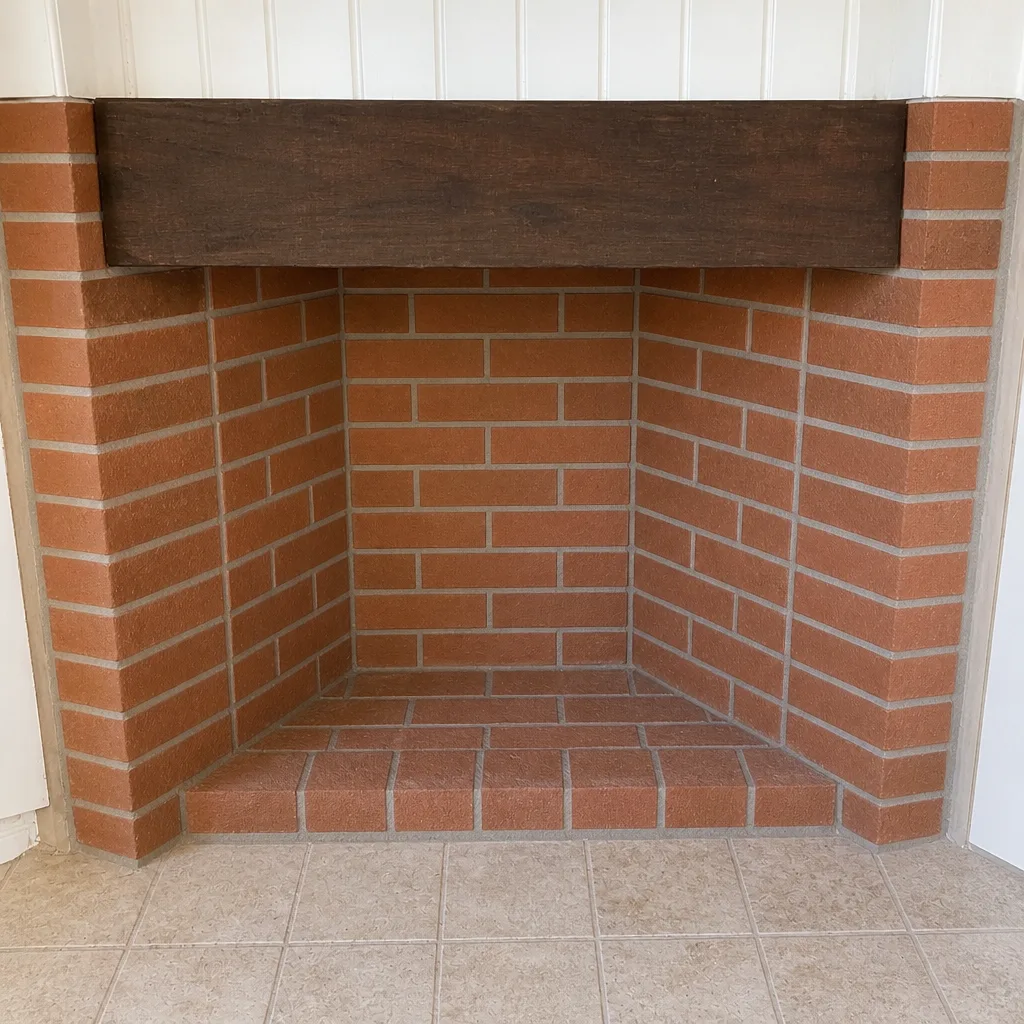
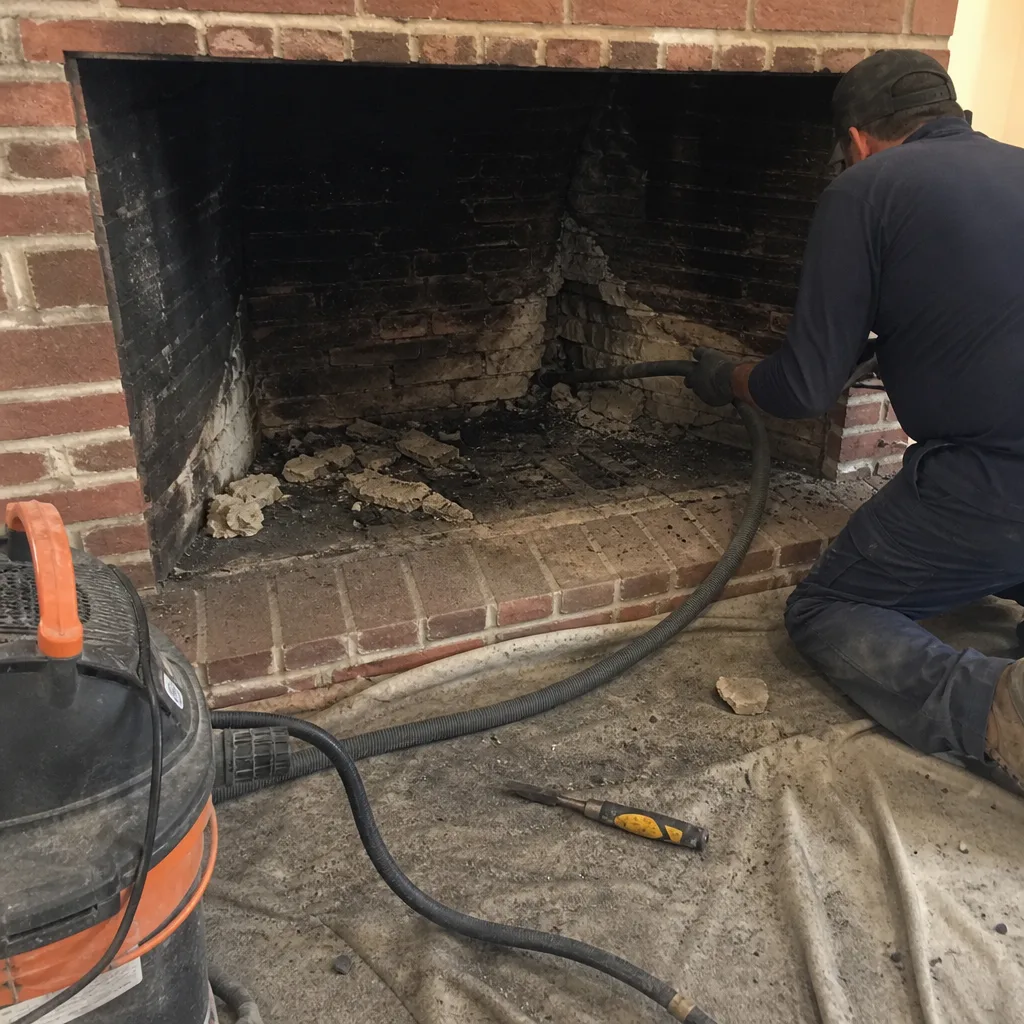
See the difference
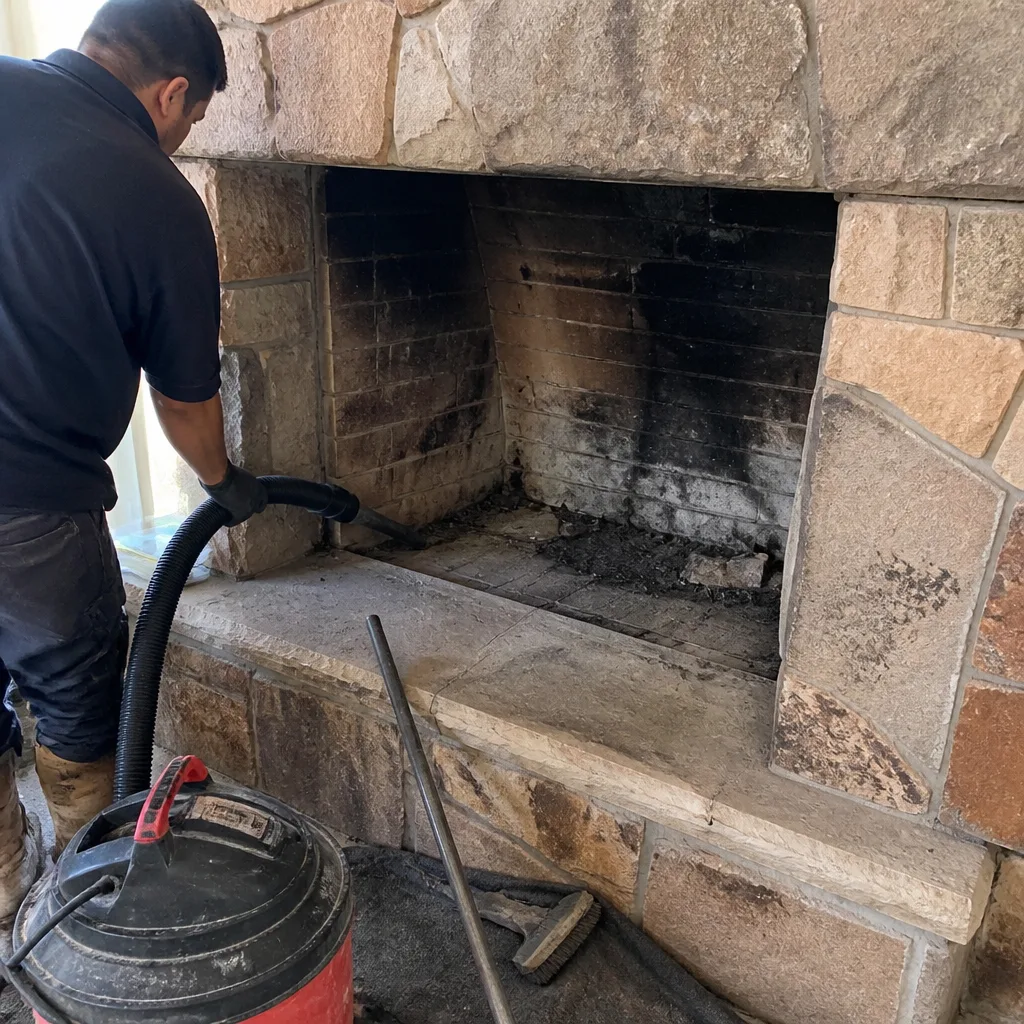 Before
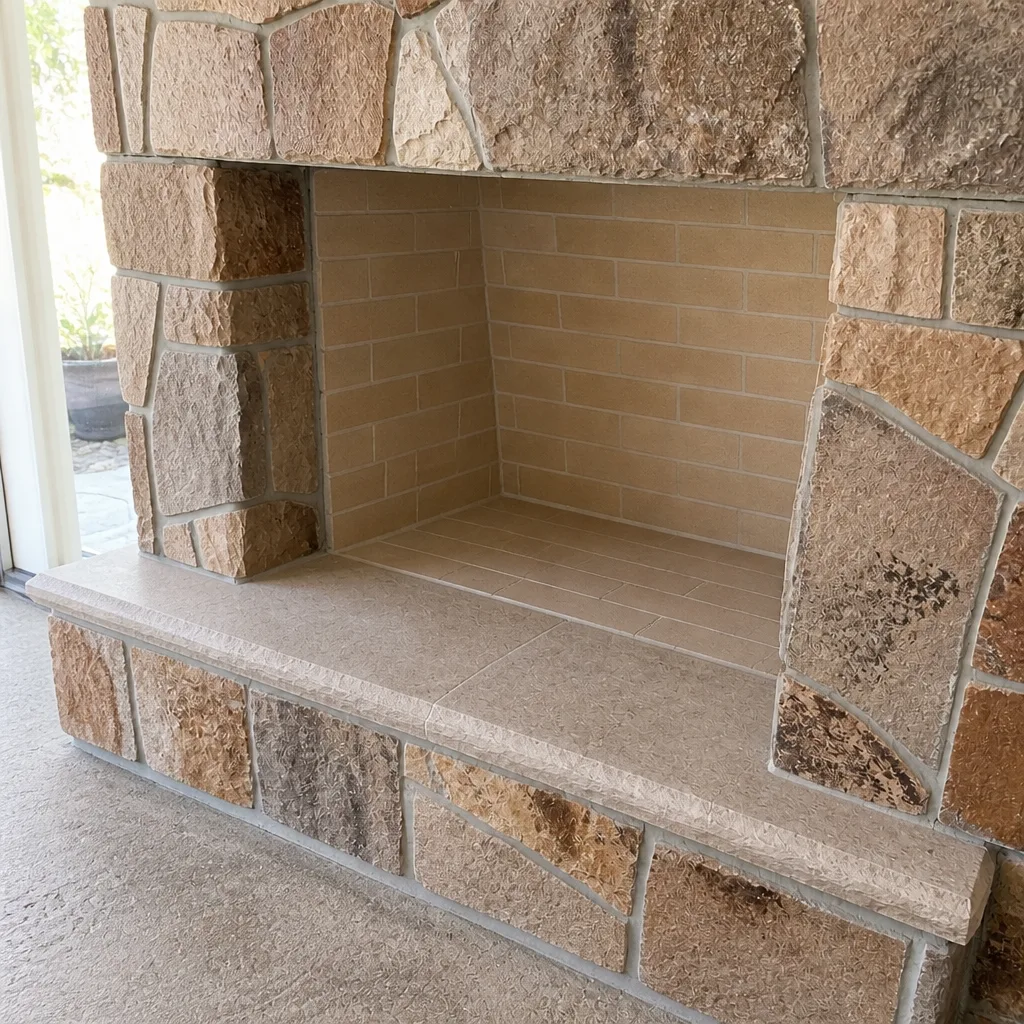 After
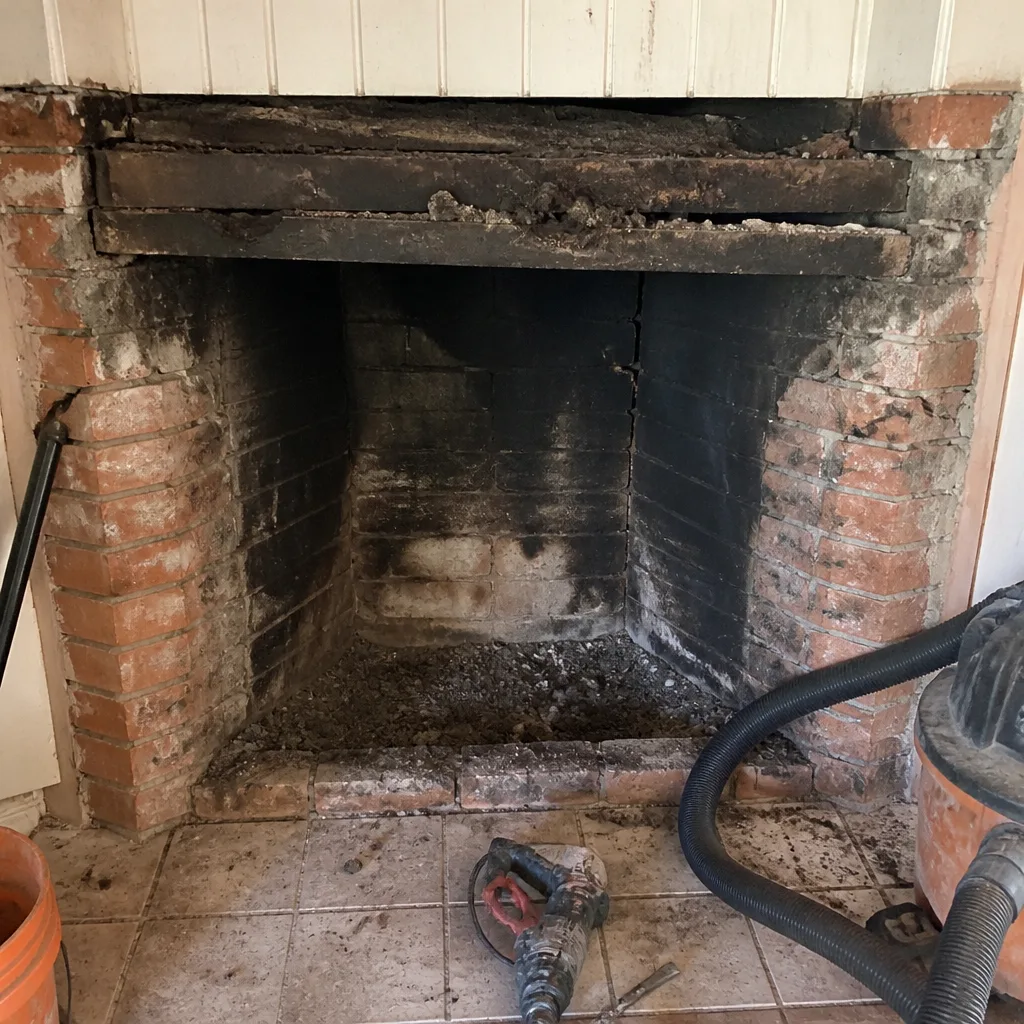 Before
 After
 Before
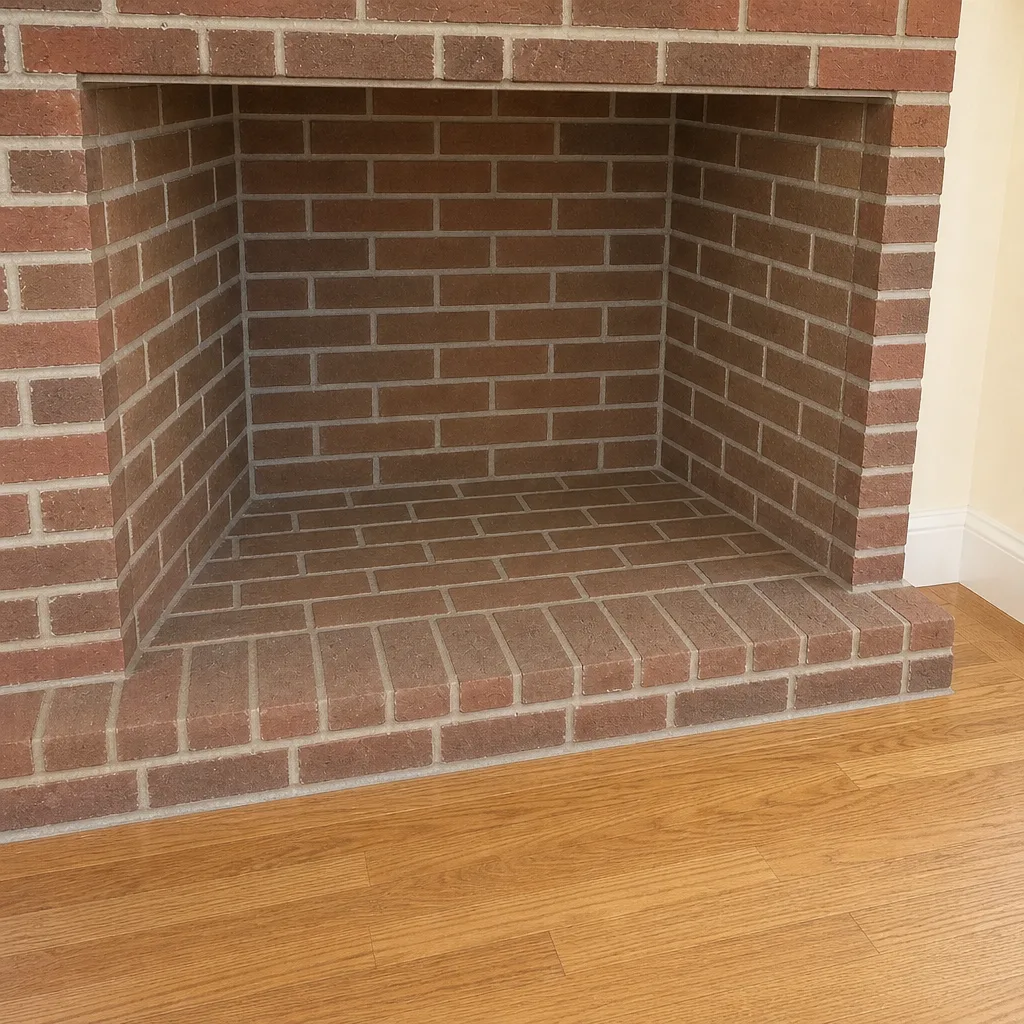 After
When to Call a Professional
Call a professional if smoke spills into the room, a carbon monoxide alarm sounds, or you think a chimney fire occurred. Call if you see visible cracking inside the firebox, spalling brick on the exterior, or a smell that doesn’t go away with a window open. Call if a pest nest is suspected. And call if it’s simply been more than a year since the chimney was inspected, because the quiet problems in North Las Vegas are the ones that build up while the fireplace sits dark. Lancaster Chimney Cleaning offers free estimates in North Las Vegas. Call (855) 769-1102. We answer 24/7. Fast dispatch from 7am to 7pm, Sunday through Friday.
Frequently Asked Questions
In our experience the most common problems are cracked mortar and a failing crown from desert heat cycling, plus pest and debris intrusion into idle flues. Creosote buildup gets the most attention in generic advice, but it’s less often the culprit here because most homes run their fireplaces only sporadically. The fix depends on which problem the inspection actually finds. Call (855) 769-1102 for an exact assessment.
A smoky smell with no fire usually means creosote and soot sitting in the flue are releasing odor as the chimney warms in the sun. That’s a sign the flue needs a sweep. If the smell is more like a dead animal or damp earth, it points to a nest or moisture intrusion instead, and those call for a different fix. Call (855) 769-1102 and we’ll help identify which it is.
A cap helps, but it doesn’t replace an inspection, and installing a properly sized cap on a chimney you can’t fully see from the ground is harder than it looks. An inspection also catches mortar cracking, a deteriorated liner, or an existing nest that the cap would then trap in place. Get the inspection first, then the right cap. Call (855) 769-1102 for a free estimate.
For a low-use desert fireplace, an inspection once a year and a sweep when the inspection shows buildup is the practical approach. Heavy users get swept every season; a North Las Vegas home running ten to fifteen nights a year usually doesn’t need a sweep every twelve months, but it does need a look. Call (855) 769-1102 to schedule and we’ll tell you what your chimney actually needs.
Smoke spilling into the room is often a negative-pressure problem in a tight modern home, not a dirty flue. Exhaust fans and a well-sealed house can pull air down the chimney. If opening a window near the fireplace fixes it, pressure is the likely cause, and a sweep won’t solve it. Call (855) 769-1102 and we’ll diagnose it properly.
Not every liner problem means a new liner. If the clay liner is cracked but the structure is sound, a resurfacing system like HeatShield can restore it without a full reline. A full reline with a flexible system like DuraFlex is reserved for flues that are too deteriorated or undersized to save. The inspection determines which you need. Call (855) 769-1102 for a free estimate.
The Bottom Line
Chimney troubleshooting in North Las Vegas comes down to reading the right clues. Smell, staining, spalling, and smoking tell you which of the two desert culprits is at work: heat cycling that damages masonry, or low usage that lets pests and debris into an idle flue. Match the symptom to the cause, and you know whether the answer is a sweep, a masonry repair, a cap, or a liner system. When in doubt, inspect before you spend. And when something is beyond a visual check, stop using the fireplace and call a professional.
Written by the team at Lancaster Chimney Cleaning.
Call (855) 769-1102 for a free estimate. We answer 24/7. Fast dispatch from 7am to 7pm, Sunday through Friday. Learn more about chimney cleaning and how we approach it across North Las Vegas.