
Last updated November 16, 2026
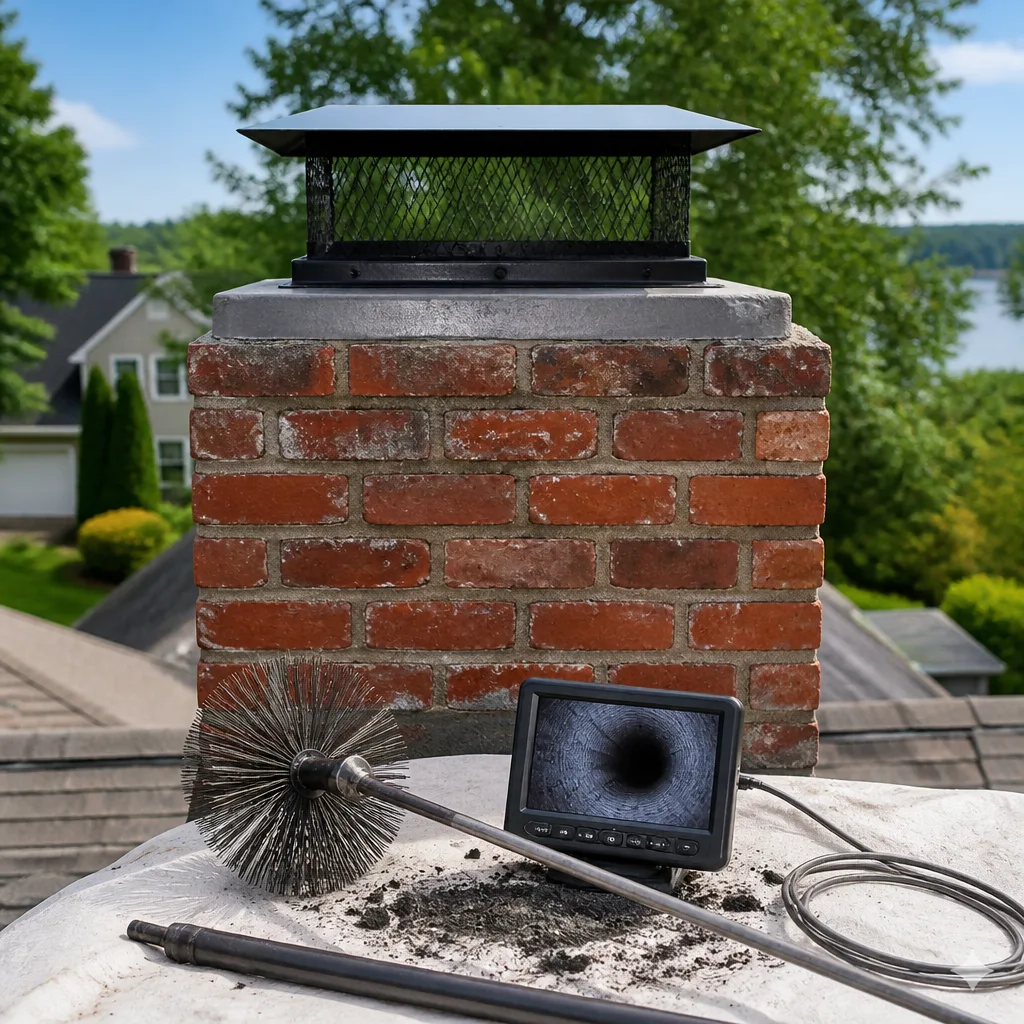 Sweep & inspection
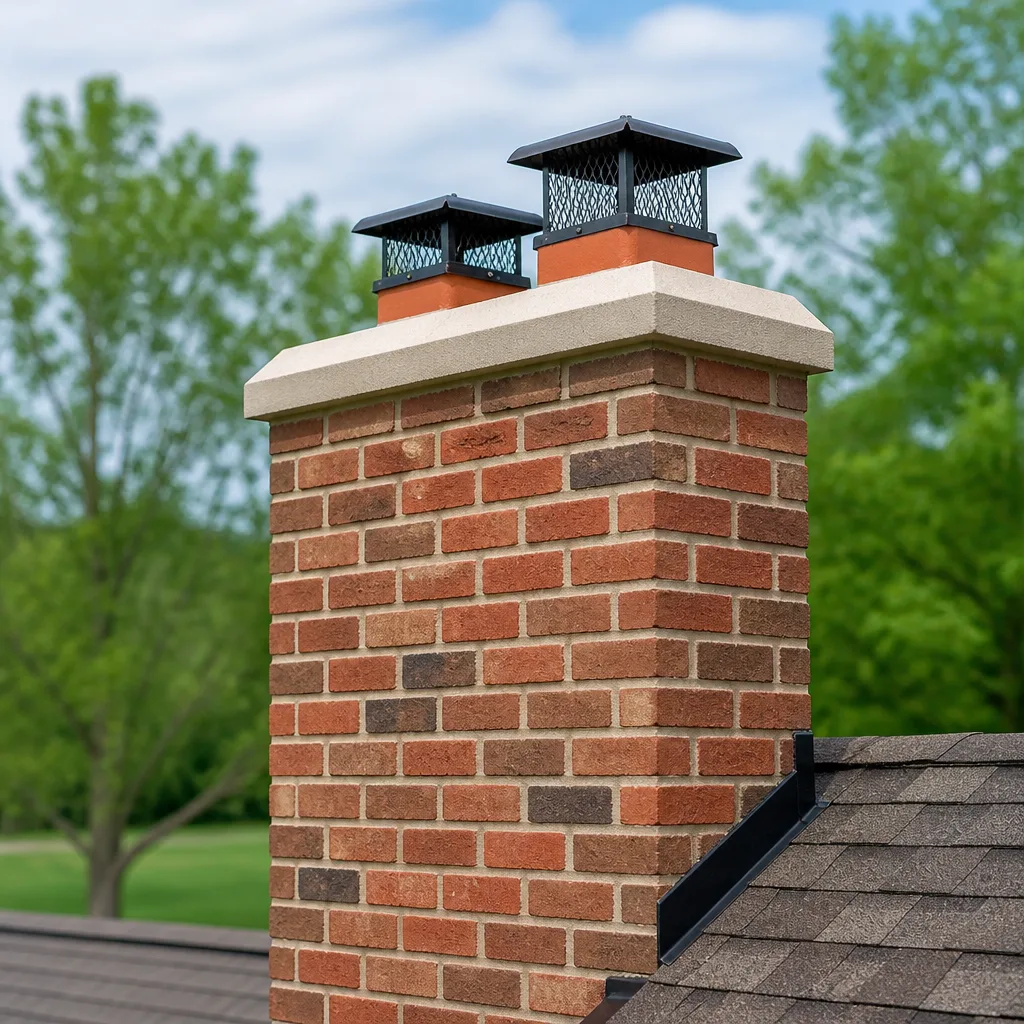 Caps & crowns
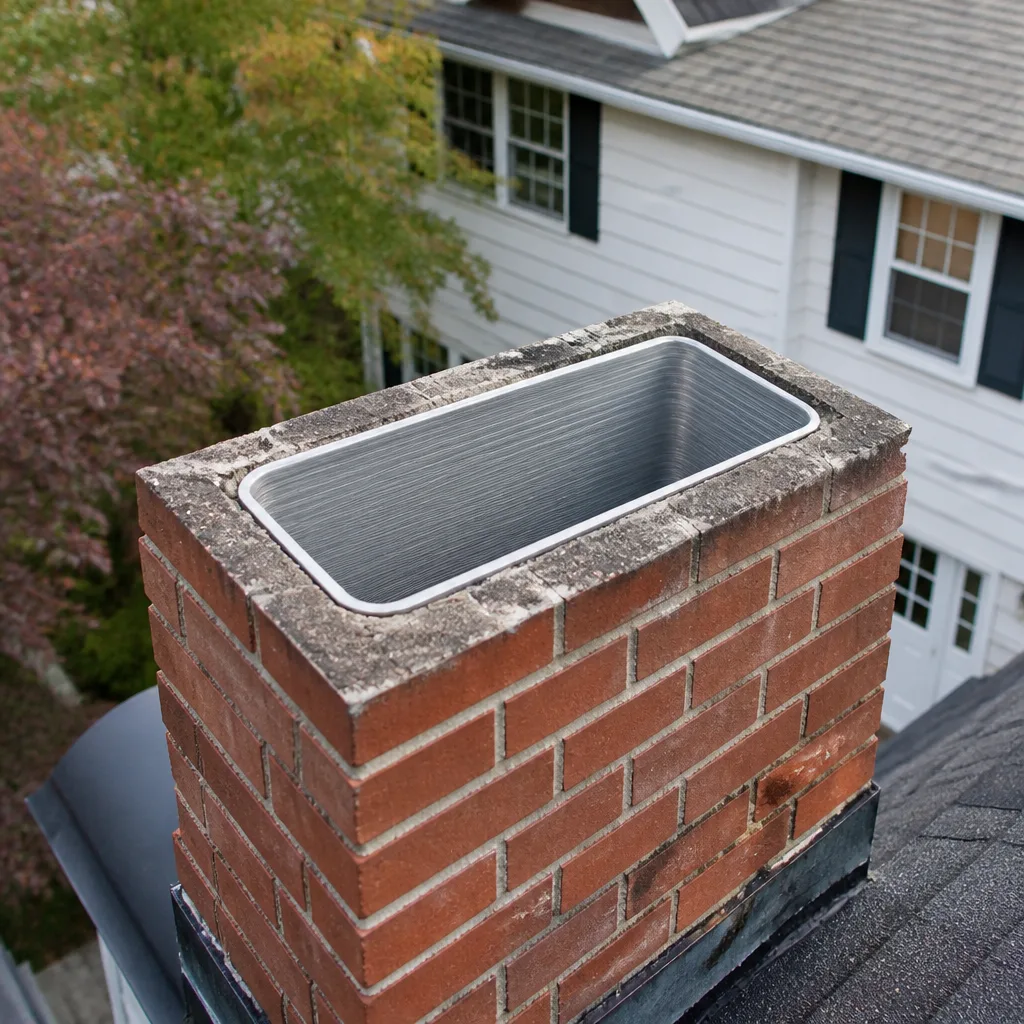 Flue relining
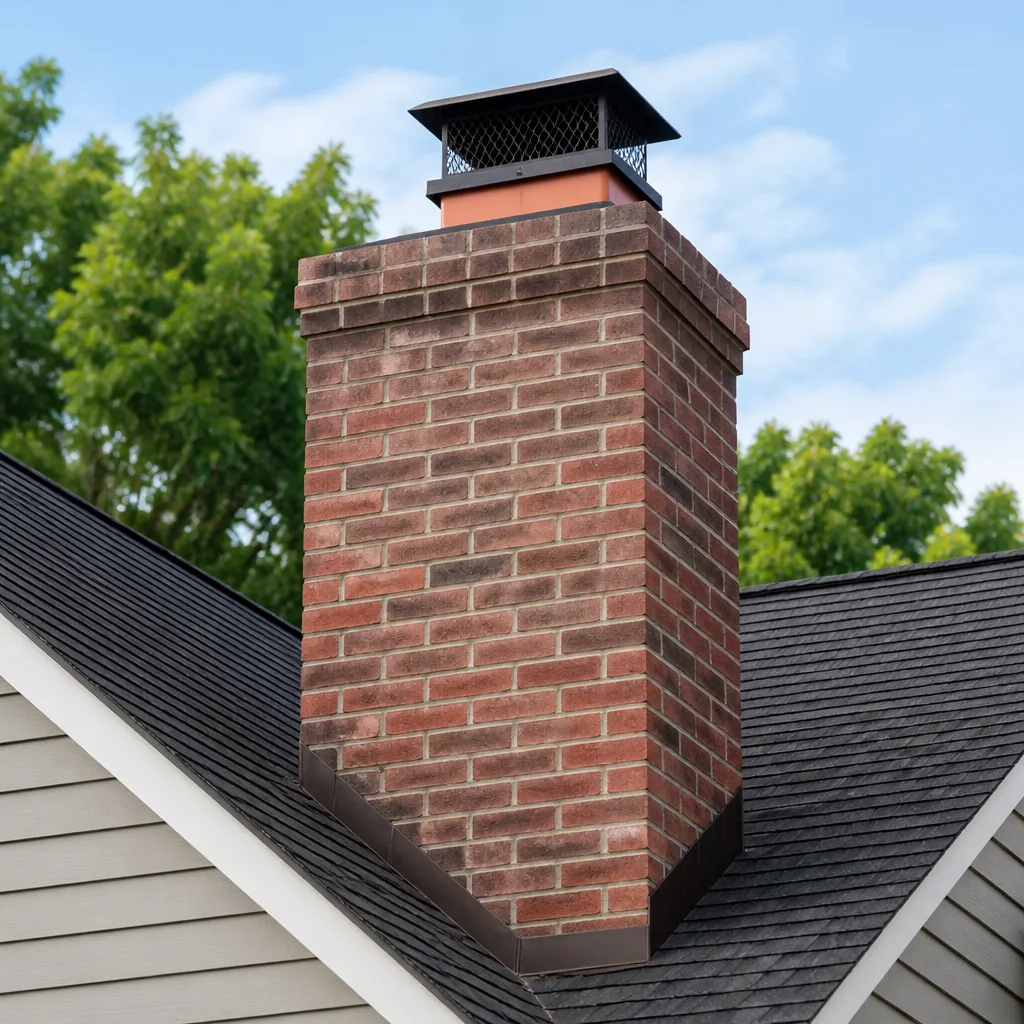 Masonry repair
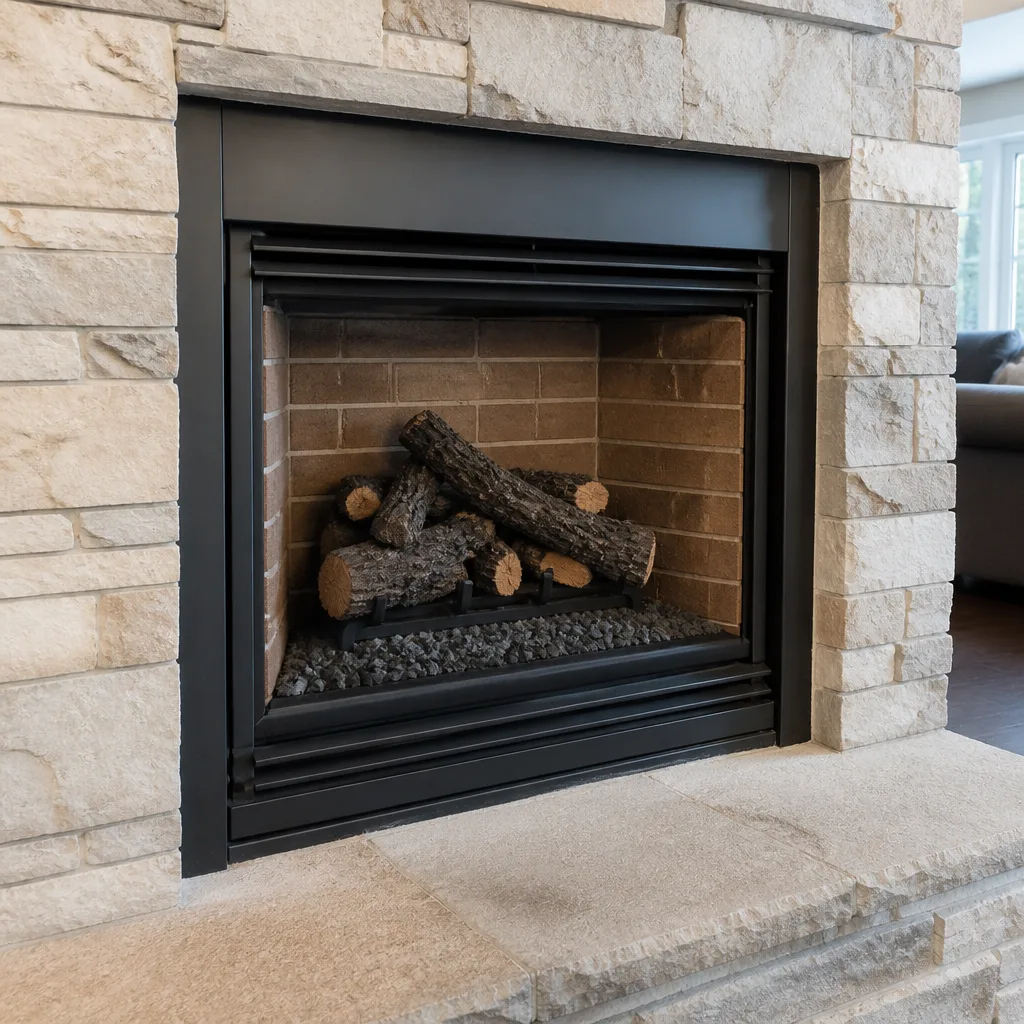 Gas fireplace service
Level 1 sweep and inspection to the NFPA 211 annual standard - flue, crown, cap, and flashing checked and photographed
Chimney sweep logs do not sweep chimneys. They loosen some creosote - which then falls where a brush and vacuum still have to collect it.
Chimney Sweep Maintenance Schedule: What to Do and When
The standard advice is “sweep once a year.” It’s correct, and it’s also incomplete. If you live in North Las Vegas and you schedule your sweep in July, you’re servicing a chimney four months before fire season starts and missing the post-summer inspection that matters most in the Mojave. Our heat doesn’t just bake the house – it bakes the masonry, the crown, and the cap. The calendar that works for a wood-burning home in New England isn’t the calendar that works here. This guide lays out a maintenance schedule built for North Las Vegas: desert heat, a short burn window, a monsoon season that tests every chimney cap in the valley, and gas logs that still need attention even without creosote. You’ll get the timing, the task list, and a log system that makes every future visit faster.
Quick Answer
The best chimney maintenance schedule in North Las Vegas is two touchpoints a year: a sweep and inspection in September, right after summer heat and monsoon season but before the November to February burn window, and a spring check after the last fire for damper, smoke chamber, and masonry condition. Gas fireplaces still need an annual flue inspection even though they produce no creosote. Between visits, check your cap and crown after major monsoon storms. That’s the whole schedule – the rest of this guide explains why each piece is timed the way it is in our climate.
Styles & brands we work with
- Sweep & inspection
- Caps & crowns
- Flue relining
- Masonry repair
- Gas fireplace service
Table of Contents
- Why September Is the Right Month to Sweep
- What to Check After Monsoon Season
- During Burn Season: The November to February Checklist
- Spring Tasks After the Last Fire
- Gas Fireplaces vs. Wood-Burning: Different Schedules
- How Often Do You Actually Need a Sweep?
- Building a Written Chimney Log
- Common Mistakes to Avoid
Why September Is the Right Month to Sweep
September is the optimal sweep and inspection window in North Las Vegas because it comes after summer heat stress and monsoon rains have done their worst to the chimney’s exterior, and before the November to February burn window opens. A July sweep gets you a cleaned flue that then sits unused for months while the real weather damage happens. A November sweep gets you a chimney that hasn’t been looked at since the last burn season ended – which means any crack, cap failure, or moisture intrusion from summer went unnoticed all the way into the first cold night.
The summer in North Las Vegas is where a chimney quietly deteriorates. Daytime highs push well past 100°F for weeks, and masonry expands and contracts through those cycles. Then the monsoon arrives in July through September: sudden downpours, wind that drives rain sideways, and a temperature drop fast enough that flashing, sealant, and mortar joints take a beating. By the time September arrives, any problems are visible. By November, they’ve either gotten worse or disguised themselves as dry.
What the September visit covers
- A full sweeping of the flue, matched to whether your chimney is wood-burning or gas.
- A visual inspection of the firebox, damper, smoke chamber, and flue interior.
- An exterior check of the cap, crown, flashing, and any masonry above the roofline.
- A photo or written report of what we found, so you can compare it against next year.
- A clear statement of what, if anything, needs repair and whether it can safely wait.
Our technicians have up to 15 years of experience reading exactly this kind of desert wear. If the flue shows light cracking in the parging, we may recommend resurfacing with a system like HeatShield rather than jumping to a full reline – it’s a code-compliant option that restores a structurally sound flue more economically. If the flue is deteriorated through the masonry, we’ll talk about DuraFlex flexible liner systems instead. What we won’t do is recommend either one without a camera view you can see for yourself.
Book the September visit through our chimney sweep service and we’ll schedule it inside that window rather than whenever the calendar lets us.
What to Check After Monsoon Season
After monsoon season in North Las Vegas, check three things on your chimney: cap integrity, crown condition, and any sign of moisture intrusion into the flue or attic. The July to September storms are the single most common source of chimney damage in our climate, and the reason is that water gets in fast and then dries out in weeks – which masks the problem before it ripens into something loud enough to notice from inside.
Monsoon rains in this valley don’t arrive the way most homeowners expect. You get brief, intense downpours with wind-driven water and then days of sun. The cap is what bears the brunt. A chimney cap – whether it’s a proper stainless model from a manufacturer like Gelco or Olympia Chimney, or something lesser – has to stay attached and stay intact through that. When a cap warps, blows loose, or loses its screen, rain goes straight down the flue, and birds and debris follow.
The post-monsoon exterior check
- Cap integrity: Is it still seated? Is the screen torn or rusted through? Is it the right size for the flue?
- Crown wash: The crown is the concrete slab on top of the masonry. Look for cracks, spalling, or a gap where the crown meets the flue tile. A cracked crown traps water in the masonry, and in a freeze-thaw climate that’s a slow disaster – here it’s a slower one, but still real.
- Flashing: Where the chimney meets the roof, the flashing sealant can crack under UV and heat. This is often the first place water enters the attic in North Las Vegas.
- Masonry above the roofline: Spalled brick faces, missing mortar joints, or visible stains after rain.
If you see any of this after a storm, don’t wait for the September appointment. Small cap and crown problems are far cheaper to fix than water damage that’s had a season to work through your masonry. That’s what our chimney repair service handles, and we stock caps and components from Famco and Gelco specifically so replacements are purpose-built chimney hardware rather than a generic cover from a hardware-store shelf.
During Burn Season: The November to February Checklist
North Las Vegas has a short, sharp burn season – roughly November through February – and it needs less maintenance than most of the country, which is why the schedule philosophy here is different. You won’t be burning every night for five months. You’ll have a handful of cold evenings and a few long weekends, and the chimney needs to be ready each time, not serviced once and forgotten.
The weekly routine during burn season
- Check the firebox for excessive creosote or soot buildup, especially if you’re burning anything other than well-seasoned wood.
- Confirm the damper opens and closes fully. A damper that’s stuck partially open leaks heat all winter and pulls cold air in when the fireplace is off.
- Look for smoke backing into the room. That’s a sign of a flue blockage or an airflow problem, and it means the fire stays out until you know why.
- Keep the area around the hearth clear. Combustible material too close to the firebox is the most preventable fire hazard in a wood-burning home.
What not to do during burn season
Don’t burn pressure-treated wood, painted scrap, or anything with a plastic coating. In a valley where the burn season is short enough that people want to make the most of it, it’s tempting to throw in whatever will burn. Treated materials release corrosive compounds that attack the flue liner, and the creosote that forms is harder and stickier than normal wood smoke residue. Burning well-seasoned hardwoods costs more and burns cleaner, which means the money comes back as a chimney that doesn’t need aggressive cleaning in spring.
Booked sweeps happen before the season, and repairs happen when there’s evidence for them. If a problem turns up mid-season – smoke, a smell, a strange sound from the flue – call us. We can work with your insurer if a repair turns out to be significant.
Spring Tasks After the Last Fire
Spring is the secondary touchpoint in a North Las Vegas chimney schedule, and it exists for three reasons: to lubricate the damper after a winter of use, to brush the smoke chamber before residue hardens through the summer, and to document any new cracking while you can still remember what the chimney looked like in the fall. That last point is the one most homeowners skip, and it’s the one that saves the most money.
Spring chimney task list
- Shut the damper and inspect the hardware. Apply fireplace-approved lubricant to the damper mechanism if it’s stiff or squeaking. Stiff dampers get worse, not better.
- Brush down the smoke chamber and firebox walls. Creosote that stays in place through summer dries and hardens, which makes the fall sweep longer and rougher.
- Remove ash from the firebox, but leave a thin layer on the firebrick if the firebox is designed for it.
- Re-check the cap and crown now that the last rain of the season has passed. Small issues are cheapest to fix in spring.
- Take photos of the firebox, damper, flue interior as far as you can see, and the exterior cap and crown. Store them with the date.
- Note anything you repaired in the last year, and anything that looks new compared to last spring’s photos.
The photos are the entire point. A crack that runs a quarter inch longer than it did last year is a data point. The same crack with no baseline is just an anxiety. That comparison is how you catch a slow-developing problem before it becomes an expensive repair, and it’s the reason we include a photo report with every inspection – so your spring photos and our records sit side by side.
Gas Fireplaces vs. Wood-Burning: Different Schedules
Gas fireplaces in North Las Vegas don’t create creosote, but they still need an annual flue inspection – the schedule changes, not the need. Gas logs, inserts, and gas fireplaces can produce condensation inside the flue, attract nesting birds and insects to an open flue, and in some installations vent differently than a wood-burning chimney, which means the flue interior has to be checked for blockages and liner condition even though there’s nothing to sweep.
What a gas fireplace schedule looks like
- Annual: Flue inspection for blockages, debris, and liner condition. Cap check.
- During the season: Watch for sooting on the logs or the glass, unusual odors, or a delayed ignition – each of those means a technician visit, not a wait-until-spring.
- Never: Burn wood in a fireplace set up for gas logs unless it’s been properly converted. The typical install isn’t rated for it.
What a wood-burning schedule looks like
- Annual: A full sweep, plus inspection. Creosote buildup is the variable – how much depends on wood quality, burn habits, and the flue itself.
- September: The key visit, as covered above.
- Spring: Damper lubrication, smoke chamber brushing, and documentation.
The North Las Vegas wrinkle for gas is the summer. Gas fireplaces often sit completely unused for months, and an open flue during summer is an open invitation to birds and debris. A spring or early-summer flue inspection is cheap insurance against lighting a fire in November and finding out something moved in. If your gas fireplace uses a liner that needs replacing, that’s the same conversation as a wood-burning flue – we’ll show you the camera view before recommending anything.
How Often Do You Actually Need a Sweep?
Most North Las Vegas homes need one sweep a year, timed for September, though the honest answer depends on how much you burn and what you burn. A home burning a cord of well-seasoned hardwood through a short season may only need the annual visit. A home burning frequently, or burning wood that isn’t well-seasoned, or running a fireplace insert that concentrates heat, may need a mid-season check.
How to tell if you’re due
- Creosote thickness: A quarter inch or more of creosote in the flue means it’s time. If you can’t see the flue interior, that’s what the camera inspection is for.
- Smoke backing into the room: Blockage or airflow problem – sweep and inspect, don’t burn until you know.
- A strong smoky smell even when there’s no fire: Usually means creosote buildup or a downdraft. Both are worth a look.
- Burning seasoned wood on a regular basis: Still annual. Better wood means less frequent aggressive cleaning, not no cleaning.
- Never burning anything: A gas fireplace still gets an annual flue inspection.
The chart is simple: wood-burning gets a sweep every year; gas-burning gets a flue inspection every year. Everything else is a variation on how much and how soon. If you’re not sure which category your chimney falls into, the inspection answers it – and if it’s clean and sound, that’s what we’ll tell you.
Building a Written Chimney Log
A written chimney log is a one-page record of every inspection, repair, sweep, and photo, dated, that makes each future visit faster and lets you spot slow changes year over year. It costs nothing to start and it’s the single most useful document you can hand a technician – or a home inspector if you ever sell. In North Las Vegas, where the biggest risks are heat wear and water intrusion that develop across seasons, year-over-year comparison is the whole game.
What to put in it
- Date and service type for every sweep, inspection, or repair – who did it and what was found.
- Photo set of the firebox, damper, flue interior, cap, and crown from each visit.
- Creosote or soot level noted by the technician, in plain language (“light,” “moderate,” “heavy”).
- Any new cracking or spalling, located precisely (“north face of the crown, near the flue tile”), and how it compared to last year.
- Products used, if a repair was made – which cap, which liner system, which company.
- Weather notes for anything unusual in the season before (“heavy monsoon,” “long hot summer”).
Keep it in the same place you keep appliance manuals. After two or three years, it becomes a genuine diagnostic tool – a technician can see in ten minutes what would otherwise take a full sweep to figure out. As a Lancaster Chimney Cleaning customer, you already get the photo record from us; keeping your own copy in one place means you’re never dependent on anyone else’s system. For customers across North Las Vegas, we build that log as part of the job.
Common Mistakes to Avoid
- Scheduling the sweep in summer. A July sweep is a clean flue that then sits unused through the months that actually damage it. By burn season it’s had a full monsoon season of exterior wear you never had inspected.
- Skipping the post-monsoon cap check. The July to September storms are when caps blow loose and crowns crack. Wait until the first cold night to look and you’ve given water damage a full season to work.
- Assuming a gas fireplace needs no maintenance. There’s no creosote to sweep, but there’s still a flue that can collect debris, a cap that can fail, and a liner that can deteriorate. Annual flue inspection is not optional.
- Burning unseasoned or treated wood because the season is short. Treated wood and green wood both create harder, stickier creosote. A short season is a reason to burn well, not a reason to burn carelessly.
- Going years without an inspection because nothing seems wrong. Cracks, crown wash, and liner damage are usually quiet until they’re expensive. The photo record exists because the eye can’t compare what it saw three years ago.
- Skipping the spring damper and smoke chamber work. A stiff damper gets stiffer, and creosote left in the smoke chamber hardens over summer. Both make the fall sweep rougher than it needs to be.
- Hiring the cheapest sweep. A low-bid sweep that doesn’t inspect the flue, camera the liner, or hand you a written report is a cleaning, not a maintenance schedule. The work under the roof is the part that matters.
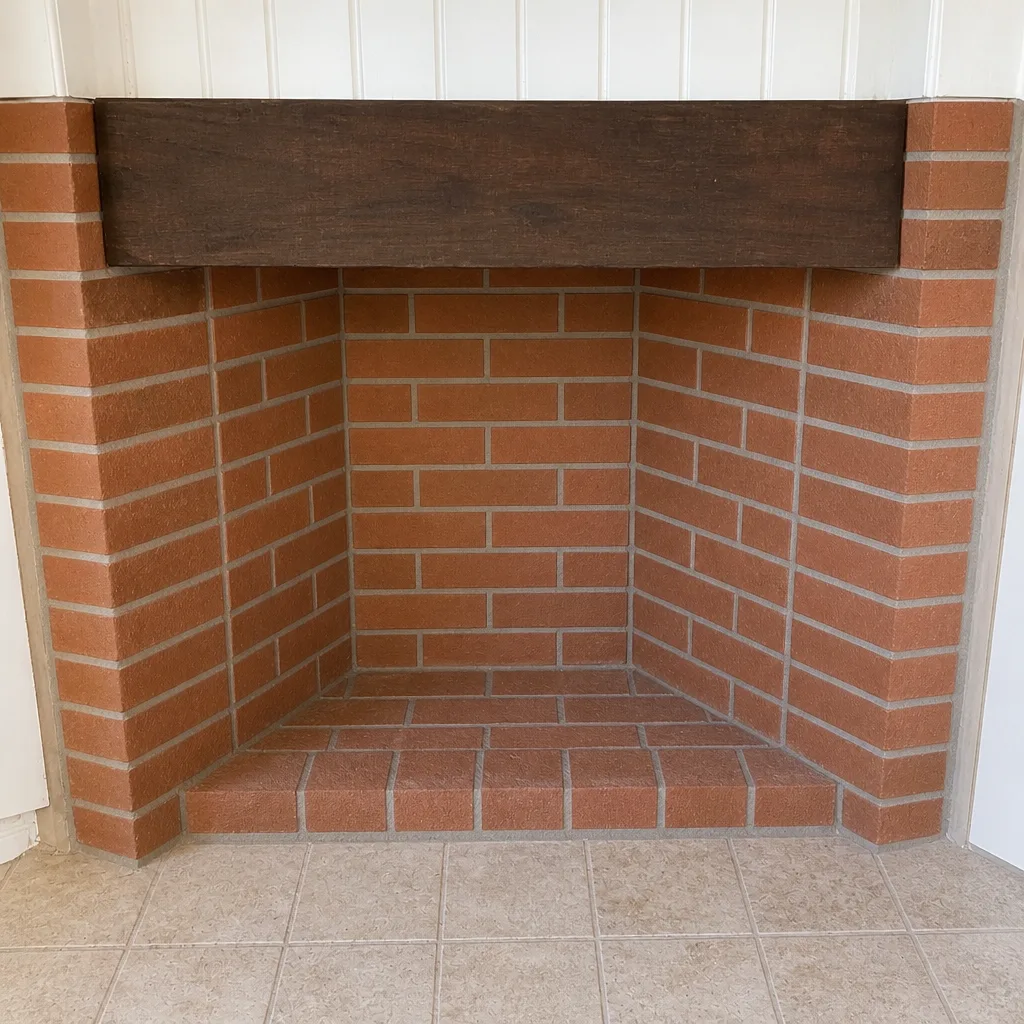
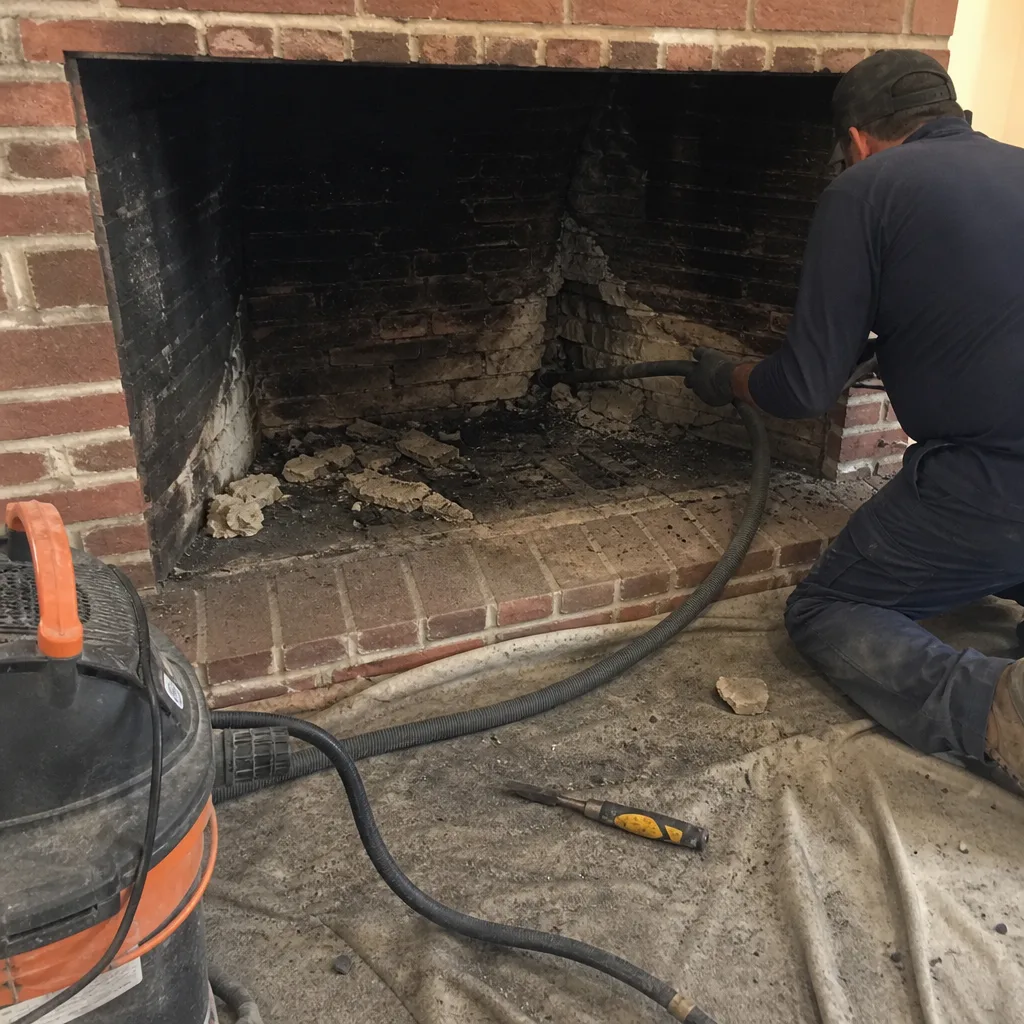
See the difference
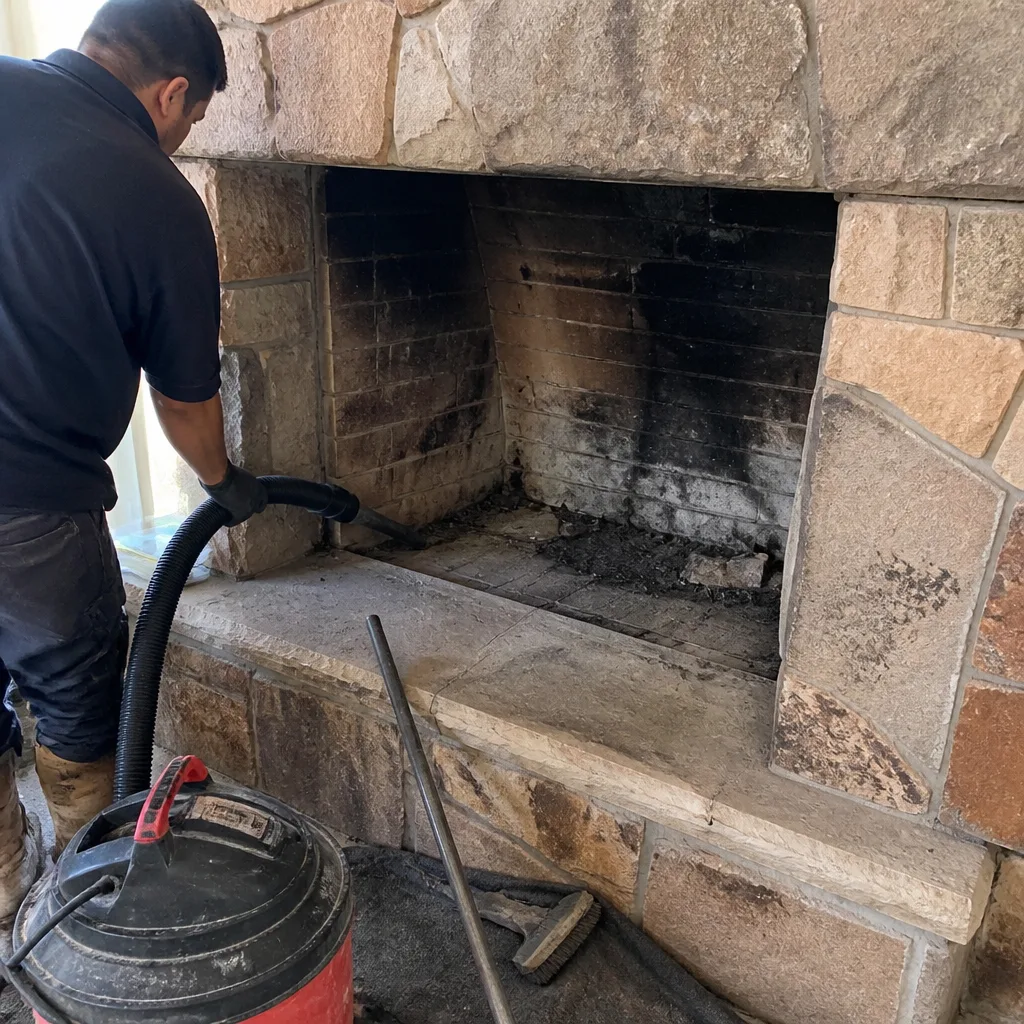 Before
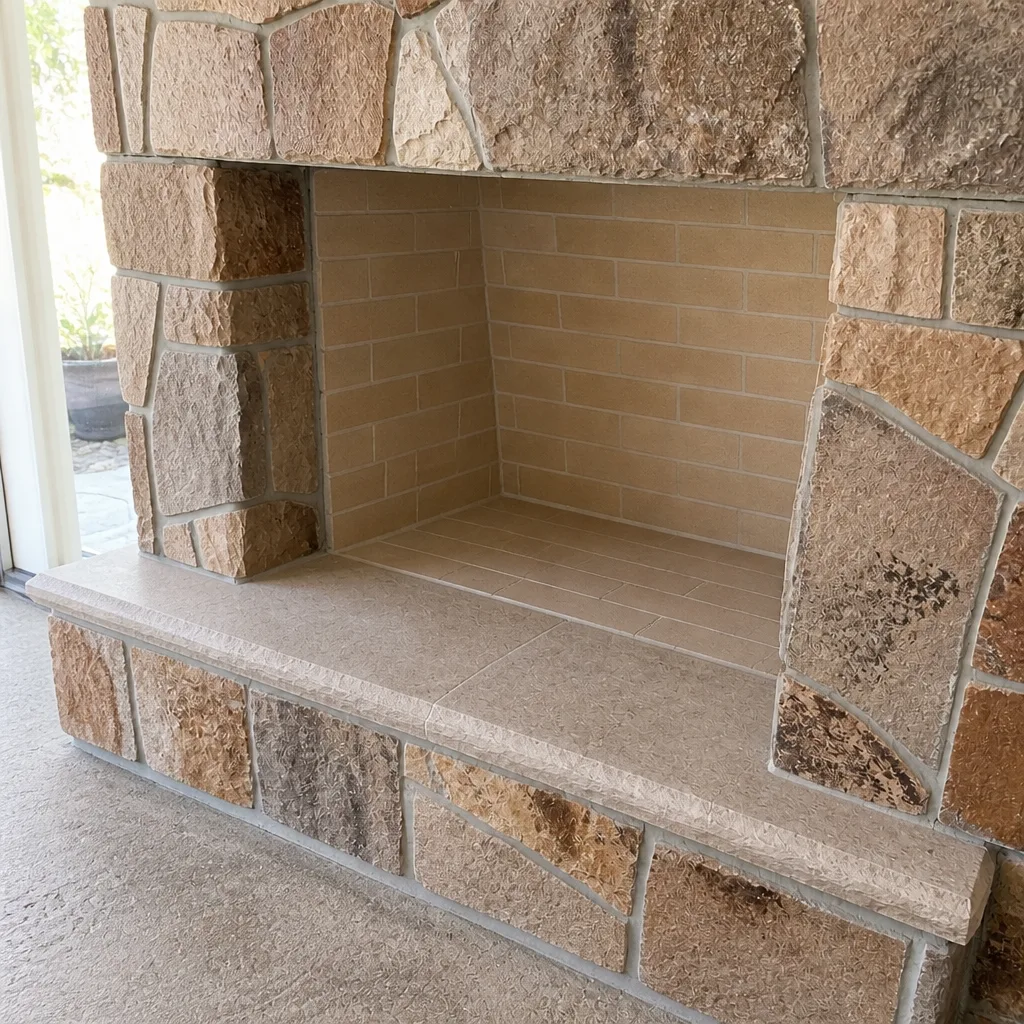 After
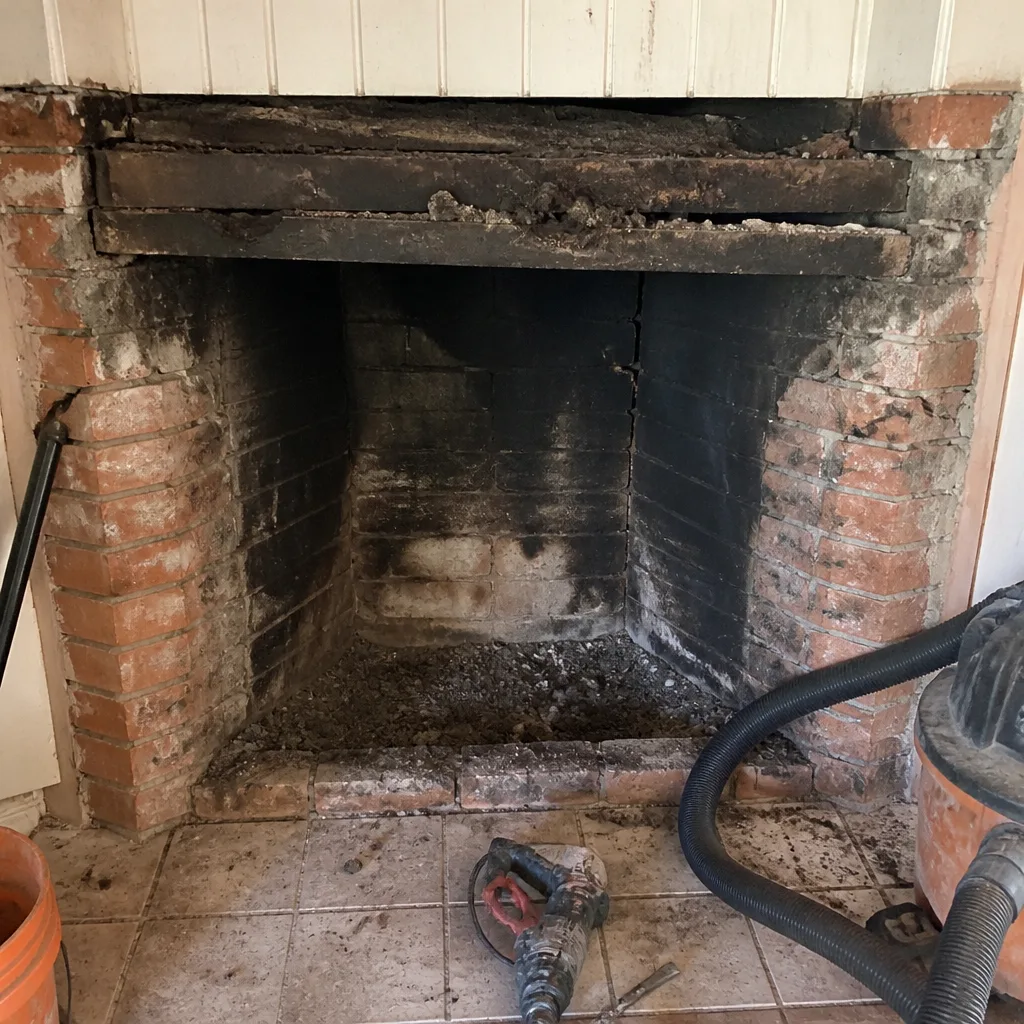 Before
 After
 Before
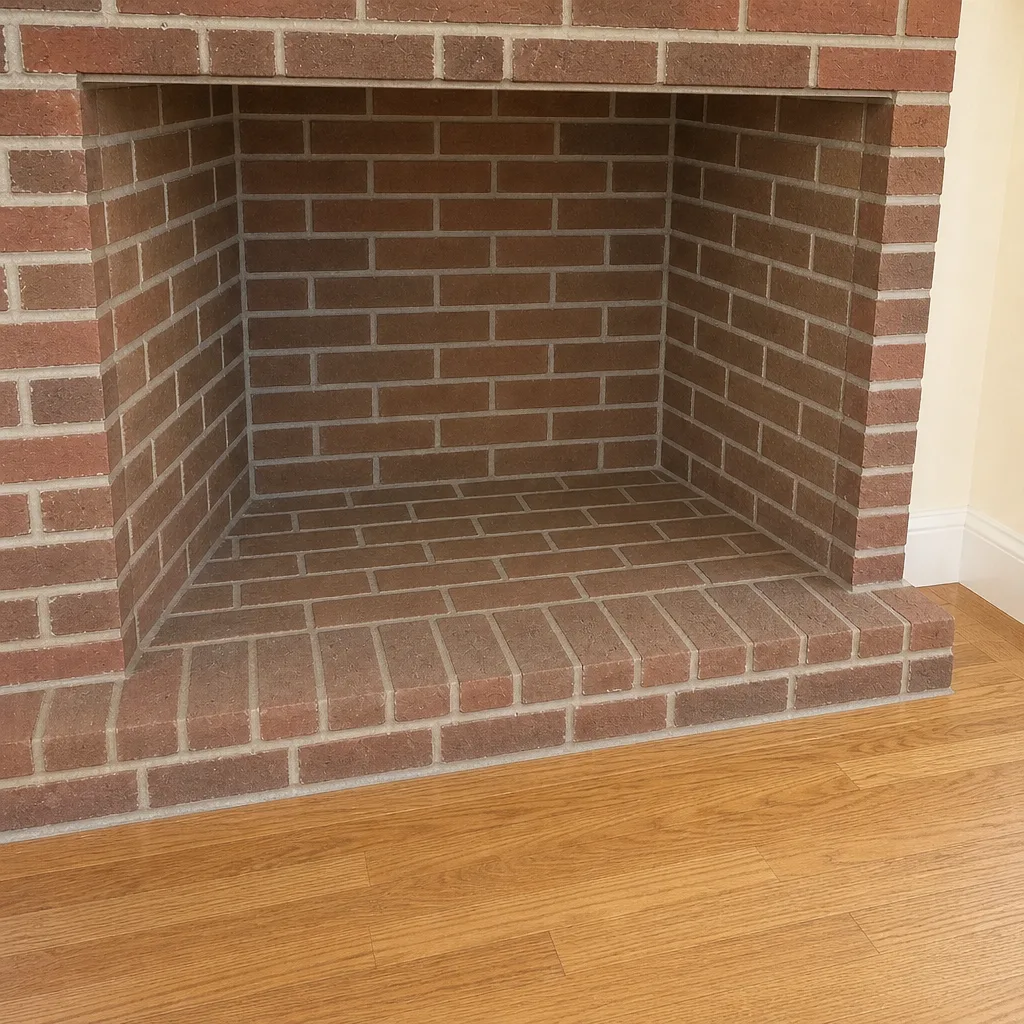 After
When to Call a Professional
Call a professional if smoke backs into the room when a fire is lit, if you smell a strong smoky odor when there’s no fire, if the cap is loose or missing, if you see cracked masonry or a washed-out crown, or if it’s been longer than a year since the chimney was inspected. Those are all signals to have someone look before you burn again. Our technicians have up to 15 years of experience diagnosing exactly these in North Las Vegas, and every visit includes a camera view of the flue and a photo report – nothing is recommended that you can’t see for yourself.
Lancaster Chimney Cleaning offers free estimates in North Las Vegas. Sweep, repair, and inspection are handled under one roof – no coordinating a handyman for the cap and a sweep for the flue. Call (855) 769-1102. We answer 24/7. Fast dispatch from 7am to 7pm, Sunday through Friday.
Frequently Asked Questions
Wood-burning chimneys in North Las Vegas should be swept once a year, timed for September, and gas fireplaces need an annual flue inspection even though they don’t produce creosote. The September timing puts the visit after summer heat and monsoon damage and before the November to February burn window. Call (855) 769-1102 for a free estimate on a September sweep.
Skipping your annual inspection means cracks, cap failures, crown wash, and liner deterioration go unnoticed for another year – and in our climate, water intrusion during monsoon season is the most common way a small chimney problem grows into a structural repair. The cost of a repair always exceeds the cost of an inspection. Call (855) 769-1102 for a free estimate.
You may not – and that’s the point of a camera inspection. A structurally sound flue with light parging cracks can sometimes be restored with a HeatShield resurfacing rather than a full reline. A deteriorated flue needs a flexible liner system like DuraFlex, and we’ll show you the interior view before recommending either. Nothing is prescribed without evidence you can see. Call (855) 769-1102 for a free estimate.
Yes. A gas fireplace doesn’t produce creosote, but it still has a flue that can collect debris and attract nesting birds, a liner that can wear, and a cap that has to survive monsoon season. The annual visit is an inspection rather than a sweep, and it’s the only way to know the flue is clear before you light the fire.
September is the best time for a sweep and inspection in North Las Vegas, followed by a spring check after the last fire. Booking in spring and September keeps you ahead of both the burn season and the monsoon, and it’s far easier to schedule than a mid-December call when the first cold night hits. Call (855) 769-1102 for a free estimate.
Check the cap for looseness or a torn screen, the crown for cracks and spalling, the flashing where the chimney meets the roof, and the masonry above the roofline for spalled brick or missing mortar. These are the four places water enters a North Las Vegas chimney. If you see any of them, have it looked at before the next burn season – a small cap or crown repair is much cheaper than water damage. Call (855) 769-1102 for a free estimate.
The Bottom Line
A North Las Vegas chimney schedule is a two-touchpoint calendar, not a single annual visit. September is the sweep and inspection that matters – after monsoon season and before the burn window. Spring is the check that catches the small stuff before summer hardens it. Gas fireplaces get an annual flue inspection, wood-burning gets a sweep. Check the cap and crown after storms, keep a written log with photos, and don’t burn anything that will leave harder creosote behind. The schedule only works if the sweep happens in the right month – and if the person doing it shows you what they found. That’s why we use professional-grade materials like DuraFlex, HeatShield, Gelco, and Olympia Chimney, and it’s why nothing gets recommended without a camera view you can see.
Ready to put your chimney on the right calendar? Call Lancaster Chimney Cleaning at (855) 769-1102 for a free estimate. We answer 24/7. Fast dispatch from 7am to 7pm, Sunday through Friday.
Written by the team at Lancaster Chimney Cleaning.