
Last updated November 16, 2026
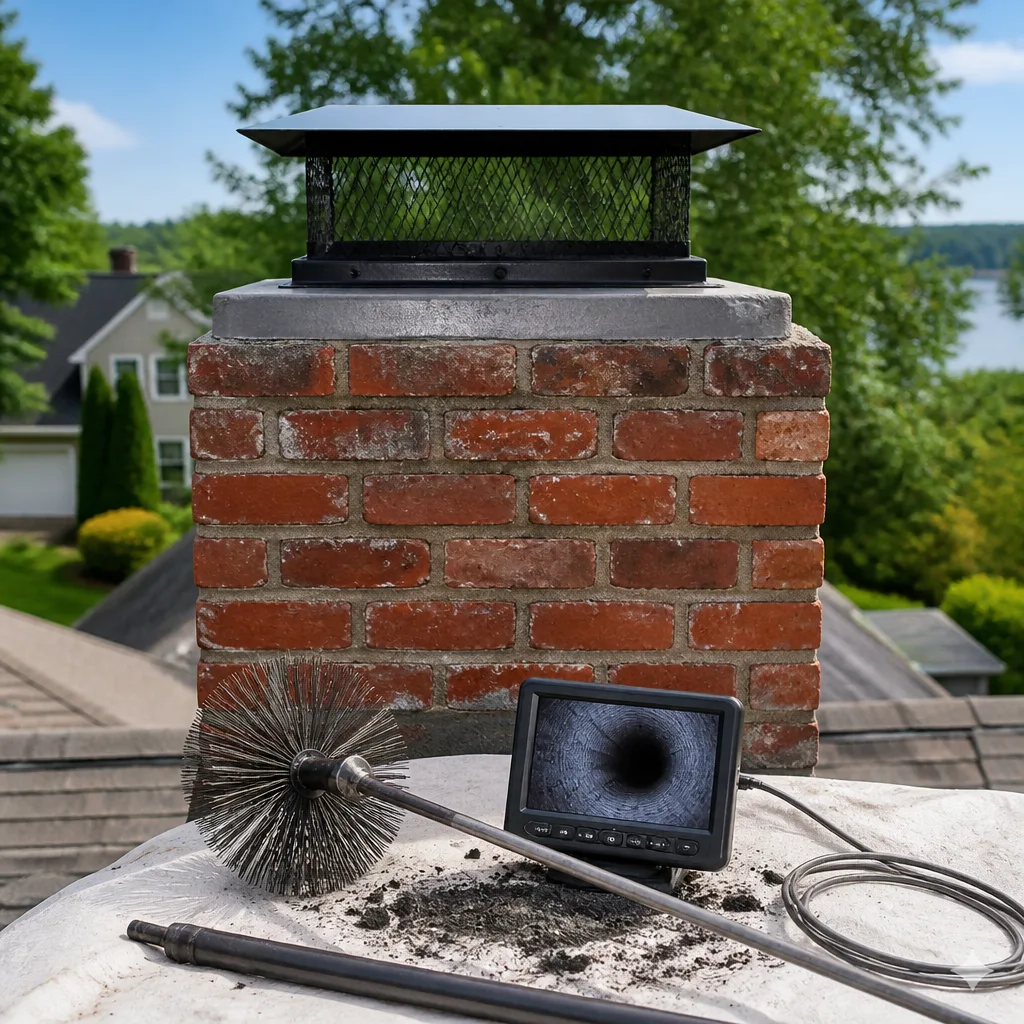 Sweep & inspection
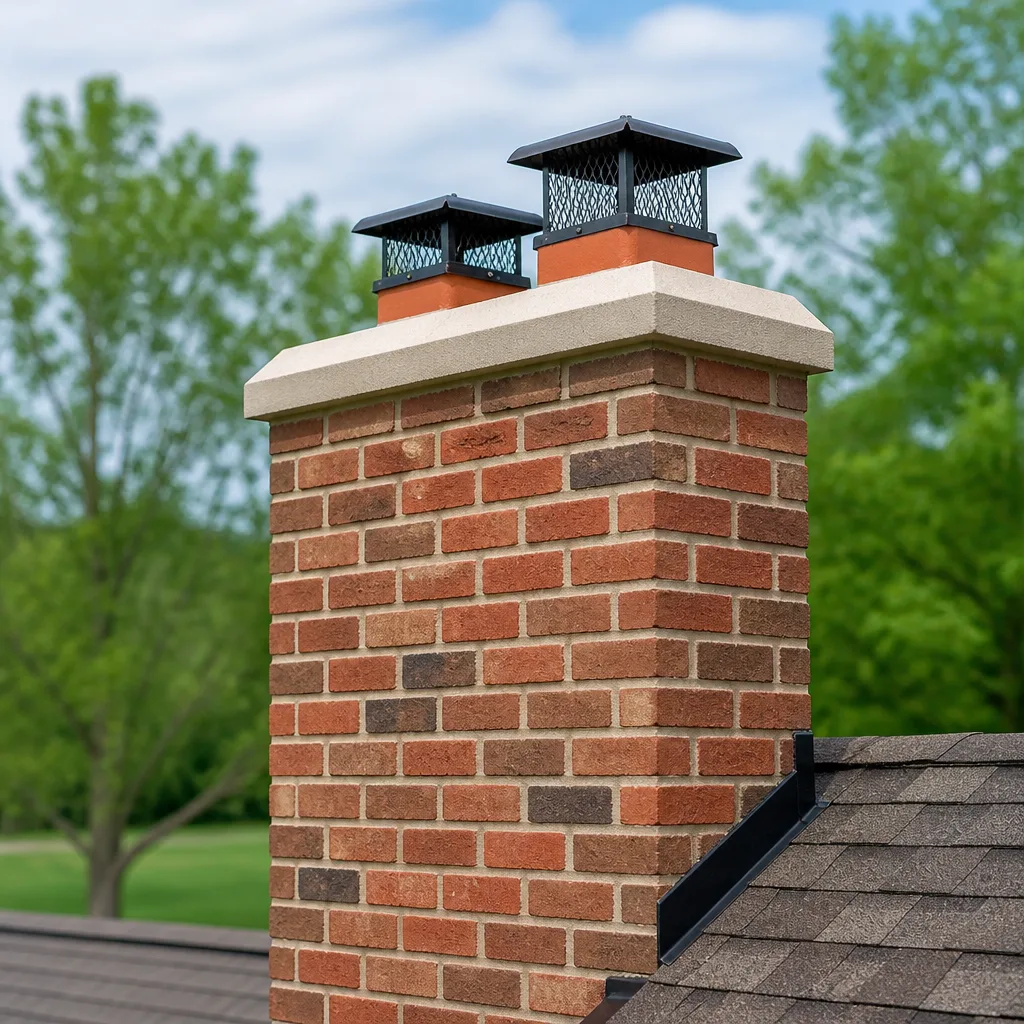 Caps & crowns
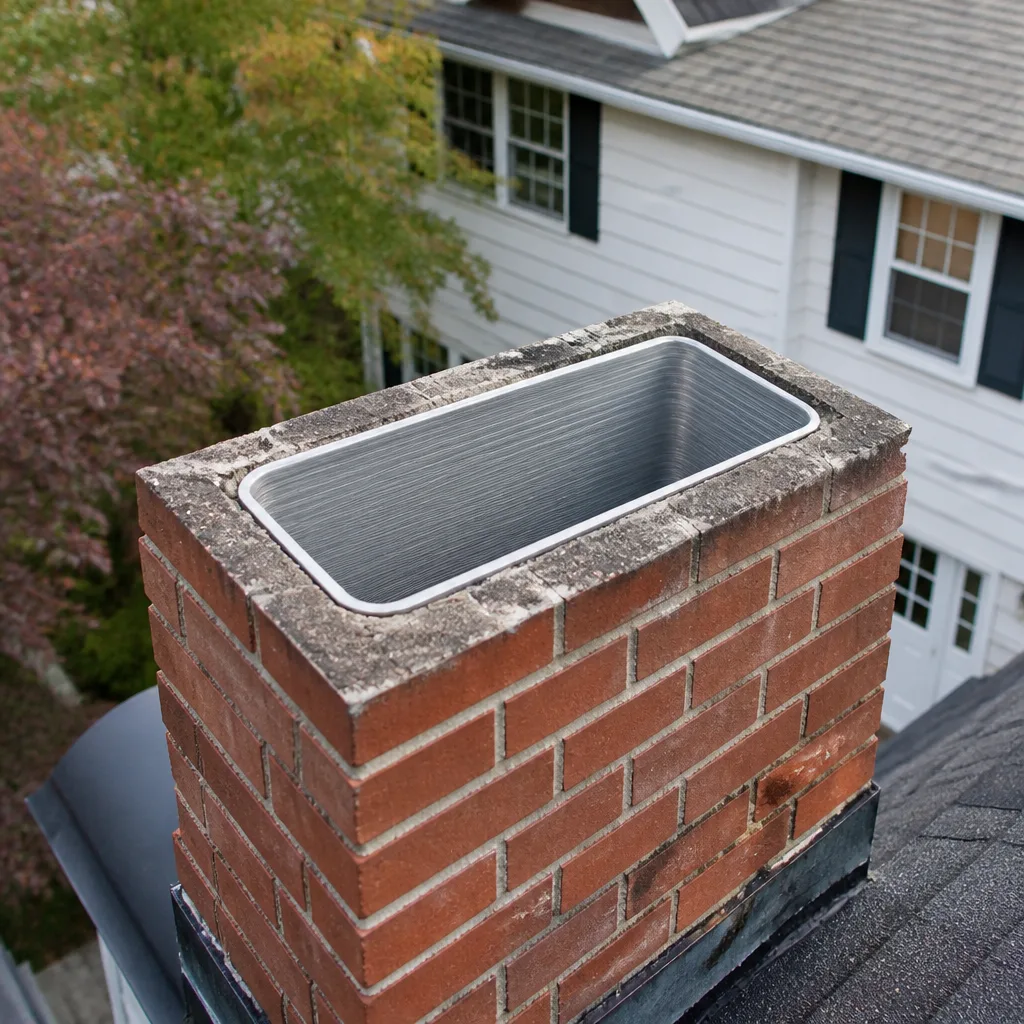 Flue relining
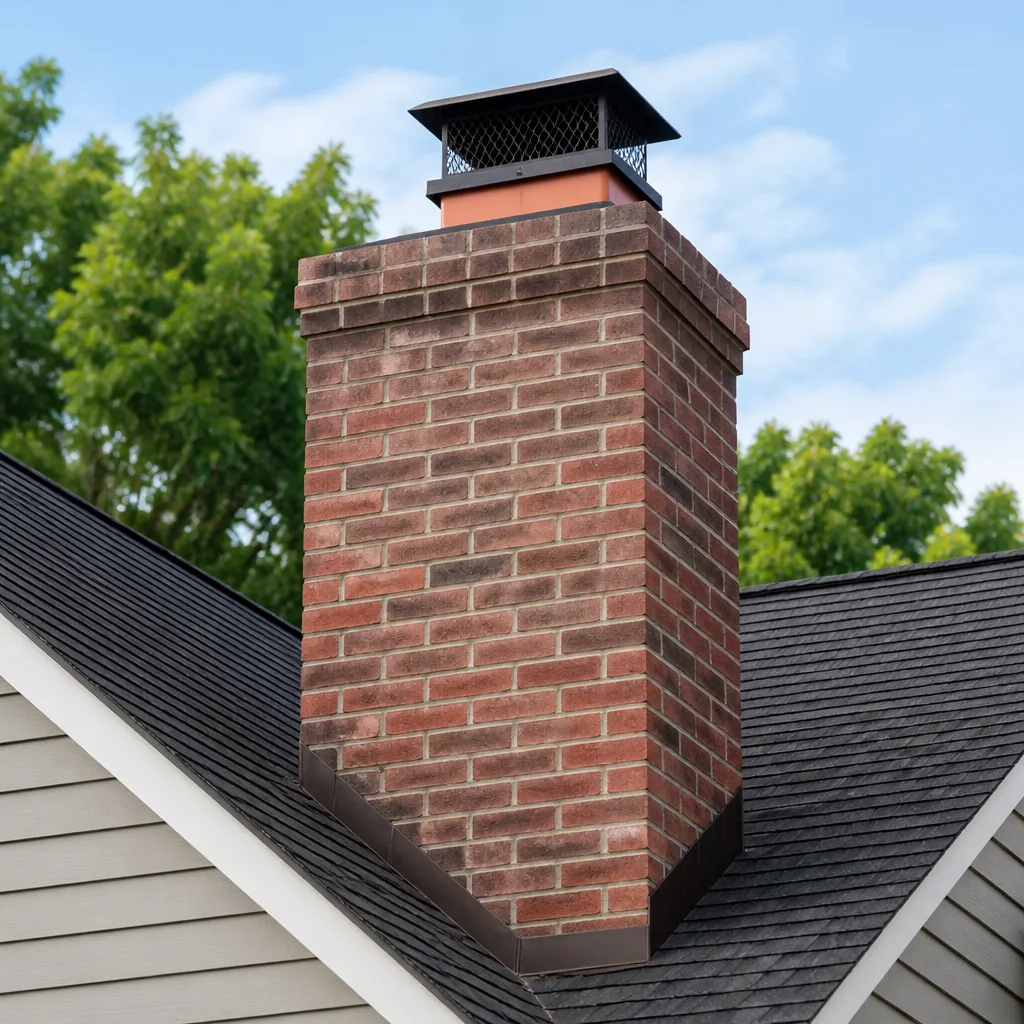 Masonry repair
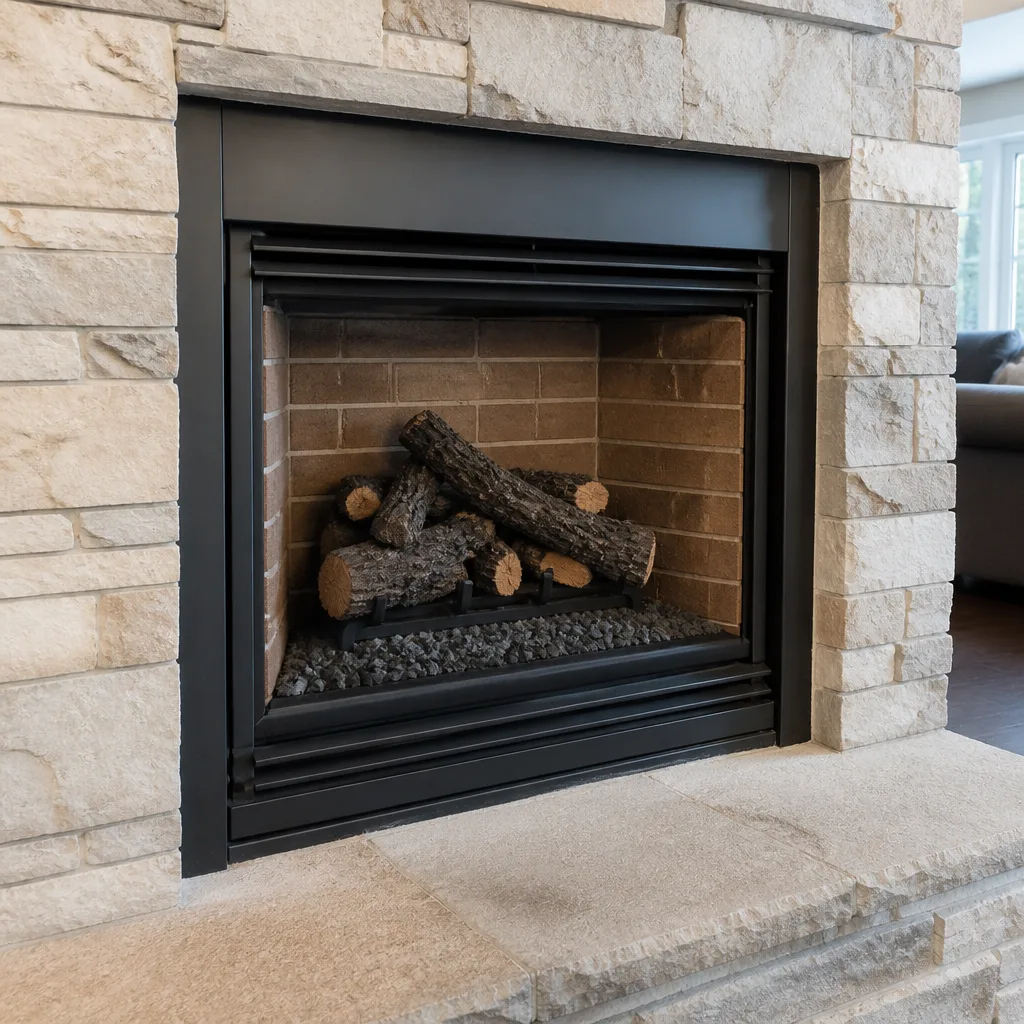 Gas fireplace service
Level 1 sweep and inspection to the NFPA 211 annual standard - flue, crown, cap, and flashing checked and photographed
Chimney sweep logs do not sweep chimneys. They loosen some creosote - which then falls where a brush and vacuum still have to collect it.
Chimney Cleaning Warning Signs: A North Las Vegas Homeowner’s Reference Guide
A white chalky stain on the outside of your chimney isn’t just cosmetic. It’s called efflorescence, and it means water is already moving through your masonry and evaporating on the surface. Most homeowners in North Las Vegas see that stain, assume it’s a paint problem, and paint over it. That traps the moisture and makes the next problem bigger. The signs your chimney gives you in the desert don’t look like the signs in national guides written for wet climates. In this guide, we’ll walk you through the visual, smell, sound, and firebox clues that tell you your chimney needs attention, explain why North Las Vegas conditions produce each one, and show you how to tell which problems can wait and which need a sweep or an inspection now.
Quick Answer
A chimney in North Las Vegas is sending a warning sign when you see white efflorescence on the masonry, stucco cracking at the chimney base, rust or corrosion on the cap, a sulfury or smoky smell in summer when there’s no fire, a sluggish draft, spalling firebrick, a rusting damper plate, or smoke staining inside the firebox. Any single one of these is a reason to book a professional inspection. Multiple signs together, especially efflorescence plus a smoky summer smell, point to water and sealing problems that get worse the longer they sit.
Styles & brands we work with
- Sweep & inspection
- Caps & crowns
- Flue relining
- Masonry repair
- Gas fireplace service
Table of Contents
- Why chimney warning signs look different in North Las Vegas
- Outside visual signs: efflorescence, stucco, and cap corrosion
- Smell signals: what a smoky or sulfur odor means in hot weather
- Draft and airflow problems: when a slow draw means a blockage
- Sounds that matter: starlings, bats, and thermal snap
- Inside the firebox: spalling brick, rusted dampers, smoke staining
- How to tell a warning sign from normal wear
- Common mistakes to avoid
- When to call a professional
Why Chimney Warning Signs Look Different in North Las Vegas
North Las Vegas runs hot and dry for most of the year, and that shapes how a chimney fails. National chimney guides tend to assume a wet climate with freeze-thaw cycles. Our problems come from a different set of forces: long stretches of low humidity, sudden desert downpours, summer heat baking the crown and cap, and a monsoon pattern that delivers a lot of water in short bursts.
That pattern explains a lot of what we find when we sweep chimneys in North Las Vegas. Masonry that stays dry most of the year will soak up a monsoon rain fast, because the mortar has already begun to crack and shrink from the heat. Water gets in, the sun comes back out, and that water evaporates through the face of the wall. The minerals it carries get left behind as the white crust we call efflorescence. The stain is the visible end of a process that started with water reaching places it shouldn’t.
Stucco reacts to the same conditions. Homes across North Las Vegas often use stucco around the chimney chase, and stucco that has been cooked by summer sun gets brittle. Hairline cracks at the chimney base are common. They’re easy to ignore. They’re also a direct path for water into the framing and the flue.
Add the temperature swings. North Las Vegas summer days push past 100 degrees and the nights drop forty degrees or more. Metal components, especially caps and dampers, expand and contract with that swing every single day. Corrosion starts at the seams and fasteners where the metal is already stressed. A cap that looks a little chalky in March can be a rusted shell by the following summer.
The result is a chimney that shows different warning signs than a homeowner expects. You won’t necessarily see the black creosote crust that a wet-climate guide warns about. You’ll see white crust, cracked stucco, and rust. Those are your early signals.
Outside Visual Signs: Efflorescence, Stucco Cracking, and Cap Corrosion
Start with the outside of the chimney. It’s the easiest place to spot a problem, and in our experience most of what a North Las Vegas homeowner needs to know is visible from the ground with a pair of binoculars or from the sidewalk. Walk around the chimney and look for three things.
- White, chalky, or powdery staining on the masonry. This is efflorescence. It means water is moving through the wall and evaporating on the surface. It’s not the problem itself, but a symptom. The water source needs to be found, usually at the crown, the flashing, or a cracked mortar joint.
- Cracking, blistering, or separating stucco at the chimney base. Look where the chimney meets the roofline or the ground and check the stucco for hairline cracks that let water into the framing. On a North Las Vegas chimney, sun exposure and thermal movement make these common.
- Corrosion, pitting, or rust staining on the cap and cap screen. A cap corroding through is a bigger problem than it looks. Once it’s compromised, rain and animals get direct access to the flue, and the liner or clay tile underneath takes the moisture. Rust streaking down the outside of the masonry is a sign the cap is already failing.
One detail that surprises people: a cap that looks intact can still be a problem if it’s the wrong kind. A generic cap that doesn’t fit the flue opening lets water in and lets birds in. That’s one reason we supply caps and venting components through Gelco and Famco, purpose-built chimney hardware rather than hardware-store substitutes. The right cap sheds water correctly and closes off the flue opening to the weather and to wildlife.
If you find efflorescence or cracked stucco, don’t paint over it. Painting traps the moisture and forces it deeper into the masonry. Book an inspection, find the water source, and fix that instead.
Smell Signals: What a Smoky or Sulfur Odor Means in Hot Weather
This is the warning sign most North Las Vegas homeowners miss, because it shows up in summer when nobody is burning a fire. You walk past the fireplace in July and smell smoke. Or you get a faint, musty, sulfury smell coming from the hearth. You haven’t burned wood since winter. So why does the chimney smell like it’s ready to catch?
A smoky or sulfur odor in hot weather with no fire burning usually means the flue is out of balance with the house. There are two common reasons, and they’re both worth investigating.
- Downdraft. Hot air outside is lighter than the cooler air inside the chimney. In the summer, when the outside temperature is higher than the flue, the chimney can reverse its draft and push old smoke and creosote smells back down into the house. This is common in North Las Vegas in June through September. It’s not always a safety problem on its own, but it tells you the chimney is not sealed and drafting properly.
- Sealing failure and moisture. A smell that’s more sulfur than smoke often points to moisture trapped in the flue with old soot and creosote. The water reacts with deposits and produces an odor that gets pushed into the living space. If the cap or crown has failed and water is getting into the flue, this is the result. It smells worse in hot weather because the heat drives the smell off the damp surfaces.
What to do with a smell signal: book an inspection. A trained technician will look at the cap, the crown, the flue lining, and the smoke chamber, and will often find the source of the smell in one visit. If the flue is sound but unsealed, the fix might be as simple as a proper cap or a new top-sealing damper. If the liner has cracked, that’s a bigger job, and one where professional-grade materials matter. We repair damaged flues with chimney repair work that uses HeatShield ceramic resurfacing for structurally sound flues, so you don’t default to a full reline when a resurfaced liner is the right answer.
One caution: don’t treat a smell with a spray or a scented log. Covering the smell doesn’t fix the sealing or draft problem, and in summer, it hides the clue you need.
Draft and Airflow Problems: When a Slow Draw Means a Blockage
A sluggish fireplace is a chimney warning sign, not a personality quirk of your house. If the fire is hard to start, smokes into the room, or burns low and lazy, you have a draft problem. In our experience, homeowners assume it’s the damper and adjust it, or blame the wood. Most of the time the cause is upstream: a blockage, a liner issue, or a flue that’s undersized for the fireplace opening.
Here’s how to tell the difference between a normal draft problem and something that needs immediate attention:
- Smoke rolling out when you first light the fire, then settling. Often a cold-flue problem. Warming the flue helps. If it happens every time, the flue may be blocked or the cap screen may be clogged.
- Smoke rolling out continuously, or a downdraft that pushes ash into the room. This is more serious. It can mean a partial blockage, a cracked liner, a failing smoke chamber, or a flue that’s too short for the roofline. Stop using the fireplace until it’s inspected.
- The fire works fine, then struggles as it grows. This can point to a clogged cap screen, a bird nest, or a soot-blocked flue. A chimney sweep in North Las Vegas will find it quickly.
- The smell of smoke in the room after the fire is out. A sealing failure or an open flue with a failed damper. Worth an inspection.
For a fireplace that just feels weak, don’t keep tweaking the damper. A proper inspection of the flue, cap, and smoke chamber tells you what’s actually happening. Blockages that don’t get caught can also be a carbon monoxide concern, which is why draft problems deserve a real look rather than a guess.
Gas inserts deserve a mention here too. A gas insert that smells or won’t draft properly can be a venting problem, and gas venting failures are a safety issue that needs a trained professional, not a homeowner with a flashlight. If you have a gas appliance venting into a chimney, an annual inspection is how you stay ahead of it.
Sounds That Matter: Starlings, Bats, and Thermal Snap
Your chimney makes noise. Some of that noise is normal, and some of it is a warning sign you can hear from the living room. North Las Vegas is dry, and the animals that take up residence in a chimney here are different from what you’d find in a wetter climate. The two most common problems are starlings and bats.
Listen for these:
- Fluttering, scratching, or a metallic rattle from inside the flue. This usually means birds, most commonly starlings, have gotten past a failing cap screen. A starling nest in a chimney is a fire hazard because the nest material sits right where the smoke goes.
- High-pitched chirping or a chittering sound at dawn or dusk. Bats. They’re common in the region, and an uncapped or undercapped flue is a favorite roost. Bats in a chimney also need careful handling, since in most places it’s illegal to remove them during certain times of year and a trained professional will know when a bat exclusion is allowed.
- A sharp, metallic pop or tick, especially as the sun hits the chimney or in the evening. That’s thermal expansion, and it’s usually harmless. Metal heats and cools through the day, and it ticks as it moves. It’s only worth a look if the sound is loud, repeated, or paired with a visible crack.
- A deep rumbling or a hum that starts with a fire. This can be a draft problem or an obstruction. Treat it as a reason to inspect.
A properly fitted cap is the front-line defense against all of this. It keeps birds and bats out and gives the flue a clean top. If your cap is missing or rusted, that’s the fix to schedule first, before you think about a sweep.
Inside the Firebox: Spalling Brick, Rusted Dampers, and Smoke Staining
The firebox is where the chimney tells its most honest story. Look inside with a strong flashlight, and you’ll see physical evidence that points to the specific problem upstream. Take a photo of each of these if you can, because it makes the conversation with a technician much faster.
- Spalling firebrick. The brick lining the firebox should be whole. If you see flaking, crumbling, or pieces coming loose on the firebrick, the firebrick has been damaged by heat, moisture, or both. Spalling brick can let heat reach the masonry behind it, which is a fire risk.
- A rusting damper plate. Rust on the metal damper means water has been reaching it. The damper is one of the first parts to fail when a cap or crown lets rain in. Look for streaks of rust on the plate, a damper that sticks open, or one that won’t close fully.
- Smoke staining patterns. Staining inside the firebox maps to where the smoke is going. A dark stain low and to one side suggests draft problems. Staining around the damper frame suggests a leak. Staining on the face of the chimney opening suggests smoke has been rolling out into the room, not going up the flue.
- Cracked or broken firebrick joints. Reached mortar joints need repointing. Small cracks get worse when heat moves through them.
If the firebox shows spalling or a rusting damper, stop using the fireplace until it’s inspected. Those are safety signals, not cosmetic ones. A sweep and inspection will also confirm whether the chimney above the smoke chamber is intact, which is the part you can’t see from inside the firebox. This is where a chimney sweep earns its keep, because the technician is checking the flue and smoke chamber while sweeping the firebox, not just brushing soot.
Inside the firebox you can also see whether the flue has been relined. A smooth, gray, ceramic surface on a modern liner is normal. A patch of bare, cracked clay tile tells you the original flue lining is failing, which is the moment to ask us which liner system fits your flue: DuraFlex, HeatShield, or a full reline.
How to Tell a Warning Sign from Normal Wear
Not every mark on a chimney needs a visit. A little soot on the firebox face after a season of fires is normal. A single hairline crack that hasn’t grown after a year is worth watching. The difference between normal wear and a warning sign comes down to pattern, progression, and the presence of water.
Use this as your sorting framework:
- Normal wear: dark soot on the firebox walls, a faint tick from the cap on a hot afternoon, a damper that needs a little effort to close after winter, a small amount of chalky dust that wipes away.
- Book an inspection: an efflorescence stain that reappears after rain, stucco cracks wider than a hairline, a cap with rust through the metal, a summer smoky smell, a draft that’s getting worse over a few seasons, faded or discolored firebrick.
- Stop using the fireplace and book now: a continuously smoking fire that rolls into the room, spalling or crumbling firebrick, a strong sulfur smell from the hearth in summer, a cracked or missing cap over an open flue, visible smoke staining that grows after each fire.
Keep a record. Take photos of the outside of the chimney twice a year, and check the firebox before the first burn of the season. On a North Las Vegas chimney, the two dates that matter most are after the monsoon season and before the first cool-weather fires. A photo log makes a warning sign obvious, because you can see it growing.
Common Mistakes to Avoid
- Painting over efflorescence. The chalky stain is a water signal. Paint traps moisture and pushes it deeper into the masonry. Find the source instead.
- Assuming the summertime smoky smell is nothing. A smoky or sulfur smell in hot weather, with no fire burning, is a sign of downdraft or sealing failure. It’s the clue that often leads to a cap, crown, or liner fix before the cool season.
- Adjusting the damper to fix a slow draft. A sluggish fire is usually a flue or cap problem, not a damper adjustment. Tweaking the damper just delays the inspection.
- Leaving an old or generic cap on a North Las Vegas chimney. Hardware-store caps that don’t fit the flue opening let water and wildlife in. Purpose-built caps from brands like Gelco and Olympia Chimney are designed for the job.
- Skipping the inspection because the fire still burns. A fire can burn fine while a cracked flue liner or a rusting damper is failing behind it. The visible fire is not a safety test.
- Hiring the cheapest sweep and skipping the inspection. A low-bid brush-and-go doesn’t tell you what’s wrong inside the firebox or the flue. For a chimney showing warning signs, you want a technician who sweeps and inspects in the same visit.
- Trying to clear a bird or bat from an uncapped flue without help. A starling nest in a flue is a fire hazard, and bat removal often has legal timing rules. Call a professional.
When to Call a Professional
Call a professional when you see any of the stop-and-book signals: spalling firebrick, a continuously smoking fire, a sulfur smell from the hearth in summer, a cap with rust through the metal, or an open flue over a fireplace that’s been sitting without a cap. Or when two or more warning signs show up together, since that pattern usually means a water or draft problem that will get worse. If you’re not sure, a sweep and inspection is the right first step because it tells you what’s actually happening in minutes. Our technicians have up to experience and handle sweep, repair, and inspection in one visit. Lancaster Chimney Cleaning offers free estimates in North Las Vegas. Call (855) 769-1102 to book one. We answer 24/7, with fast dispatch from 7am to 7pm, Sunday through Friday.
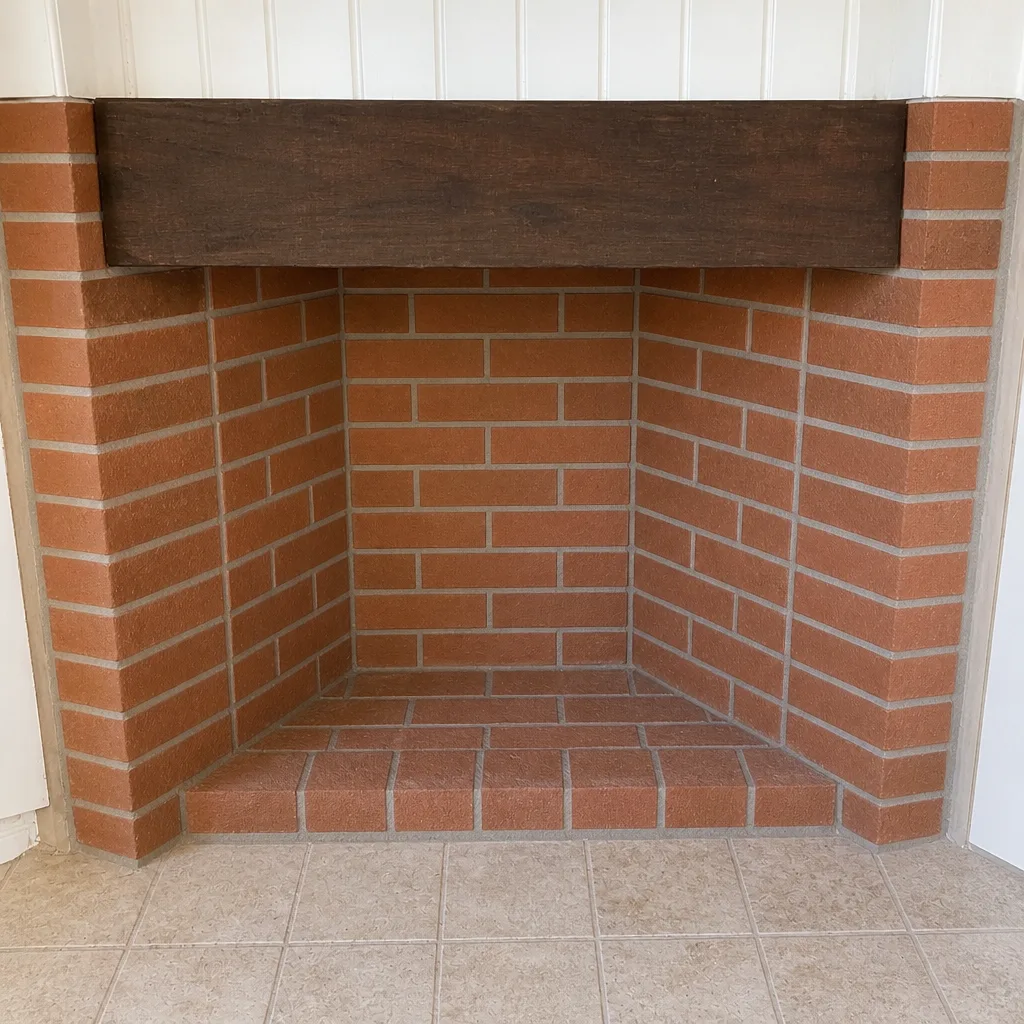
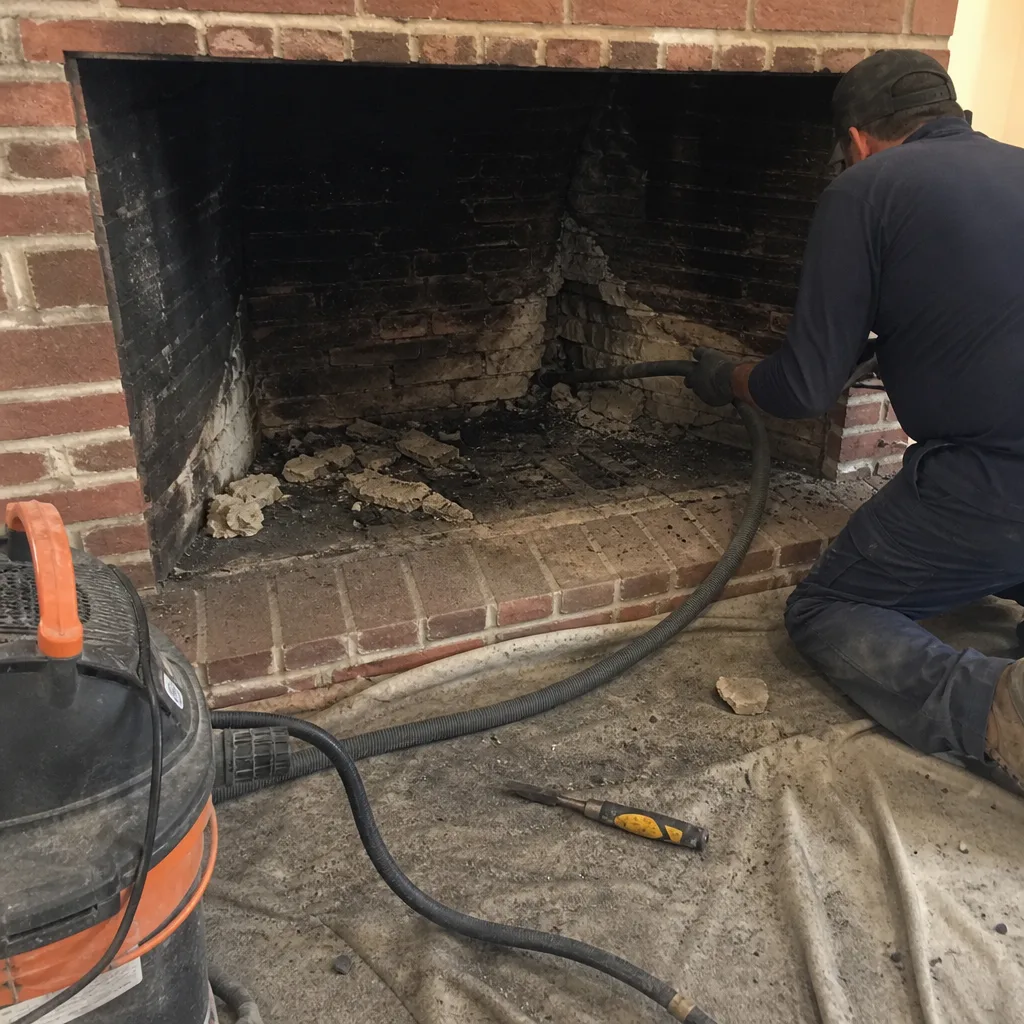
See the difference
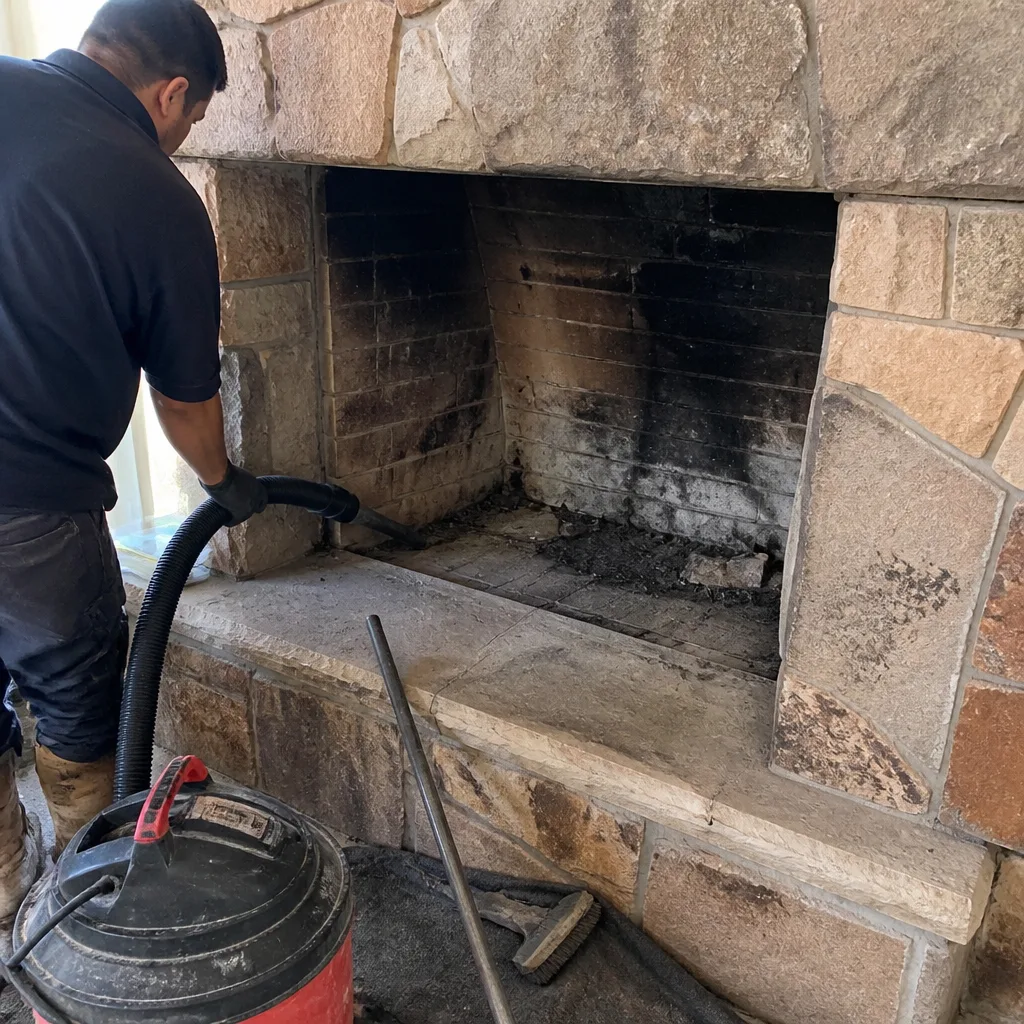 Before
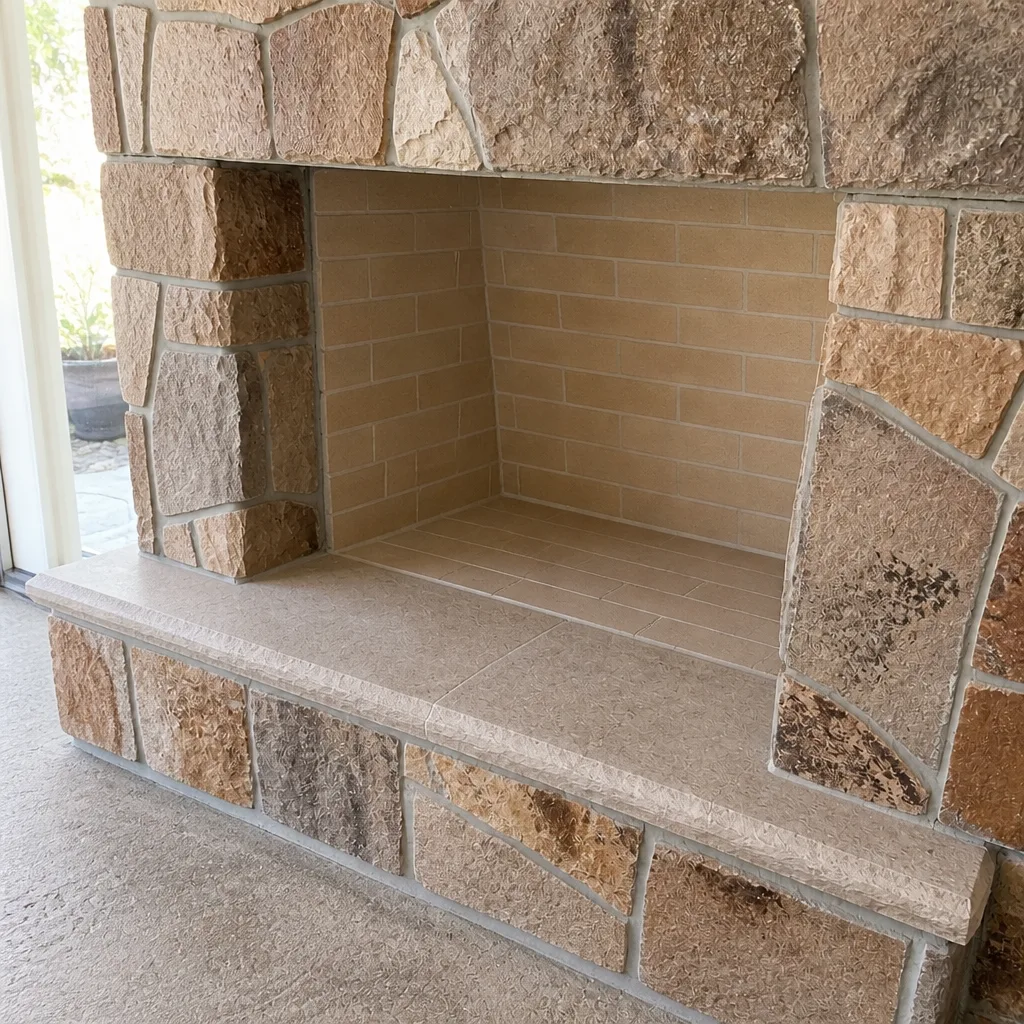 After
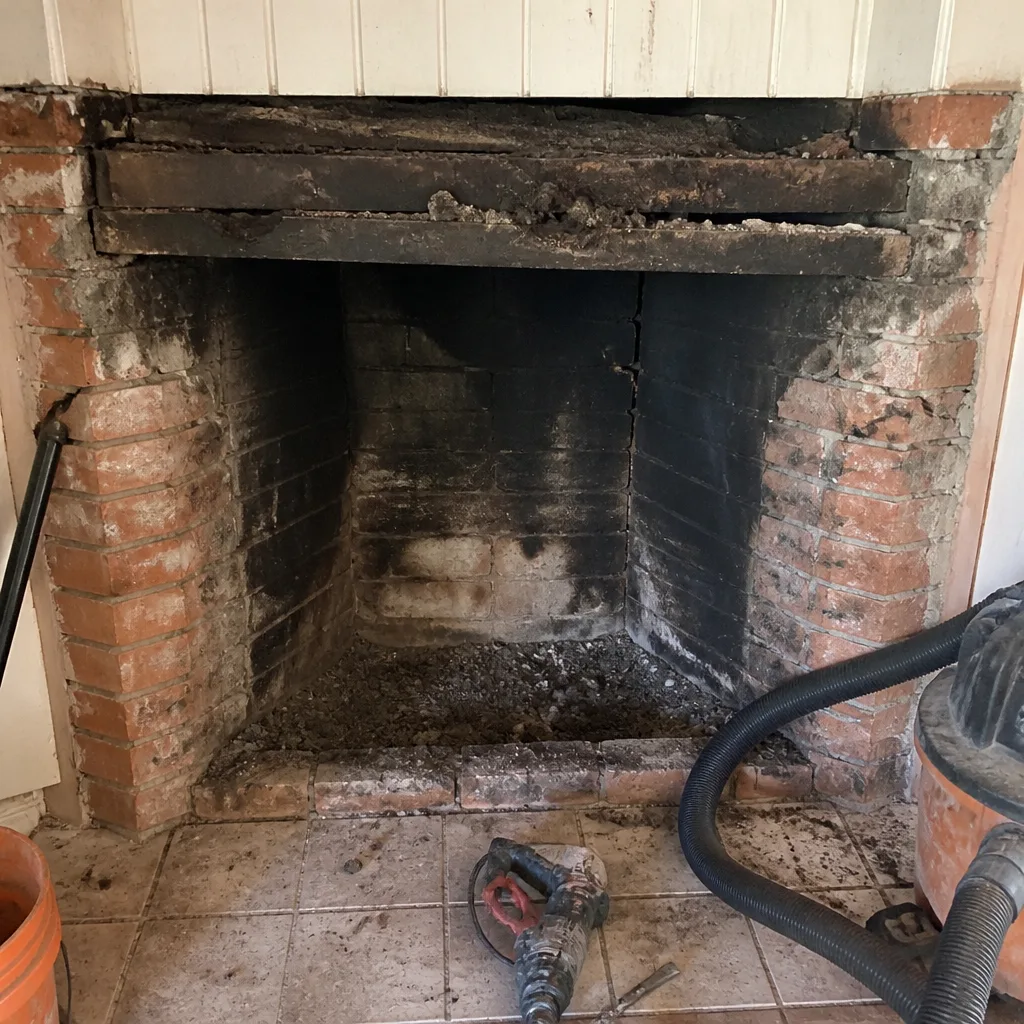 Before
 After
 Before
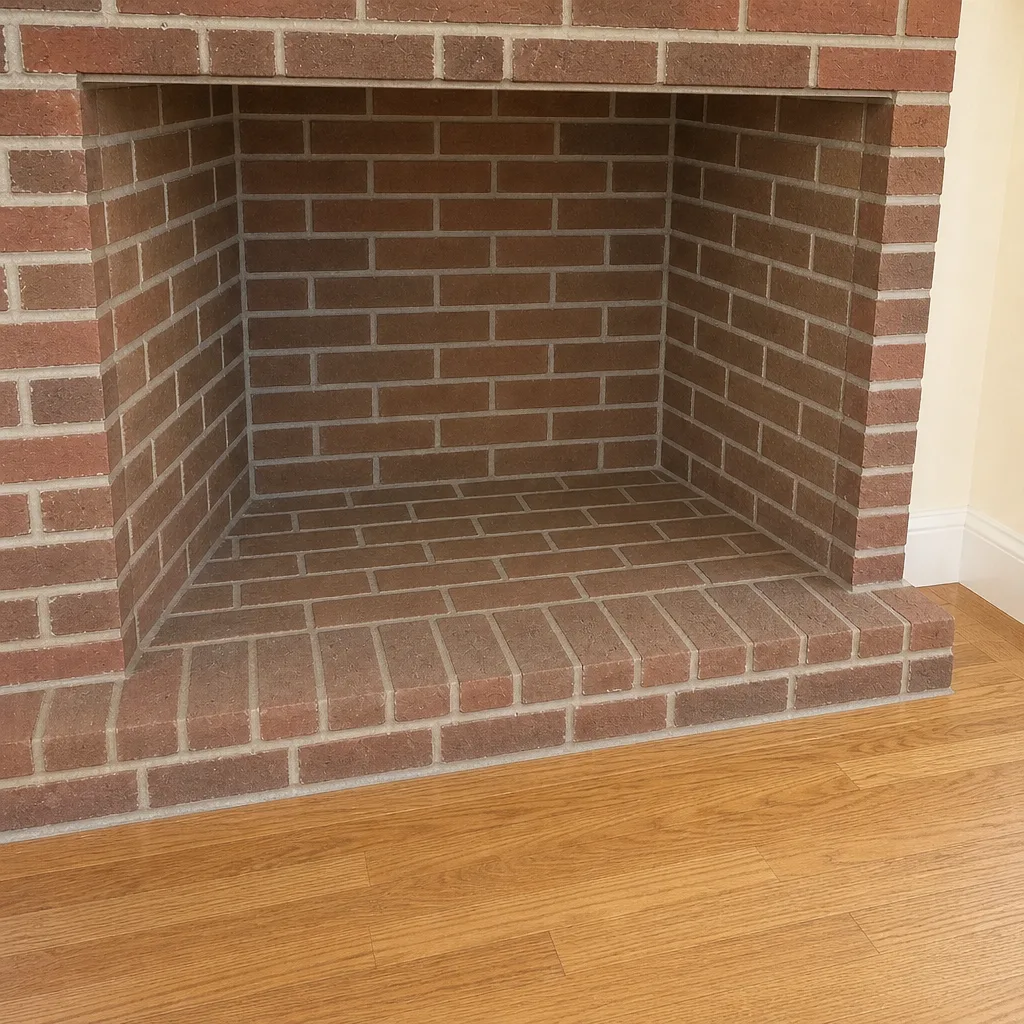 After
Frequently Asked Questions
The earliest signs are usually outside: white efflorescence on the masonry, rusty streaks on the cap, or a smoky smell in the fireplace in summer when nothing’s burning. Inside, a slow draft or a growing smoke stain on the firebox walls often shows up before anything dramatic happens. Any of those is a reason to book a sweep and inspection.
A smoky or sulfur smell in hot weather with no fire is almost always a draft or sealing problem. The hot outside air is lighter than the cooler air inside the flue, so the chimney downdrafts and pushes old smoke and moisture smells into the house. It often means the cap or crown has failed. An inspection will find the source. Call (855) 769-1102 for a free estimate.
Efflorescence itself is harmless, but the water that caused it isn’t. The stain means moisture is moving through the masonry and evaporating on the surface, and that moisture usually gets in through a failing crown, a cracked mortar joint, or damaged flashing. Find and repair the water path, and the stain stops reappearing.
Scratching and fluttering usually mean a bird, most often a starling, has gotten past the cap screen. That nest is a fire hazard because it sits where smoke goes. Bats can also roost in an uncapped flue and often have legal timing rules for removal. A properly fitted cap from a brand like Gelco or Olympia Chimney keeps both out. Call (855) 769-1102 to book a sweep and a cap inspection.
A cold flue will often start slow but settle once it warms, and the fire burns fine afterward. A blockage or liner problem causes continuous smoke into the room, ash blowing back, or a fire that struggles as it grows. If you see continuous smoke in the room, stop using the fireplace and book an inspection.
We recommend an annual inspection, and a sweep whenever the technician finds enough creosote to warrant it. In North Las Vegas, the best time to book is after monsoon season and before the first cool-weather fires, so any water or cap damage is fixed before it becomes a winter problem. Call (855) 769-1102 and we’ll set it up.
The Bottom Line
The chimney warning signs that matter most in North Las Vegas are water signs, because our climate drives failure through the masonry and metal rather than through the firebox alone. Efflorescence, stucco cracks, a rusting cap, a smoky summer smell, a slow draft, spalling firebrick, and a rusted damper all point to a problem that’s easier and cheaper to fix now than after a season of use. Watch for patterns, photograph the chimney twice a year, and treat any two signs together as a call to a professional. If you find a warning sign, Lancaster Chimney Cleaning handles sweep, repair, and inspection in one visit, using professional-grade materials from the brands chimney professionals specify nationwide. Call (855) 769-1102 for a free estimate. We answer 24/7, with fast dispatch from 7am to 7pm, Sunday through Friday.
Written by the team at Lancaster Chimney Cleaning.