
Last updated November 16, 2026
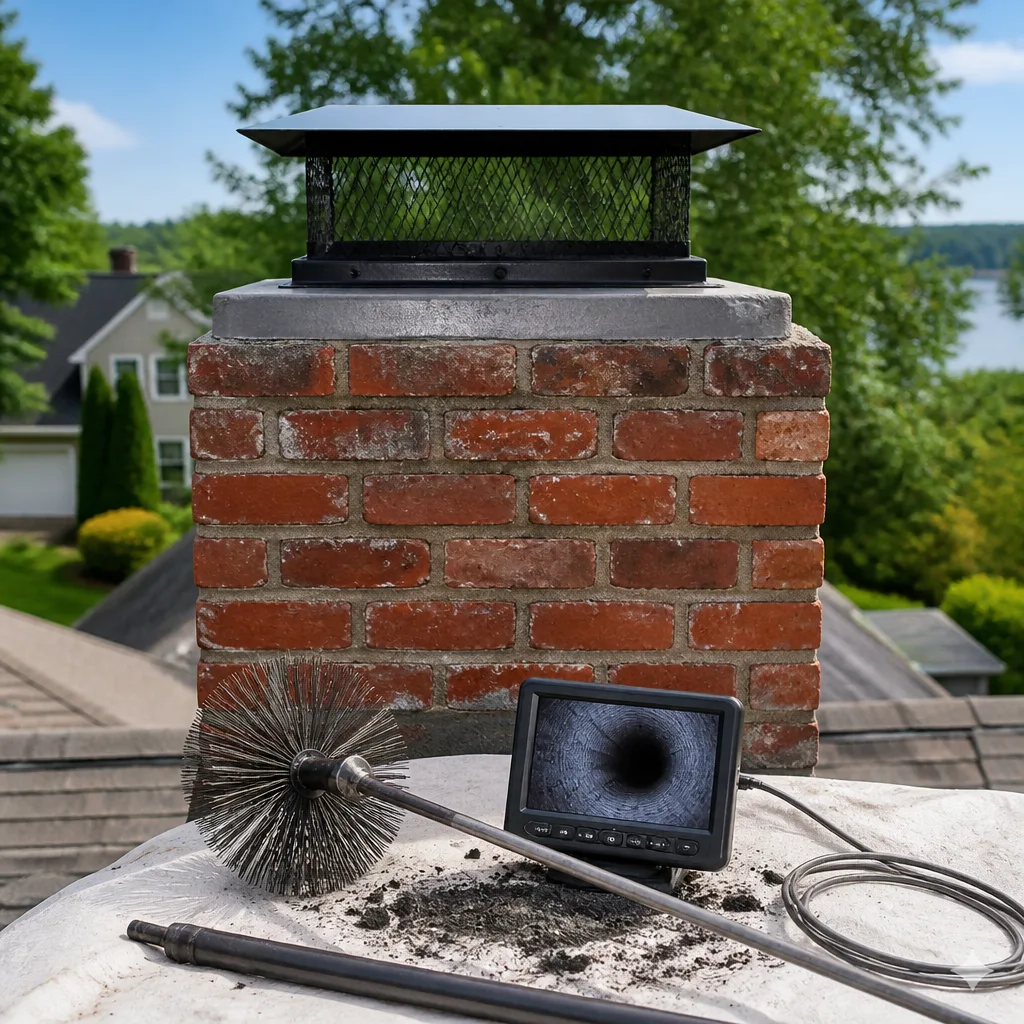 Sweep & inspection
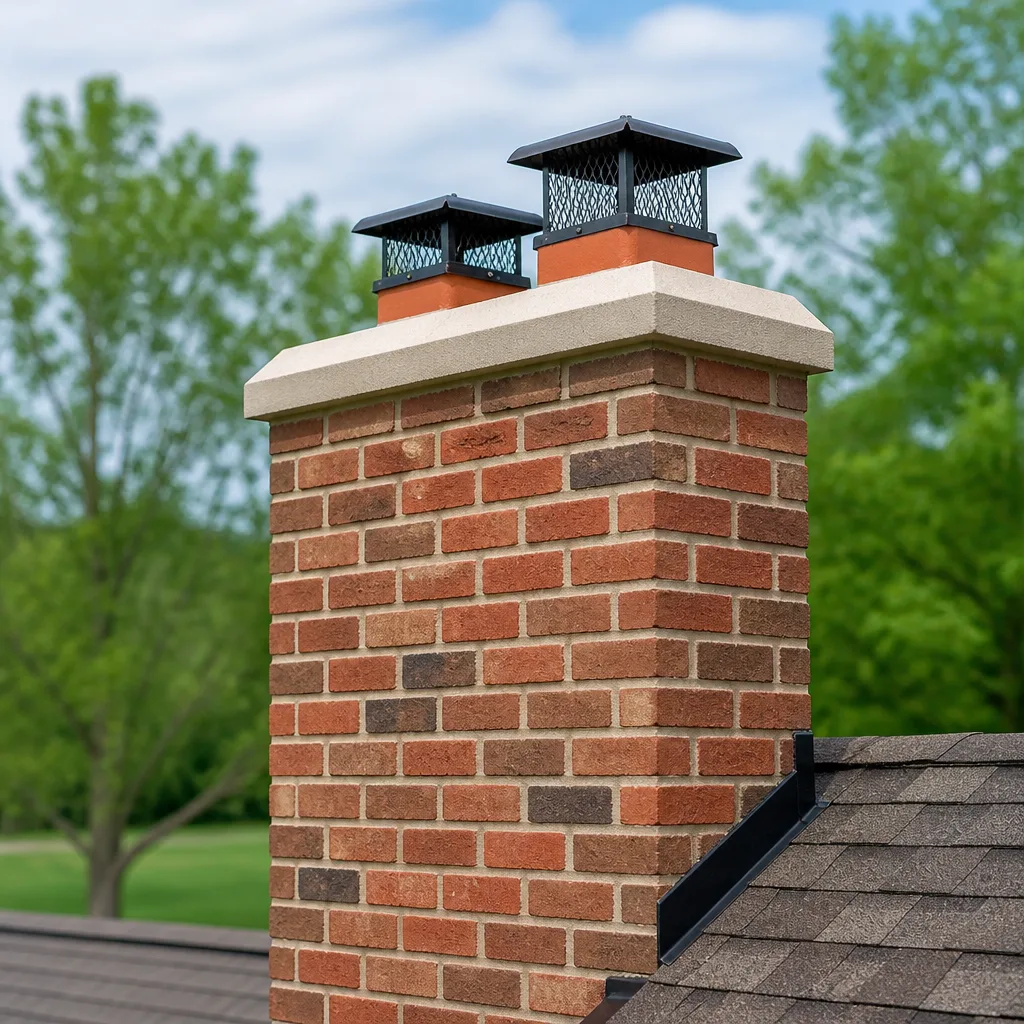 Caps & crowns
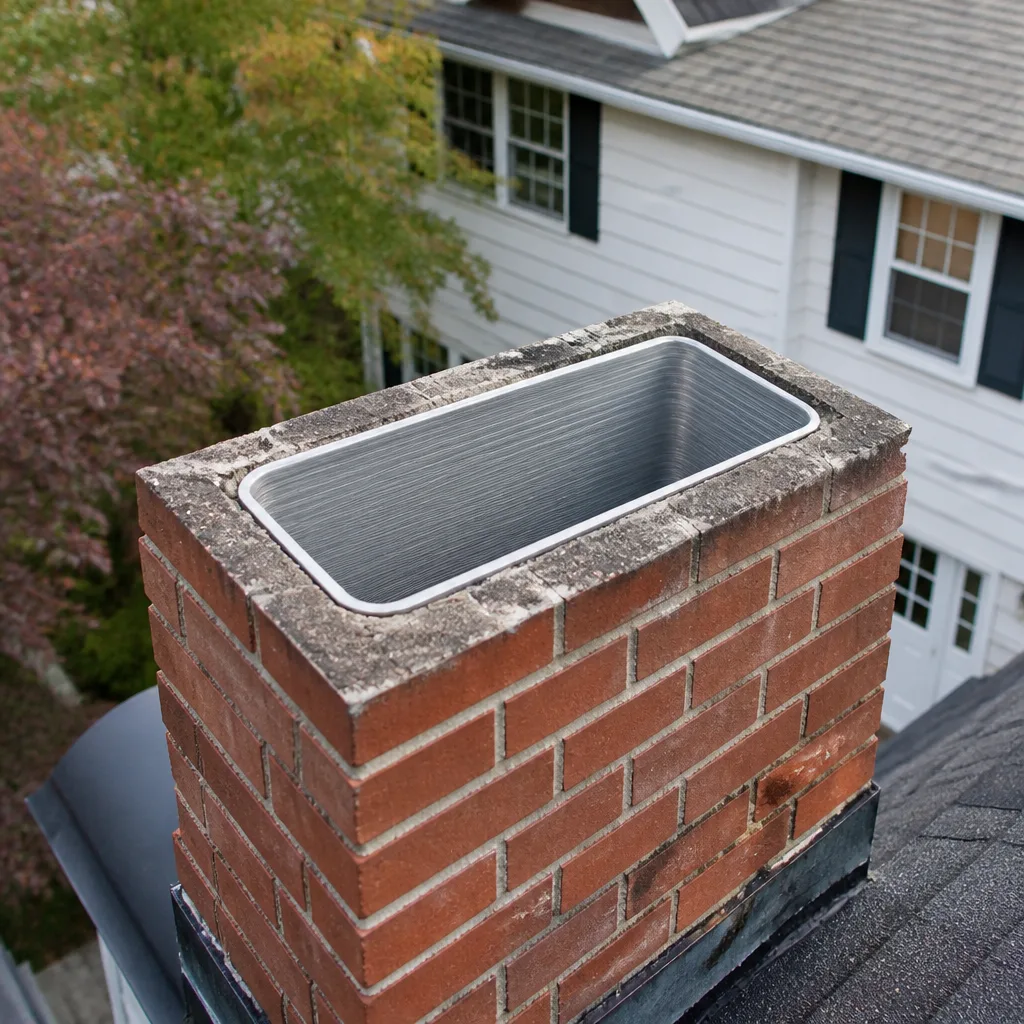 Flue relining
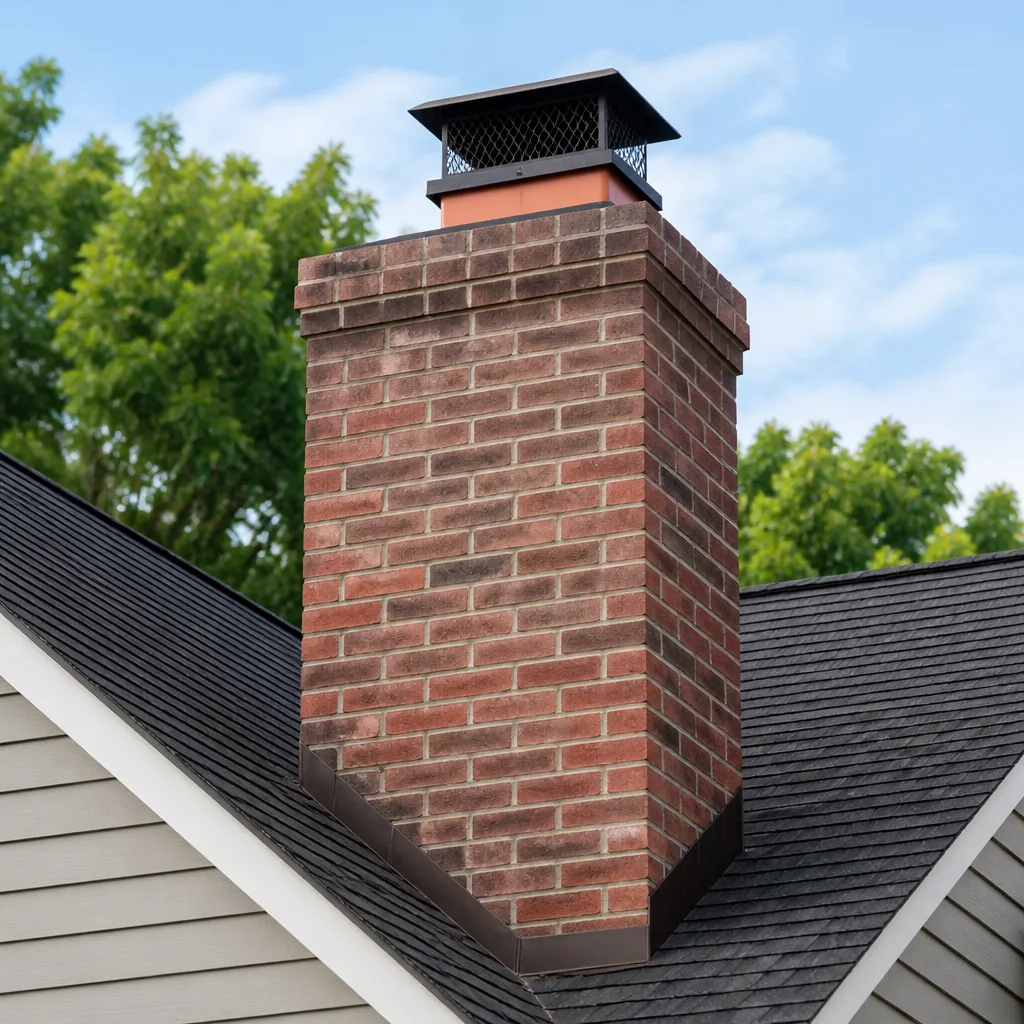 Masonry repair
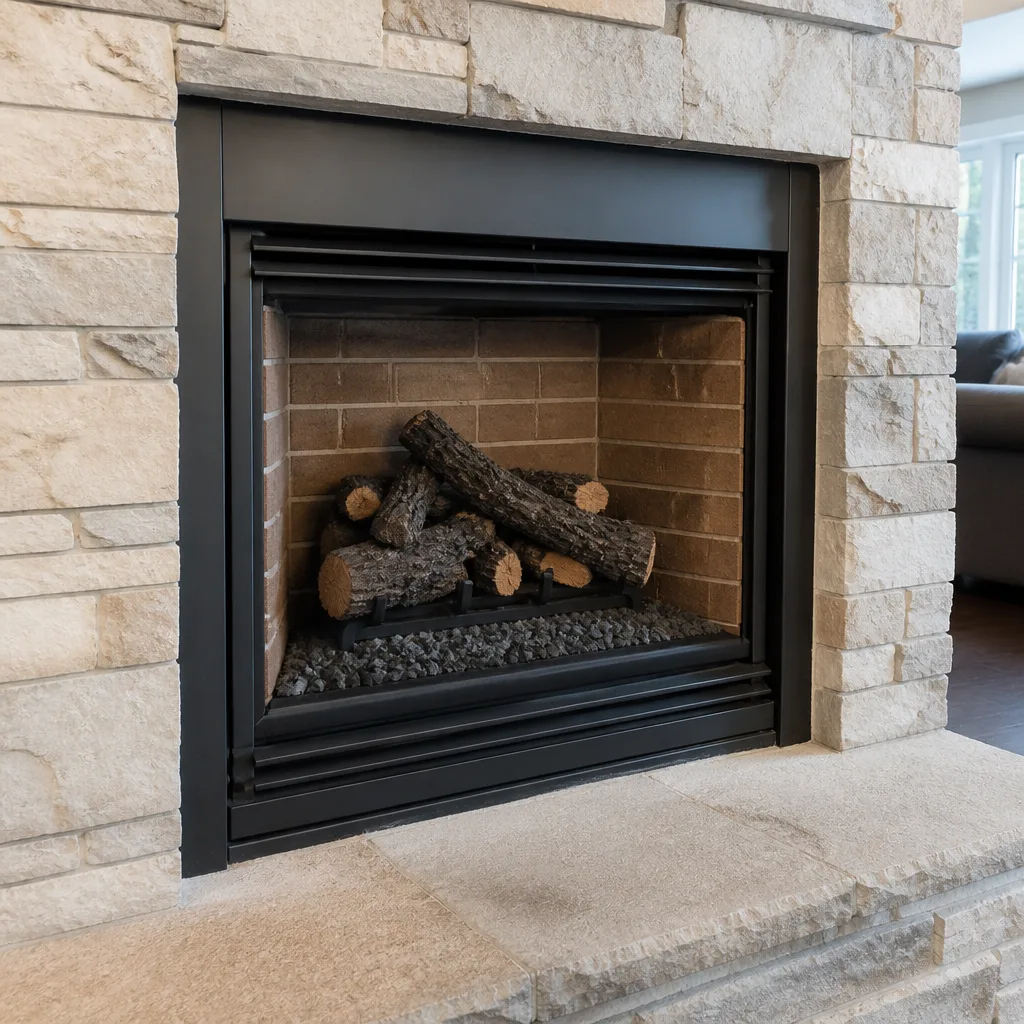 Gas fireplace service
Level 1 sweep and inspection to the NFPA 211 annual standard - flue, crown, cap, and flashing checked and photographed
Chimney sweep logs do not sweep chimneys. They loosen some creosote - which then falls where a brush and vacuum still have to collect it.
Seasonal Chimney Cleaning Care for North Las Vegas: Year-Round Homeowner’s Guide
Most chimney advice is written for places with long, cold winters, and it gets the calendar backwards for North Las Vegas. Here, the season that does the most damage to a masonry chimney is the one with no fires in it. Summer heat, blowing dust, and monsoon moisture work on brick, mortar, and sealant for months while the firebox sits empty, and by the time cool weather arrives the chimney has already taken its worst hits of the year. This guide lays out a year-round care model built around the desert rather than borrowed from a cold-climate playbook, walking through what each season demands in North Las Vegas, what to check before your first fire, and when the work is genuinely a job for a professional.
Styles & brands we work with
- Sweep & inspection
- Caps & crowns
- Flue relining
- Masonry repair
- Gas fireplace service
Quick Answer
In North Las Vegas, chimney care should follow the desert calendar, not the winter calendar: inspect and seal the crown, cap, and chase cover before summer, watch mortar joints closely through monsoon season, run a full pre-season checklist before the first fire, and clean the flue in spring to clear acidic ash before the long dormant stretch. Even a lightly used chimney in North Las Vegas should still be swept and inspected once a year, because heat, dust, and moisture age a chimney whether or not you burn much wood.
Table of Contents
- Why Chimney Care in North Las Vegas Works Differently
- Summer: Heat, UV, and the Parts That Fail Quietly
- Monsoon Season: Moisture, Mortar, and the Liner
- Fall Prep: The Checklist Before the First Fire
- Winter Use: Why Mild Winters Still Mean Annual Cleaning
- Spring: Cleaning Before the Dormant Stretch
- The Four-Season Calendar at a Glance
- Common Mistakes to Avoid
- When to Call a Professional
- Frequently Asked Questions
Why Chimney Care in North Las Vegas Works Differently
A cold-climate chimney spends its year being used and then resting. A North Las Vegas chimney spends much of its year being baked. That difference matters more than most homeowners expect, because the materials in a chimney fail in different ways under heat and dryness than they do under freeze and thaw. Mortar that stays dry and warm for months can still crack as it expands and contracts through the extreme swing between a 110°F afternoon and a cool desert night. Sealant around a cap shrinks. Crown coatings dry out and crack. None of that requires a fire in the firebox.
Then the moisture arrives. North Las Vegas sits in a valley where summer monsoon storms deliver sudden, heavy rain onto surfaces that have spent weeks drying out. Water finds every hairline crack in a crown or every failed bead of sealant, and once it gets behind the masonry it has nowhere to go but inward, toward the flue. That’s the mechanism that turns a small cosmetic crack into an interior liner problem.
The fireplace season here is short and mild compared to the Northeast or Midwest, which lulls people into skipping maintenance entirely. That’s a mistake. A chimney in North Las Vegas is a piece of masonry and metal hardware exposed to weather every day of the year, and the maintenance calendar should reflect the climate that’s actually acting on it.
- Summer is the season that quietly ages a chimney: heat, UV, and dryness attack the cap, crown, and chase cover.
- Monsoon season (July through September) is the season that tests whether those parts held up.
- Fall is for verification: checking draft, flue, and smoke chamber before you light the first fire.
- Winter is the burn season, and it still generates creosote even when it’s short.
- Spring is for clearing out ash and residue before the long dormant stretch.
Summer: Heat, UV, and the Parts That Fail Quietly
In North Las Vegas, the outdoor components of a chimney take their beating from June through August, when sustained heat and unfiltered sun do more damage than a fireplace ever will. The parts to watch are the ones nobody thinks about until they fail: the chimney cap, the crown, and any chase cover on a manufactured or prefab system.
Chimney caps sit on top of the flue and keep rain, birds, and debris out. Many caps use gaskets or seals where metal meets masonry, and those seals harden and shrink under UV and heat cycling. A gasket that fails in August is a gasket that lets water in all through the monsoon. If a cap is secured through Gelco or Famco components, those are purpose-built chimney parts designed to hold up to weather; a generic hardware-store cap is not built to the same standard and often seals poorly from day one.
The crown is the concrete or masonry cap that tops the chimney structure and sheds water away from the brick. Coatings and sealants on a crown dry out under intense summer sun. A cracked crown is the single most common source of water intrusion we see, because the crack runs toward the flue and guides water directly into the masonry.
A chase cover is the metal lid on a chase, common on manufactured fireplaces. It’s usually sealed at the edges, and those edges take UV damage. A chase cover that’s lost its seal in July will channel water into the chase through every storm.
What to do before the worst of summer:
- Look at the cap from the ground with binoculars. Check for a missing cap, loose fasteners, or a visible gap at the base where it meets the flue.
- Have the crown inspected for hairline cracks, flaking, or coating failure, and resealed if needed.
- Check that the chase cover is flat, secure, and sealed at the edges if the fireplace is a manufactured unit.
- Schedule the sealant and cap work before the heat peaks, so new sealant has time to cure before monsoon arrives.
Monsoon Season: Moisture, Mortar, and the Liner
Monsoon season is when the chimney finds out whether summer maintenance was done. Between July and September, North Las Vegas gets sudden heavy rain, sharp humidity spikes, and wind-driven water that hits a chimney at angles it never sees during a dry spell. The result is that unsealed mortar joints absorb water fast, and that water has two paths: back out through the masonry, or inward toward the flue.
The inward path is the problem. When water reaches the flue liner, it does one of two things depending on the material. On a clay-tile liner, repeated wetting and drying causes spalling and cracking as the tile expands and contracts. On a metal liner, trapped moisture at joints accelerates corrosion. Either way, an intact liner is what keeps combustion gases inside the flue and out of your living space; a cracked liner is a carbon monoxide concern, not a cosmetic one.
Flash flooding also matters here. When rain comes in fast, water can pool at the base of the chimney or on the roof and work its way into areas that stay wet for days. That’s when you’ll notice efflorescence, the white powdery staining on brick, or a musty smell near the fireplace. Both are signs water is getting in somewhere.
What to check during and after monsoon season:
- Mortar joints: Look for crumbling, recessed, or sandy joints on the exterior masonry. Gaps at the shoulder of the chimney, where it narrows, are a classic spot for water entry.
- Efflorescence: White staining on brick means moisture has moved through the masonry and is evaporating from the surface. It’s a signal, not just a look.
- Interior staining: Water marks on the ceiling near the chimney or on the firebox walls are a sign moisture reached the interior.
- Damper operation: A damper that sticks or rusts after monsoon season is a sign humidity has been working on the metal parts.
- Flue inspection: Have the flue checked for cracking or spalling after the monsoon passes, before the first fire.
If mortar is failing, that’s a chimney repair job rather than a cleaning job. Repointing with a proper mortar mix and resealing the chimney’s exterior surfaces are what protect the flue through the rest of the year.
Fall Prep: The Checklist Before the First Fire
Fall in North Las Vegas is the season to verify the chimney is ready, not the season to assume it. Fires get lit later here than they do in colder parts of the country, but the first fire of the year is still the moment every weakness the summer created gets tested at once. A thorough pre-season checklist covers the flue, the draft, the smoke chamber, and everything you can see from the ground.
The most important item is a draft test. A chimney drafts by pulling air up and out of the flue, and draft depends on the flue being clear, properly sized, and warm. A blocked flue from a bird nest or debris means smoke backs into the room rather than going up. A cold flue can be slow to establish draft on the first fire of the season, which is why the test is done before you commit to a real fire, not after smoke is in your living room.
The smoke chamber is the sloped area just above the damper, and it’s the part homeowners rarely see. It collects soot and creosote that can leave a rough surface, and a rough, heavily coated smoke chamber causes turbulence that makes a fireplace smoke. A proper inspection looks at the smoke chamber directly, not just down the flue opening.
Run this checklist before the first fire:
- Look up the flue from inside with a flashlight. You should see clear, unobstructed masonry or liner. Any nest, debris, or rough soot buildup needs to be cleared first.
- Test the damper. It should open fully and close fully without sticking. If it doesn’t, stop here and have it checked.
- Perform a draft test with a small piece of lit paper or a smoke test. Smoke should be pulled up and out, not drifting into the room.
- Check the smoke chamber for soot and creosote buildup, and have it cleaned if it’s heavily coated.
- Inspect the cap and spark arrestor for debris or damage from monsoon season.
- Walk the exterior and check the crown, mortar joints, and flashing for cracks or gaps.
- Confirm the firebox has no loose brick, cracked panels, or gaps at the base, and that the grate and hearth are in good shape.
- Clear the area in front of the fireplace of anything flammable, and confirm the hearth extension still meets the clearance the fireplace needs.
A chimney sweep in North Las Vegas in early fall gives you time to schedule any repair before the first fire and before the pre-season rush.
Winter Use: Why Mild Winters Still Mean Annual Cleaning
North Las Vegas winters are mild, but they’re cool enough that fireplaces get real use, and that use produces creosote. The mistake is assuming a short or light burn season means the chimney doesn’t need annual cleaning. Creosote builds in proportion to the fuel burned and the completeness of combustion, and it builds whether winter lasts five months or five weeks.
Creosote is the residue that forms when wood smoke cools as it travels up the flue. It starts as a soft, sooty deposit and can harden with repeated fires. The harder form is what burns if it ignites, and it’s why annual cleaning matters even in a mild climate. A single season of fireplace use in North Las Vegas deposits enough soot and creosote that skipping the spring sweep means it sits in the flue through the heat and humidity of the following summer, where the acid in the residue can begin reacting with the masonry and with metal liner surfaces.
Winter itself requires some attention too. A fire that’s smoldering rather than burning hot sends more creosote up the flue. Cold-start fires, where the flue is cold and draft is slow, do the same. Texas-style mild winters still produce smoky, slow fires when wood is green or damp, so burning dry, seasoned wood is one of the few year-round habits that meaningfully reduces creosote production.
What to watch during the burn season:
- Smoke entering the room during or after lighting a fire: draft problem, not a normal annoyance.
- A strong, sharp smell near the fireplace: creosote or moisture in the flue.
- A fire that won’t draw or keeps dying: likely a flue restriction or a cold-flue draft issue.
- Staining on the chimney’s exterior or smoke on the firebox: sign the flue isn’t pulling efficiently.
- Soot dropping into the firebox: normal in small quantities; heavier debris needs a cleaning.
Spring: Cleaning Before the Dormant Stretch
Spring is the most important sweep of the year in North Las Vegas, and it’s a season most homeowners skip entirely. The reasoning is simple: whatever burns in the flue during winter leaves creosote and ash that stays there until the next fire. If the chimney isn’t cleaned in spring, that residue sits through the hottest, driest months and the most humid weeks, aging the flue.
The chemistry is where this matters. Ash and creosote are acidic, and when they sit against masonry mortar or metal liner joints through a humid summer, they can accelerate corrosion. On a masonry chimney, that means the mortar between clay tiles softens and spalls. On a metal liner, the joint areas are the first to show damage. Cleaning in spring removes the residue while it’s fresh, before the summer has time to act on it.
Spring is also the season to catch structural problems before they get expensive. Hairline crown cracks and loose flashing are cheap to seal in spring, and they’re the same cracks that grow into real water intrusion by the end of monsoon season if they’re left alone. Spring repair work has time to cure before the weather turns.
A spring chimney sweep in North Las Vegas includes the flue cleaning itself, a look at the firebox and damper, and the start of the exterior inspection. If the sweep finds a problem, you have the whole dry season to schedule the repair, which is a lot more comfortable than discovering it the week you want to light a fire.
Pair the sweep with these spring tasks:
- Clear the firebox and ash pit completely.
- Look at the crown and flashing with the season’s growth cleared away from the roof line.
- Confirm the cap and chase cover are intact after winter weather.
- Note any interior staining that wasn’t there in fall.
- Ask for the sweep report to include what was found and what can wait.
The Four-Season Calendar at a Glance
Put the whole model on one page and it’s easier to keep track of. The seasonal calendar below is built specifically for North Las Vegas and the way the local climate actually treats a chimney, not the cold-climate schedule most chimney advice assumes.
- Spring (March through May): Chimney sweep and full inspection. Clear ash and creosote before the dormant stretch. Seal any winter cracks. Verify cap and chase cover condition.
- Summer (June through August): Heat and UV season. Inspect the cap, gaskets, crown, and chase cover sealant. Repair or reseal anything that shows cracking or shrinkage before monsoon arrives. Check masonry for efflorescence and open mortar joints.
- Monsoon (July through September): Moisture test season. Inspect mortar joints and interior surfaces after storms. Follow up on any efflorescence, ceiling staining, or rust with a repair call.
- Fall (September through November): Pre-season checklist. Draft test, damper test, flue clear check, smoke chamber inspection. Schedule any repair before the first fire.
- Winter (December through February): Burn season. Use dry, seasoned wood. Watch for smoke problems and odd smells. Note anything that needs attention for the spring sweep.
If you only remember one date, remember early spring: that’s when the sweep does the most good and the calendar has room for any repair that follows. Our technicians have up to 15 years of experience, and the work we do uses professional-grade materials, not hardware-store substitutes. For liner work we use DuraFlex flexible liner systems and HeatShield ceramic resurfacing depending on the condition of the flue. Caps and venting hardware come from Famco and Gelco, and other components come through Olympia Chimney.
Common Mistakes to Avoid
We’ve seen the same handful of mistakes come up over and over on chimneys around North Las Vegas, and most of them come down to applying cold-climate assumptions to a desert house.
- Scheduling the only sweep for the fall. Fall is when everyone calls, which means scheduling pressure and slower turnaround for any repair that turns up. A spring sweep catches problems with the whole dry season ahead to fix them.
- Treating summer as “off season” for chimney care. Summer is when the cap gasket, crown sealant, and chase cover edge are under the most stress. Skipping summer means finding out in the middle of monsoon.
- Assuming a mild winter means annual cleaning isn’t needed. Creosote builds in proportion to fuel burned, and even a few weeks of fireplace use in a mild North Las Vegas winter deposits enough soot to warrant a spring sweep.
- Sealing over a failed crown without checking the masonry below. A cosmetic bead of sealant on top of a crown that has water trapped behind it just hides the problem. The crack has to be addressed and the masonry checked for moisture.
- Buying a hardware-store cap to replace a failed one. Generic caps aren’t built to chimney standards and often seal poorly or fail quickly under UV and heat. A chimney cap is a chimney component, and it should come from a chimney-supply brand.
- Cleaning only the flue and ignoring the smoke chamber. The smoke chamber is where soot and creosote collect and where a rough surface causes smoking, and it doesn’t get cleaned by a quick flue brush.
- Burning wet or unseasoned wood through winter. Wet wood burns cool and slow, sends more creosote up the flue, and makes the spring cleaning harder than it needs to be.
When to Call a Professional
Some chimney work is fine to check yourself from the ground. Some of it isn’t, and the list isn’t long. Anything that involves getting on the roof at height, opening up a masonry repair, or looking into the flue past the damper should be handled by a trained professional, both because of the fall risk and because the diagnosis is where the judgment matters.
Call us when you see any of the following:
- Cracks, spalling, or loose mortar in the crown or chimney exterior
- Efflorescence or interior staining that suggests moisture is getting in
- A damper that sticks, rusts, or won’t close fully
- Smoke entering the room during or after a fire
- A strong smell near the fireplace, especially in summer
- Any debris visible in the flue looking up from inside
- A cap that’s damaged, missing, or loose
Lancaster Chimney Cleaning offers free estimates in North Las Vegas. Call (855) 769-1102. We answer 24/7, and we dispatch Sunday through Friday, 7am to 7pm. We’ll inspect the full chimney with a camera inspection and photo report, so you can see exactly what’s in the flue before any work is recommended.
Frequently Asked Questions
Once a year is the standard, and in North Las Vegas that sweep should land in spring so residue is cleared before the dormant season. Even if you burn lightly, annual cleaning and inspection catch crown and mortar problems that heat, dust, and monsoon moisture create whether or not the fireplace was used. Call (855) 769-1102 to book a sweep and we’ll confirm the right timing for your chimney.
No. A short burn season still produces creosote, and the residue left in the flue sits through summer heat and monsoon humidity, where the acid in it can start reacting with the masonry and metal surfaces. The spring sweep is the one appointment that prevents that buildup from becoming damage. Call (855) 769-1102 for a spring cleaning estimate.
Sudden heavy rain and humidity spikes drive water into unsealed mortar joints, and on a masonry chimney, that water works inward toward the flue. Over time, wetting and drying cycles crack clay tiles and corrode metal liner joints, which is why checking mortar and interior surfaces after monsoon season matters. Call (855) 769-1102 if you see efflorescence or interior staining.
It depends on what the inspection finds. A flue with a structurally sound clay tile that has surface cracking can often be restored with HeatShield ceramic resurfacing rather than a full reline, which saves cost and disruption. A deteriorated or badly damaged flue may need a DuraFlex flexible liner system. Nothing is recommended without camera evidence you can see on the report. Call (855) 769-1102 for an inspection estimate.
The draft. A clear flue, a working damper, and proper draft are what keep smoke going up and out of your living space, and a draft test catches a restricted flue before you have smoke in the room. After that, check the smoke chamber and cap. Call (855) 769-1102 to schedule a pre-season inspection.
Yes, and summer is actually the right time to do it, so the repair has time to cure before monsoon rain arrives. A cracked crown is the leading source of water intrusion into masonry, and it should be treated as a repair rather than a reseal if the underlying masonry is wet or crumbling. Call (855) 769-1102 for a free crown evaluation.
The Bottom Line
The chimney-care schedule that works in a cold climate doesn’t fit North Las Vegas, because here the firebox is quiet for most of the year while heat, dust, and monsoon moisture keep working on the masonry, cap, and crown. The workable model runs on the local calendar: sweep and inspect in spring to clear acidic residue before the dormant stretch, protect the cap, crown, and chase cover before summer, watch mortar joints and interior surfaces through monsoon season, and run the full pre-season checklist before the first fire. Burning dry wood in winter helps, and annual cleaning isn’t optional just because the winter is mild.
The corollary is that most of the chimney problems we see in North Las Vegas started as small, cheap fixes that weren’t caught in time. A spring sweep with a camera inspection catches those problems while they can still wait, and tells you honestly when work can be scheduled later. For homeowners who take fire safety seriously, the goal isn’t to spend the most on maintenance. It’s to know what’s actually going on inside the chimney before winter asks the chimney to do its one job safely.
Sweep, repair, and inspect, handled as a single source. If you’re ready to put your chimney on a North Las Vegas seasonal schedule, call (855) 769-1102 for a free estimate. We answer 24/7, and we dispatch Sunday through Friday, 7am to 7pm. Estimates are free, the price is set per job by the written estimate, and nothing is recommended without camera evidence you can see for yourself. Whether it’s a routine chimney sweep, a needed chimney repair, or just a first inspection for a home in North Las Vegas, Lancaster Chimney Cleaning is set up to handle it.
Written by the team at Lancaster Chimney Cleaning.
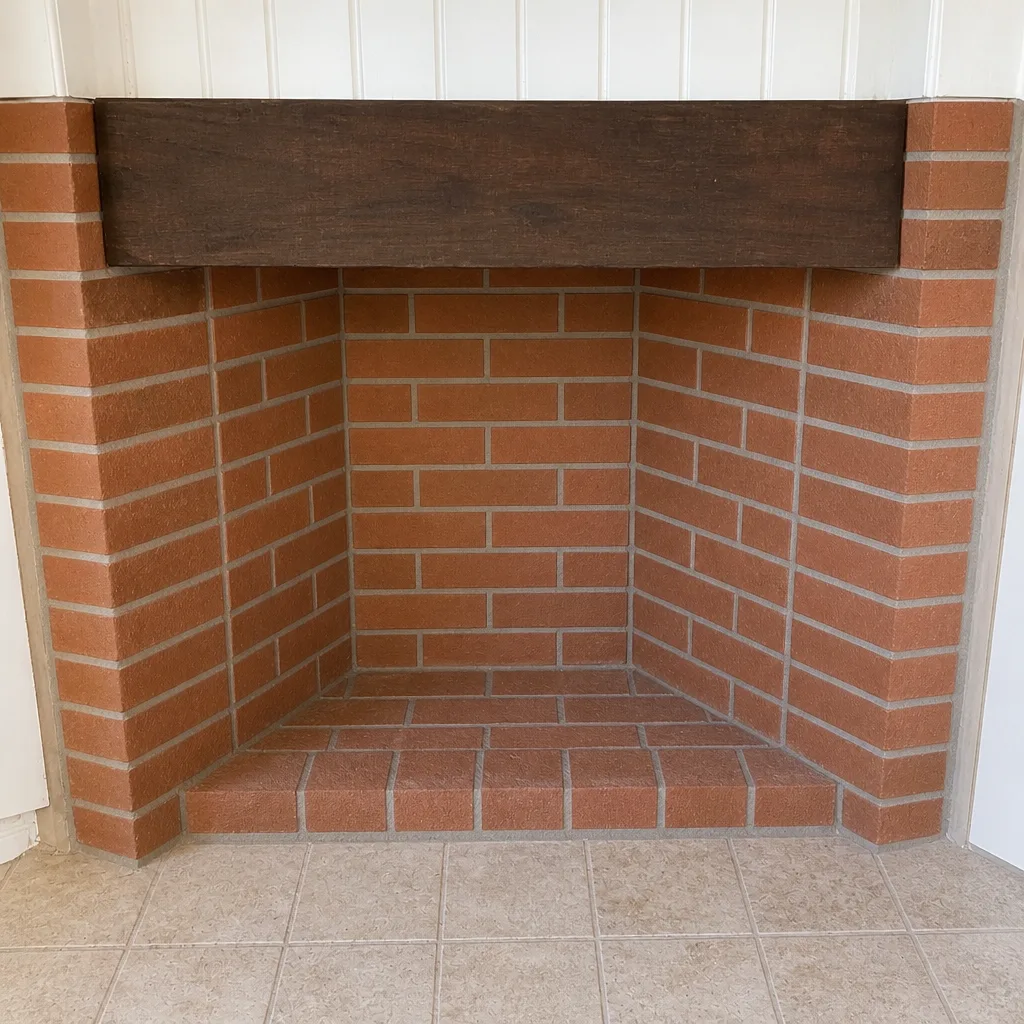
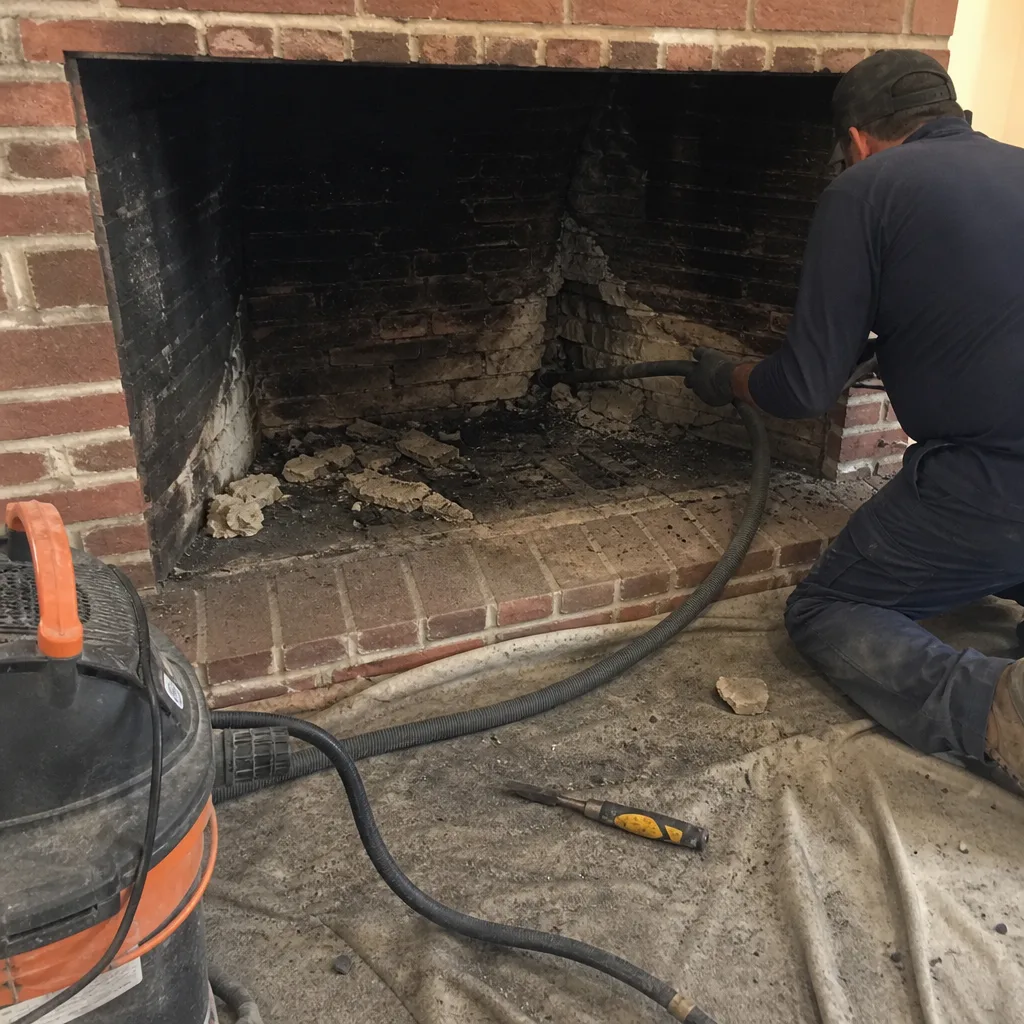
See the difference
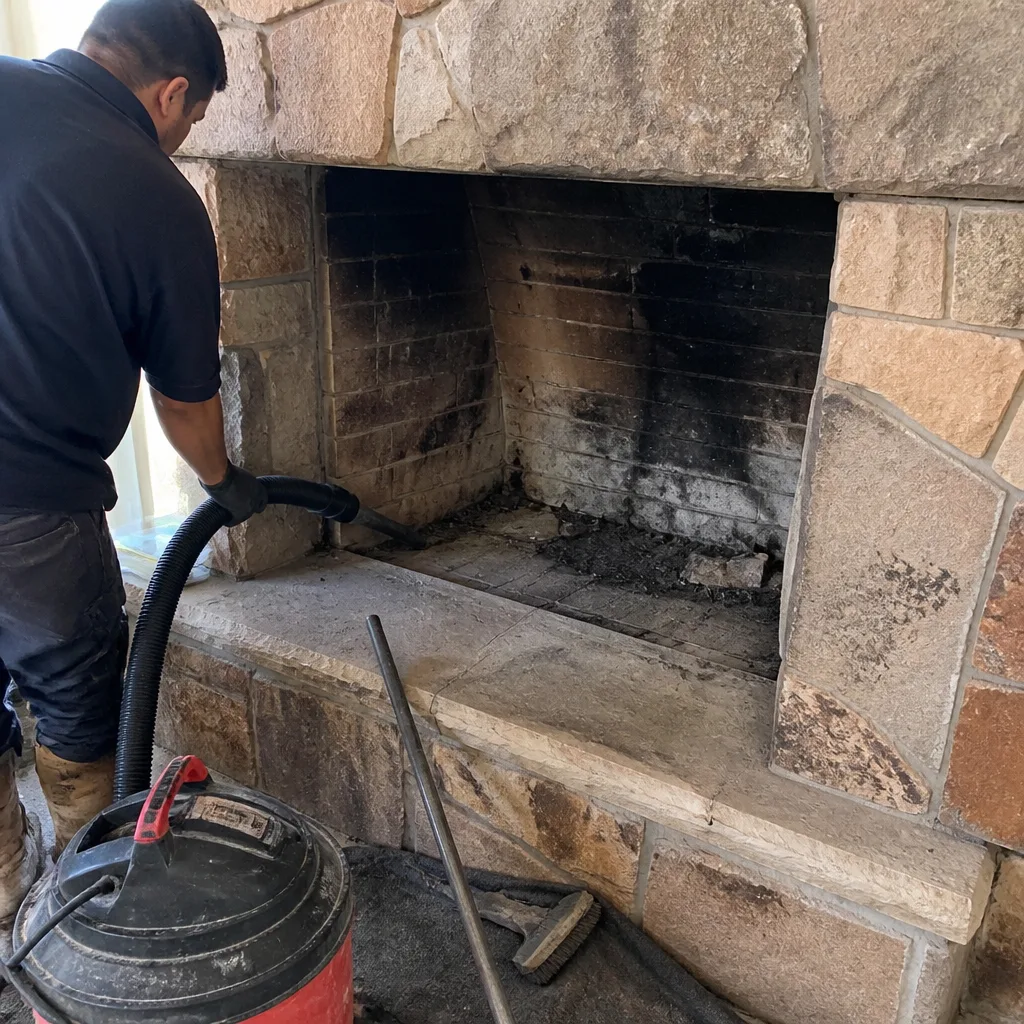 Before
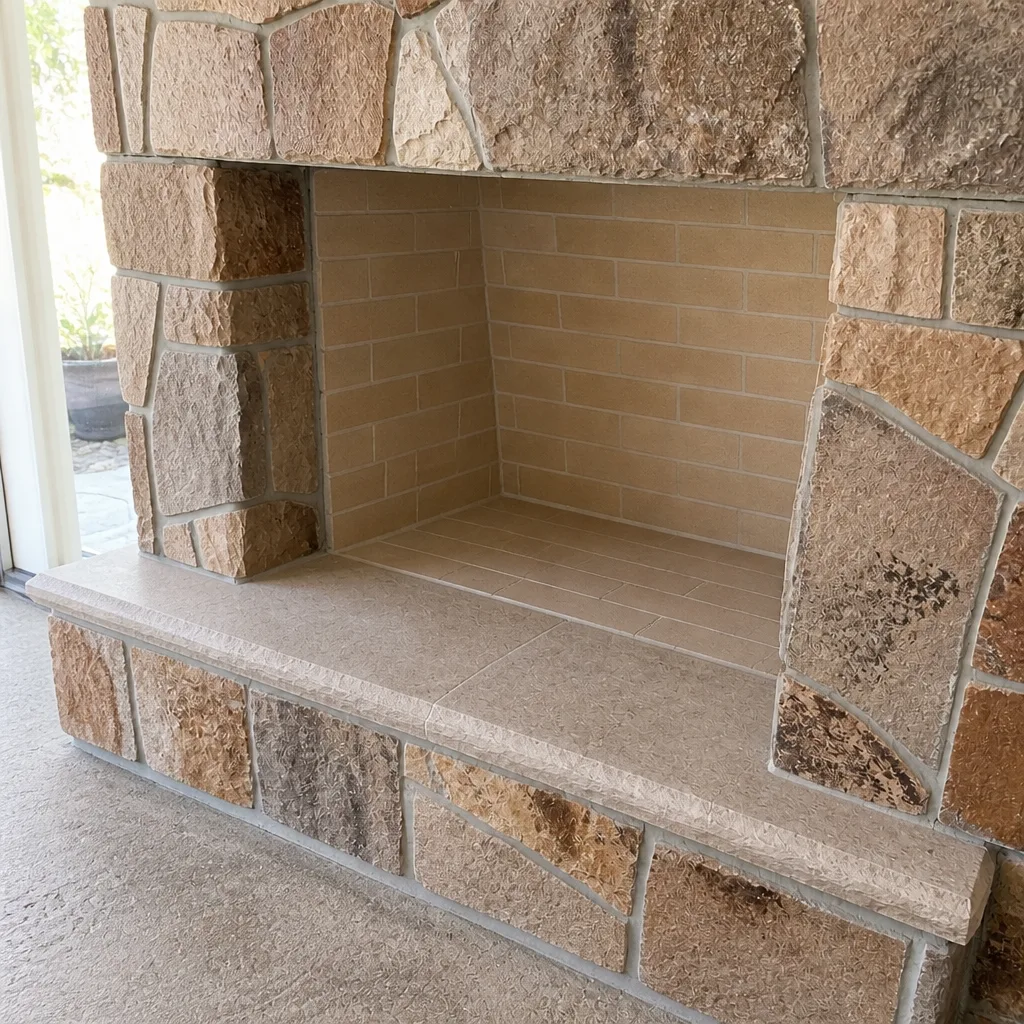 After
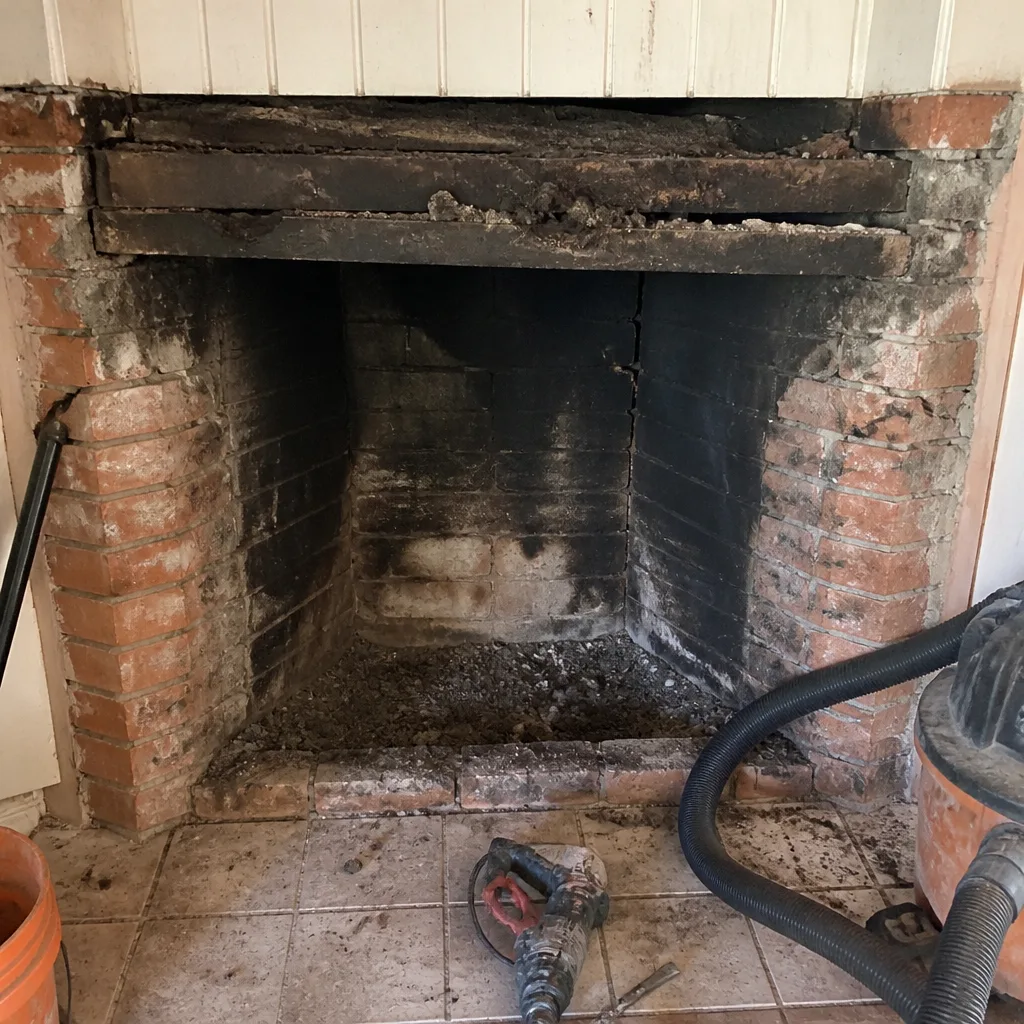 Before
 After
 Before
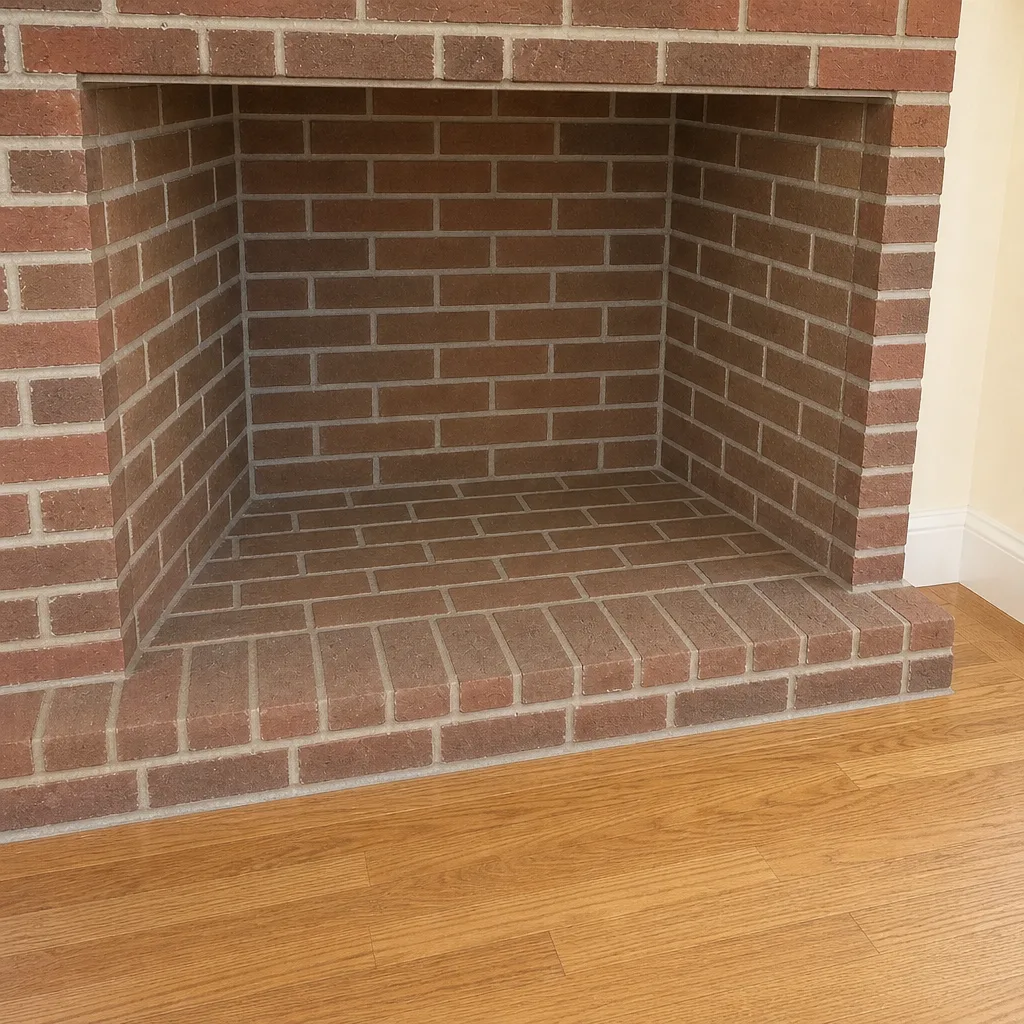 After