
Last updated November 16, 2026
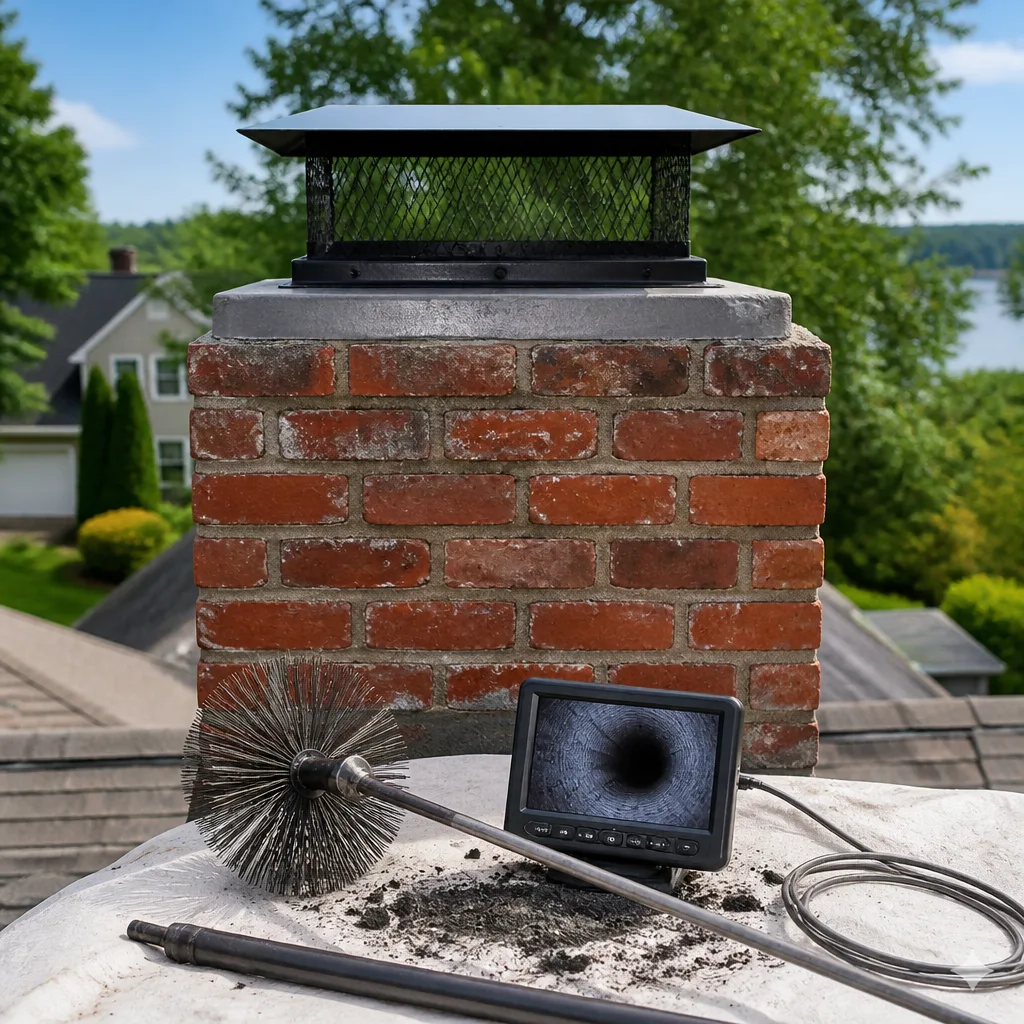 Sweep & inspection
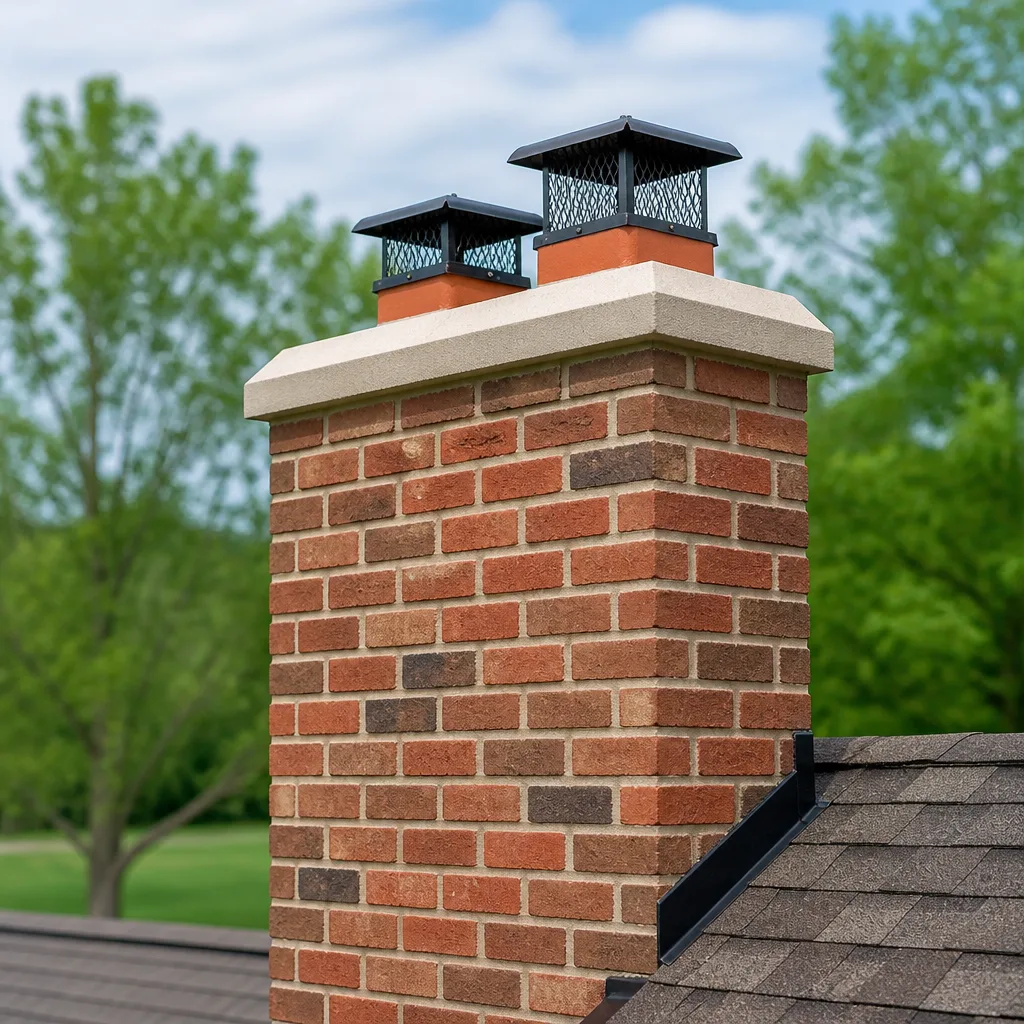 Caps & crowns
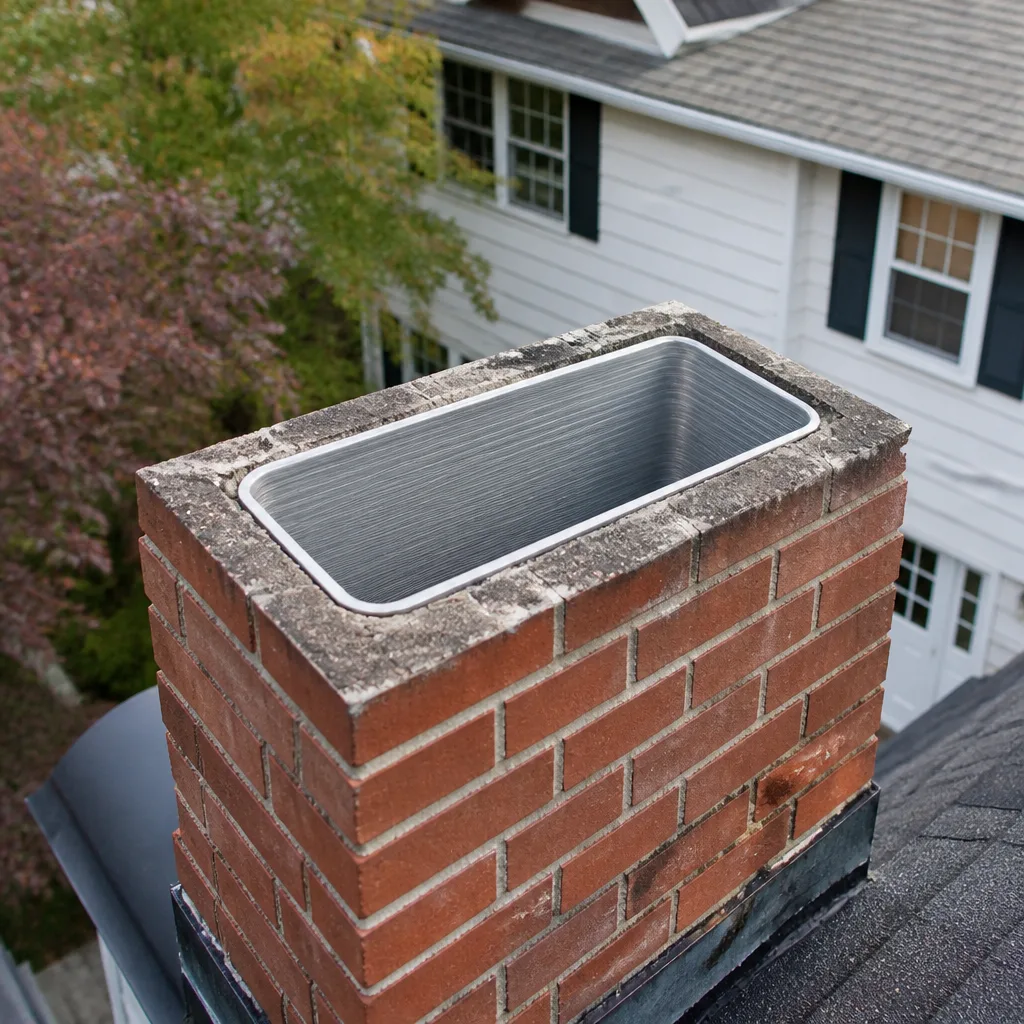 Flue relining
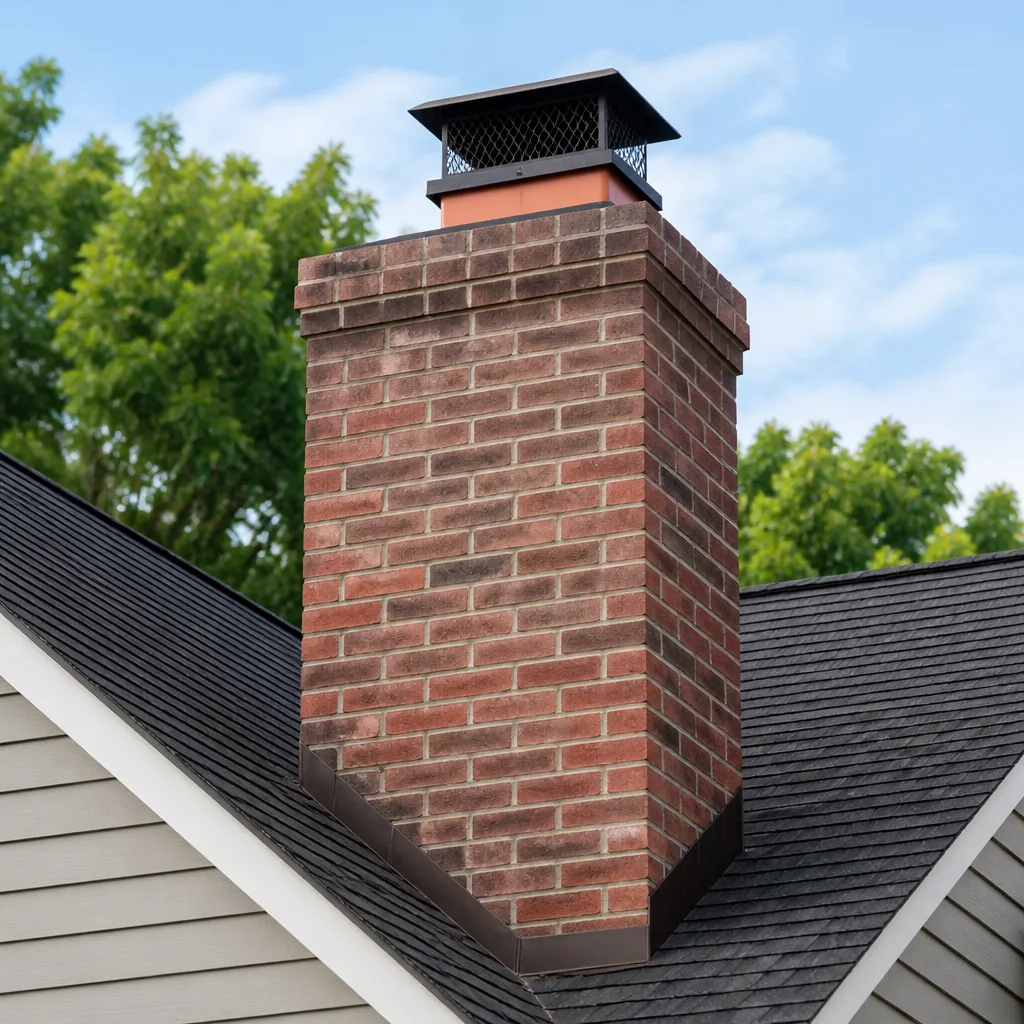 Masonry repair
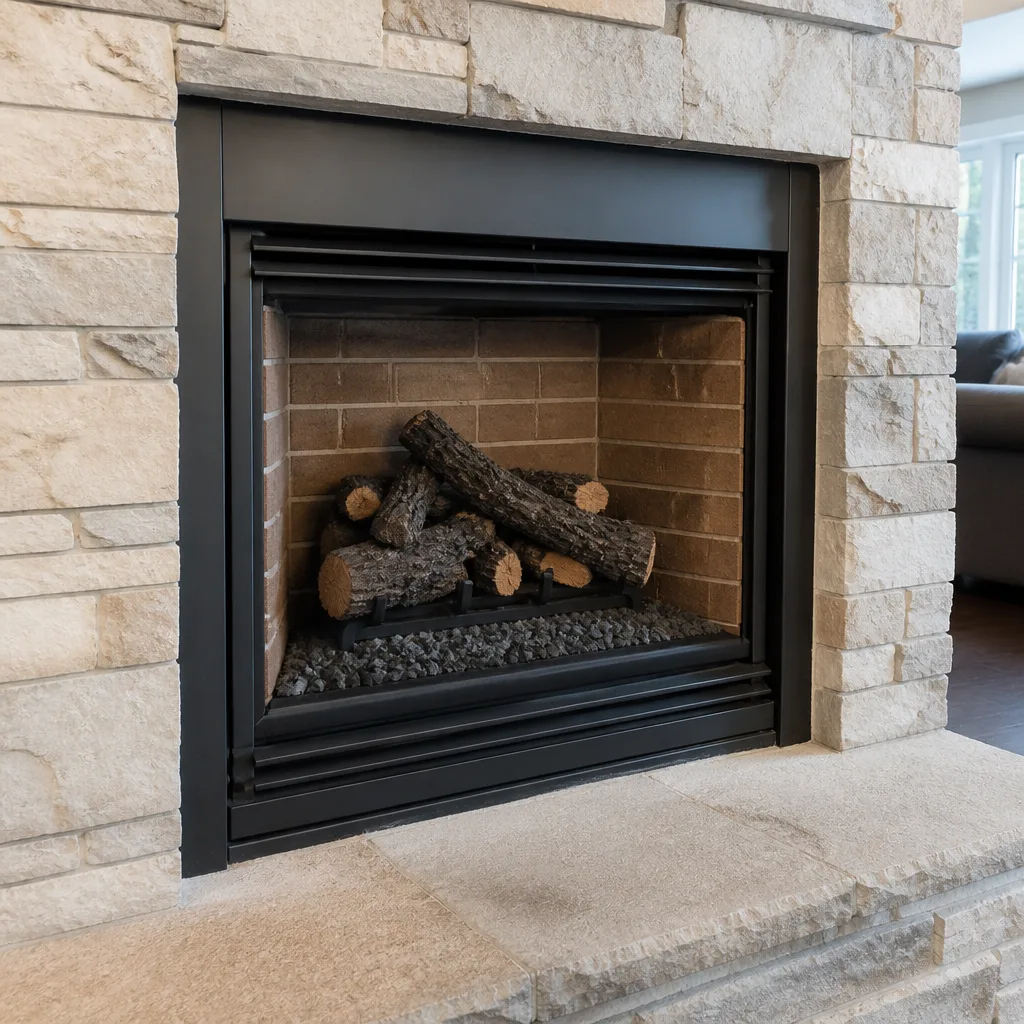 Gas fireplace service
Level 1 sweep and inspection to the NFPA 211 annual standard - flue, crown, cap, and flashing checked and photographed
Chimney sweep logs do not sweep chimneys. They loosen some creosote - which then falls where a brush and vacuum still have to collect it.
Chimney Cleaning Permits, Codes & Inspections in North Las Vegas, NV: What You Need to Know
If your chimney contractor can’t tell you whether your liner replacement needs a permit in Clark County, that’s a signal about how they operate, not just a paperwork question. Most routine chimney cleaning in North Las Vegas needs no permit at all, which is exactly why so many homeowners assume the whole trade runs the same way. It doesn’t. The moment a job moves from sweeping into repair, relining or structural work, the regulatory picture changes, and unpermitted work has a way of surfacing at the worst possible time: a home sale, an insurance claim, a refinance. This guide walks you through where the line sits, what Nevada’s adopted codes actually require, what a proper inspection documents, and how to check a contractor’s work without becoming a building code expert yourself.
Quick Answer
Routine chimney sweeping in North Las Vegas does not require a permit. Repair work that changes a flue’s structure or lining, such as installing a new liner, resurfacing a damaged flue, or rebuilding a chimney above the roofline, typically does trigger a Clark County building permit and an inspection. A CSIA Level 2 inspection is the report most insurers and real estate transactions ask for, and it documents the flue’s condition before and after any permitted work.
Styles & brands we work with
- Sweep & inspection
- Caps & crowns
- Flue relining
- Masonry repair
- Gas fireplace service
Table of Contents
- Which chimney services need no permit in North Las Vegas?
- Which chimney repairs trigger a Clark County building permit?
- How Nevada adopted the IRC chimney provisions, and what changes locally
- What a CSIA Level 2 inspection provides
- The liability you carry when unpermitted chimney work is discovered
- How to verify a contractor’s work is code-compliant
- Why North Las Vegas climate and housing stock matter here
- Common mistakes to avoid
- When to call a professional
- Frequently asked questions
- The bottom line
Which chimney services need no permit in North Las Vegas?
Cleaning and inspection are maintenance, not construction, and neither one triggers a permit in North Las Vegas. A sweep removes creosote, soot and blockages from a flue that is already built. An inspection evaluates condition. Neither changes the structure of the chimney, so there’s nothing for a building department to review. If a contractor tells you a routine chimney sweep requires a permit, that’s worth a second opinion.
The services that fall on the maintenance side of the line typically include:
- Standard sweeping of a wood-burning fireplace or insert
- Removal of creosote, soot and animal nests from the flue
- Visual and camera-based inspection of the firebox, damper, flue and cap
- Replacing a chimney cap with a correctly sized, rated component
- Cleaning a gas insert’s venting and checking the termination
Cap replacement is a good example of where we get questions. A properly built cap from a chimney supplier like Gelco or Olympia Chimney is a component swap, not a structural change, and it’s usually handled as routine maintenance. But if the cap crown itself is cracked and needs masonry repair, that’s a different category and the conversation about permits starts.
Homeowners in North Las Vegas often ask whether the age of their home matters. It doesn’t change the permit rule, but it does affect the odds of what we find. The older masonry chimneys in established parts of North Las Vegas more often need structural work behind a routine sweep request, which is why we recommend a camera inspection with the first sweep on any home you haven’t had documented before.
One more point that catches people: sweeping a chimney attached to a gas insert is still maintenance. But if the insert itself is being replaced, or the venting line is being reconfigured, that’s appliance and venting work with its own rules. The dividing line is whether the flue’s structure changes, not whether fire is involved.
Which chimney repairs trigger a Clark County building permit?
Any chimney work that alters the structure, lining or load path of the chimney typically requires a permit through Clark County’s building department. Relining a flue, resurfacing deteriorated masonry inside the flue, rebuilding a chimney chase, or changing a flue’s dimensions all fall into that category. The permit exists so the work gets inspected before it’s covered up, which matters because a flue’s interior is invisible once the job is done.
In our experience, these are the repair categories that most often need a permit:
- Full liner replacement: installing a new flexible liner system such as DuraFlex to reline a deteriorated or undersized flue
- Liner resurfacing: applying a HeatShield ceramic resurfacing system to restore a structurally sound but cracked flue
- Chimney rebuilds: reconstructing masonry above the roofline, including crown and chase repairs
- Flue size changes: anything that alters the interior dimensions of the flue or the venting path
- Firebox reconstruction: rebuilding damaged firebox masonry that carries the fire
Relining is the big one. A flue liner is code-required for a reason: it keeps combustion gases inside the flue and away from the combustible framing of the house. When a liner fails, the fix isn’t cosmetic. Replacing it with a properly rated flexible liner or restoring it with a ceramic resurfacing system is construction work, and it’s exactly the kind of job a building inspector wants eyes on.
The practical question for a homeowner is simpler than it sounds: does the job change the flue, or does it clean it? If the flue itself is being altered, assume a permit is part of the process and ask your contractor to confirm in writing. If they can’t answer that question clearly, that tells you something about how the rest of the job will go.
Our approach is to run any repair that changes the flue structure through the permitting path, even when it adds a step. Remodeling or chimney repair work that skips the permit can look fine on the surface and be a problem years later. If you’re unsure which category your job falls into, that’s a conversation worth having before anyone starts work.
How Nevada adopted the IRC chimney provisions, and what changes locally
Nevada adopts the International Residential Code as the basis for residential construction, including the chimney and venting chapters, with state and local amendments layered on top. The IRC is the national model code that covers flue lining requirements, clearances to combustible materials, chimney height above the roofline, and venting for gas appliances. When we open a flue and find problems, they’re almost always measured against those provisions.
What the IRC chimney chapters generally cover:
- Liner requirements: flues must be lined with an approved material matched to the appliance and fuel type
- Clearances: required separation between the chimney and combustible framing, which is a common failure point in older homes
- Height rules: chimney terminations must extend a specified distance above the roof and nearby roof surfaces for proper draft
- Venting: gas appliances and inserts must vent through listed systems rated for the appliance
- Access and inspection: cleanouts and inspection access points must remain reachable
Local amendments are where things get specific. Nevada and Clark County can adjust provisions to reflect the region’s conditions: seismic requirements, desert temperature swings, and the realities of construction in a valley that regularly sees triple-digit summer heat and cold winter nights. Those temperature swings are hard on masonry, which expands and contracts with the day-night cycle and can open hairline cracks in a flue over time. That’s one reason we see more cracked flue tiles in North Las Vegas than you’d find in a mild climate.
Here’s the point that matters for a homeowner: you don’t need to memorize the code to be protected. You need a contractor who works to it and can explain, in plain terms, which provisions apply to your chimney and why. When we’re on a job, we can tell you whether your flue meets the liner requirement, whether clearances look right, and whether the cap is doing its job. That’s the practical version of code compliance.
One caution: the specific section numbers and local amendments that apply to your property depend on when your home was built and what’s been done to it since. We don’t guess at that. If a repair needs to be permitted, the building department tells us what’s required, and we follow their process.
What a CSIA Level 2 inspection provides
A CSIA Level 2 inspection is a documented, camera-based evaluation of the entire chimney system, and it’s the report most insurance companies and real estate transactions ask for. It goes beyond a basic visual check by running a camera through the full length of the flue, inspecting the firebox, damper, smoke chamber, liner and cap, and producing written findings. That documentation is the difference between “the chimney looks okay” and a record of what was actually found.
Level 2 is the standard most commonly requested when:
- A home is being sold or purchased
- An insurance policy is being written, renewed, or a claim is filed
- A change has been made to the appliance or venting, such as adding an insert or switching fuel type
- A chimney fire is suspected or has occurred
- There’s a structural concern, like visible cracking or a water problem
What a Level 2 typically includes:
- Camera inspection of the full flue interior, top to bottom
- Firebox, damper and smoke chamber evaluation
- Exterior chimney and cap assessment
- Clearance check to nearby combustible materials
- Written report with photo documentation of findings
That written record is the piece homeowners underestimate. If your insurer asks for documentation of a chimney’s condition and you can’t produce it, the conversation gets harder than it needed to be. If you can produce a Level 2 report with photos, the conversation is usually short. When we run a Level 2, you get the photo documentation in hand, and if the job requires a permit, the same report becomes part of the paper trail.
A Level 3 is different and rarely needed: it applies when hidden areas need to be opened up for inspection, which is a bigger job. If a Level 2 turns up evidence of a problem behind the masonry, we’ll tell you what a Level 3 would involve before anyone starts taking things apart.
The liability you carry when unpermitted chimney work is discovered
Unpermitted chimney work can become your problem at the three moments you can least afford it: a home sale, an insurance claim, and a refinance appraisal. The work might have been done by the previous owner. That doesn’t change who has to deal with it.
During a home sale, a buyer’s inspector will run a camera down the flue and look for records. Unpermitted liner work shows up in a few ways: no permit history on file with the building department, a liner that doesn’t match what was described, or work that doesn’t meet the clearance and liner rules in the code. Any of those can stall a closing or push a buyer to ask for a credit.
Insurance is where it gets serious. If a chimney fire or carbon monoxide incident traces back to work that was never permitted or inspected, the insurer’s first question is whether the work was done to code. Unpermitted work can complicate a claim and, in some cases, give an insurer grounds to dispute coverage. That’s a risk you carry without realizing it because the work looked fine when it was finished.
Unpermitted work also leaves any warranty in a gray zone. If a liner was installed improperly and fails, the installer’s warranty may not apply, and you’re stuck paying for the fix plus the headache of correcting the record. Liner work using DuraFlex or HeatShield systems is reliable when it’s installed correctly and to code. It’s not reliable when it’s installed off a truck by someone who never ran it past an inspector.
The fix is straightforward: get the work permitted and inspected when it happens, and keep the paperwork. When you’re buying a home in North Las Vegas, request the permit history for any chimney work done on the property. It’s a simple check and it tells you a lot.
How to verify a contractor’s work is code-compliant
You don’t have to become a building code expert to check a chimney contractor. You have to ask the right questions and ask for documentation. A competent contractor will answer them without hesitation, and the answers give you what you need to make a call.
Ask these questions before you book:
- Does this work require a permit? If the answer is a flat “never” for any repair involving the flue structure, that’s a problem. The correct answer is specific to the job.
- Will you pull the permit and arrange the inspection? A contractor who does permitted work as a matter of course will answer yes without hesitation.
- Which materials will you use, and where do they come from? Professional-grade components from recognized chimney suppliers, such as HeatShield or DuraFlex for liner work, are the answer you want, not a hardware-store substitute.
- Can I see the inspection report and photos after the job? A contractor who documents work is a contractor who stands behind it.
- How will you verify the flue is code-compliant when you’re done? The answer should include the specific tests: draft, clearances, and a post-work camera inspection.
- Who is doing the actual work? Ask whether the person on your roof is the person who’ll be there next year. It matters for warranty and for the record.
Our technicians have up to experience, and the questions above are ones we expect. They aren’t gotcha questions. They’re the ones worth asking, and we’d rather answer them before the work starts than after a buyer’s inspector finds something unexpected.
One straightforward check you can do on your own: call the North Las Vegas or Clark County building department and ask whether a permit was ever pulled for your address. Permit history is public record. If a contractor tells you they pulled a permit and the record doesn’t show one, you have your answer. Lancaster Chimney Cleaning is a single source for sweep, repair and inspection, which means the same operation that documents your chimney can also explain what the record shows.
Why North Las Vegas climate and housing stock matter here
North Las Vegas homes put chimneys through a specific cycle: months of intense heat, then a cold season where the fireplace gets real use. Masonry expands in summer heat and contracts on cool winter nights, and those daily swings are what open hairline cracks in flue tiles over time. A cracked flue tile lets combustion gases and creosote reach places they shouldn’t, which is why camera inspection matters more here than in a mild climate.
The housing stock adds a second wrinkle. North Las Vegas has a mix of older masonry chimneys and newer construction, and the older chimneys tend to have more accumulated wear behind the surface. Many have been through at least one appliance change: a wood-burning fireplace converted to a gas insert, or a gas insert added to a flue that was never designed for it. Each change touches the venting requirements, and each one is worth documenting.
Wind and dust are the other local factor. The valley gets blowing dust through the year, and caps do the work of keeping debris, birds and weather out of the flue. A cap that’s loose or the wrong size means the flue is collecting things it shouldn’t, which is one reason we check the cap on every sweep. Caps from a chimney supplier like Gelco are purpose-built for the job; a hardware-store substitute tends to fail at the first real wind event.
When we look at a chimney in North Las Vegas, we’re looking for the wear patterns the local climate produces: tile cracks from temperature cycling, water damage at the crown, and clearances that may have been fine when the house was built but don’t meet current code after a remodel. That’s not scaremongering, it’s what the inspection is for. If something can wait, we’ll tell you that too.
Common Mistakes to Avoid
- Assuming no permit means no rules. Sweeping needs no permit, so homeowners assume repair doesn’t either. Liner work and structural repair usually do, and skipping it affects your insurance and resale.
- Skipping the camera inspection on an older chimney. A surface look at the firebox can miss a cracked flue tile entirely. In a climate with this much temperature cycling, the interior is where problems show up first.
- Hiring the low bid without asking about materials. Liner systems from HeatShield and DuraFlex cost more than generic substitutes for a reason. Ask what brand and system will be installed, and check that the answer matches the job.
- Letting a repair go unpermitted and undocumented. Work done without a permit leaves no record with the building department. When a buyer’s inspector asks, the lack of a record becomes your problem, not the previous contractor’s.
- Converting to a gas insert without checking the venting. A gas insert added to a flue that wasn’t designed for it is a venting problem. It’s worth a documented inspection before the insert goes in.
- Treating the cap as cosmetic. A crumbling cap crown lets water into the masonry, and water plus freeze-thaw is how a chimney cracks open. A proper cap from a chimney supplier is cheap insurance against a bigger repair.
- Ignoring the report until the sale. A Level 2 report is most useful when you get it, not when you pull it out three years later at closing. Keep the documentation once you have it.
When to Call a Professional
Call a professional if your flue has never been camera-inspected, if your fireplace is smoking or drafting poorly, or if you’re buying or selling a home in North Las Vegas and need a Level 2 report. Call if you’ve had a chimney fire, even one you think you put out, or if you notice cracked masonry, a damaged crown, or water stains near the firebox. Call before you let anyone install a liner without a permit and an inspection. And call if you’ve been told you need thousands of dollars of liner or masonry work and you want a second opinion with camera evidence you can see for yourself.
Lancaster Chimney Cleaning offers free estimates in North Las Vegas. Call (855) 769-1102. We answer 24/7. Fast dispatch from 7am to 7pm, Sunday through Friday.
Frequently Asked Questions
No. Routine chimney sweeping and inspection do not require a permit in North Las Vegas because neither changes the structure of the chimney. The permit question only comes up when repair work alters the flue, its lining, or the chimney’s structure. If a contractor tells you a sweep needs a permit, ask them to explain what structural change they’re proposing.
In most cases, yes. Relining a flue with a new flexible liner system or restoring it with a ceramic resurfacing product changes the flue structure, which typically triggers a Clark County building permit and inspection. The specifics depend on your job and your property, so the right move is to ask the building department to confirm before work begins. Call (855) 769-1102 for an exact quote on your liner work, and we’ll tell you what the permit path looks like.
A CSIA Level 2 inspection is a camera-based evaluation of the full chimney system with written photo documentation, and it’s the report most insurers and real estate transactions require. You need one if you’re buying or selling a home, if your insurer has asked for documentation, if the appliance or venting has changed, or if a chimney fire is suspected. It’s also a sensible first step on any older chimney that’s never been documented.
You inherit the problem when it surfaces during a sale, an insurance claim, or a refinance appraisal. Unpermitted liner work often means no permit history with the building department, and an insurer may question whether the work met code. The practical fix is to get a Level 2 inspection, document the current condition, and correct anything that doesn’t meet the code requirements. Call (855) 769-1102 to arrange an inspection and get the documentation on record.
Ask for the permit history and the inspection report, and check that both exist. A permitted job leaves a record with the building department, and a documented job includes a post-work camera inspection and written findings. If a contractor can’t produce either, the work is unverified regardless of how it looks. We can inspect work done by someone else and tell you what we find, even when the answer is that it’s fine as-is.
Nevada adopts the International Residential Code as its residential code basis, with state and local amendments on top. The chimney and venting chapters form the backbone, and the amendments reflect regional conditions like seismic requirements and the desert temperature swings that stress masonry. What that means for you is that a contractor who works in North Las Vegas regularly knows the applicable rules, and a contractor from elsewhere may not.
The Bottom Line
The permit question in North Las Vegas comes down to one line: cleaning and inspection don’t need a permit, and work that changes the flue’s structure usually does. Every chimney job is really about whether the flue is properly lined and documented, and the cheapest way to know is a camera inspection. Get a CSIA Level 2 report on any older chimney, ask your contractor whether the work requires a permit before it starts, and keep the paperwork. If you’ve been told you need a liner or a rebuild and want to see the evidence, we’ll show you. Call (855) 769-1102 for a free estimate. We answer 24/7. Fast dispatch from 7am to 7pm, Sunday through Friday.
Written by the team at Lancaster Chimney Cleaning.
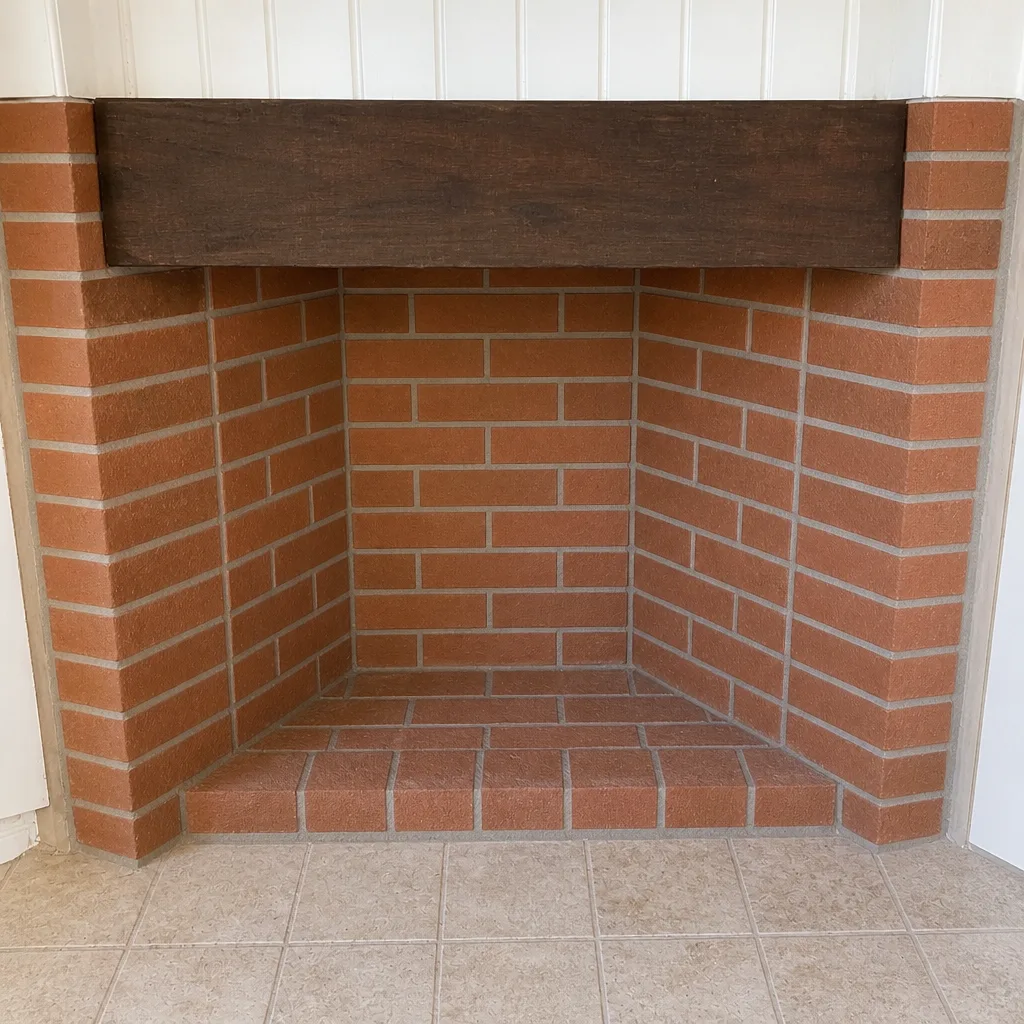
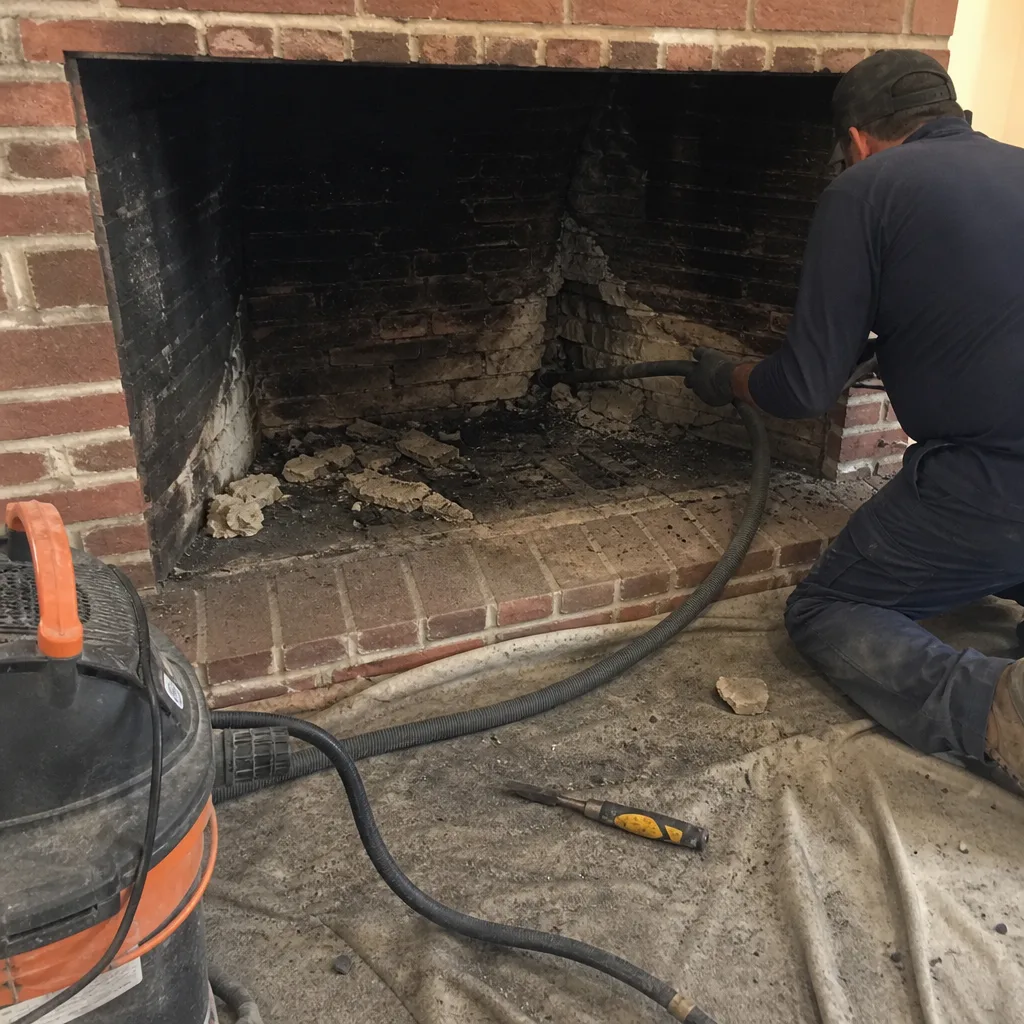
See the difference
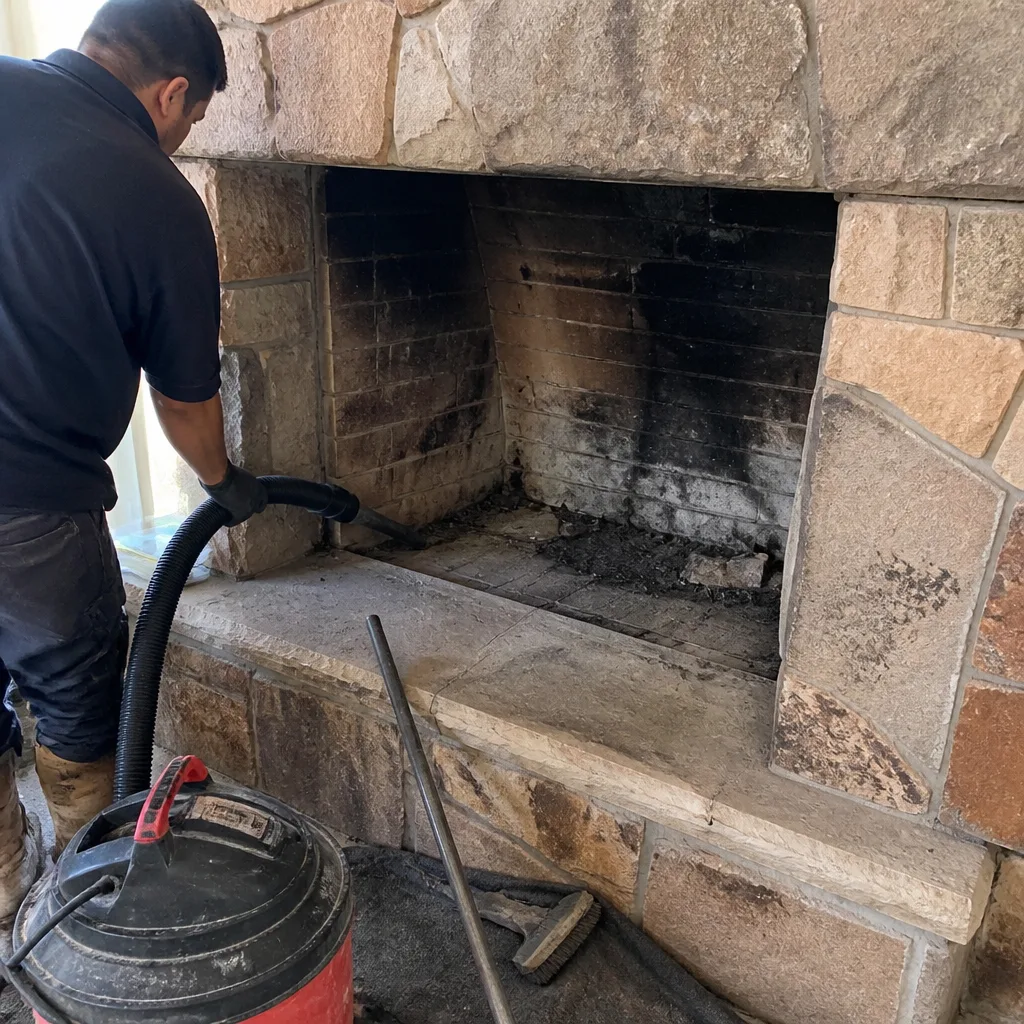 Before
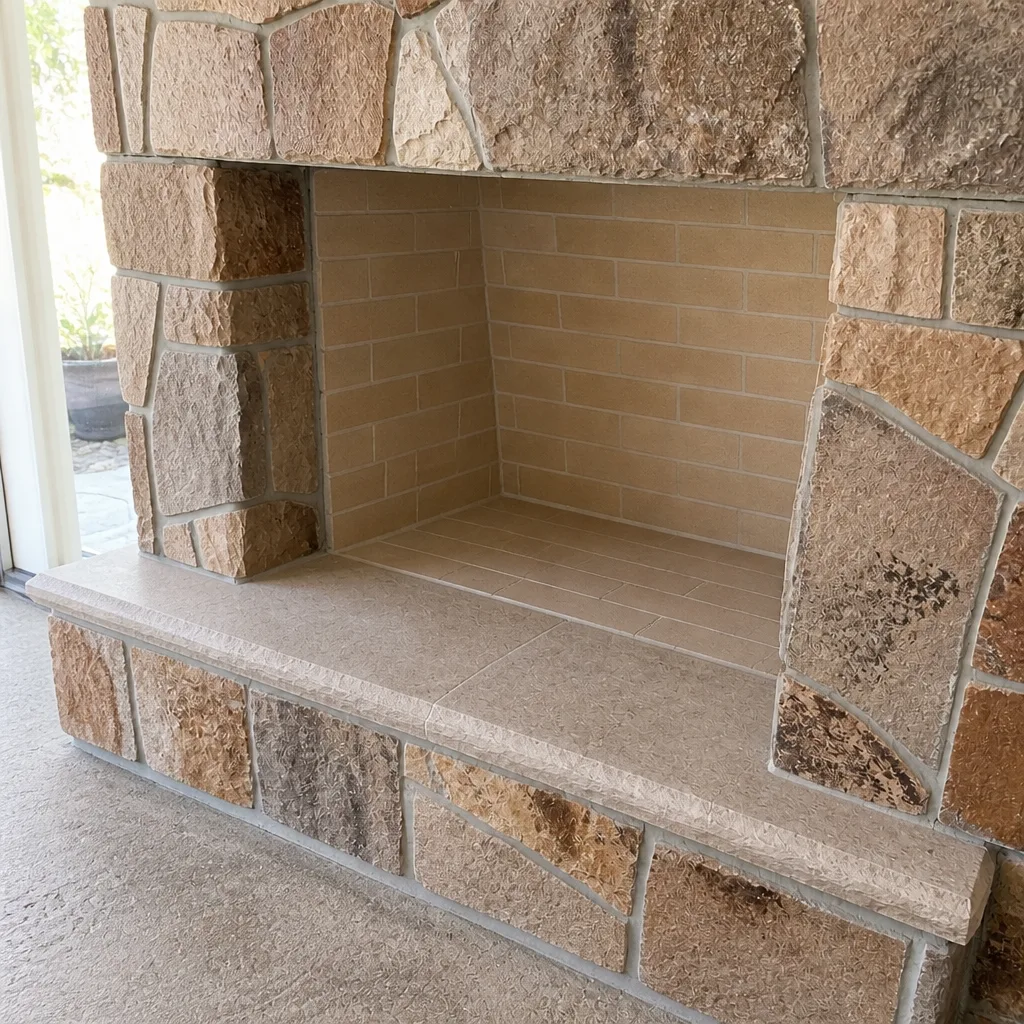 After
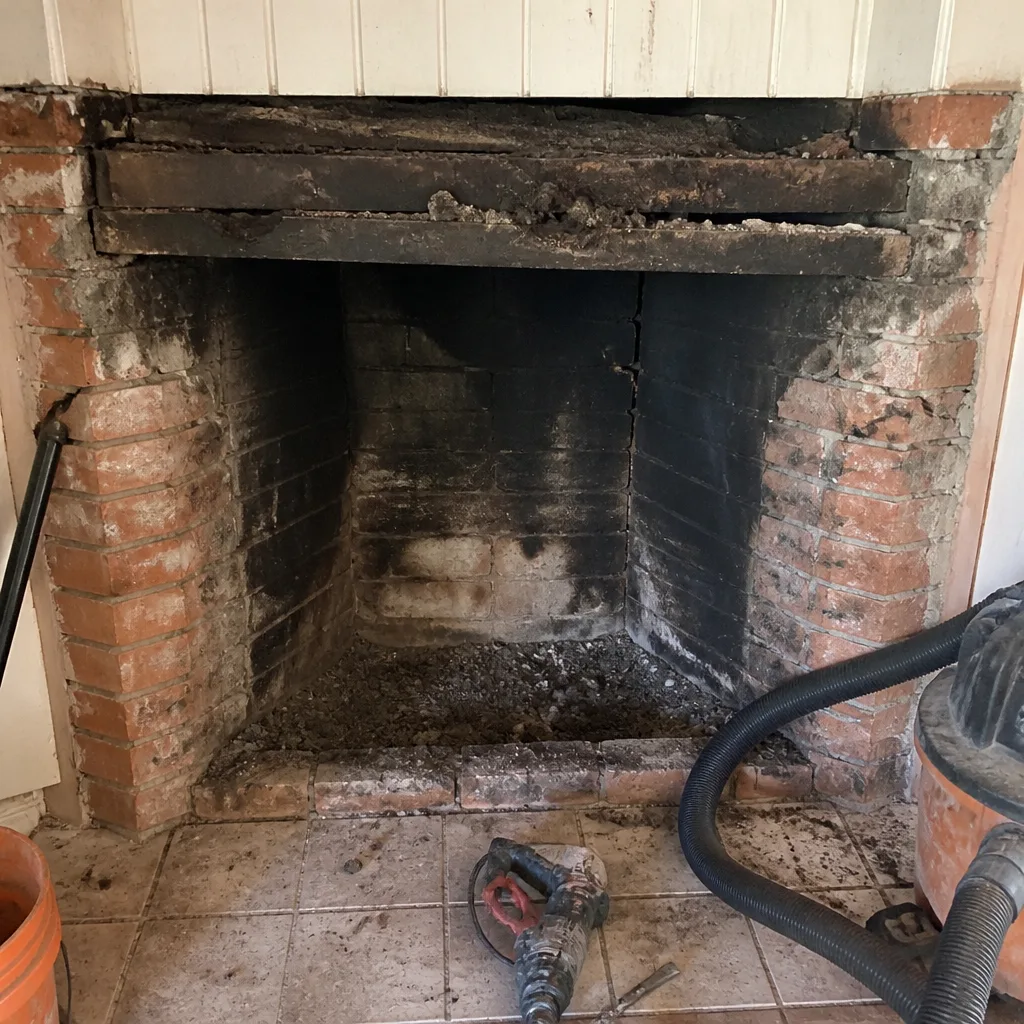 Before
 After
 Before
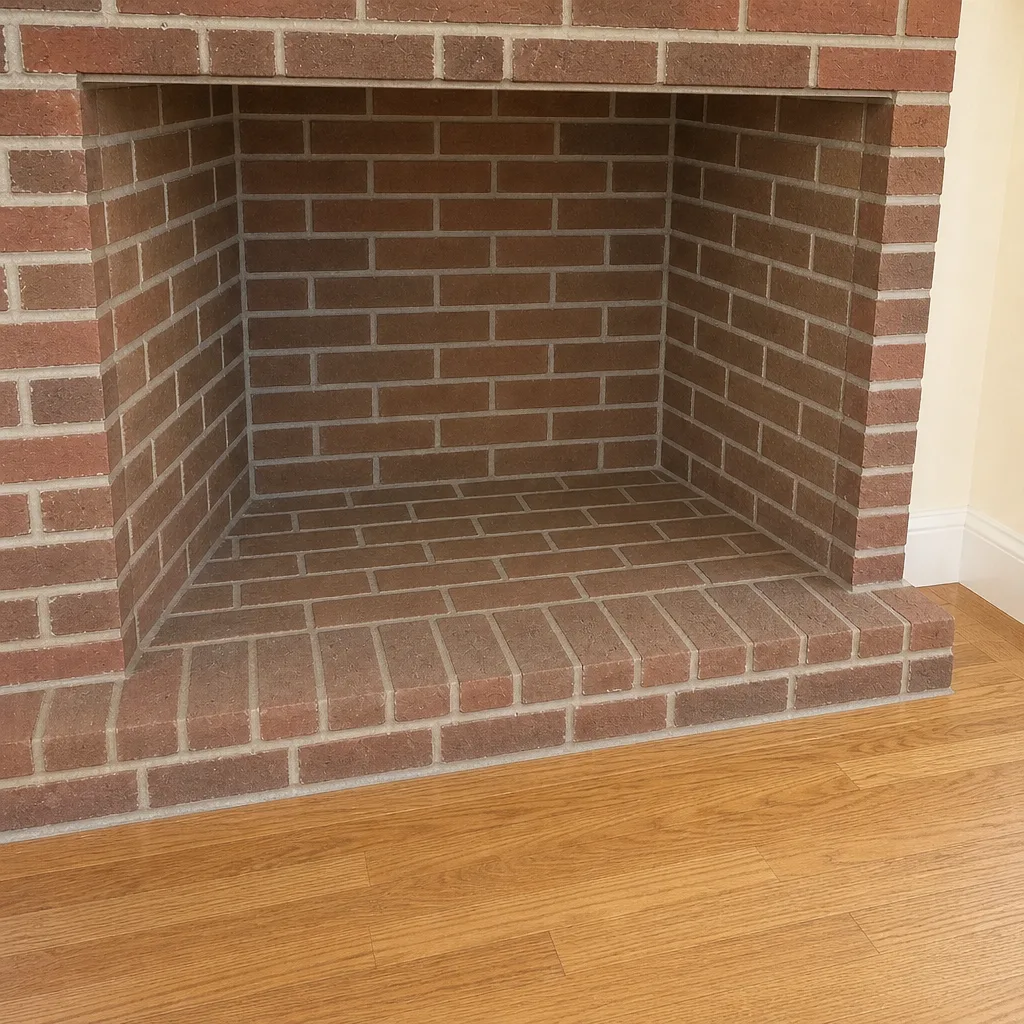 After