
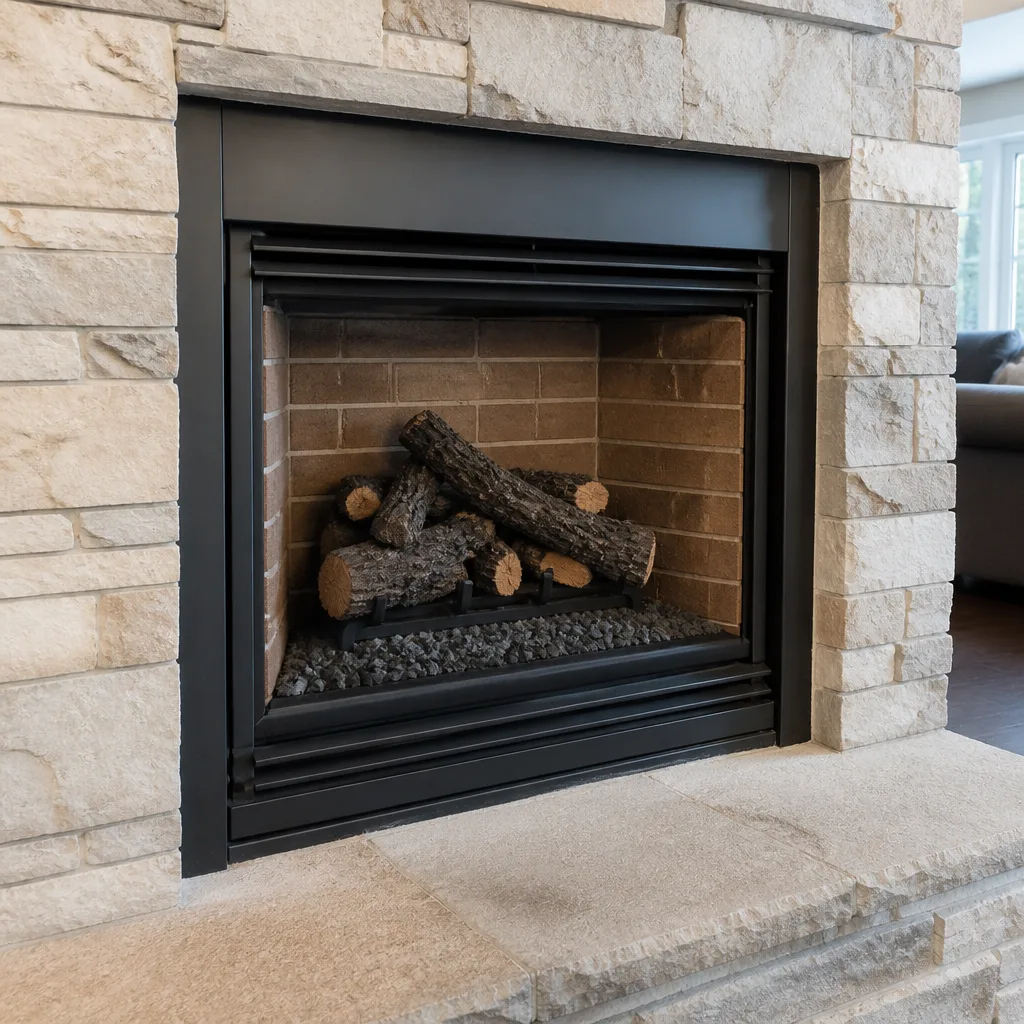
 Gas fireplace service
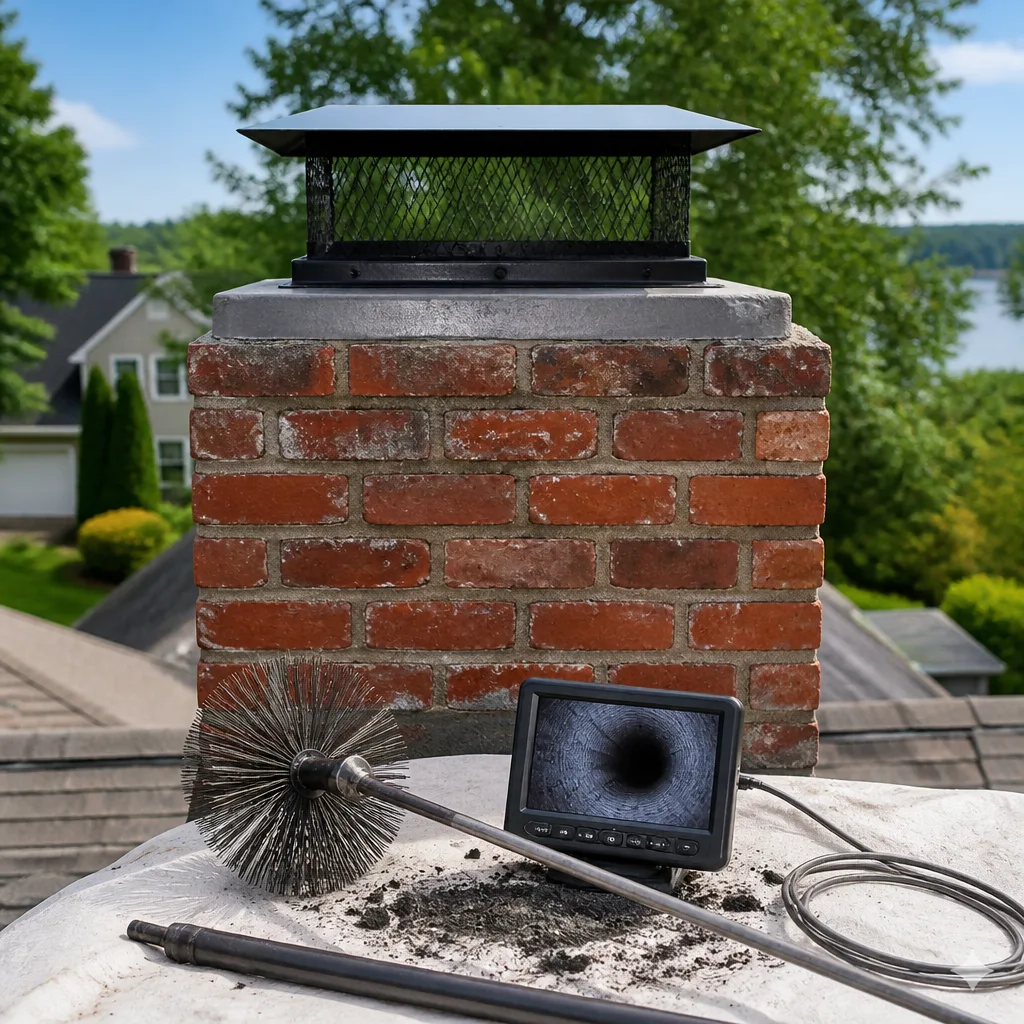 Sweep & inspection
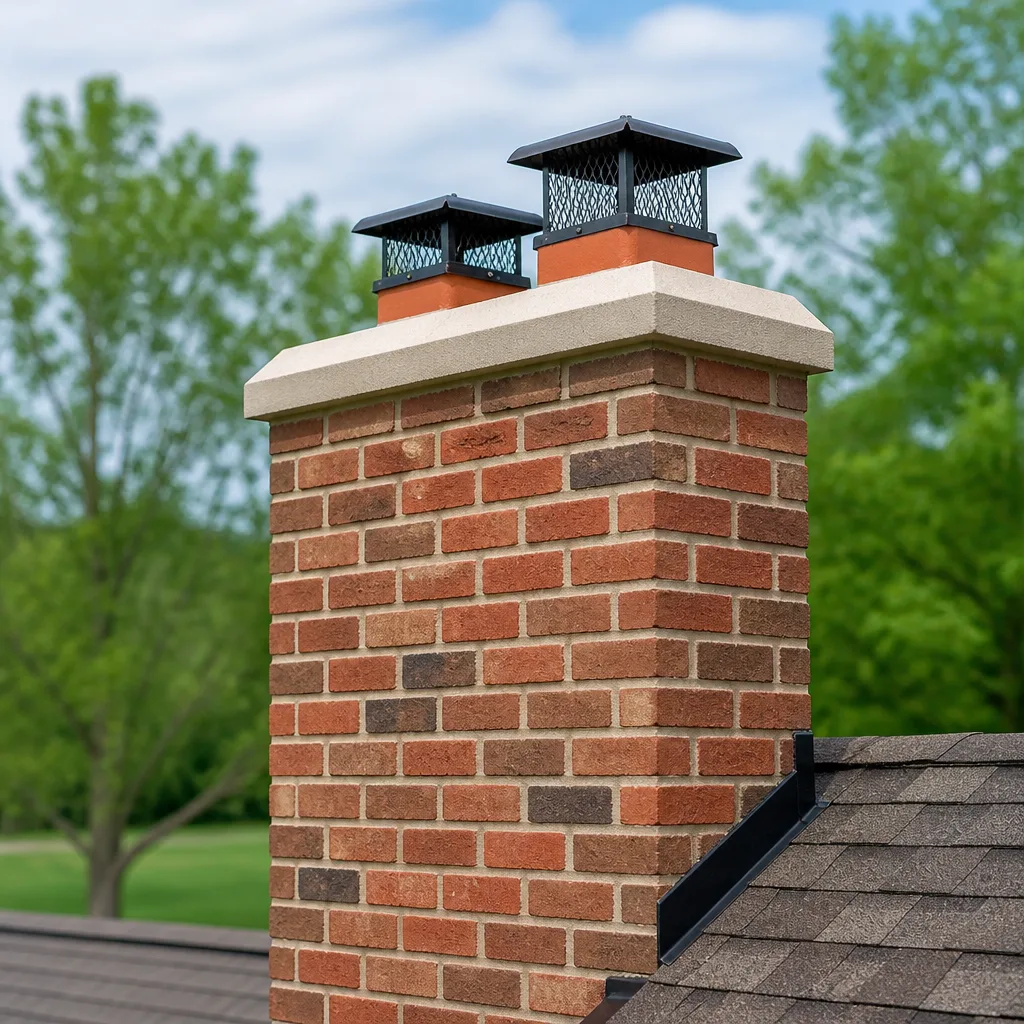 Caps & crowns
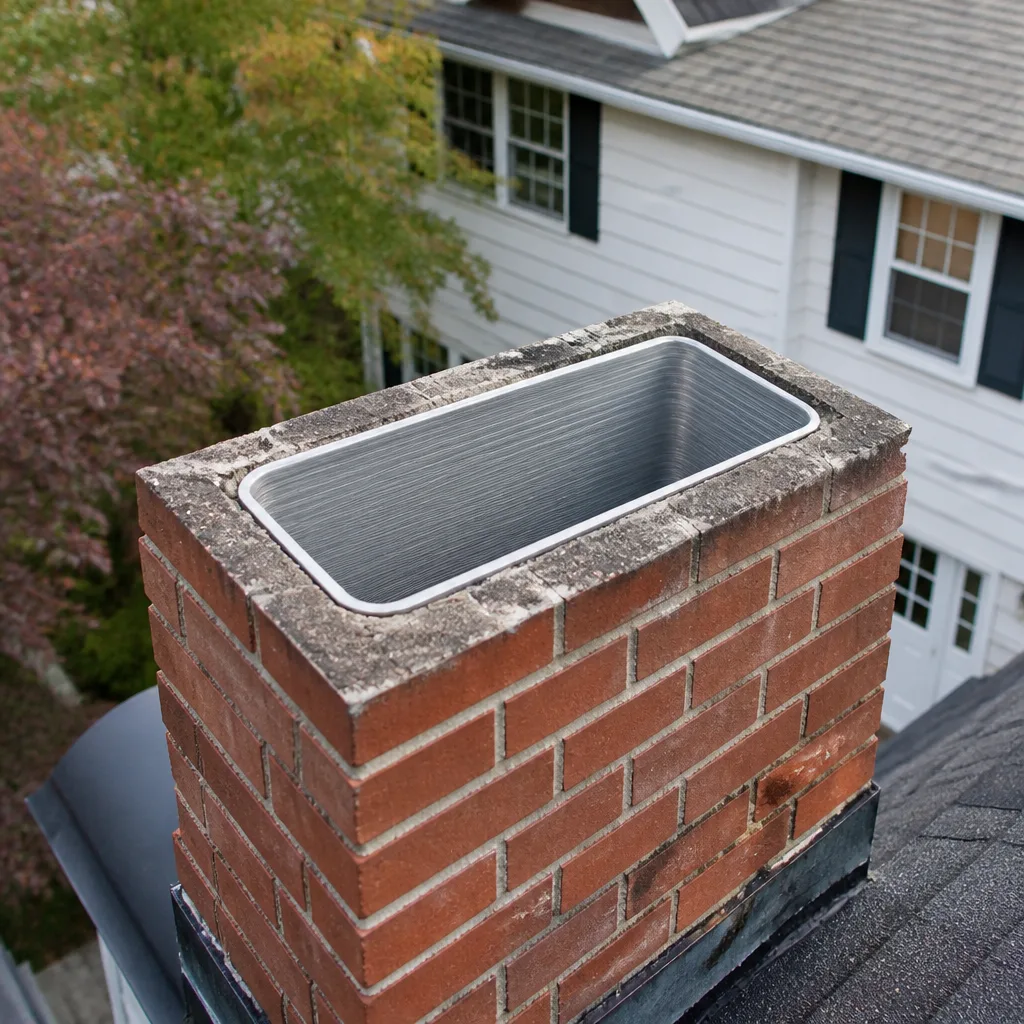 Flue relining
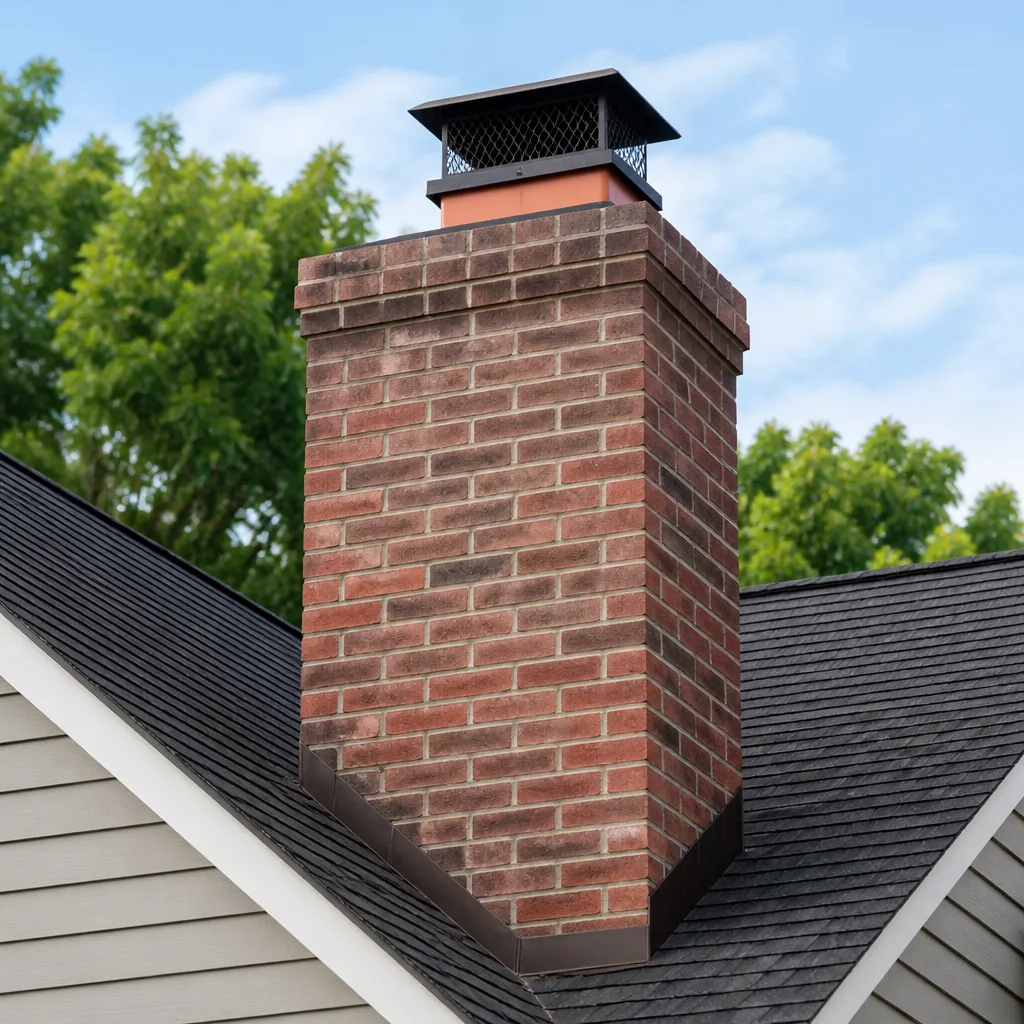 Masonry repair
Level 1 sweep and inspection to the NFPA 211 annual standard - flue, crown, cap, and flashing checked and photographed
Chimney sweep logs do not sweep chimneys. They loosen some creosote - which then falls where a brush and vacuum still have to collect it.
Why North Las Vegas Homeowners Choose HeatShield Chimney Cleaning
We provide independent HeatShield chimney cleaning and service in North Las Vegas, NV. HeatShield is a flue resurfacing system, and our work starts with a Level 2 inspection to find out whether your HeatShield lining is sound, failing, or simply dirty. What sets our HeatShield work apart is that we diagnose the lining itself rather than sweeping around it. We’re an independent service provider, not affiliated with or authorized by HeatShield, so our recommendations follow what your flue actually needs. Call (855) 769-1102. We answer 24/7. Fast dispatch from 7am to 7pm, Sunday through Friday.
Most of North Las Vegas doesn’t burn wood. The city is built almost entirely from 1990s-2020s stucco tract homes on slabs, and nearly all of them use direct-vent or B-vent gas fireplaces instead of masonry chimneys. That matters for HeatShield. A resurfaced flue that sits unused for months still collects fine desert dust and never gets the steady airflow of a working wood fire. When we inspect a HeatShield lining here, we’re usually looking at what the climate did to it, not what a fire did to it. Extreme summer heat routinely reaching 105-115°F, near-zero humidity, and gusty spring winds work on cementitious linings in ways a wet-climate sweep would never see. Monsoon downpours can push water into an uncapped termination on an otherwise bone-dry house, and that single wetting cycle is often where spalling starts.
Why Trust Lancaster Chimney Cleaning for Your HeatShield Chimney Cleaning?
Our technicians have up to 15 years of experience, and much of that has been spent reading the specific failure patterns HeatShield linings develop. HeatShield isn’t swept the way bare masonry is swept, and it isn’t cleaned the way a stainless system is cleaned either. A cast-in-place ceramic lining wants gentle mechanical agitation that lifts soot and desert dust without scuffing the surface, and a stainless lining wants a close look at its joints before any brush goes down the flue. We treat cleaning as the first pass of an inspection, not a separate errand.
Parts matter here. Critical liner connections and resurfacing compounds come from HeatShield components when they’re available, because a resurfaced flue only performs if the transition at the damper and the crown are executed with the right materials. For standard maintenance items like caps and dampers, we use high-quality parts that fit HeatShield equipment properly. Nothing is a hardware-store substitute, and we don’t claim to stock OEM parts or carry a HeatShield dealership. We repair, install, and service HeatShield liners with parts that fit them.
Warranty-safe practice comes down to method. We document what we find with a camera inspection and a photo report, clean to the lining’s tolerance, and avoid aggressive tooling that could crack a sound ceramic surface. If something we find needs a decision, you see the evidence before we touch it.
Styles & brands we work with
- Sweep & inspection
- Caps & crowns
- Flue relining
- Masonry repair
- Gas fireplace service
Common HeatShield Chimney Cleaning Problems We Fix in North Las Vegas
These are the issues we run into most often with HeatShield linings. Some are climate-driven, some come from installation and wear, and a few show up simply because a gas fireplace in North Las Vegas never gets looked at.
- Cracking and spalling of the ceramic lining. Cast-in-place HeatShield ceramic takes thermal cycling hard, and here the cycling is unusual: months of total disuse, then a cold snap with the fireplace running daily. Add moisture from a monsoon downpour into an uncapped flue and the surface can craze, then spall. The damage often starts near the damper or the crown, where temperature swings and water exposure are worst. Once a ceramic surface breaks down, gases can reach the structure behind it.
- Separation or corrosion at stainless liner joints. A HeatShield stainless system depends on its joints holding tight through expansion and contraction. Where a joint was improperly secured, or where corrosive flue gases sit against the metal for long idle stretches, you can get separation. That opens a path for exhaust to escape outside the liner instead of up and out. In a city where a gas fireplace runs briefly and infrequently, the joint sits in acidic residue rather than getting burned clean.
- Blockages from deteriorated lining material and fallen debris. As a ceramic lining breaks down, loose material drops and collects on the smoke shelf or the flue base. Tumbleweed and wind-driven dust cap the screens and plug terminations across the newer north-side subdivisions, and the two problems compound. A restricted flue raises creosote accumulation on whatever surface remains and weakens draft. Because gas fireplaces here are rarely lit, homeowners tend to find the blockage when a dryer or water heater back-drafts, not when smoke rolls into the room.
- Failed insulation blankets around stainless liners. An insulation blanket on a stainless liner keeps flue gases hot and shields adjacent framing from heat transfer. When that blanket sags, tears, or pulls away, efficiency drops and the risk of creosote buildup against nearby framing goes up. It’s easy to miss without a camera, because the flue still drafts normally at first. This is one of the reasons a Level 2 inspection belongs in routine service and not just at sale.
- Draft complaints that turn out to be a lining problem. A fireplace that smokes, smells, or won’t draw is often diagnosed as a cap or a downdraft issue. Frequently it’s a HeatShield lining that has lost its seal somewhere, so the flue is pulling air from the wrong place. Wind gusts here make this symptom come and go, which delays the diagnosis. A camera inspection settles it quickly, and the photo report shows you exactly where the seal failed.
HeatShield Parts & Our Repair-vs-Replace Approach
We fit HeatShield equipment with parts that belong on it. For critical liner connections and resurfacing work, that means HeatShield components when they’re available, since a cementitious repair only holds if the compound and the transition hardware are compatible with what’s already in the flue. For standard maintenance items like caps and dampers, we use high-quality aftermarket parts that meet or exceed original specifications. We don’t claim to stock OEM or genuine HeatShield parts, and we’re not a HeatShield dealer. We’re a service shop that repairs, installs, and services what’s already there.
The repair-or-replace call is where homeowners get told the wrong thing most often. Minor liner cracks and isolated joint issues are usually repairable, and the honest answer for a lot of them is that a resurfacing job plus attention to the crown and flashing solves it. When the deterioration is extensive, though, a full liner replacement is the right recommendation for safety and performance, and we’ll say so plainly. Nothing gets recommended without camera evidence you can see for yourself, and we’ll tell you when work can safely wait. Call (855) 769-1102 to book an inspection.
Our HeatShield Service Process – Step by Step
- 1
Diagnosis. A Level 2 inspection with camera access up the flue. We check the ceramic lining for cracking and spalling, look at every stainless joint for separation or corrosion, and inspect the insulation blanket and the crown for water pathways. Where the homeowner has draft complaints, we look for blockages at the screen and termination too.
- 2
Repair or install. Loose or deteriorated lining material comes out first. Minor cracking gets resurfaced with HeatShield repair compound. Separated joints get resecured, or replaced when the metal is compromised. Crown and flashing issues are addressed in the same visit so water intrusion doesn’t restart the cycle. Where the lining can’t be saved, we install a proper liner system.
- 3
Test. We run a combustion check and verify draft through a full cycle before we call the job done. A lining that passes inspection but fails to draw is not finished work.
- 4
Warranty and records. You get the photo report and the inspection record, which is what any lining warranty question will be built on. Keep those documents with the house.
See the difference
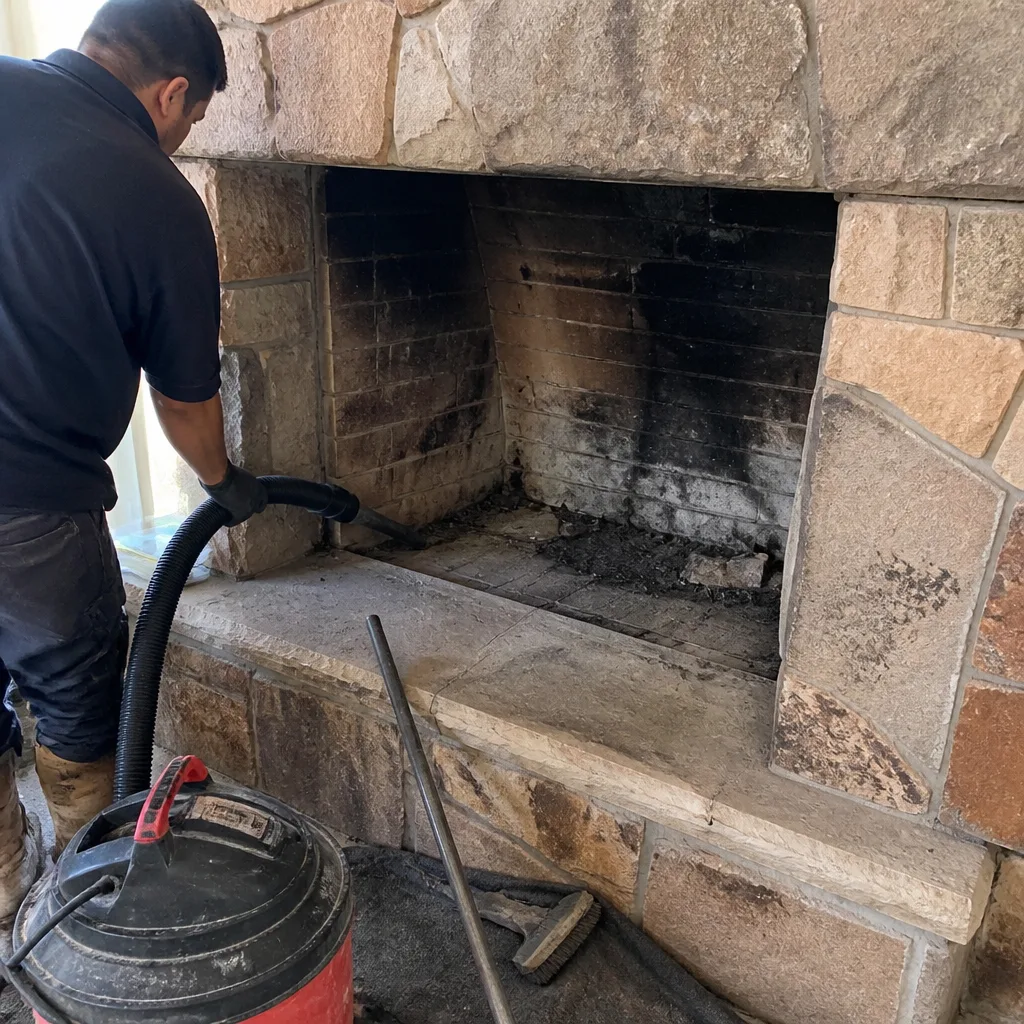 Before
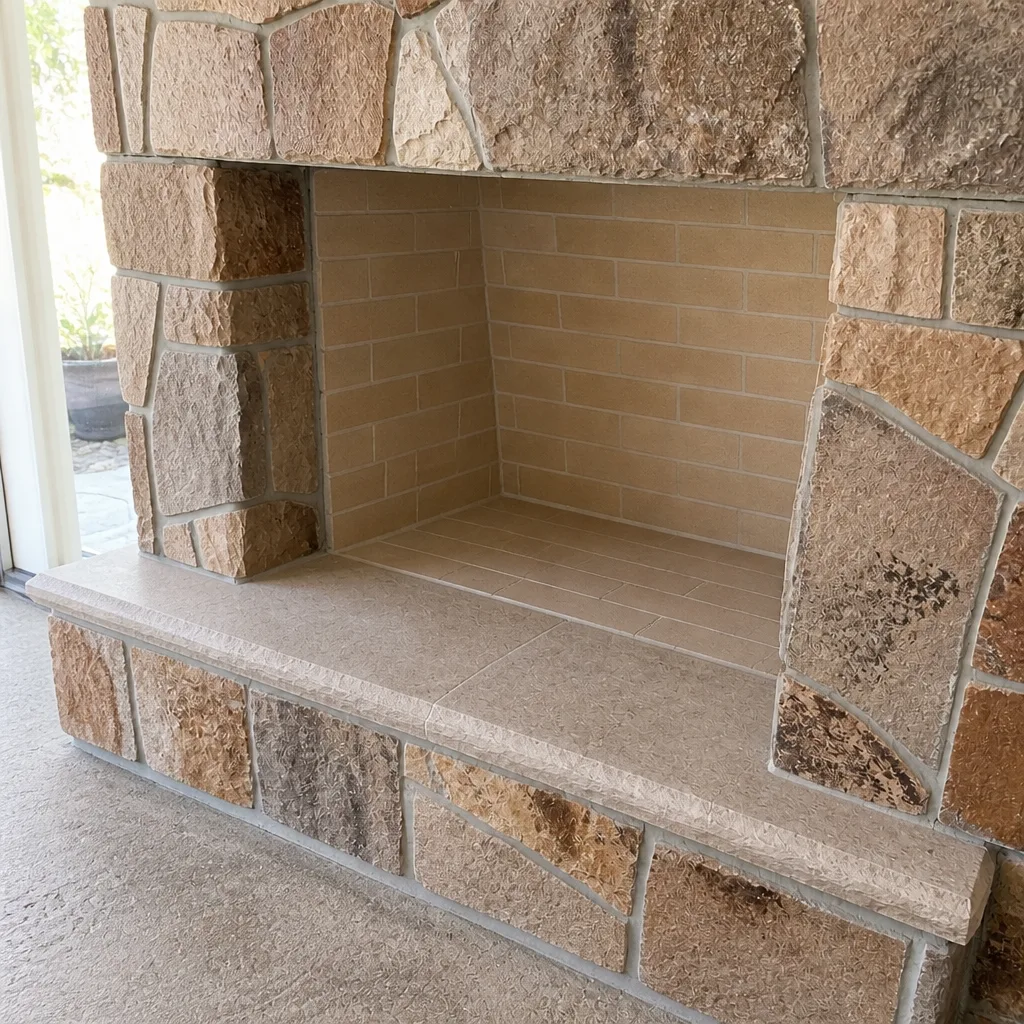 After
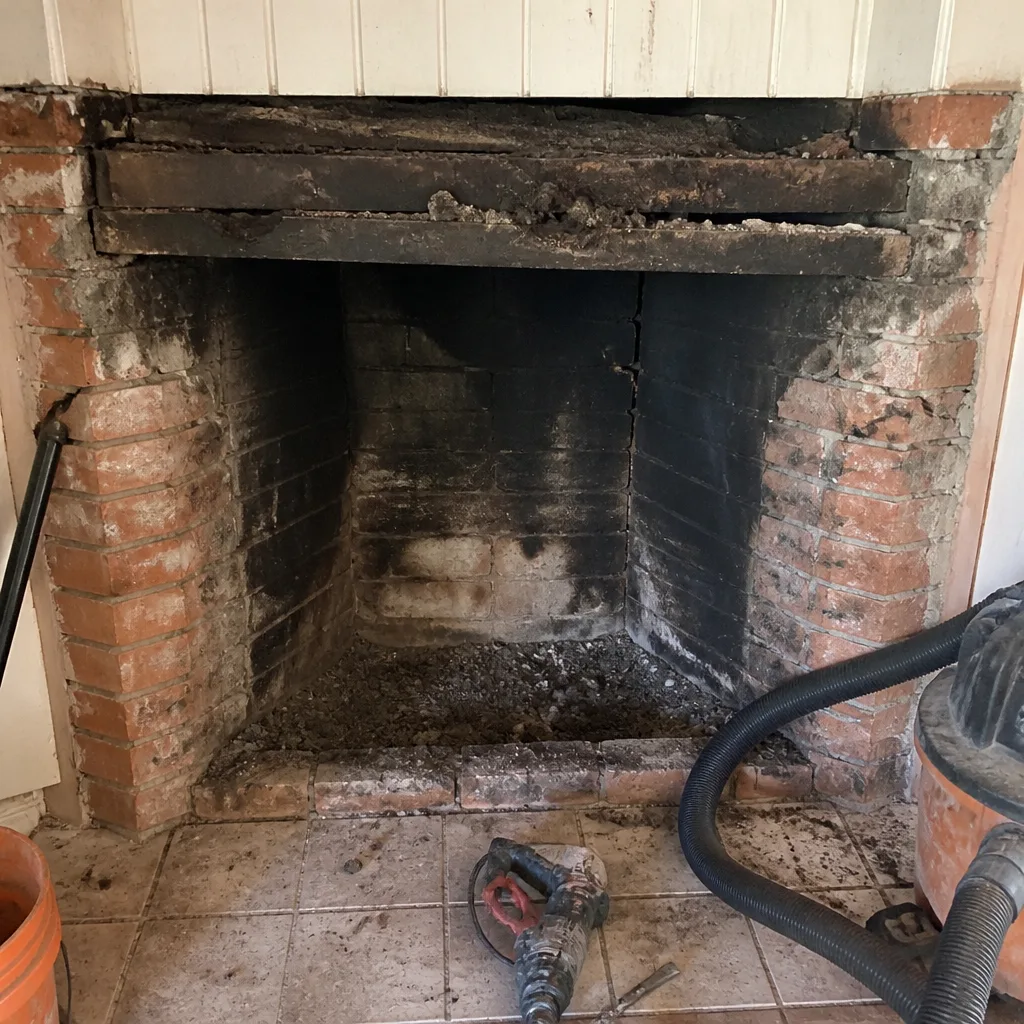 Before
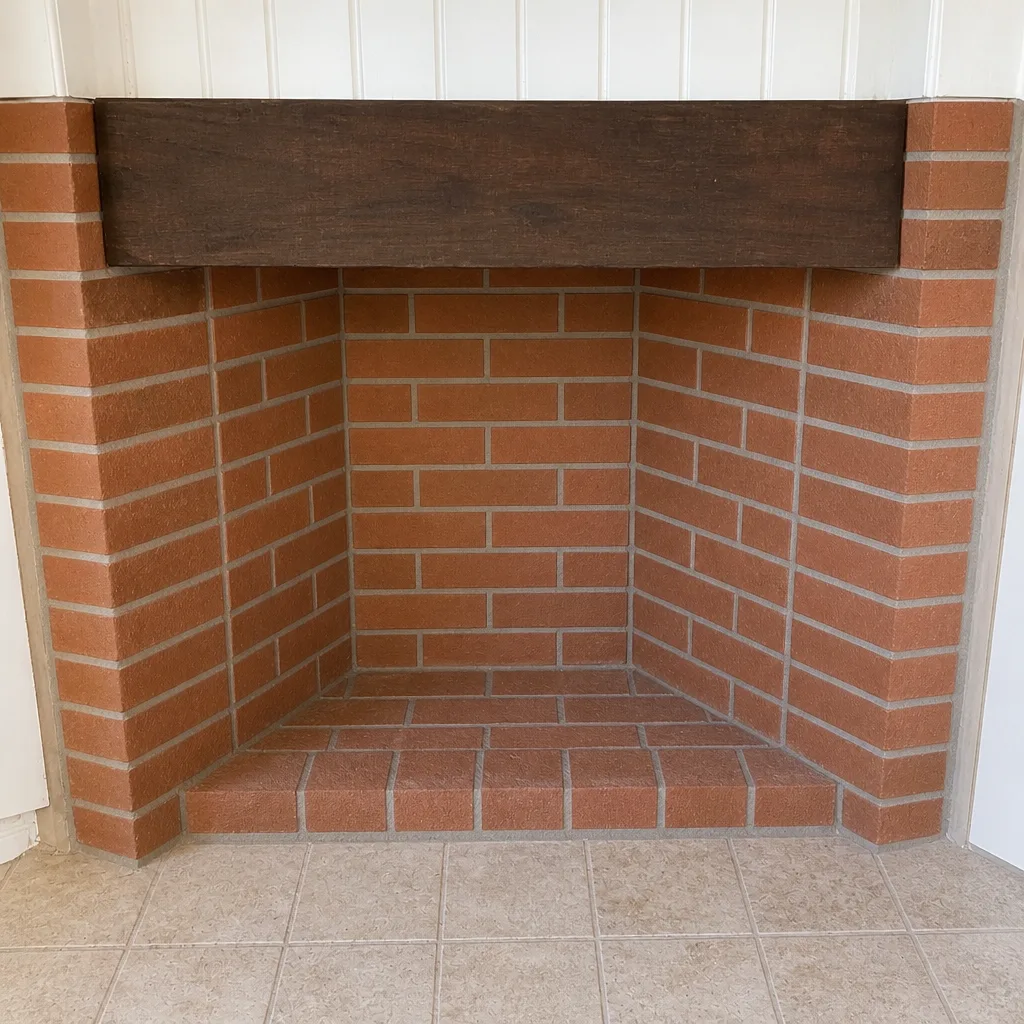 After
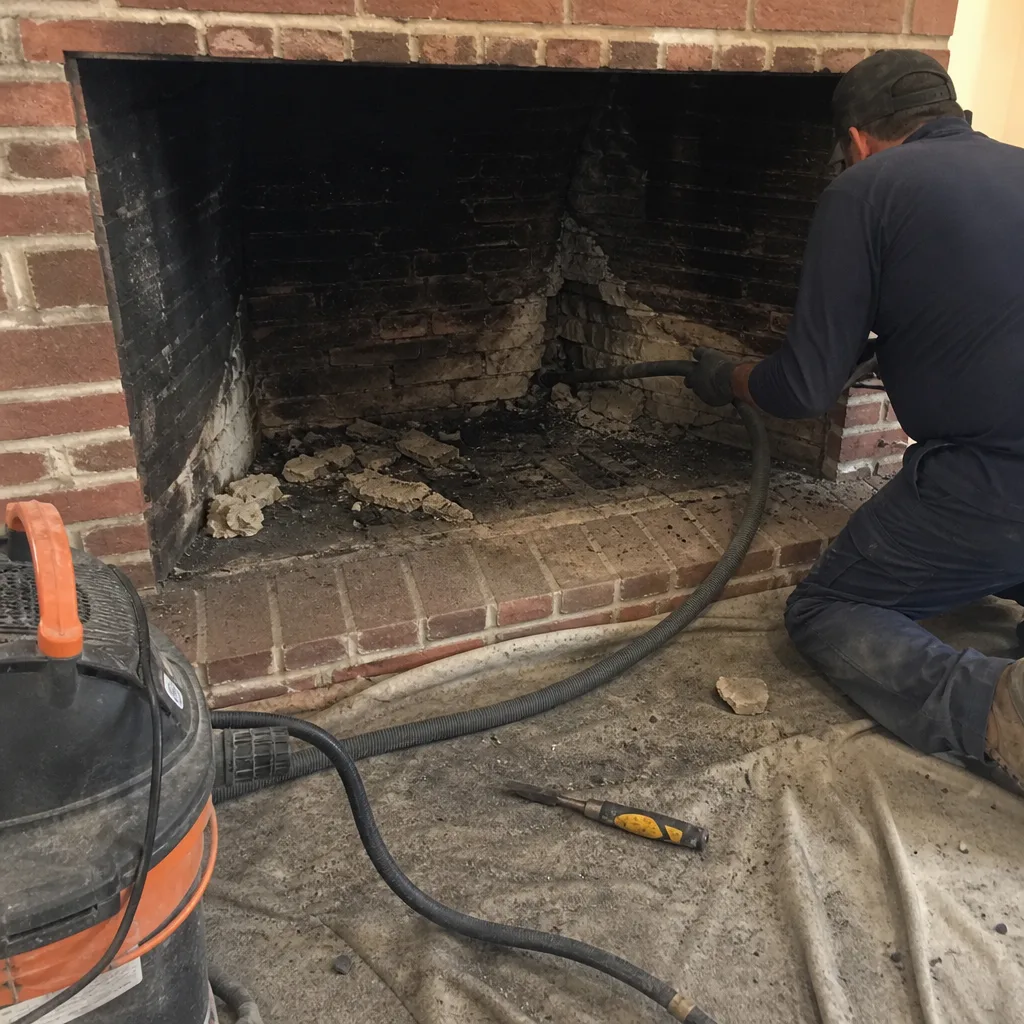 Before
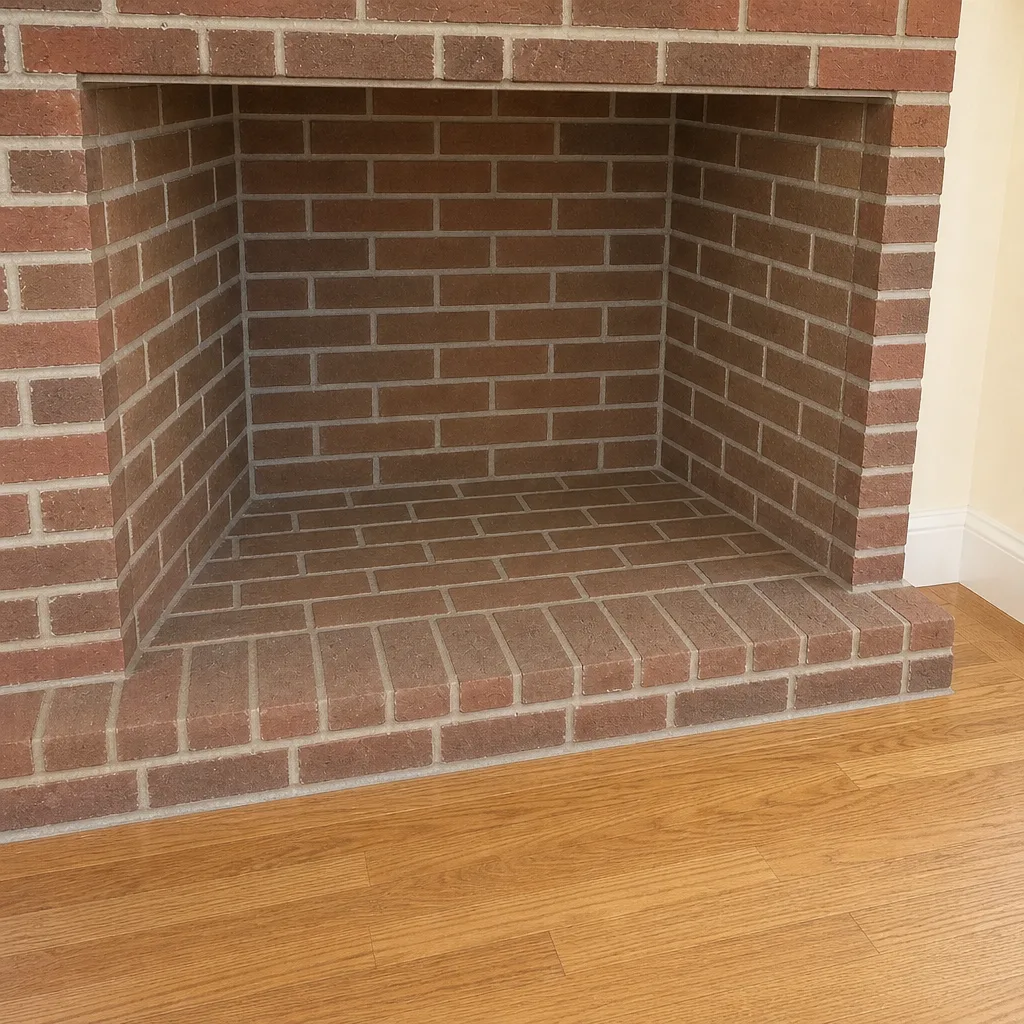 After
HeatShield Products We Service & Install in North Las Vegas
We work on the HeatShield ceramic liner system, the cast-in-place lining that resurfaced a lot of deteriorated flue tiles in this region. We service the HeatShield resurfacing system used to restore damaged flue tiles rather than replace them outright. We handle the HeatShield stainless steel liner system, including joint inspection, resecuring, and liner replacement where the metal is too far gone. We work with HeatShield insulation blankets on stainless installations, checking them for sag, tears, and heat transfer against framing. And we install HeatShield systems where the existing tile is beyond what resurfacing can honestly fix. Because North Las Vegas flues sit idle for most of the year, each of these needs a camera look rather than a visual check from the firebox, and we do the work with quality parts that fit the equipment.
We Also Service These Brands
HeatShield is one part of what we handle. We install DuraFlex flexible liner systems for relining deteriorated or undersized masonry flues, and we supply chimney caps and venting components through Gelco and Famco, so repair work uses properly rated, weather-tested hardware. We also work with Olympia Chimney and Copperfield materials. That breadth matters on a real job. A HeatShield lining decision sometimes sits alongside a cap replacement or a flue reline, and one contractor coordinating all of it is simpler than three.
FAQs – HeatShield Chimney Cleaning Service in North Las Vegas
No. We’re an independent service provider, and we’re not affiliated with, authorized by, or acting as a dealer for HeatShield. That’s a deliberate position. Our recommendations on your chimney are based on inspection findings, not on a manufacturer relationship. We repair, install, and service HeatShield equipment with quality parts that fit it.
Yes. Critical liner connections and resurfacing work use HeatShield components when they’re available. For standard maintenance items like caps and dampers, we use high-quality aftermarket parts that meet or exceed original specifications. We don’t stock OEM parts and we don’t claim to.
Often, yes. Minor liner cracks and isolated joint issues are usually repairable, and a typical fix involves removing loose material, resurfacing with HeatShield repair compound, and correcting any crown or flashing problem so water stops getting in. Extensive deterioration changes the answer to a full liner replacement, for safety and performance. A camera inspection is what tells you which one you’re facing, and you’ll see the footage before we recommend anything. Call (855) 769-1102 for a free estimate.
You usually don’t, from the firebox. Separation or corrosion at the joints, a sagging insulation blanket, and internal blockages are all behind the liner surface. A homeowner typically notices draft problems, odors, or visible crumbling in the firebox, often after years without an inspection. That’s the pattern that leads to a Level 2 inspection and a camera look at the joints and blanket. If we find something, the photo report shows it to you. Call (855) 769-1102 to book that inspection.
Moisture and thermal stress, usually together. In North Las Vegas, an uncapped flue can take a monsoon downpour into a house that’s bone-dry the rest of the year, and that wetting cycle starts spalling near the crown and damper. Months of idle sitting followed by heavy seasonal use adds thermal cycling on top. A homeowner notices draft problems and visible crumbling in the firebox, often after years of use without inspection. A qualified technician inspects the HeatShield ceramic liner and finds cracked or spalling material. The usual fix is removing loose material, resurfacing the liner with HeatShield’s repair compound, and addressing crown or flashing issues to prevent future water intrusion. Call (855) 769-1102 for an exact quote – estimates are free.
Yes, with the right method. A ceramic HeatShield lining needs cleaning that lifts soot and desert dust without scuffing the surface, and a stainless lining needs its joints checked before any brush goes down. We do both as part of a Level 2 inspection, so cleaning and diagnosis happen in one visit.
Our independent HeatShield work covers the ceramic liner system, the resurfacing system for damaged flue tiles, the stainless steel liner system, and insulation blankets on stainless installations. We service all of them and install where the existing lining can’t be saved.
Proper service shouldn’t. Aggressive tooling and undocumented work are what put a lining warranty at risk. We clean within the lining’s tolerance, use parts that fit the equipment, and hand you a camera inspection and photo report so there’s a record of condition before and after. Keep those documents.
A cleaning and Level 2 inspection is a single visit. Resurfacing work runs longer because the compound needs proper application and curing, and a liner replacement takes longer still. We book the sweep on a flat price agreed before we arrive, and the written estimate sets the final price on everything else.
Cleaning is quoted per job, so the range depends on the lining type, how much desert dust and debris has collected, and whether the flue needs camera access before cleaning starts. You get the price before we book. Nothing is recommended without camera evidence, and we’ll tell you plainly when work can safely wait. Call (855) 769-1102 for an exact quote – estimates are free.
A failing HeatShield lining can let combustion gases reach the structure instead of the flue. In North Las Vegas, where gas fireplaces and vented appliances go unused for months, a blocked or breached flue often shows up first as a back-drafting dryer or water heater. That’s a safety signal, not a maintenance nuisance. Call (855) 769-1102 and we’ll get an inspection booked.
Book Your HeatShield Service in North Las Vegas, NV
Whether you need a cleaning, a Level 2 inspection, creosote removal, or firebox repair on a HeatShield lining, we’ll tell you what the chimney actually needs. Insured and bonded, with the sweep price agreed before we book and a camera inspection with a photo report included. Call (855) 769-1102. We answer 24/7. Fast dispatch from 7am to 7pm, Sunday through Friday.
Written by the team at Lancaster Chimney Cleaning.